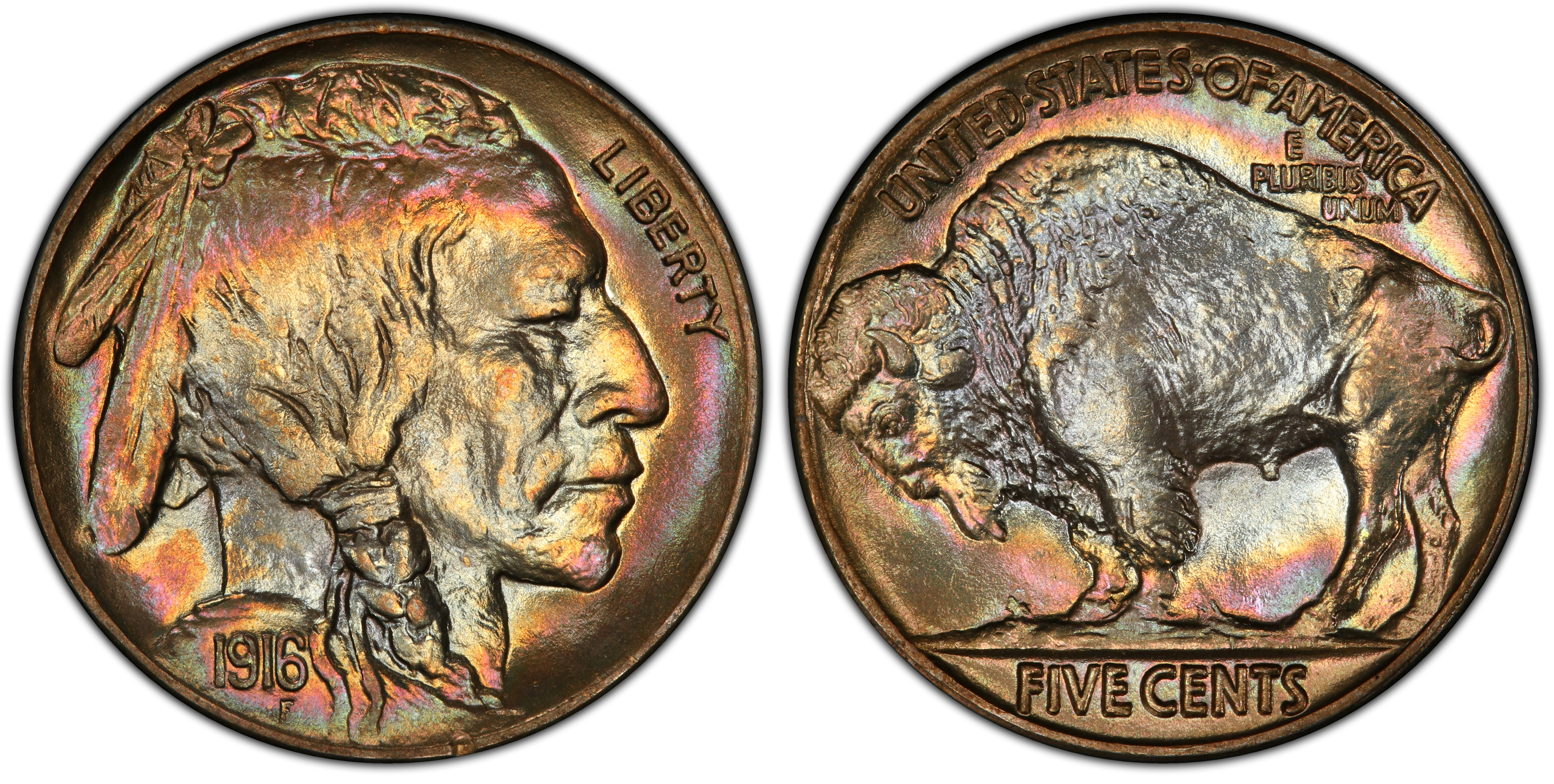

PCGS MS67+

PCGS MS67+
- PCGS #:
- 3930
- Designer:
- James Earle Fraser
- Edge:
- Plain
- Diameter:
- 21.20 millimeters
- Weight:
- 5.00 grams
- Mintage:
- 63,498,066
- Mint:
- Philadelphia
- Metal:
- 75% Copper, 25% Nickel
- Auction Record:
- $19,200 • MS67+ • 03-31-2021 • Stack's Bowers
Go To Grade
Current Auctions - PCGS Graded
Current Auctions - NGC Graded
For Sale Now at Collectors Corner - PCGS Graded
For Sale Now at Collectors Corner - NGC Graded
Rarity and Survival Estimates Learn More
| Survival Estimate | |
|---|---|
| All Grades | 15,000 |
| 60 or Better | 4,000 |
| 65 or Better | 1,100 |
| Numismatic Rarity | |
|---|---|
| All Grades | R-2.9 |
| 60 or Better | R-4.2 |
| 65 or Better | R-4.9 |
| Relative Rarity By Type All Specs in this Type | |
|---|---|
| All Grades | 43 / 69 TIE |
| 60 or Better | 52 / 69 TIE |
| 65 or Better | 48 / 69 TIE |
| Relative Rarity By Series All Specs in this Series | |
|---|---|
| All Grades | 44 / 72 TIE |
| 60 or Better | 53 / 72 TIE |
| 65 or Better | 49 / 72 TIE |
Condition Census What Is This?
| #1 MS67+ PCGS grade |
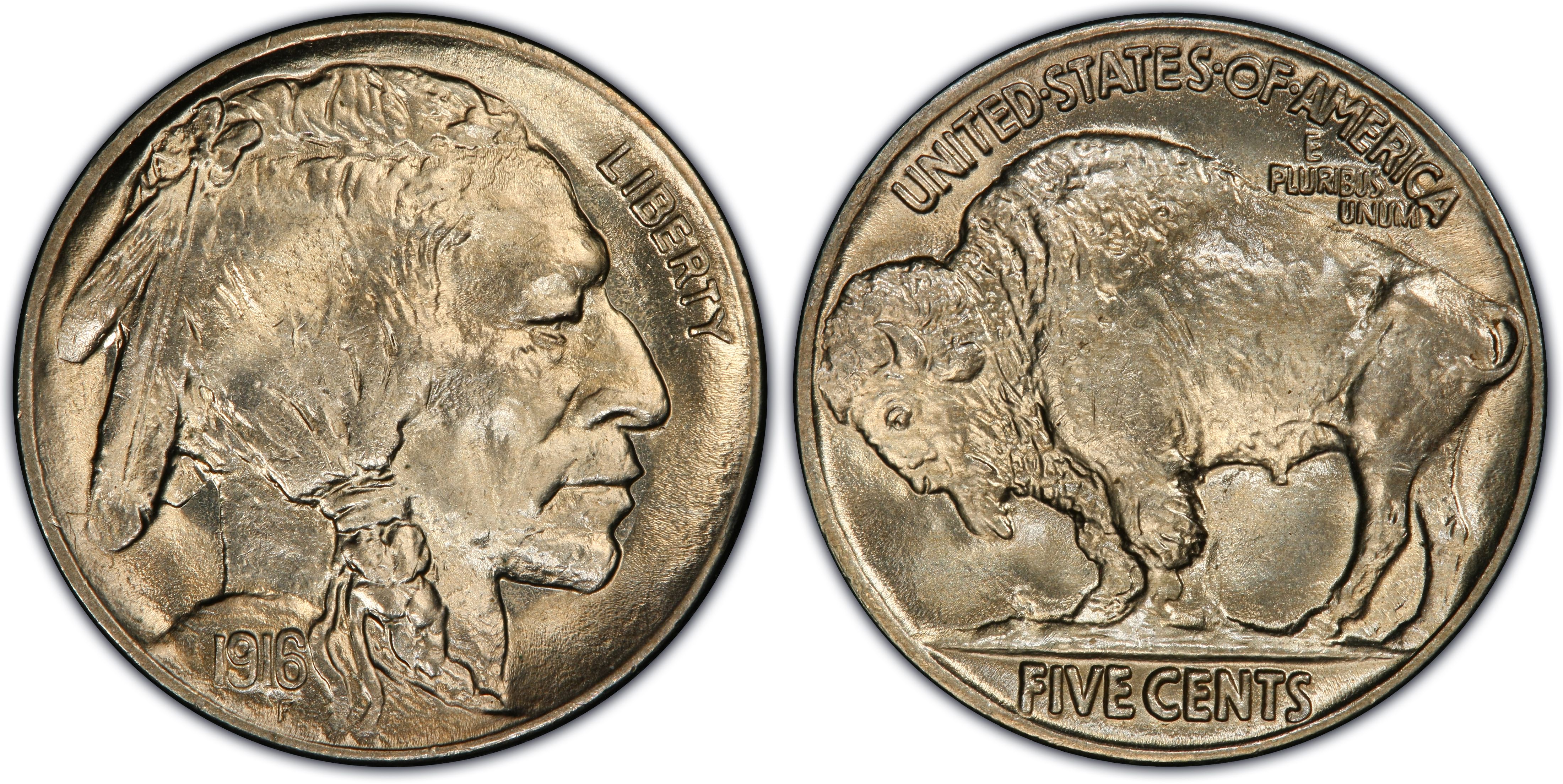 #2 MS67 PCGS grade
|
 #2 MS67 PCGS grade
|
| #2 MS67 PCGS grade |
| #2 MS67 PCGS grade |
| #2 MS67 PCGS grade |
| #2 MS67 PCGS grade |
| #2 MS67 PCGS grade |
| #2 MS67 PCGS grade |
| #2 MS67 PCGS grade |
David Hall:
The 1916 is one of the more common pre-1919 Buffalo nickels in all circulated grades and is actually the most common 1914 to 1925 Buffalo nickel in both MS64 and MS65 condition. Most examples are very well struck. Luster is usually more satiny than frosty.