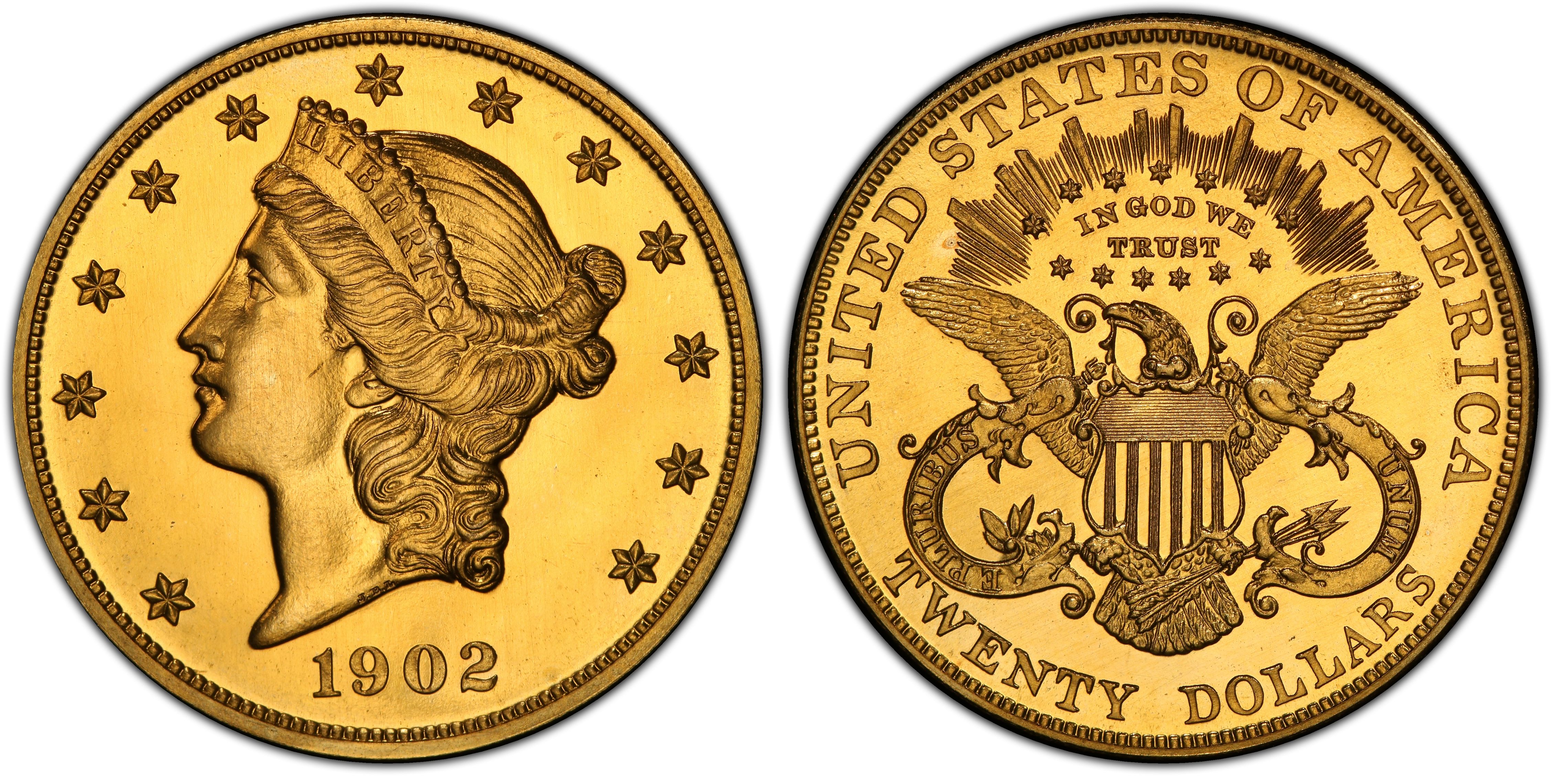

PCGS PR64
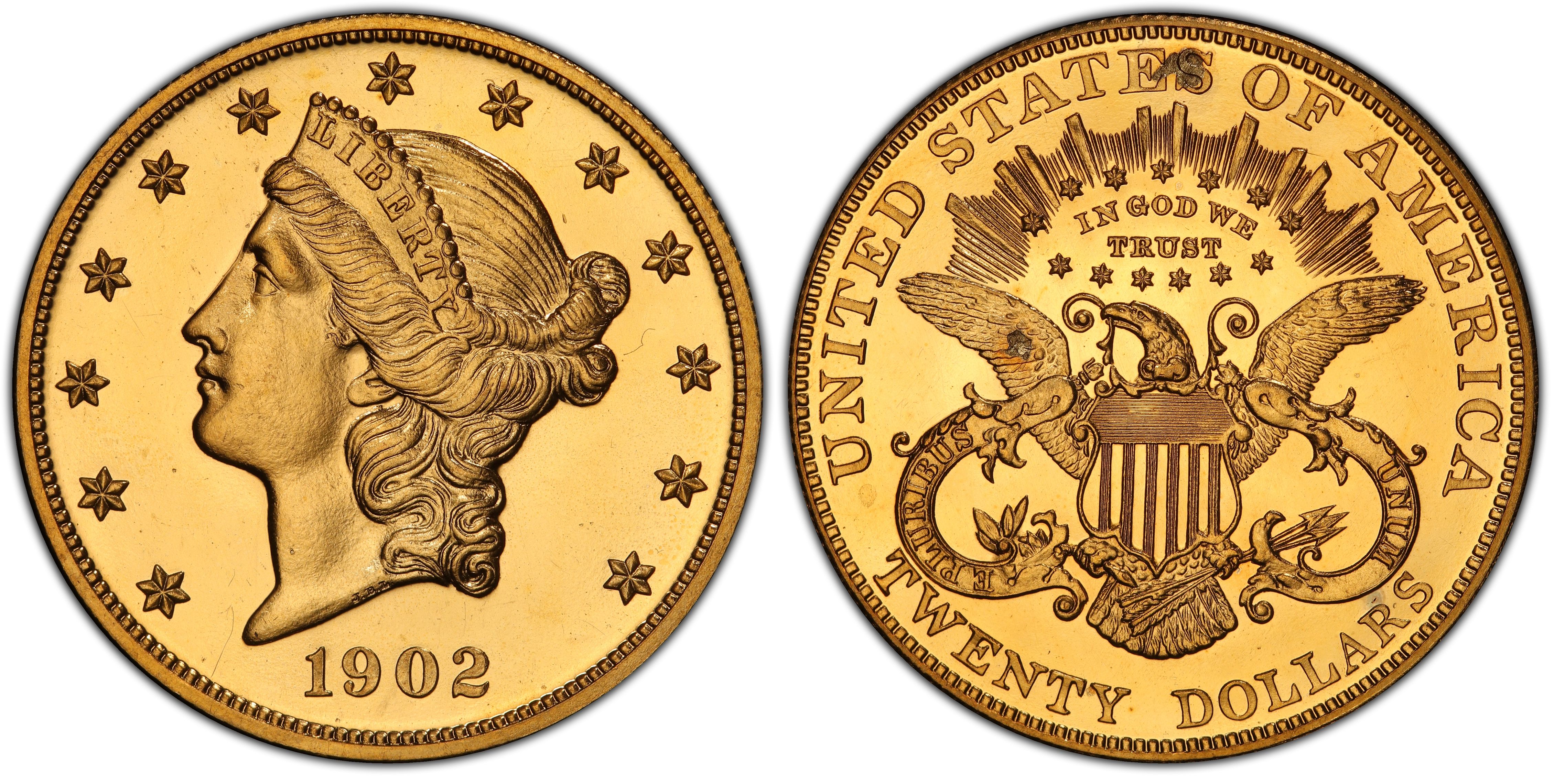
PCGS PR64
- PCGS #:
- 9118
- Designer:
- James Barton Longacre
- Edge:
- Reeded
- Diameter:
- 34.00 millimeters
- Weight:
- 33.40 grams
- Mintage:
- 114
- Mint:
- Philadelphia
- Metal:
- 90% Gold, 10% Copper
- Auction Record:
- $198,000 • PR66+ • 01-16-2022 • Heritage Auctions
Go To Grade
Current Auctions - PCGS Graded
Current Auctions - NGC Graded
For Sale Now at Collectors Corner - PCGS Graded
For Sale Now at Collectors Corner - NGC Graded
Rarity and Survival Estimates Learn More
| Survival Estimate | |
|---|---|
| All Grades | 45 |
| 60 or Better | 43 |
| 65 or Better | 5 |
| Numismatic Rarity | |
|---|---|
| All Grades | R-8.6 |
| 60 or Better | R-8.6 |
| 65 or Better | R-9.7 |
| Relative Rarity By Type All Specs in this Type | |
|---|---|
| All Grades | 22 / 31 TIE |
| 60 or Better | 23 / 31 TIE |
| 65 or Better | 9 / 31 TIE |
| Relative Rarity By Series All Specs in this Series | |
|---|---|
| All Grades | 44 / 55 TIE |
| 60 or Better | 44 / 55 TIE |
| 65 or Better | 24 / 55 TIE |
Condition Census What Is This?
 #1 PR66+ PCGS grade
Simpson Collection |
| #2 PR65 PCGS grade |
| #2 PR65 estimated grade |
| #2 PR65 estimated grade |
|
#5 PR64 PCGS grade
Justus (1959) - John Jay Pittman Collection - David Akers - 10/23/1997:1178, $35,750 |
| #5 PR64 PCGS grade |
| #5 PR64 PCGS grade |
| #5 PR64 PCGS grade |
| #5 PR64 PCGS grade |
| #5 PR64 PCGS grade |
David Akers (1975/88):
Proofs of 1902 are the first of the "all brilliant" type. They are rare but clearly less so than any of the proceeding "frosted" proofs. Approximately 35-40 proofs are known.