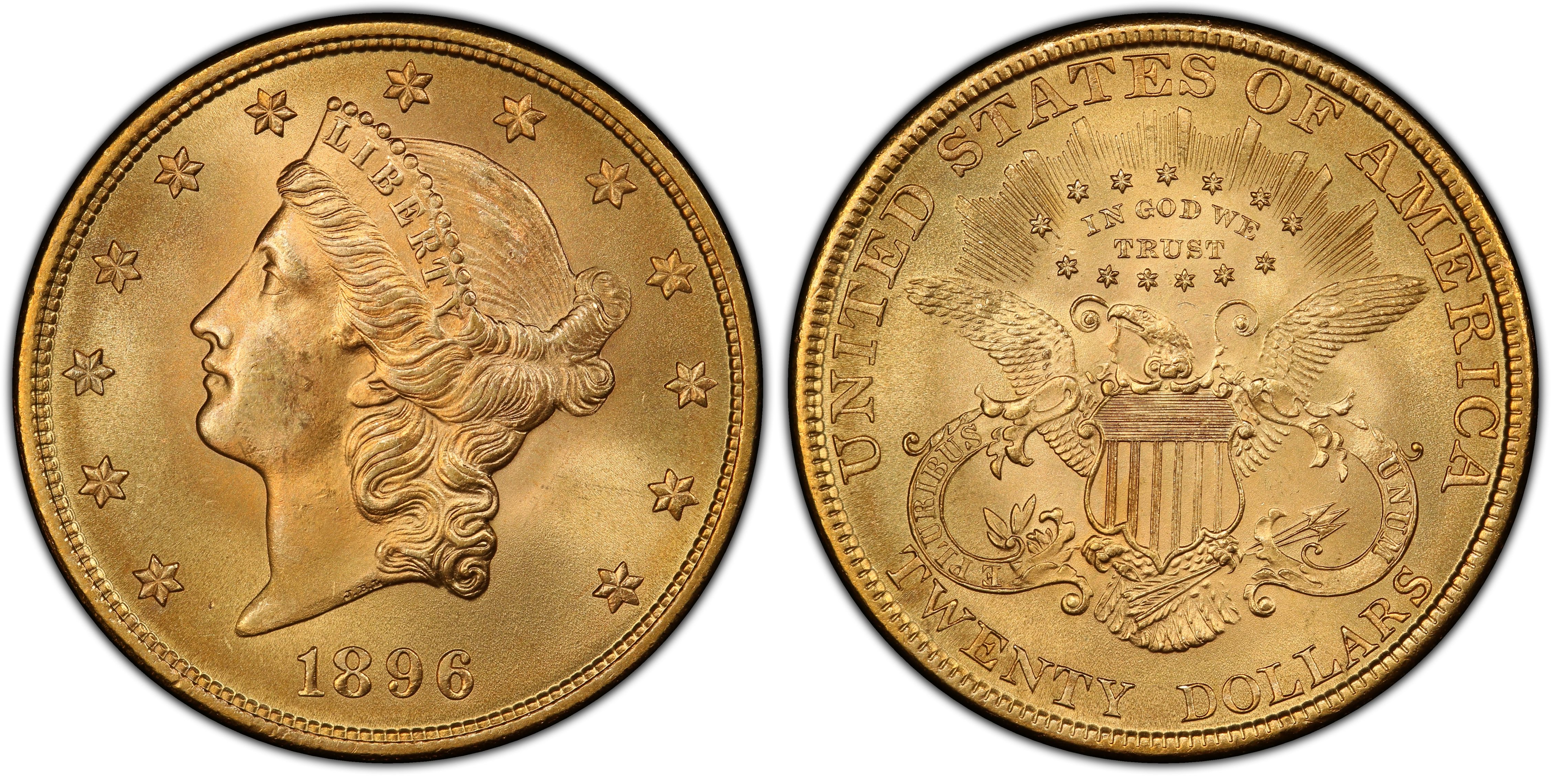

PCGS MS65+

PCGS MS65
- PCGS #:
- 9029
- Designer:
- James Barton Longacre
- Edge:
- Reeded
- Diameter:
- 34.00 millimeters
- Weight:
- 33.40 grams
- Mintage:
- 792,535
- Mint:
- Philadelphia
- Metal:
- 90% Gold, 10% Copper
- Auction Record:
- $23,000 • MS65 • 05-27-2008 • Goldberg Auctioneers
Go To Grade
Current Auctions - PCGS Graded
Current Auctions - NGC Graded
For Sale Now at Collectors Corner - PCGS Graded
For Sale Now at Collectors Corner - NGC Graded
Rarity and Survival Estimates Learn More
| Survival Estimate | |
|---|---|
| All Grades | 40,000 |
| 60 or Better | 9,500 |
| 65 or Better | 5 |
| Numismatic Rarity | |
|---|---|
| All Grades | R-2.6 |
| 60 or Better | R-3.1 |
| 65 or Better | R-9.7 |
| Relative Rarity By Type All Specs in this Type | |
|---|---|
| All Grades | 54 / 73 TIE |
| 60 or Better | 58 / 73 TIE |
| 65 or Better | 16 / 73 TIE |
| Relative Rarity By Series All Specs in this Series | |
|---|---|
| All Grades | 129 / 148 TIE |
| 60 or Better | 129 / 148 TIE |
| 65 or Better | 25 / 148 TIE |
Condition Census What Is This?
 #1 MS65 PCGS grade
|
| #1 MS65 PCGS grade |
| #1 MS65 PCGS grade |
| #1 MS65 PCGS grade |
| #1 MS65 PCGS grade |
| #1 MS65 PCGS grade |
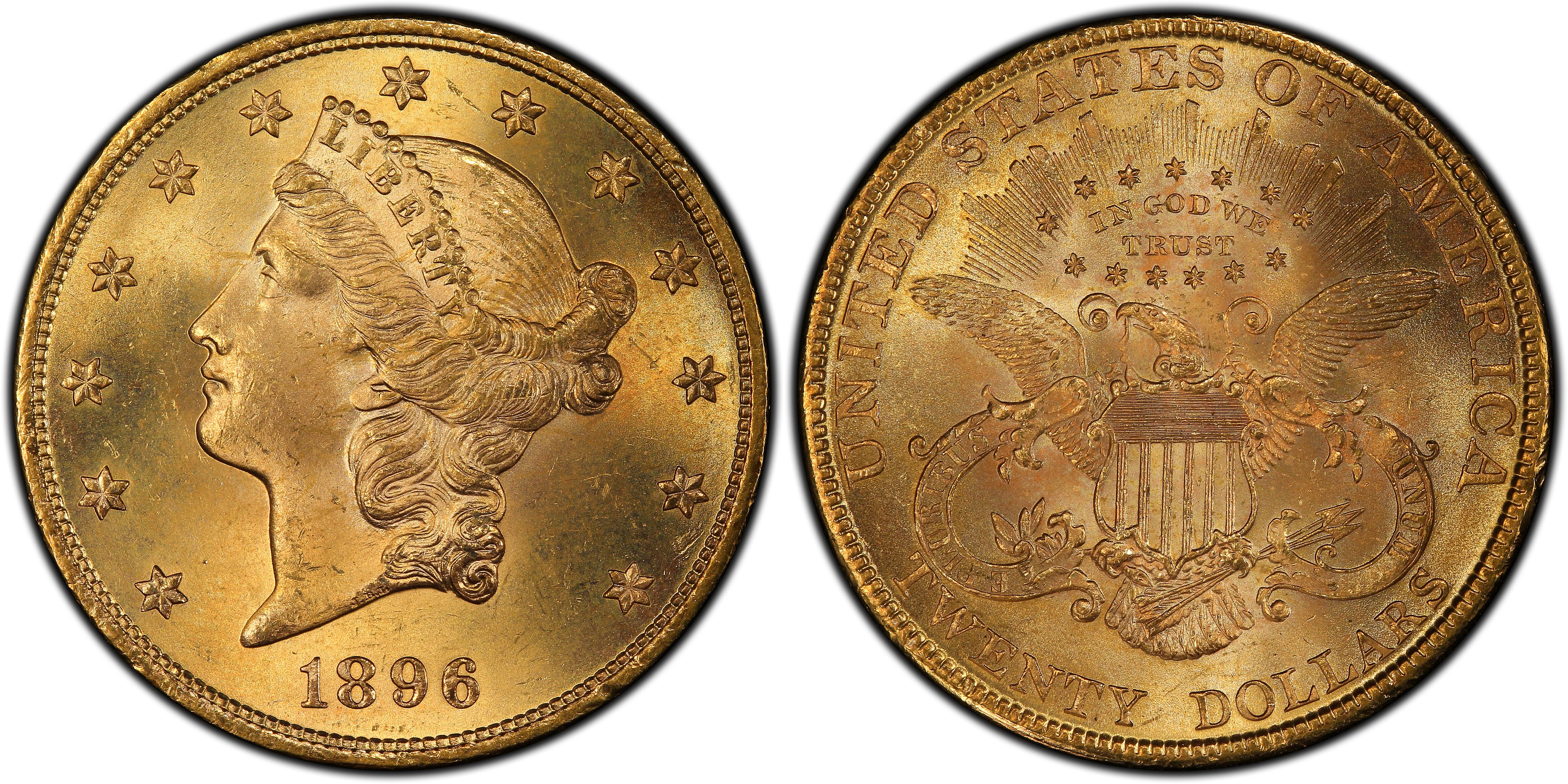 #7 MS64+ PCGS grade
|
| #7 MS64+ PCGS grade |
| #7 MS64+ PCGS grade |
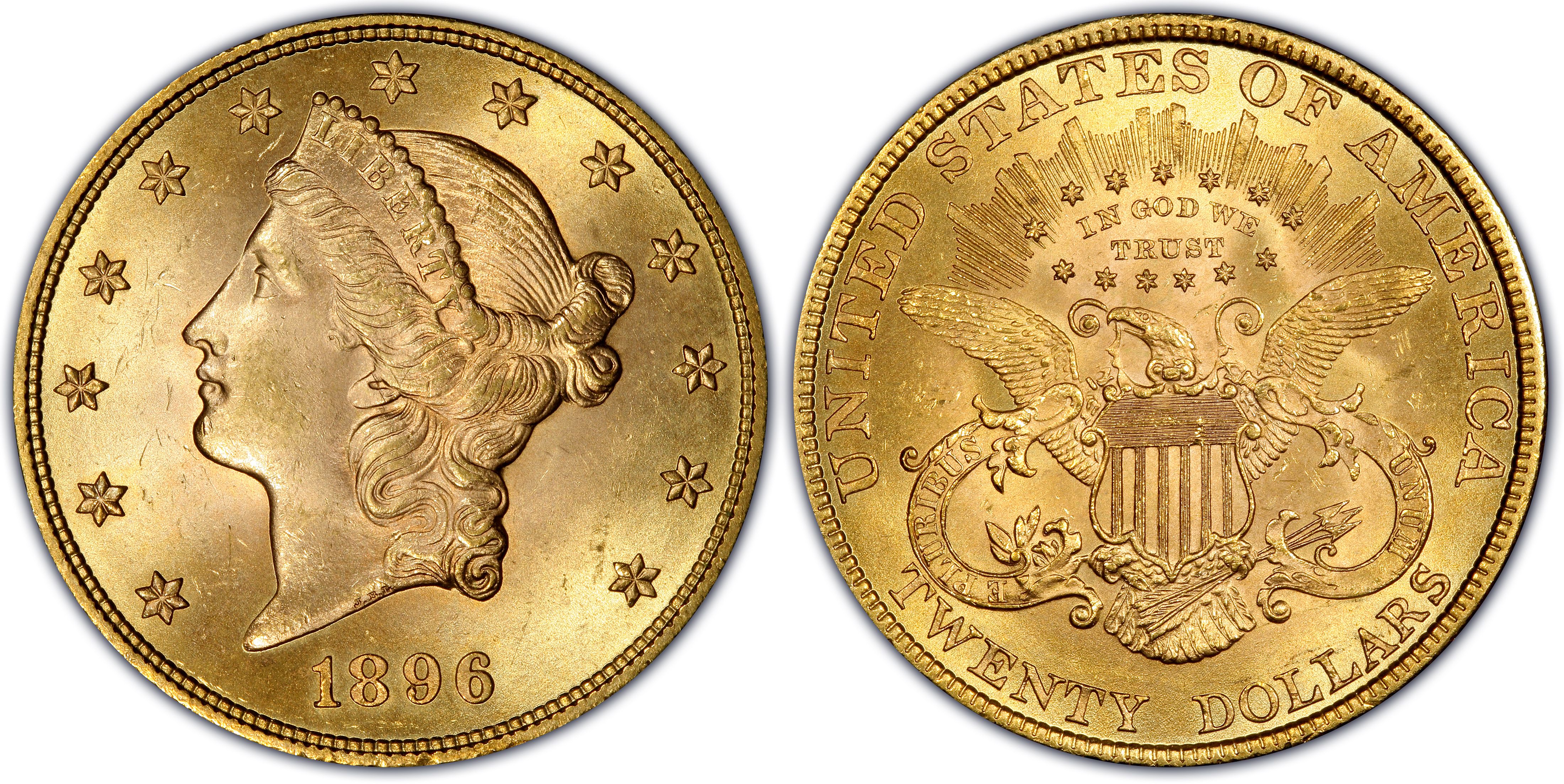 #10 MS64 PCGS grade
|
David Akers (1975/88):
Due to the fact that its mintage is lower than most of the dates after 1893, the 1896 is sometimes touted as being considerably more rare than it is. In truth, it is a pretty common coin, on a par with the 1894 and 1897. Any 1896 short of gem condition must be considered common and even gems are only scarce and not rare.