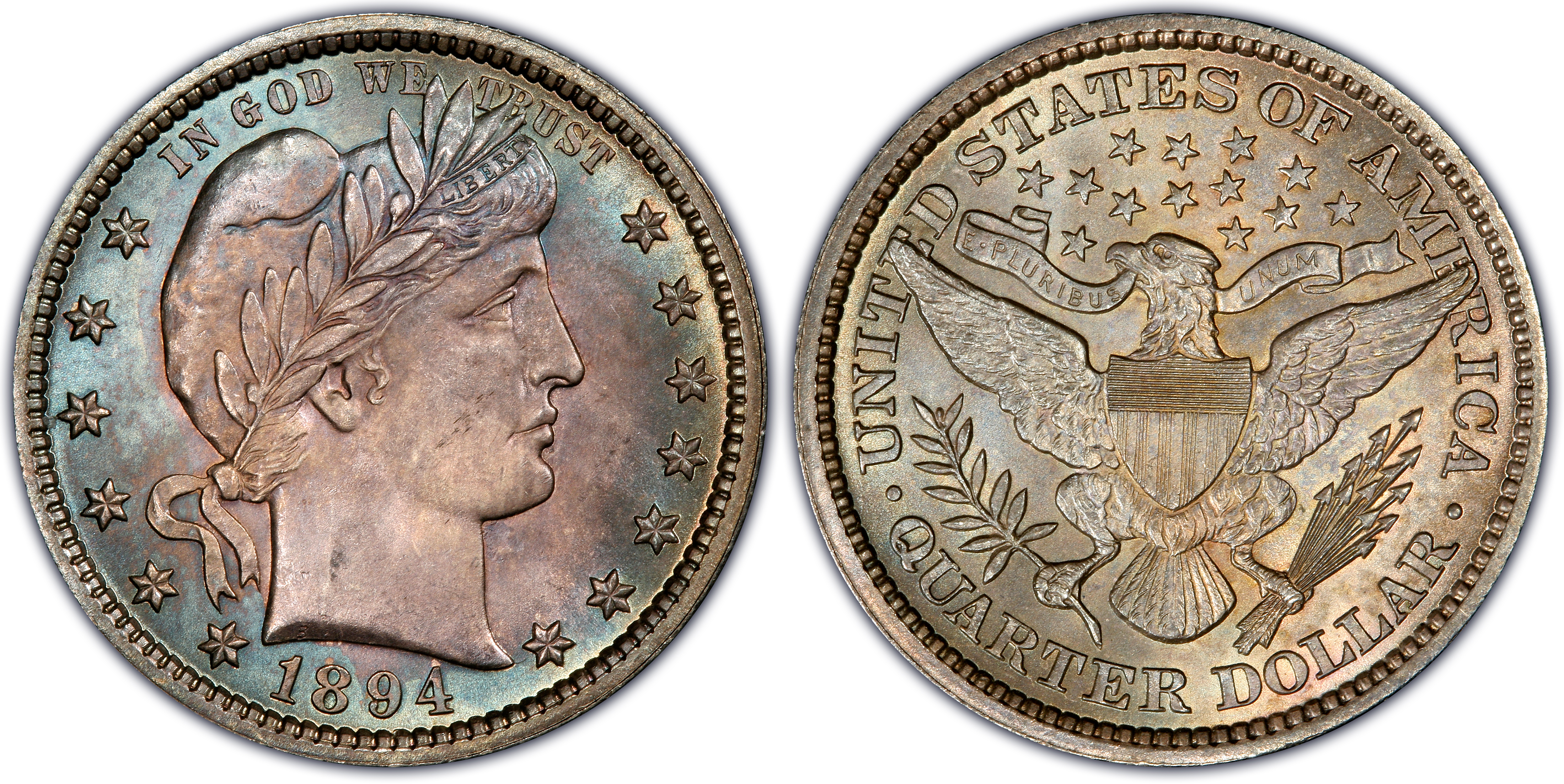

PCGS MS66+
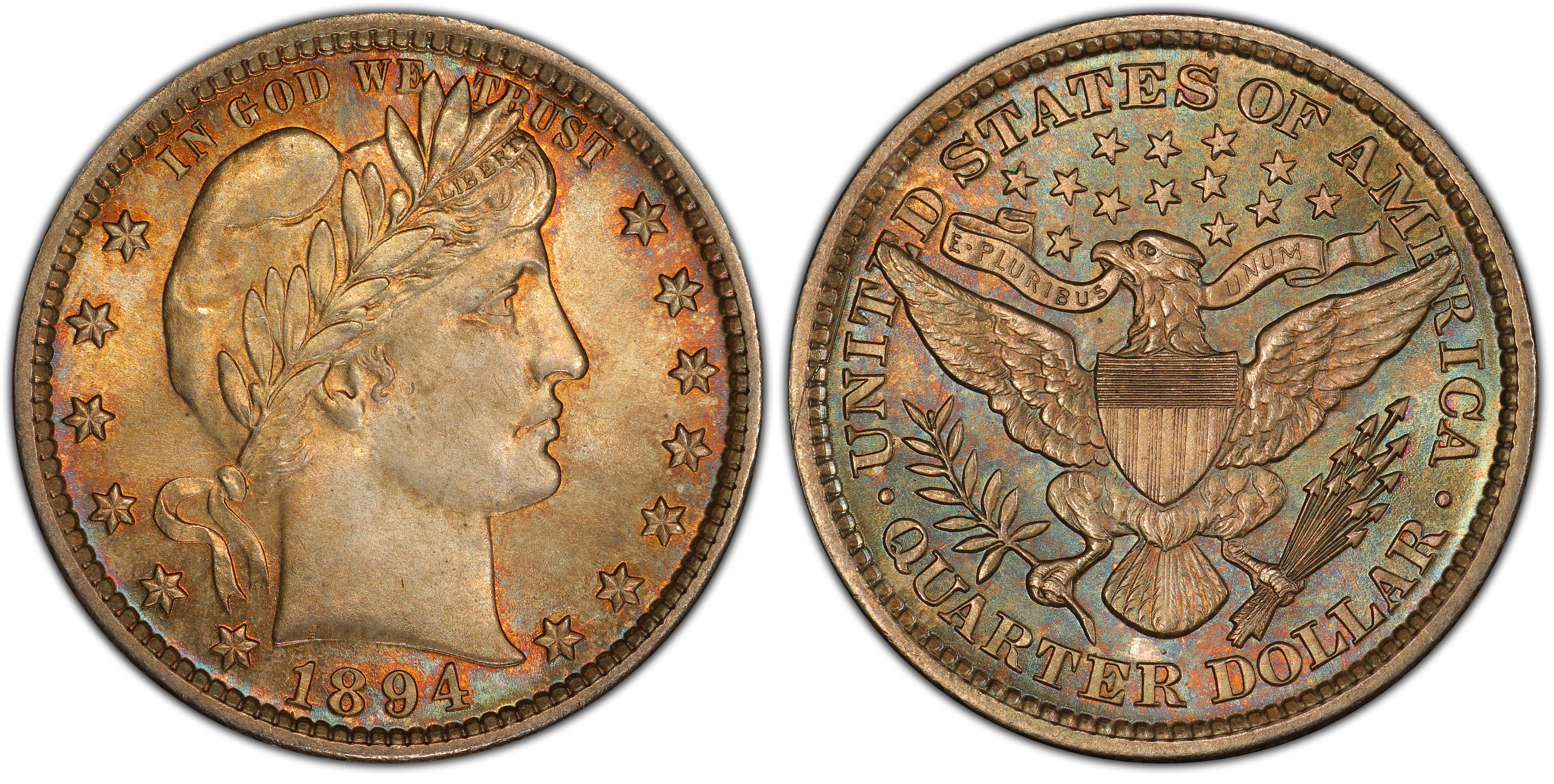
PCGS MS66+
- PCGS #:
- 5607
- Designer:
- Charles E. Barber
- Edge:
- Reeded
- Diameter:
- 24.30 millimeters
- Weight:
- 6.30 grams
- Mintage:
- 3,432,000
- Mint:
- Philadelphia
- Metal:
- 90% Silver, 10% Copper
- Auction Record:
- $7,050 • MS66+ • 12-12-2019 • Legend Rare Coin Auctions
Go To Grade
Current Auctions - PCGS Graded
Current Auctions - NGC Graded
For Sale Now at Collectors Corner - PCGS Graded
For Sale Now at Collectors Corner - NGC Graded
Rarity and Survival Estimates Learn More
| Survival Estimate | |
|---|---|
| All Grades | 6,000 |
| 60 or Better | 400 |
| 65 or Better | 60 |
| Numismatic Rarity | |
|---|---|
| All Grades | R-3.8 |
| 60 or Better | R-6.2 |
| 65 or Better | R-8.4 |
| Relative Rarity By Type All Specs in this Type | |
|---|---|
| All Grades | 41 / 74 TIE |
| 60 or Better | 39 / 74 TIE |
| 65 or Better | 35 / 74 TIE |
| Relative Rarity By Series All Specs in this Series | |
|---|---|
| All Grades | 41 / 74 TIE |
| 60 or Better | 39 / 74 TIE |
| 65 or Better | 35 / 74 TIE |
Condition Census What Is This?
| #1 MS67 PCGS grade |
 #2 MS66 PCGS grade
|
 #2 MS66 PCGS grade
|
| #2 MS66 PCGS grade |
| #2 MS66 PCGS grade |
| #2 MS66 PCGS grade |
| #2 MS66 PCGS grade |
| #2 MS66 PCGS grade |
| #2 MS66 PCGS grade |
| #2 MS66 PCGS grade |
Jaime Hernandez:
The 1894 Barber Quarter is one of the more common dates in the series, as many examples were struck for this date. In uncirculated condition they are scarce in all grades. Especially in MS65 condition or higher. MS66 examples are even harder to find. Anything grading higher than MS66 is very rare.