
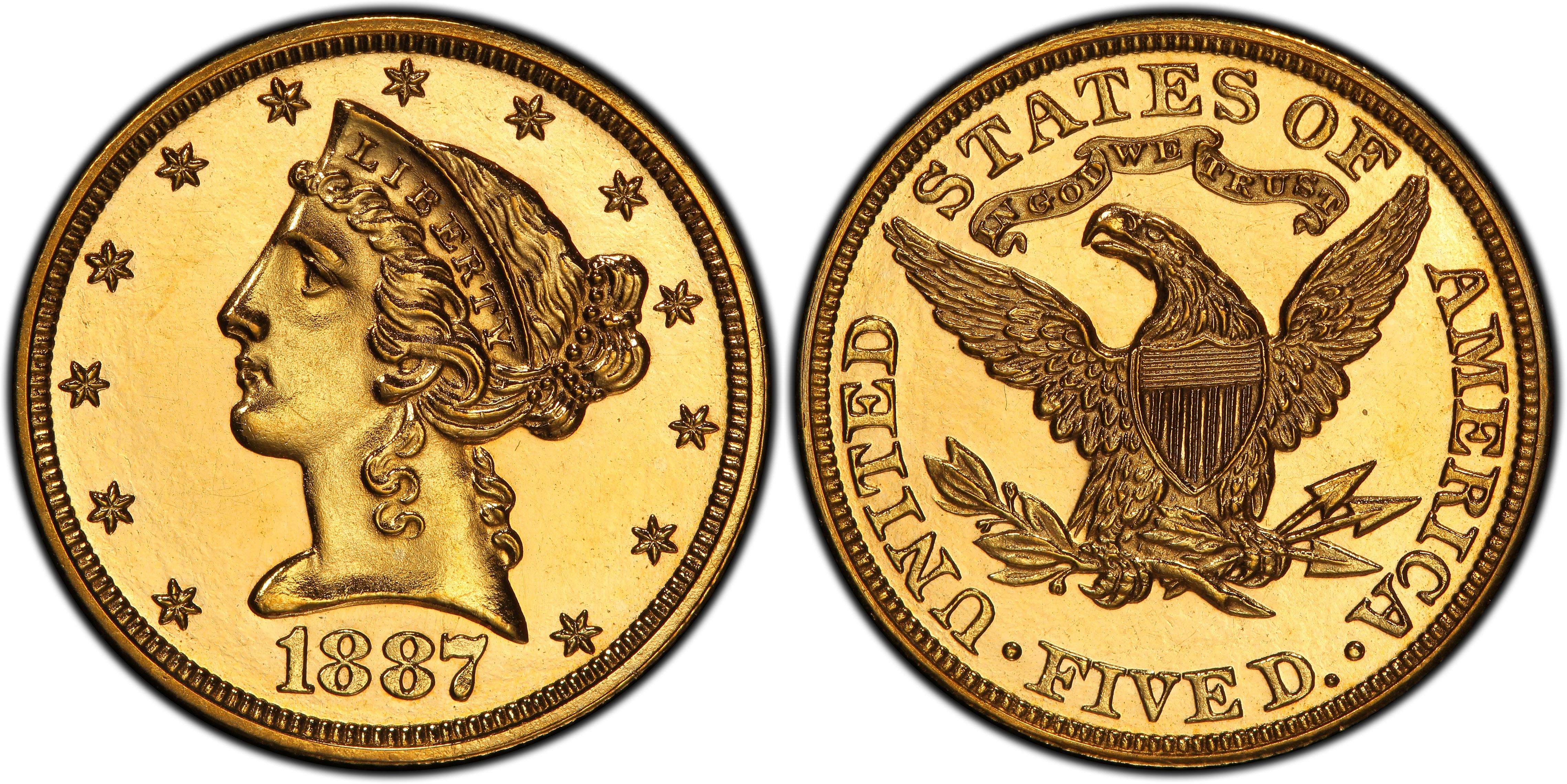
PCGS PR63
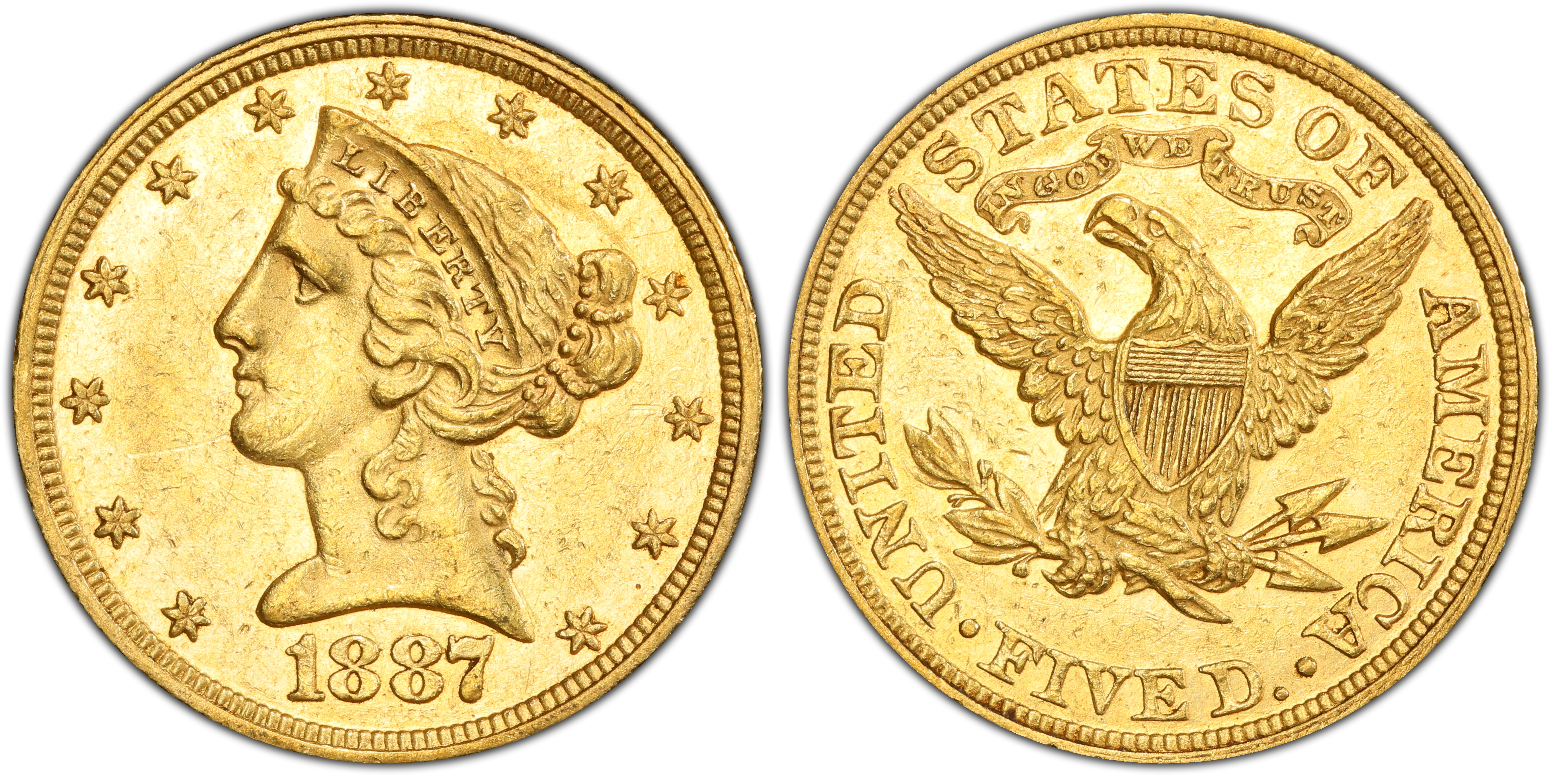
PCGS PR55
- PCGS #:
- 8482
- Designer:
- Christian Gobrecht
- Edge:
- Reeded
- Diameter:
- 21.65 millimeters
- Weight:
- 8.36 grams
- Mintage:
- 87
- Mint:
- Philadelphia
- Metal:
- 90% Gold, 10% Copper
- Auction Record:
- $99,875 • PR65 • 10-18-2012 • Heritage Auctions
Go To Grade
Current Auctions - PCGS Graded
Current Auctions - NGC Graded
For Sale Now at Collectors Corner - PCGS Graded
For Sale Now at Collectors Corner - NGC Graded
Rarity and Survival Estimates Learn More
| Survival Estimate | |
|---|---|
| All Grades | 45 |
| 60 or Better | 35 |
| 65 or Better | 8 |
| Numismatic Rarity | |
|---|---|
| All Grades | R-8.6 |
| 60 or Better | R-8.8 |
| 65 or Better | R-9.6 |
| Relative Rarity By Type All Specs in this Type | |
|---|---|
| All Grades | 25 / 42 |
| 60 or Better | 22 / 42 TIE |
| 65 or Better | 21 / 42 TIE |
| Relative Rarity By Series All Specs in this Series | |
|---|---|
| All Grades | 43 / 60 |
| 60 or Better | 40 / 60 TIE |
| 65 or Better | 30 / 60 TIE |
Condition Census What Is This?
| #1 PR64 PCGS grade |
| #1 PR64 PCGS grade |
|
#3 PR63 PCGS grade
Heritage 1/2015:4299, $39,950 |
| #3 PR63 estimated grade |
| #5 PR60 PCGS grade |
| #6 PR58 PCGS grade |
| #6 PR58 estimated grade |
| #8 PR55 PCGS grade |
| #8 PR55 PCGS grade |
| #8 PR55 PCGS grade |
David Akers:
The 1887 is the only date in the Half Eagle series that was struck only in proof. Compared to other proofs, it is one of the most common prior to 1900 and it is certainly more common than any of the proofs preceding it. However, since the date is only available in proof, the 1887 has reached a price level exceeding that of any date after 1859 except the 1875. Out of the original 87 proofs, perhaps as many as 30-35 still exist but most of the ones I have seen have not been particularly choice. In fact, I would say that gem quality specimens are extremely rare.