

PCGS MS66BN
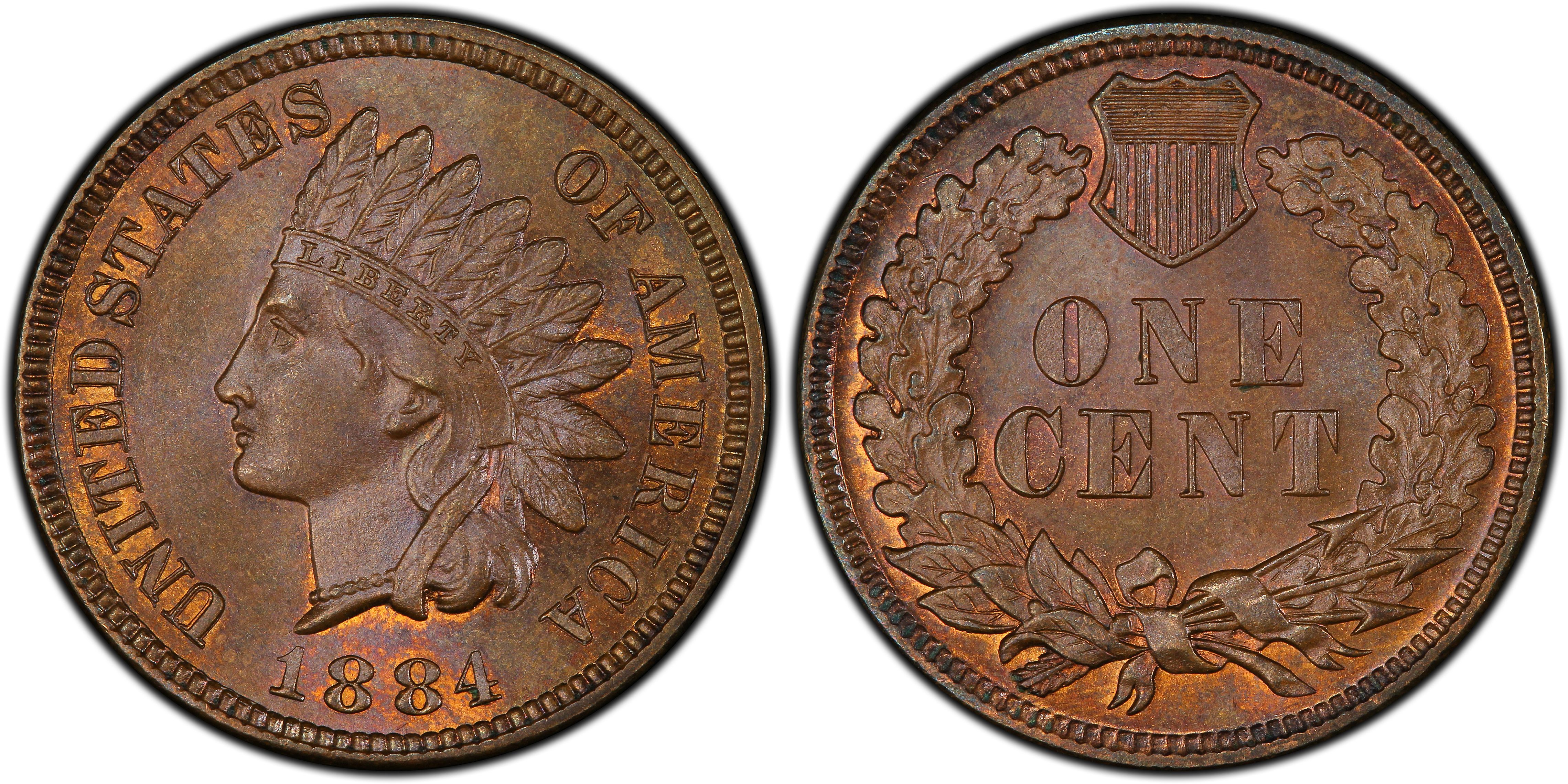
PCGS MS66BN
- PCGS #:
- 2148
- Designer:
- James Barton Longacre
- Edge:
- Plain
- Diameter:
- 19.00 millimeters
- Weight:
- 3.11 grams
- Mintage:
- 23,257,800
- Mint:
- Philadelphia
- Metal:
- 95% Copper, 5% Tin and Zinc
- Auction Record:
- $2,115 • MS66 • 09-25-2013 • Heritage Auctions
Go To Grade
Current Auctions - PCGS Graded
Current Auctions - NGC Graded
For Sale Now at Collectors Corner - PCGS Graded
For Sale Now at Collectors Corner - NGC Graded
Rarity and Survival Estimates Learn More
| Survival Estimate | |
|---|---|
| All Grades | 4,000 |
| 60 or Better | 200 |
| 65 or Better | 30 |
| Numismatic Rarity | |
|---|---|
| All Grades | R-4.2 |
| 60 or Better | R-7.0 |
| 65 or Better | R-8.9 |
| Relative Rarity By Type All Specs in this Type | |
|---|---|
| All Grades | 13 / 55 TIE |
| 60 or Better | 33 / 55 TIE |
| 65 or Better | 45 / 55 TIE |
| Relative Rarity By Series All Specs in this Series | |
|---|---|
| All Grades | 13 / 55 TIE |
| 60 or Better | 33 / 55 TIE |
| 65 or Better | 45 / 55 TIE |
Condition Census What Is This?
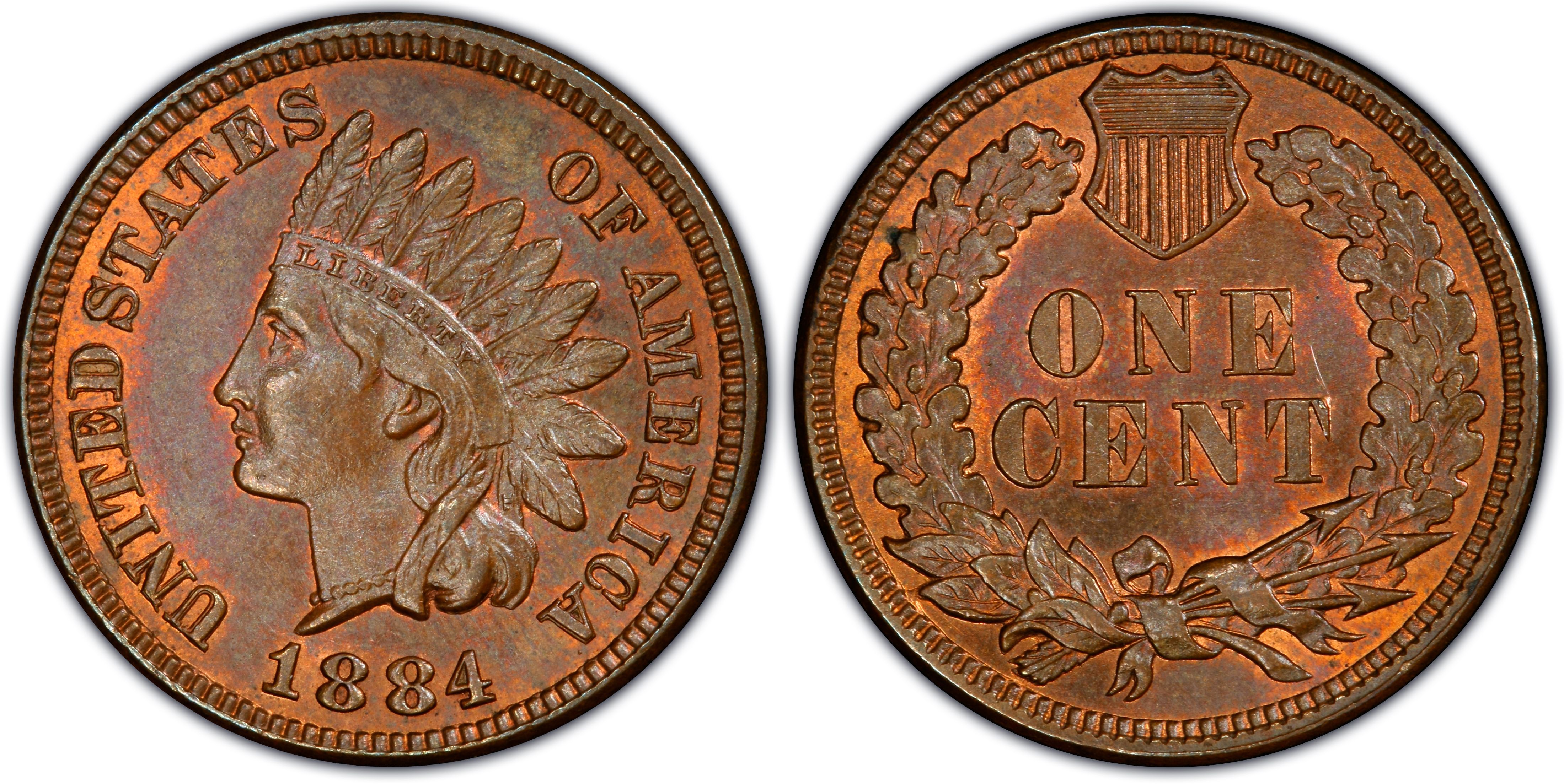 #1 MS65BN PCGS grade
|
| #1 MS65BN PCGS grade |
| #1 MS65BN PCGS grade |
| #1 MS65BN PCGS grade |
| #1 MS65BN PCGS grade |
| #1 MS65BN PCGS grade |
| #1 MS65BN PCGS grade |
| #1 MS65BN PCGS grade |
| #1 MS65BN PCGS grade |
| #1 MS65BN PCGS grade |
Jaime Hernandez:
The 1884 Indian Cent is a considered a common issue in the Indian Cent series as it has a high mintage. Circulated examples are very inexpensive that most collectors can afford one. In Uncirculated condition it is scarce in MS64 and MS65 condition, especially in Red condition. In MS66 it is very scarce with a few dozen examples known more or less. In MS67 condition it is rare with less than 10 or so known.