
PCGS MS65

PCGS MS65
- PCGS #:
- 8005
- Designer:
- James Barton Longacre
- Edge:
- Reeded
- Diameter:
- 20.50 millimeters
- Weight:
- 5.02 grams
- Mintage:
- 900
- Mint:
- Philadelphia
- Metal:
- 90% Gold, 10% Copper
- Auction Record:
- $34,500 • MS66 • 06-28-2007 • Bowers & Merena
Go To Grade
Current Auctions - PCGS Graded
Current Auctions - NGC Graded
For Sale Now at Collectors Corner - PCGS Graded
For Sale Now at Collectors Corner - NGC Graded
Rarity and Survival Estimates Learn More
| Survival Estimate | |
|---|---|
| All Grades | 650 |
| 60 or Better | 175 |
| 65 or Better | 10 |
| Numismatic Rarity | |
|---|---|
| All Grades | R-5.7 |
| 60 or Better | R-7.2 |
| 65 or Better | R-9.5 |
| Relative Rarity By Type All Specs in this Type | |
|---|---|
| All Grades | 19 / 41 TIE |
| 60 or Better | 28 / 41 |
| 65 or Better | 16 / 41 TIE |
| Relative Rarity By Series All Specs in this Series | |
|---|---|
| All Grades | 19 / 41 TIE |
| 60 or Better | 28 / 41 |
| 65 or Better | 16 / 41 TIE |
Condition Census What Is This?
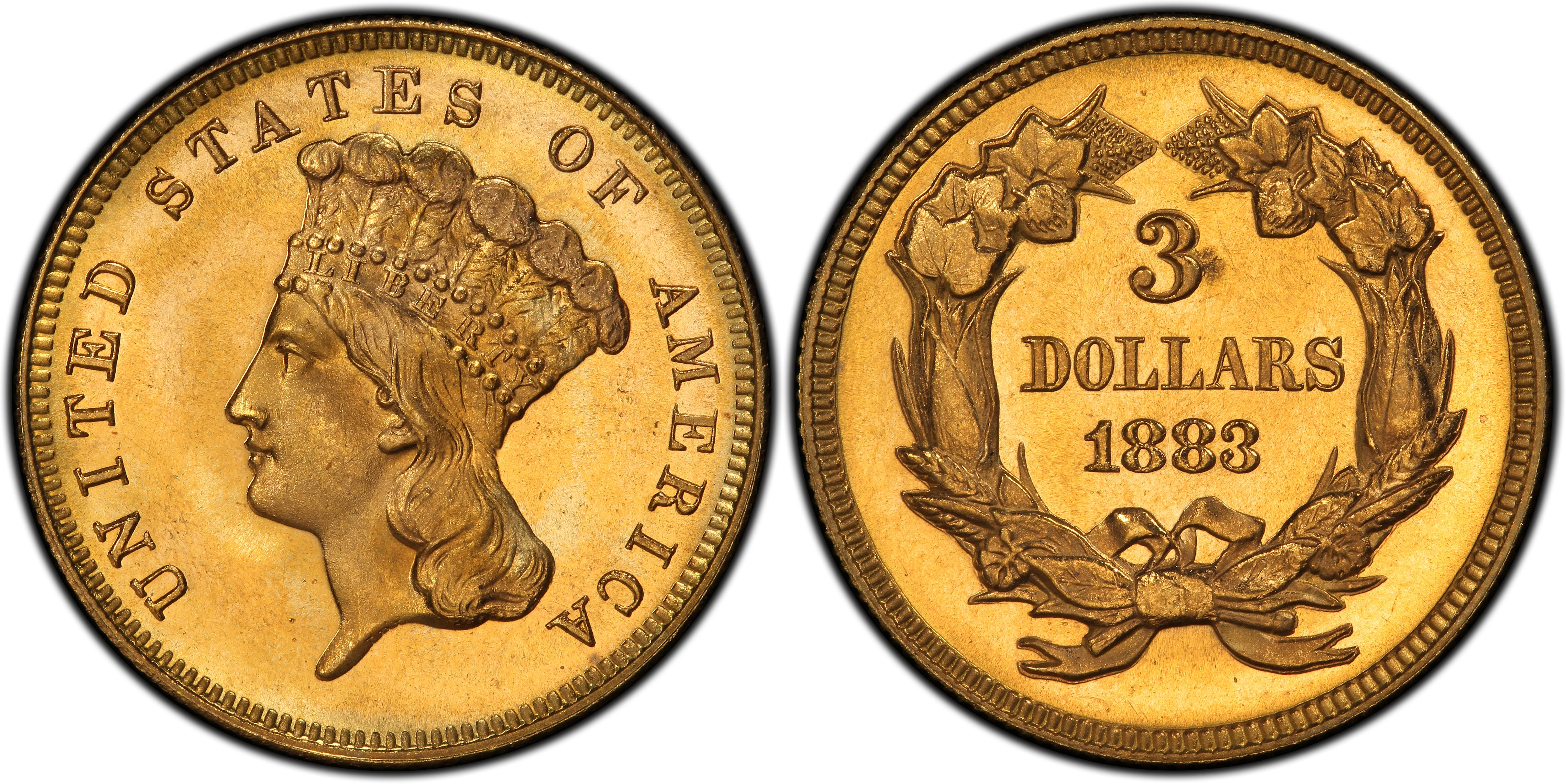 #1 MS66+ PCGS grade
|
| #2 MS66 PCGS grade |
| #3 MS65 PCGS grade |
| #3 MS65 PCGS grade |
| #3 MS65 PCGS grade |
| #3 MS65 PCGS grade |
| #3 MS65 PCGS grade |
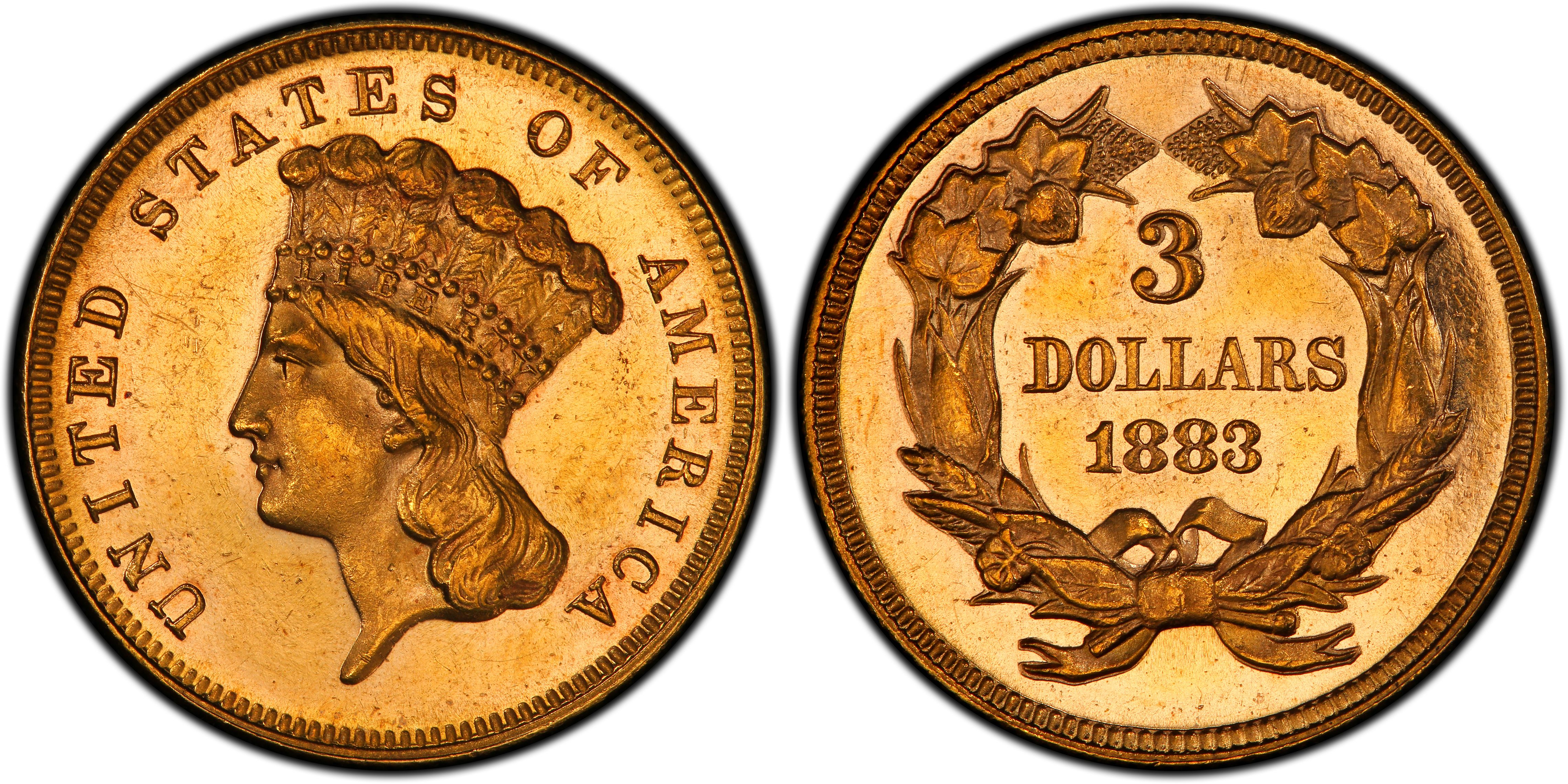 #8 MS64 PCGS grade
|
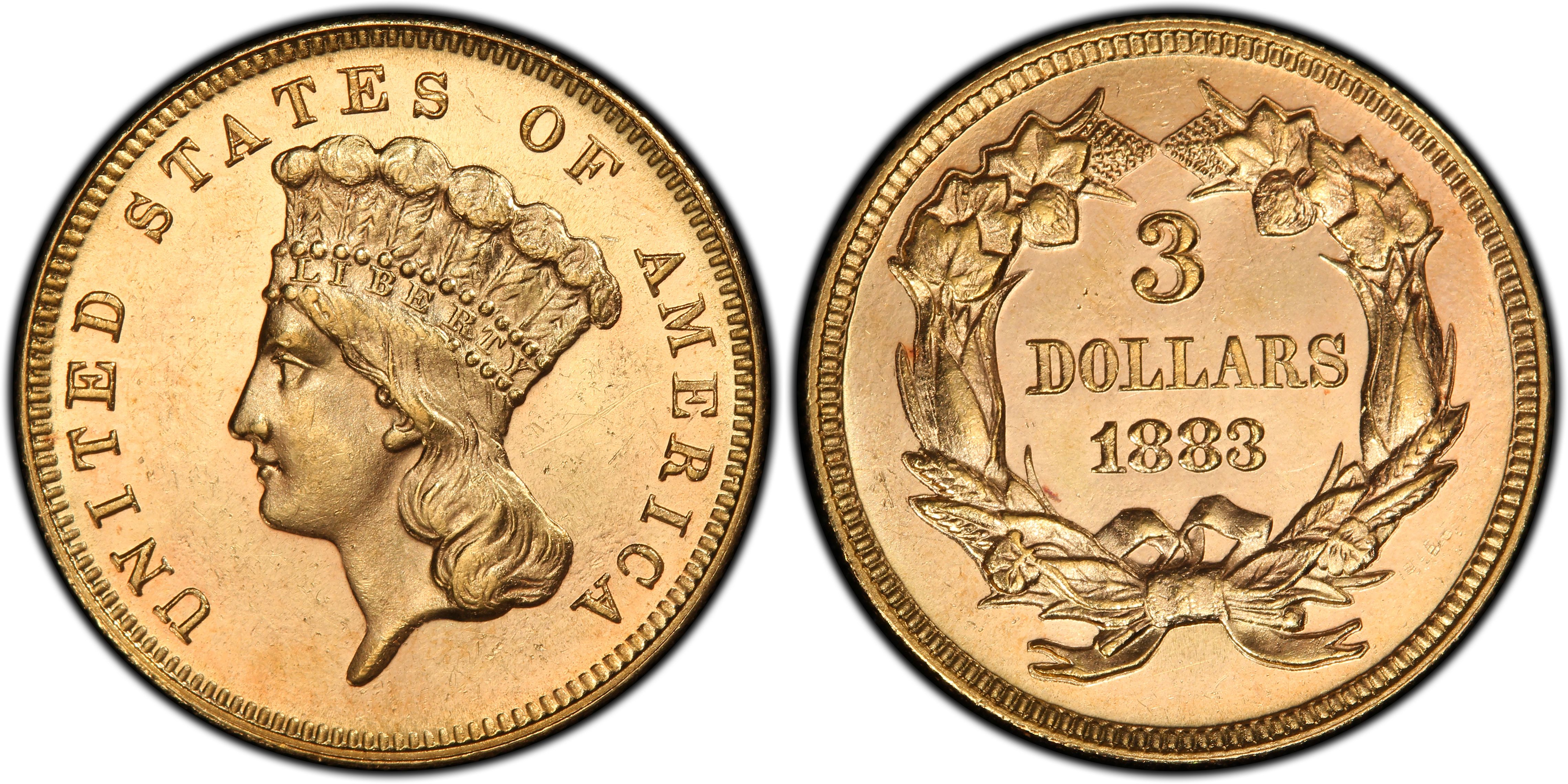 #8 MS64 PCGS grade
|
| #8 MS64 PCGS grade |
David Akers (1975/88):
This date is one of only three in the series that has an official mintage of less than 1,000 business strikes. Despite this fact, the 1883 ranked only 30th overall in rarity by number of appearances in our 238 catalogue auction survey and just 32nd in rarity by average grade. Gem MS-65 or better examples of this date are extremely rare and very few of the uncirculated pieces that I have seen have been particularly choice.