
PCGS MS64
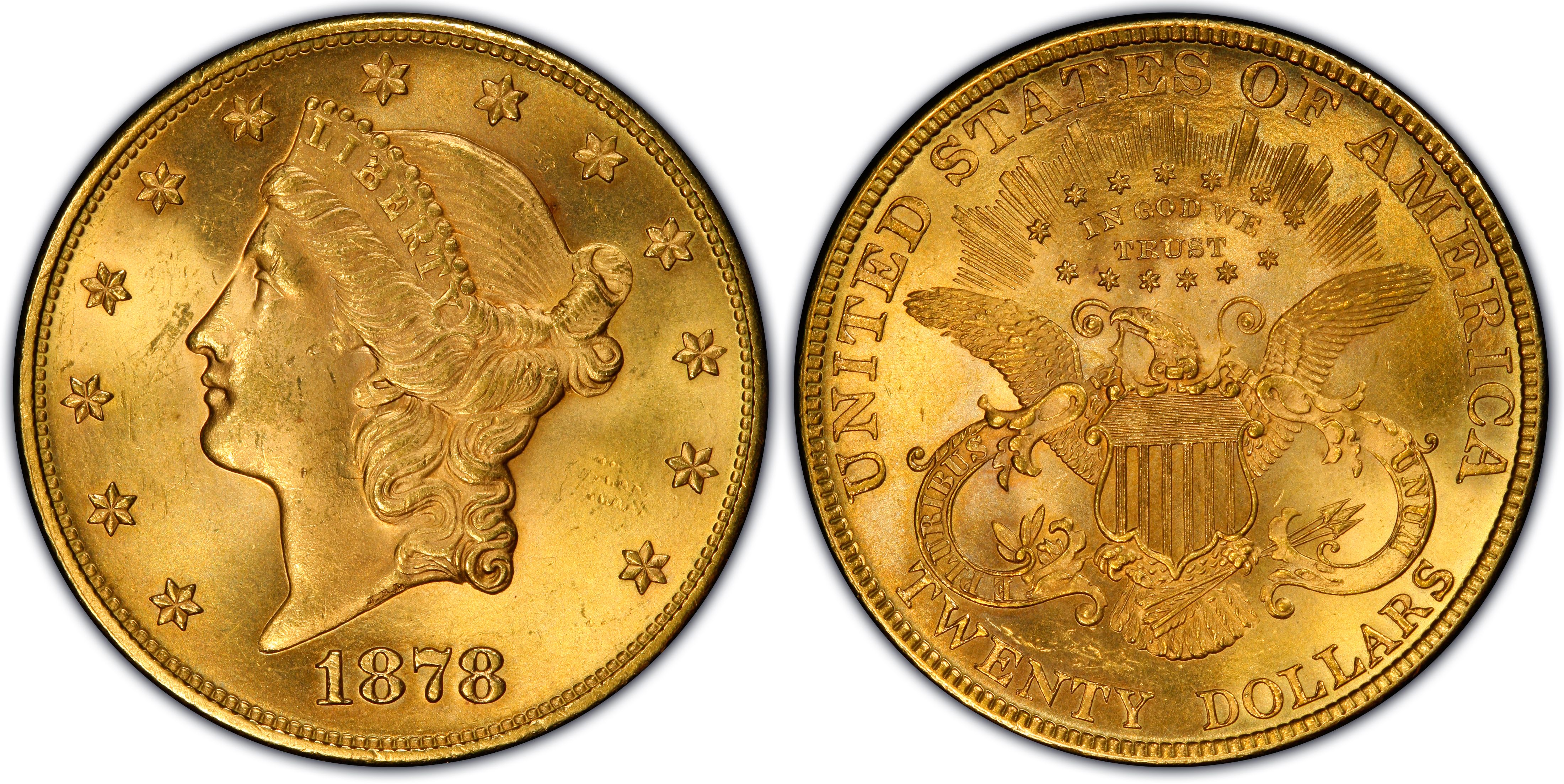
PCGS MS64
- PCGS #:
- 8985
- Designer:
- James Barton Longacre
- Edge:
- Reeded
- Diameter:
- 34.00 millimeters
- Weight:
- 33.40 grams
- Mintage:
- 543,625
- Mint:
- Philadelphia
- Metal:
- 90% Gold, 10% Copper
- Auction Record:
- $52,800 • MS64 • 03-21-2018 • Stack's Bowers
Go To Grade
Current Auctions - PCGS Graded
Current Auctions - NGC Graded
For Sale Now at Collectors Corner - PCGS Graded
For Sale Now at Collectors Corner - NGC Graded
Rarity and Survival Estimates Learn More
| Survival Estimate | |
|---|---|
| All Grades | 6,575 |
| 60 or Better | 725 |
| 65 or Better | |
| Numismatic Rarity | |
|---|---|
| All Grades | R-3.6 |
| 60 or Better | R-5.5 |
| 65 or Better | R-10.1 |
| Relative Rarity By Type All Specs in this Type | |
|---|---|
| All Grades | 34 / 73 |
| 60 or Better | 28 / 73 |
| 65 or Better | 1 / 73 |
| Relative Rarity By Series All Specs in this Series | |
|---|---|
| All Grades | 104 / 148 |
| 60 or Better | 93 / 148 |
| 65 or Better | 1 / 148 |
Condition Census What Is This?
|
#1 MS64 PCGS grade
Heritage 12/2010:4643, $23,000 |
|
#1 MS64 PCGS grade
Legend Rare Coin Auctions 7/2017:501, $37,600 |
 #1 MS64 PCGS grade
|
| #1 MS64 PCGS grade |
| #1 MS64 PCGS grade |
| #1 MS64 PCGS grade |
| #1 MS64 PCGS grade |
| #1 MS64 PCGS grade |
 #9 MS63+ PCGS grade
|
| #9 MS63+ PCGS grade |
David Akers (1975/88):
Despite its substantially higher mintage, the 1878 is essentially identical with respect to both overall rarity and condition rarity to the 1877. It is also very similar in overall rarity to the 1854 and 1860 although it is not quite as rare as either, especially the 1854, in full mint state. The 1878 is not deserving of "common date" status. Choice and gem uncirculated examples do exist but they are surprisingly rare.