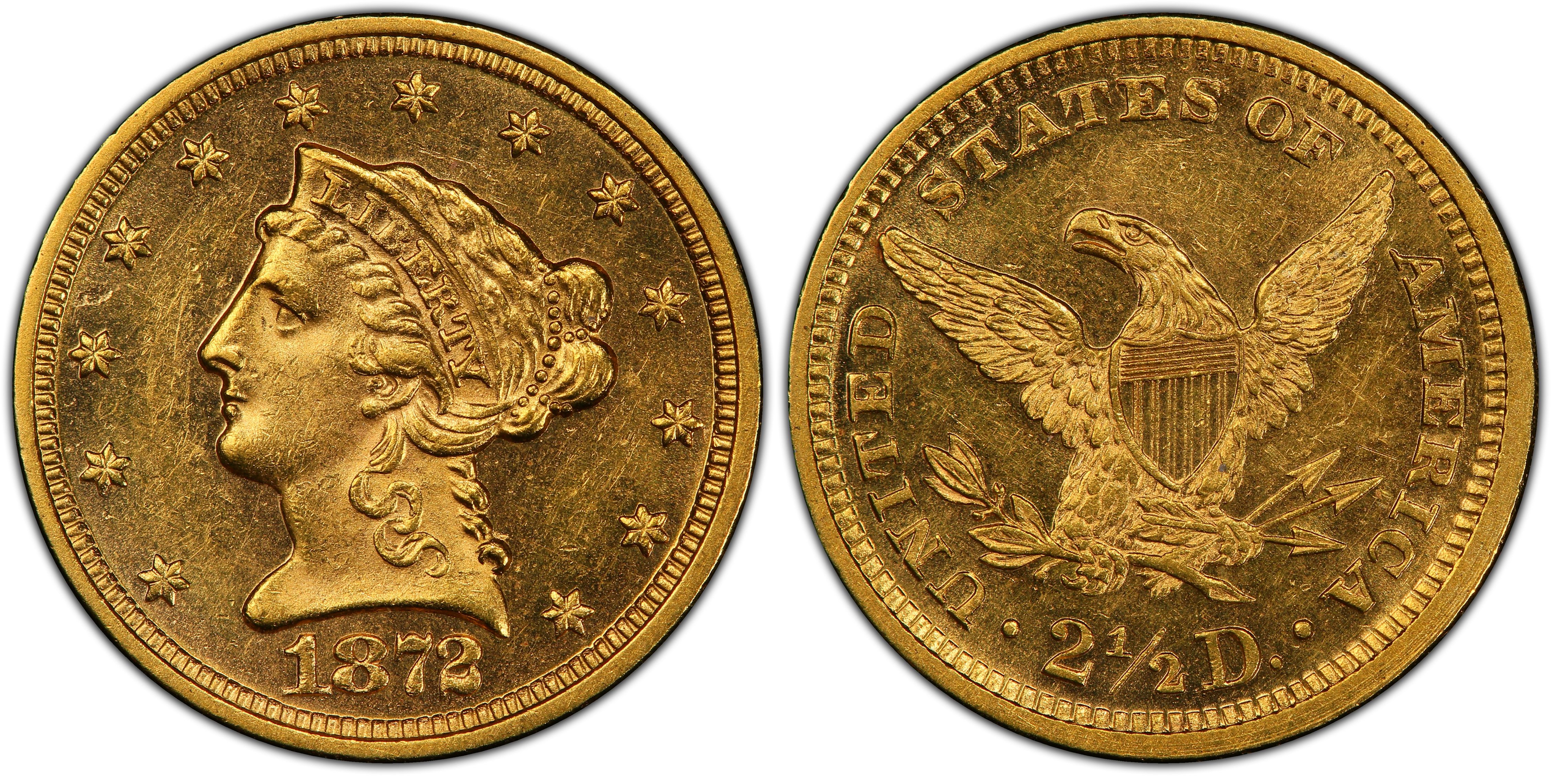

PCGS MS61
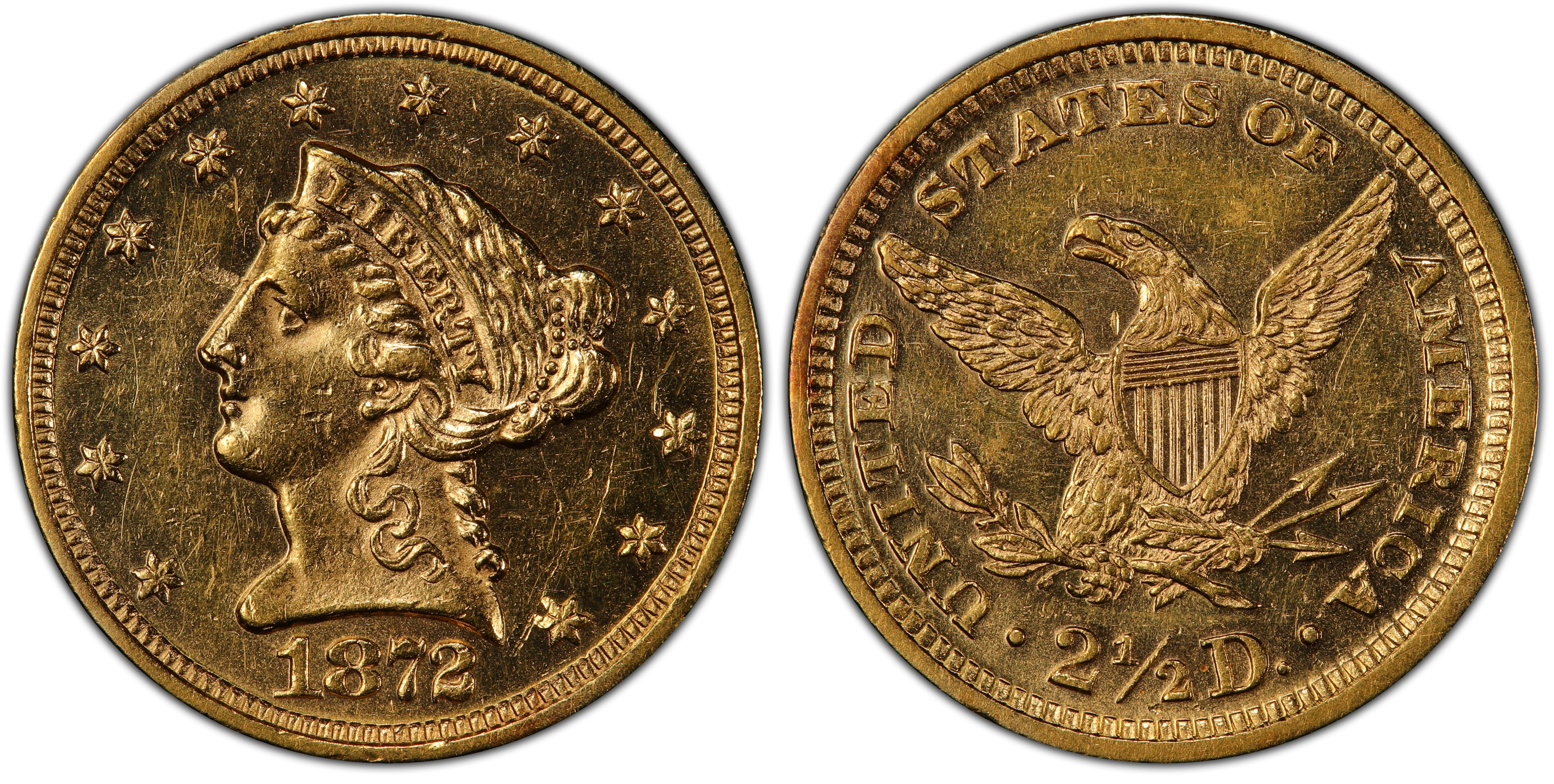
PCGS MS61
- PCGS #:
- 7815
- Designer:
- Christian Gobrecht
- Edge:
- Reeded
- Diameter:
- 18.00 millimeters
- Weight:
- 4.18 grams
- Mintage:
- 3,000
- Mint:
- Philadelphia
- Metal:
- 90% Gold, 10% Copper
- Auction Record:
- $14,250 • MS62 • 08-26-2018 • David Lawrence RC
Go To Grade
Current Auctions - PCGS Graded
Current Auctions - NGC Graded
For Sale Now at Collectors Corner - PCGS Graded
For Sale Now at Collectors Corner - NGC Graded
Rarity and Survival Estimates Learn More
| Survival Estimate | |
|---|---|
| All Grades | 70 |
| 60 or Better | 4 |
| 65 or Better | |
| Numismatic Rarity | |
|---|---|
| All Grades | R-8.3 |
| 60 or Better | R-9.8 |
| 65 or Better | R-10.1 |
| Relative Rarity By Type All Specs in this Type | |
|---|---|
| All Grades | 15 / 147 TIE |
| 60 or Better | 5 / 147 TIE |
| 65 or Better | 1 / 147 |
| Relative Rarity By Series All Specs in this Series | |
|---|---|
| All Grades | 15 / 147 TIE |
| 60 or Better | 5 / 147 TIE |
| 65 or Better | 1 / 147 |
Condition Census What Is This?
| #1 MS64 PCGS grade |
| #2 MS62 PCGS grade |
| #2 MS62 estimated grade |
| #2 MS62 estimated grade |
| #2 MS62 estimated grade |
| #6 MS61 PCGS grade |
| #7 AU58 PCGS grade |
| #7 AU58 PCGS grade |
| #7 AU58 PCGS grade |
| #7 AU58 PCGS grade |
David Akers (1975/88):
In the first volume of my series of books on U.S. gold coins I remarked that the 1872 gold dollar was one of my favorite date in the series. The 1872 quarter eagle is also a favorite of mine, particularly in uncirculated condition, and I have seen fewer Uncs. of this date than I have proofs, although proofs are obviously also very rare. Actually, the 1872 is rare in all grades and is substantially undervalued in any condition.