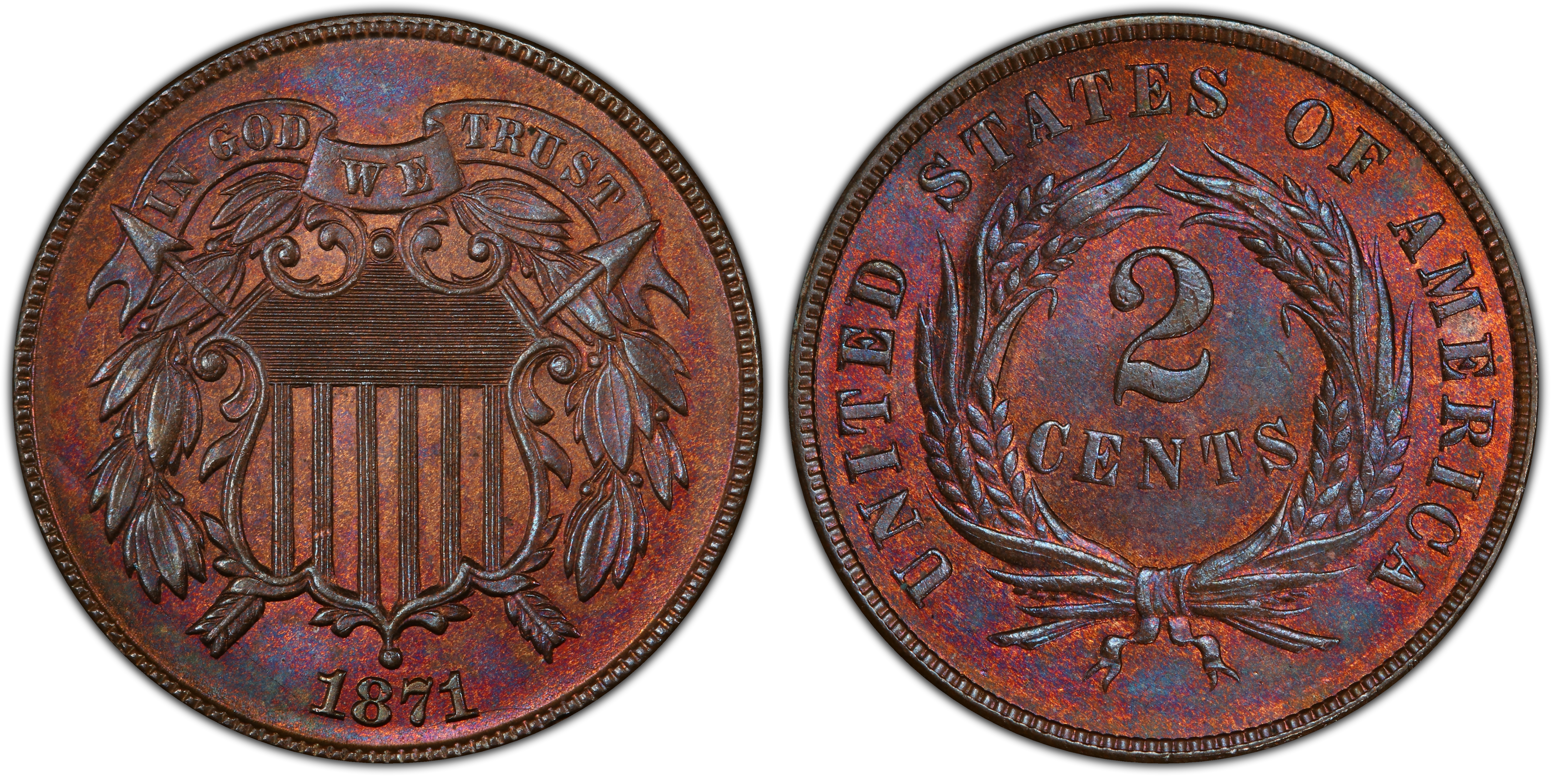
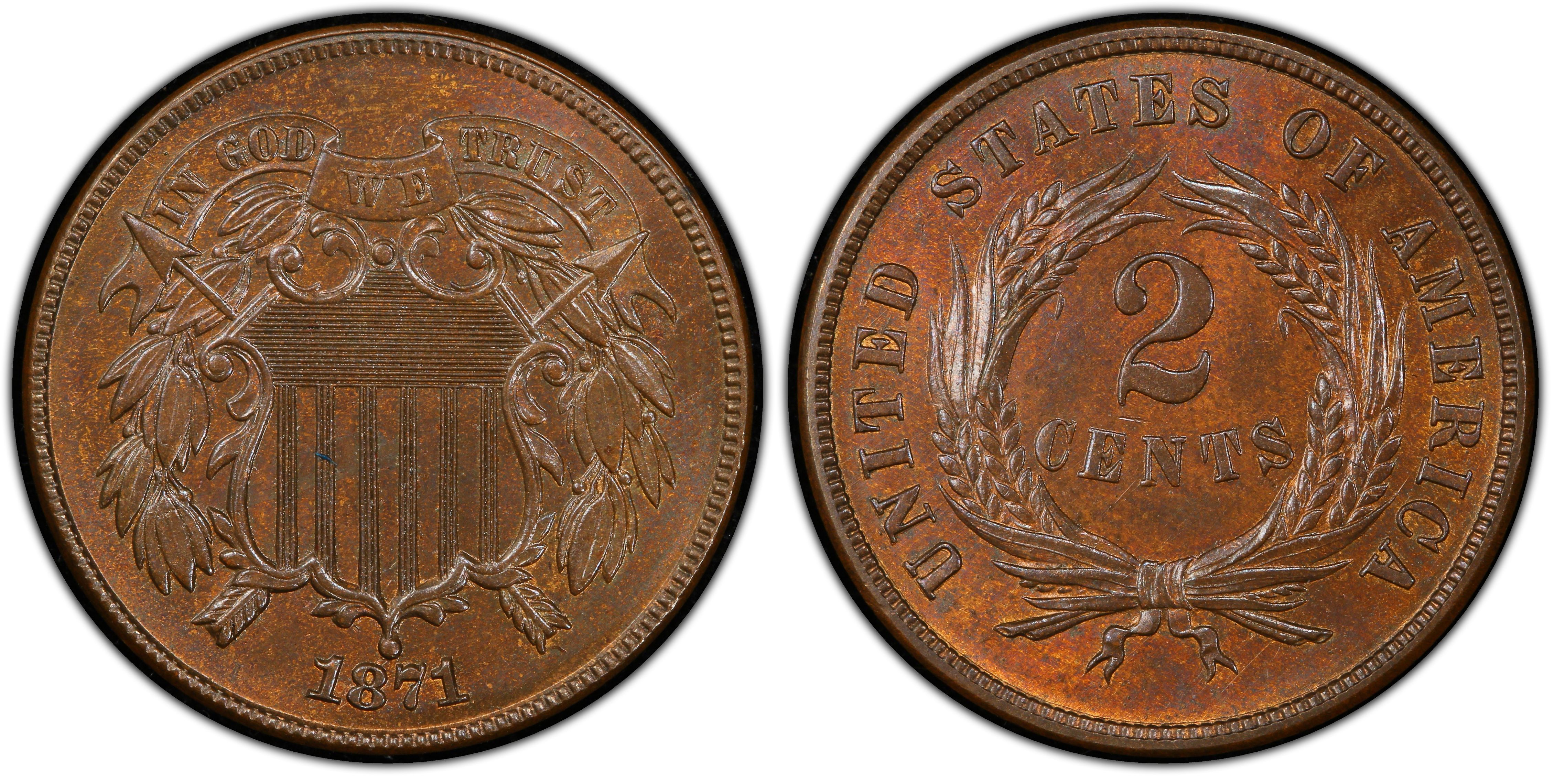
PCGS MS66BN

PCGS MS66BN
- PCGS #:
- 3609
- Designer:
- James Barton Longacre
- Edge:
- Plain
- Diameter:
- 23.00 millimeters
- Weight:
- 6.22 grams
- Mintage:
- 721,250
- Mint:
- Philadelphia
- Metal:
- Bronze
- Auction Record:
- $10,350 • AU • 07-25-2003 • American Numismatic Rarities
Go To Grade
Current Auctions - PCGS Graded
Current Auctions - NGC Graded
For Sale Now at Collectors Corner - PCGS Graded
For Sale Now at Collectors Corner - NGC Graded
Rarity and Survival Estimates Learn More
| Survival Estimate | |
|---|---|
| All Grades | 3,000 |
| 60 or Better | 1,250 |
| 65 or Better | 20 |
| Numismatic Rarity | |
|---|---|
| All Grades | R-4.4 |
| 60 or Better | R-4.9 |
| 65 or Better | R-9.1 |
| Relative Rarity By Type All Specs in this Type | |
|---|---|
| All Grades | 5 / 11 TIE |
| 60 or Better | 9 / 11 |
| 65 or Better | 3 / 11 TIE |
| Relative Rarity By Series All Specs in this Series | |
|---|---|
| All Grades | 5 / 11 TIE |
| 60 or Better | 9 / 11 |
| 65 or Better | 3 / 11 TIE |
Condition Census What Is This?
 #1 MS65+BN PCGS grade
|
| #2 MS65BN PCGS grade |
| #2 MS65BN PCGS grade |
| #2 MS65BN PCGS grade |
| #2 MS65BN PCGS grade |
| #2 MS65BN estimated grade |
| #2 MS65BN estimated grade |
| #8 MS64BN PCGS grade |
| #8 MS64BN PCGS grade |
| #8 MS64BN PCGS grade |
Ron Guth:
The 1871 Two-Cent piece is the last of the high-mintage dates in this series. Though it's mintage was less than a million pieces, this date survives in Mint State to nearly the same extent as other dates with much higher mintages except for the 1864 and 1865.
Red-Brown examples are plentiful up through MS64, above which the populations drop off, ending at MS66, where a single example is noted.
Red examples are scarce, and are usually found in MS64 and MS65. Here, the best examples include two in MS66RD.