
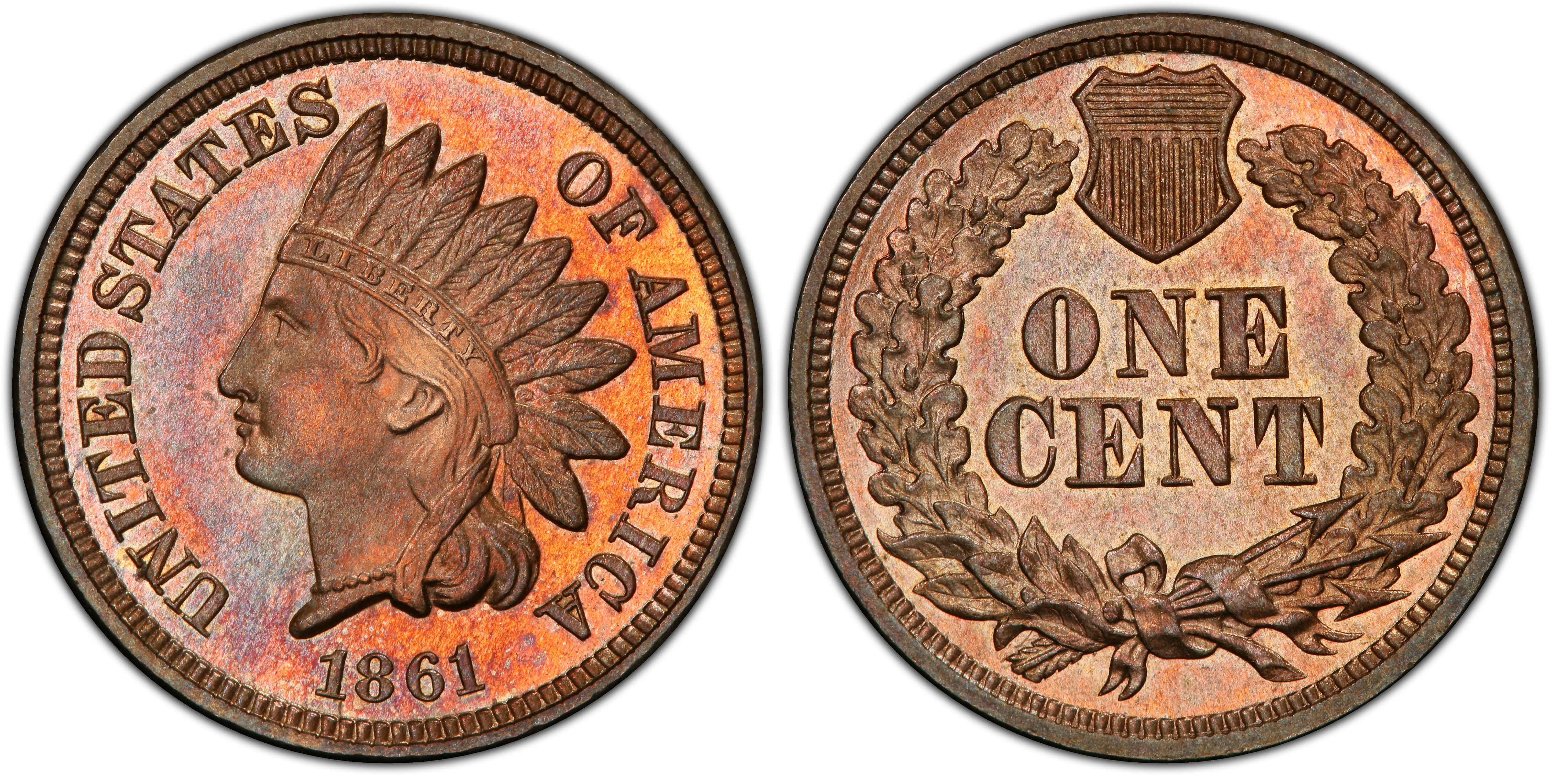
PCGS PR66
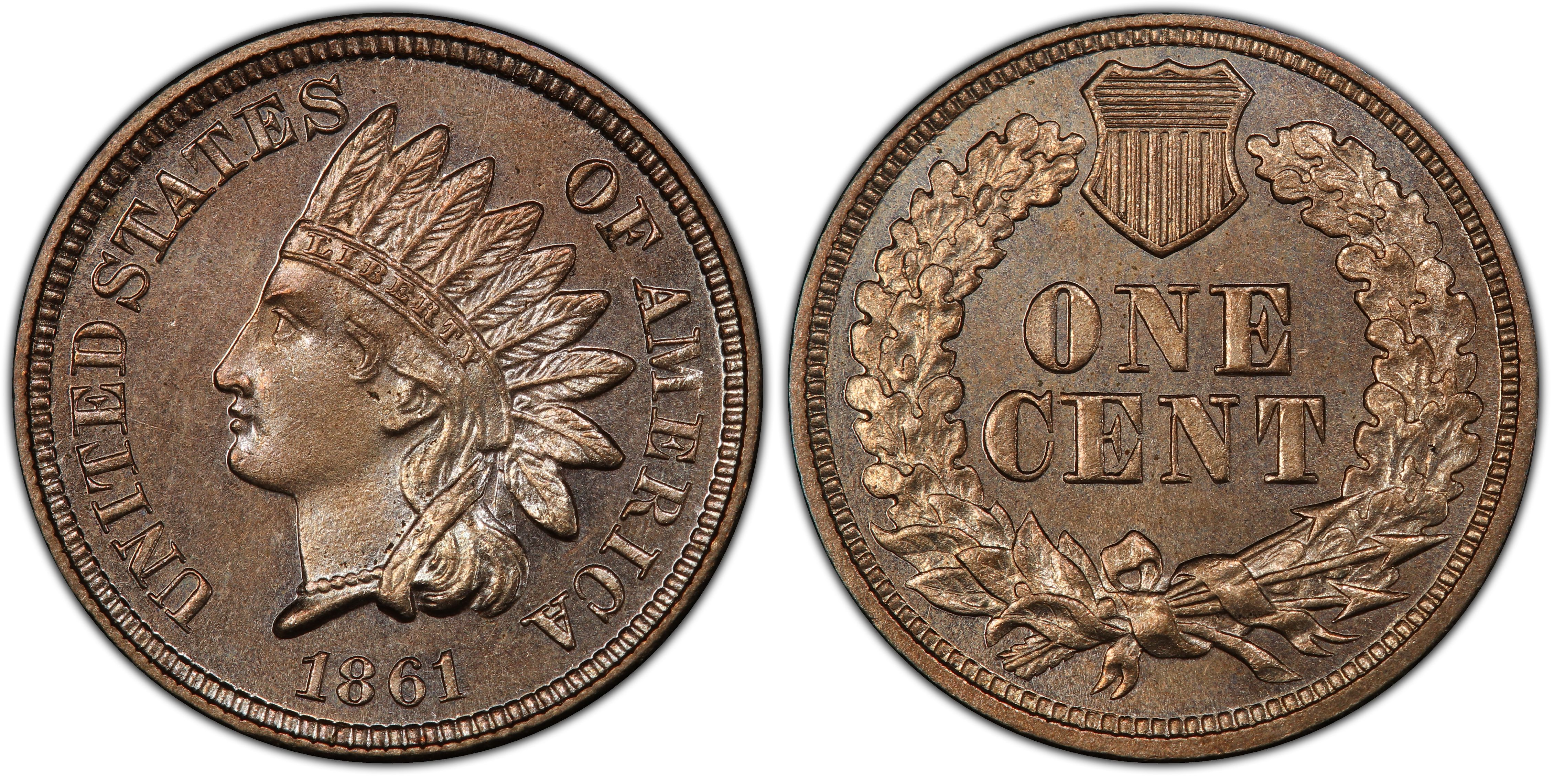
PCGS PR66
- PCGS #:
- 2256
- Designer:
- James Barton Longacre
- Edge:
- Plain
- Diameter:
- 19.00 millimeters
- Weight:
- 4.70 grams
- Mintage:
- 1,000
- Mint:
- Philadelphia
- Metal:
- 88% Copper, 12% Nickel
- Auction Record:
- $40,800 • PR66 • 09-04-2025 • Stack's Bowers
Go To Grade
Current Auctions - PCGS Graded
Current Auctions - NGC Graded
For Sale Now at Collectors Corner - PCGS Graded
For Sale Now at Collectors Corner - NGC Graded
Rarity and Survival Estimates Learn More
| Survival Estimate | |
|---|---|
| All Grades | 375 |
| 60 or Better | 372 |
| 65 or Better | 75 |
| Numismatic Rarity | |
|---|---|
| All Grades | R-6.2 |
| 60 or Better | R-6.2 |
| 65 or Better | R-8.2 |
| Relative Rarity By Type All Specs in this Type | |
|---|---|
| All Grades | 1 / 5 TIE |
| 60 or Better | 1 / 5 TIE |
| 65 or Better | 1 / 5 |
| Relative Rarity By Series All Specs in this Series | |
|---|---|
| All Grades | 1 / 6 TIE |
| 60 or Better | 1 / 6 TIE |
| 65 or Better | 1 / 6 |
Condition Census What Is This?
| #1 PR66 PCGS grade |
| #1 PR66 PCGS grade |
| #1 PR66 PCGS grade |
 #4 PR65 PCGS grade
|
| #4 PR65 PCGS grade |
| #4 PR65 PCGS grade |
| #4 PR65 PCGS grade |
| #4 PR65 PCGS grade |
| #4 PR65 PCGS grade |
| #4 PR65 PCGS grade |
Jaime Hernandez:
This is the second year in which the Mint struck Indian Cents. Despite its reported mintage of 1,000 coins struck, there are probably much less in existence. Possibly around 200-300 examples survive in all grades combined. Most examples that still survive appear to be in PR64 condition. In PR65 condition they are difficult to obtain with about 50 examples known. In PR66 condition they are very scarce with less than a handful of examples known with none existing in any higher grade.