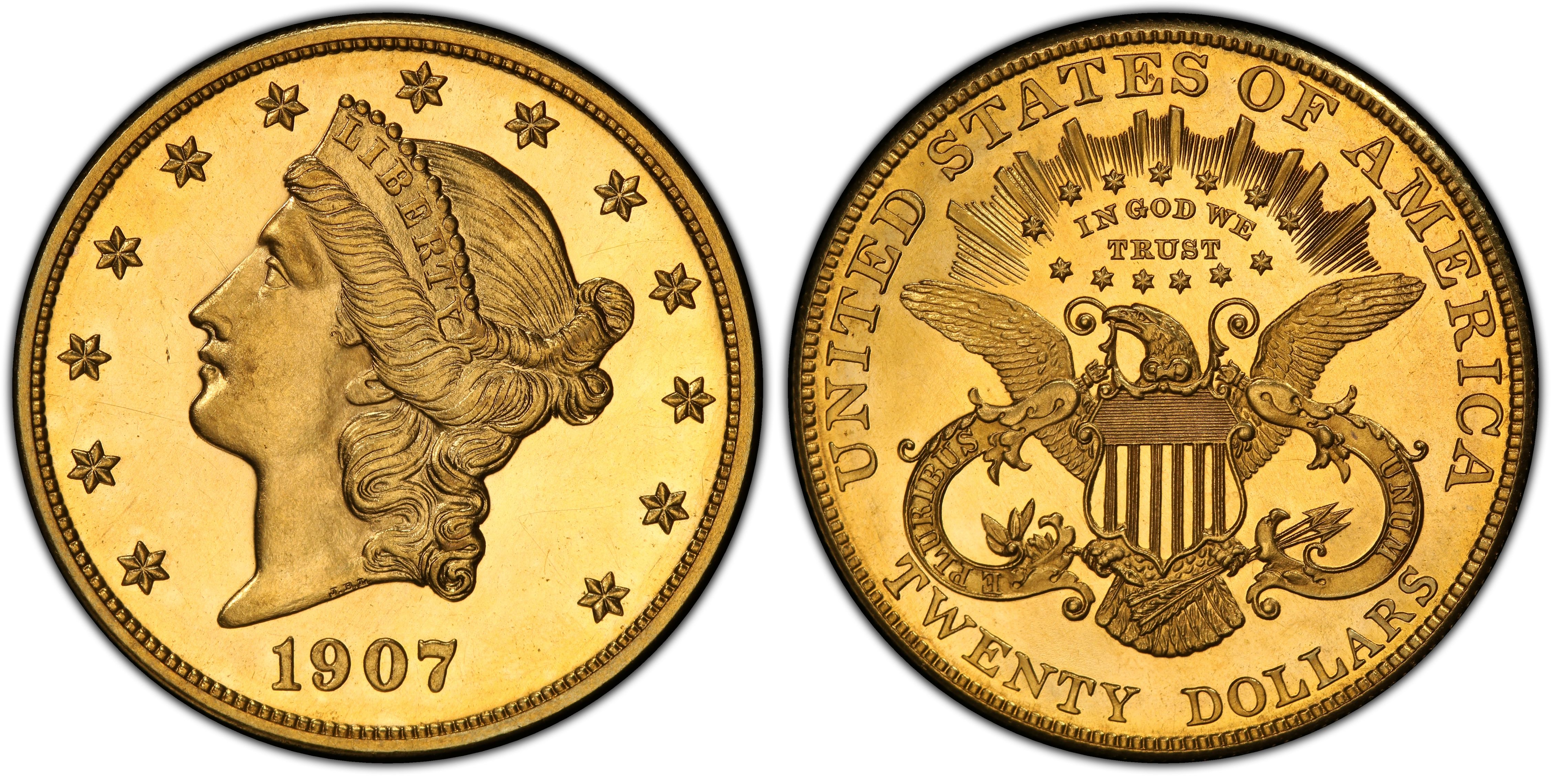

PCGS PR64

PCGS PR61
- PCGS #:
- 9123
- Designer:
- James Barton Longacre
- Edge:
- Reeded
- Diameter:
- 34.00 millimeters
- Weight:
- 33.40 grams
- Mintage:
- 78
- Mint:
- Philadelphia
- Metal:
- 90% Gold, 10% Copper
- Auction Record:
- $92,000 • PR67 • 05-01-2001 • Heritage Auctions
Go To Grade
Current Auctions - PCGS Graded
Current Auctions - NGC Graded
For Sale Now at Collectors Corner - PCGS Graded
For Sale Now at Collectors Corner - NGC Graded
Rarity and Survival Estimates Learn More
| Survival Estimate | |
|---|---|
| All Grades | 52 |
| 60 or Better | 50 |
| 65 or Better | 10 |
| Numismatic Rarity | |
|---|---|
| All Grades | R-8.4 |
| 60 or Better | R-8.5 |
| 65 or Better | R-9.5 |
| Relative Rarity By Type All Specs in this Type | |
|---|---|
| All Grades | 27 / 31 TIE |
| 60 or Better | 25 / 31 TIE |
| 65 or Better | 23 / 31 TIE |
| Relative Rarity By Series All Specs in this Series | |
|---|---|
| All Grades | 49 / 55 TIE |
| 60 or Better | 46 / 55 TIE |
| 65 or Better | 38 / 55 TIE |
Condition Census What Is This?
|
#1 PR66 PCGS grade
Stack’s 10/1970:972 - Harry W. Bass, Jr. Collection, Part II - Bowers & Merena 10/1999:1952, $80,500 |
| #2 PR65 PCGS grade |
| #2 PR65 PCGS grade |
| #4 PR64 PCGS grade |
| #4 PR64 PCGS grade |
| #4 PR64 PCGS grade |
| #4 PR64 PCGS grade |
| #4 PR64 PCGS grade |
| #4 PR64 PCGS grade |
| #4 PR64 PCGS grade |
David Akers (1975/88):
Proofs are rare but, like the 1906, a surprisingly large percentage of the original mintage has survived. In fact, the survival rate of this issue may just be the highest of any proof U.S. gold coin. Of the 78 proofs minted, as many as 40-50 still exist although many of them are impaired.