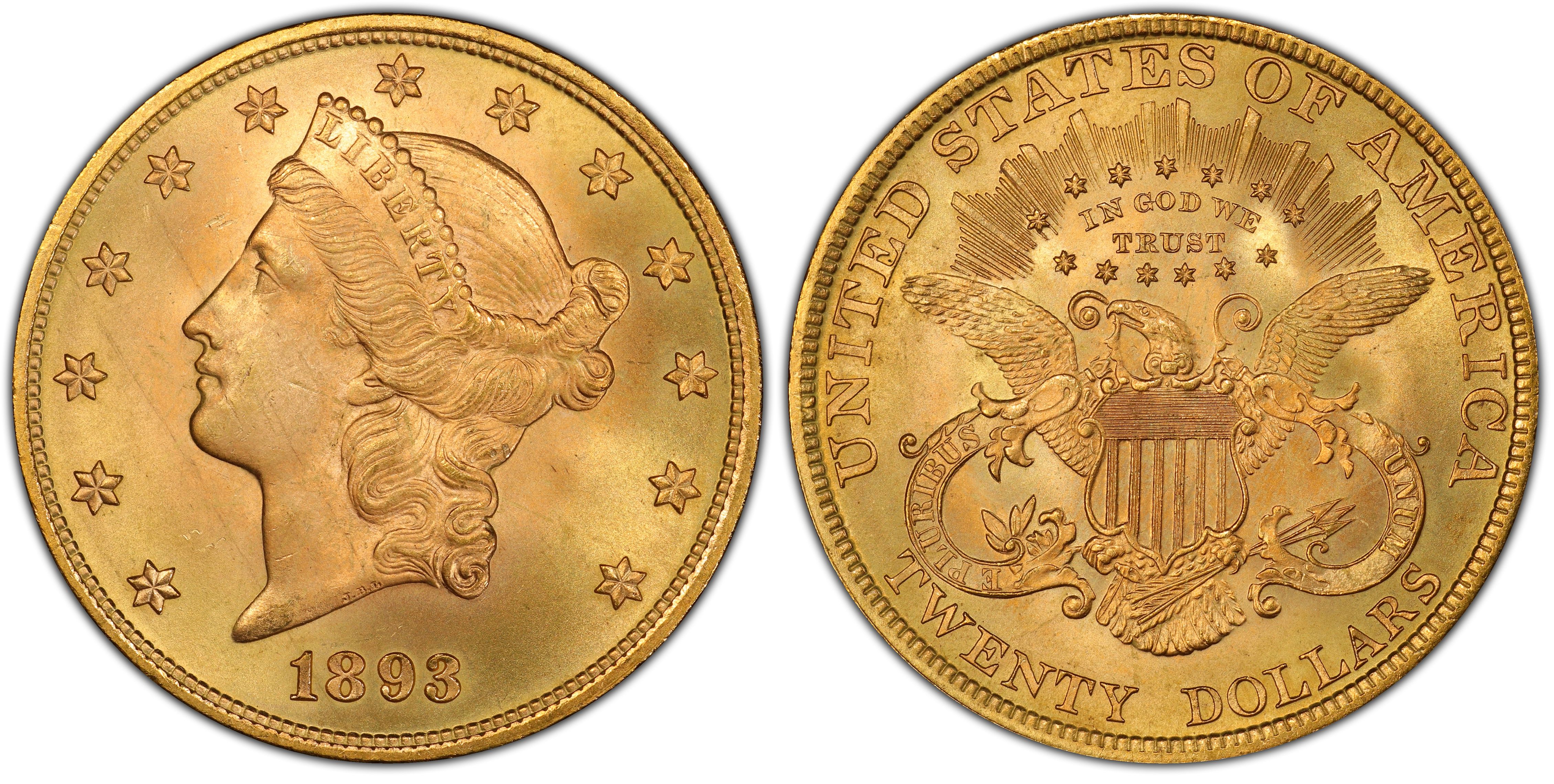

PCGS MS64+
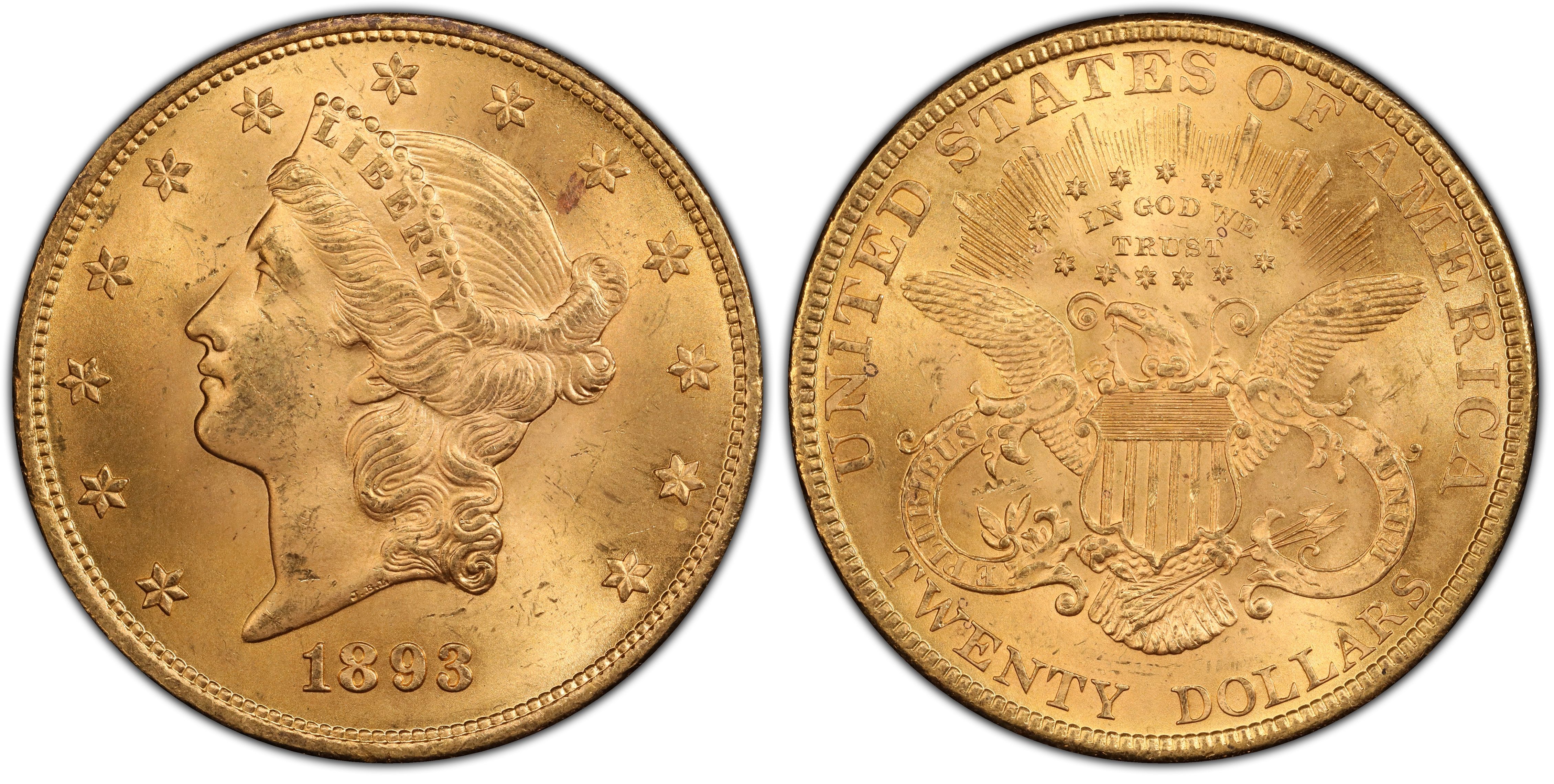
PCGS MS64+
- PCGS #:
- 9022
- Designer:
- James Barton Longacre
- Edge:
- Reeded
- Diameter:
- 34.00 millimeters
- Weight:
- 33.40 grams
- Mintage:
- 344,280
- Mint:
- Philadelphia
- Metal:
- 90% Gold, 10% Copper
- Auction Record:
- $69,000 • MS67 • 03-01-2009 • Bowers & Merena
Go To Grade
Current Auctions - PCGS Graded
Current Auctions - NGC Graded
For Sale Now at Collectors Corner - PCGS Graded
For Sale Now at Collectors Corner - NGC Graded
Rarity and Survival Estimates Learn More
| Survival Estimate | |
|---|---|
| All Grades | 20,500 |
| 60 or Better | 6,000 |
| 65 or Better | |
| Numismatic Rarity | |
|---|---|
| All Grades | R-2.7 |
| 60 or Better | R-3.8 |
| 65 or Better | R-10.1 |
| Relative Rarity By Type All Specs in this Type | |
|---|---|
| All Grades | 48 / 73 TIE |
| 60 or Better | 50 / 73 TIE |
| 65 or Better | 1 / 73 |
| Relative Rarity By Series All Specs in this Series | |
|---|---|
| All Grades | 123 / 148 TIE |
| 60 or Better | 120 / 148 TIE |
| 65 or Better | 1 / 148 |
Condition Census What Is This?
| #1 MS66 estimated grade |
| #2 MS65 PCGS grade |
| #2 MS65 estimated grade |
 #4 MS64 PCGS grade
|
| #4 MS64 PCGS grade |
| #4 MS64 PCGS grade |
| #4 MS64 PCGS grade |
| #4 MS64 PCGS grade |
| #4 MS64 PCGS grade |
| #4 MS64 PCGS grade |
David Akers (1975/88):
The 1893 is a moderately scarce date, certainly much more scarce than most of the Philadelphia Mint Liberty Heads that follow. (The 1898, 1902, 1905 and 1906 are really the only exceptions.) A large percentage of the known examples of this date are uncirculated but, of course, EF and AU specimens are also known. Most of the uncs are heavily bagmarked MS-60 coins and so choice and gem quality pieces, especially the latter, are seldom encountered. This is yet another date that used to be rare in Unc. until substantial quantities were discovered in Europe in the 1960's.