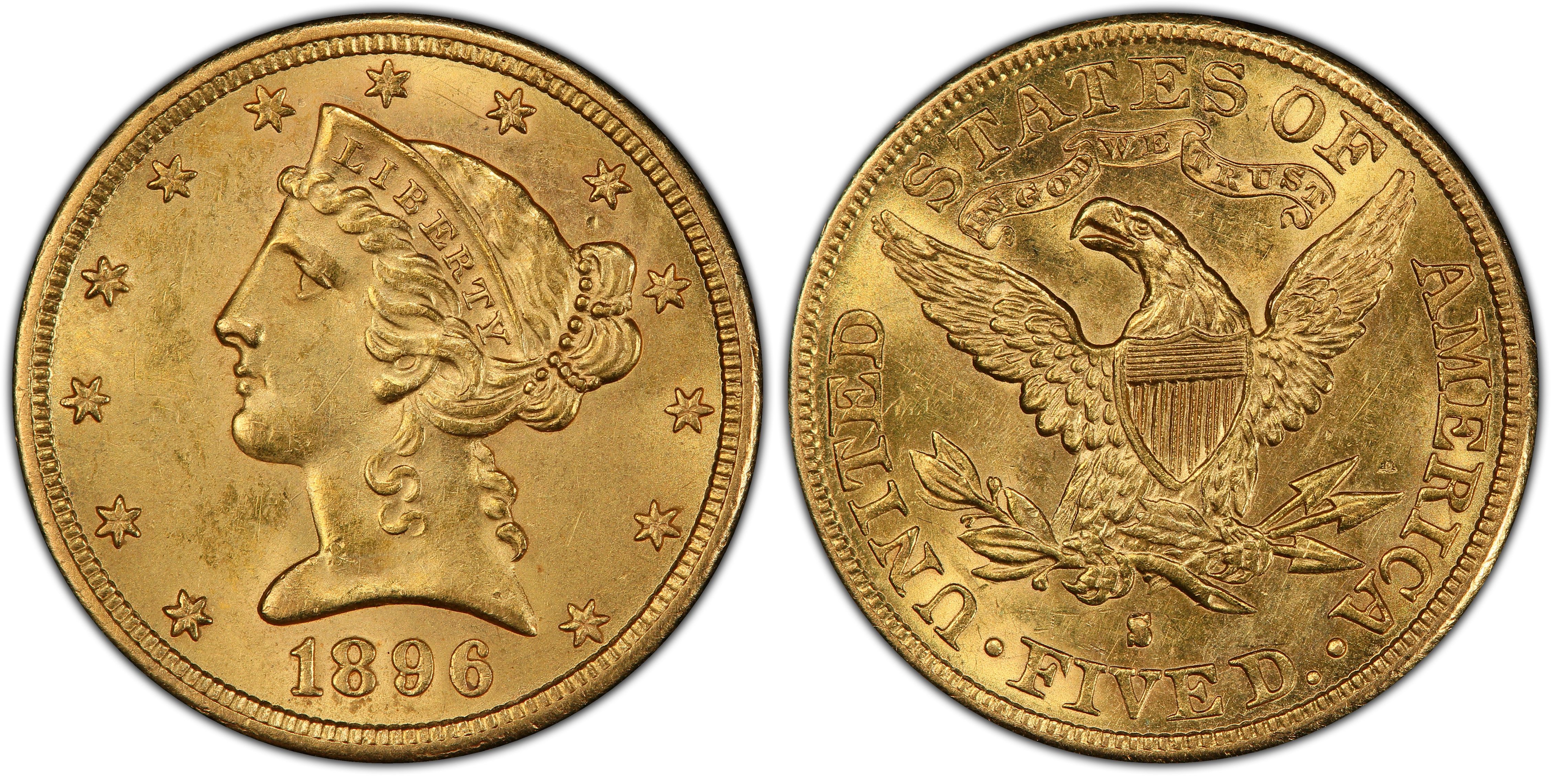
PCGS MS64
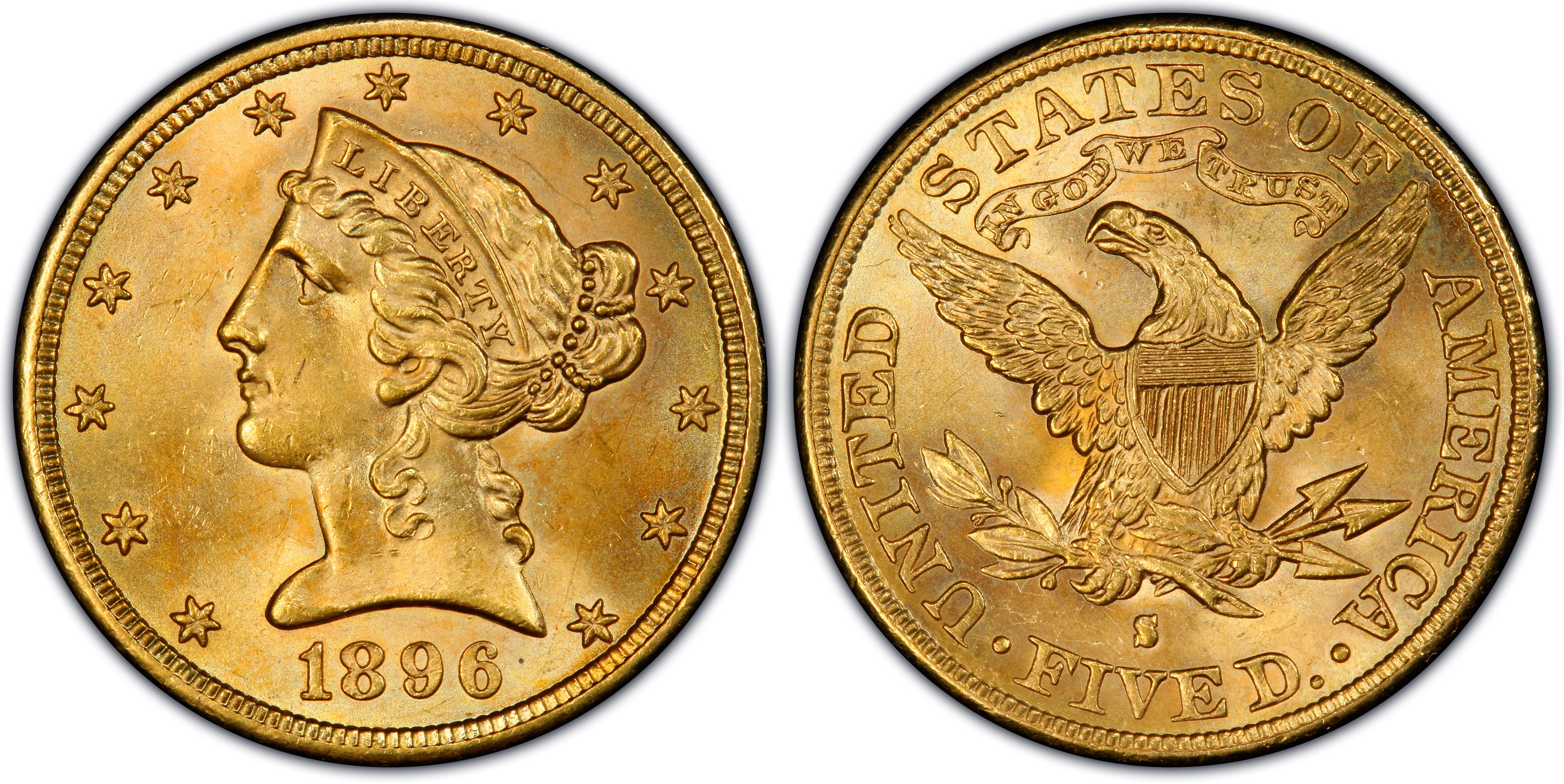
PCGS MS64
- PCGS #:
- 8393
- Designer:
- Christian Gobrecht
- Edge:
- Reeded
- Diameter:
- 21.65 millimeters
- Weight:
- 8.36 grams
- Mintage:
- 155,400
- Mint:
- San Francisco
- Metal:
- 90% Gold, 10% Copper
- Auction Record:
- $20,700 • MS65 • 01-25-2004 • Superior Galleries
Go To Grade
Current Auctions - PCGS Graded
Current Auctions - NGC Graded
For Sale Now at Collectors Corner - PCGS Graded
For Sale Now at Collectors Corner - NGC Graded
Rarity and Survival Estimates Learn More
| Survival Estimate | |
|---|---|
| All Grades | 1,000 |
| 60 or Better | 75 |
| 65 or Better | 1 |
| Numismatic Rarity | |
|---|---|
| All Grades | R-5.0 |
| 60 or Better | R-8.2 |
| 65 or Better | R-10.0 |
| Relative Rarity By Type All Specs in this Type | |
|---|---|
| All Grades | 56 / 106 TIE |
| 60 or Better | 40 / 106 TIE |
| 65 or Better | 1 / 106 TIE |
| Relative Rarity By Series All Specs in this Series | |
|---|---|
| All Grades | 167 / 218 TIE |
| 60 or Better | 137 / 218 TIE |
| 65 or Better | 1 / 218 TIE |
Condition Census What Is This?
| #1 MS67 PCGS grade |
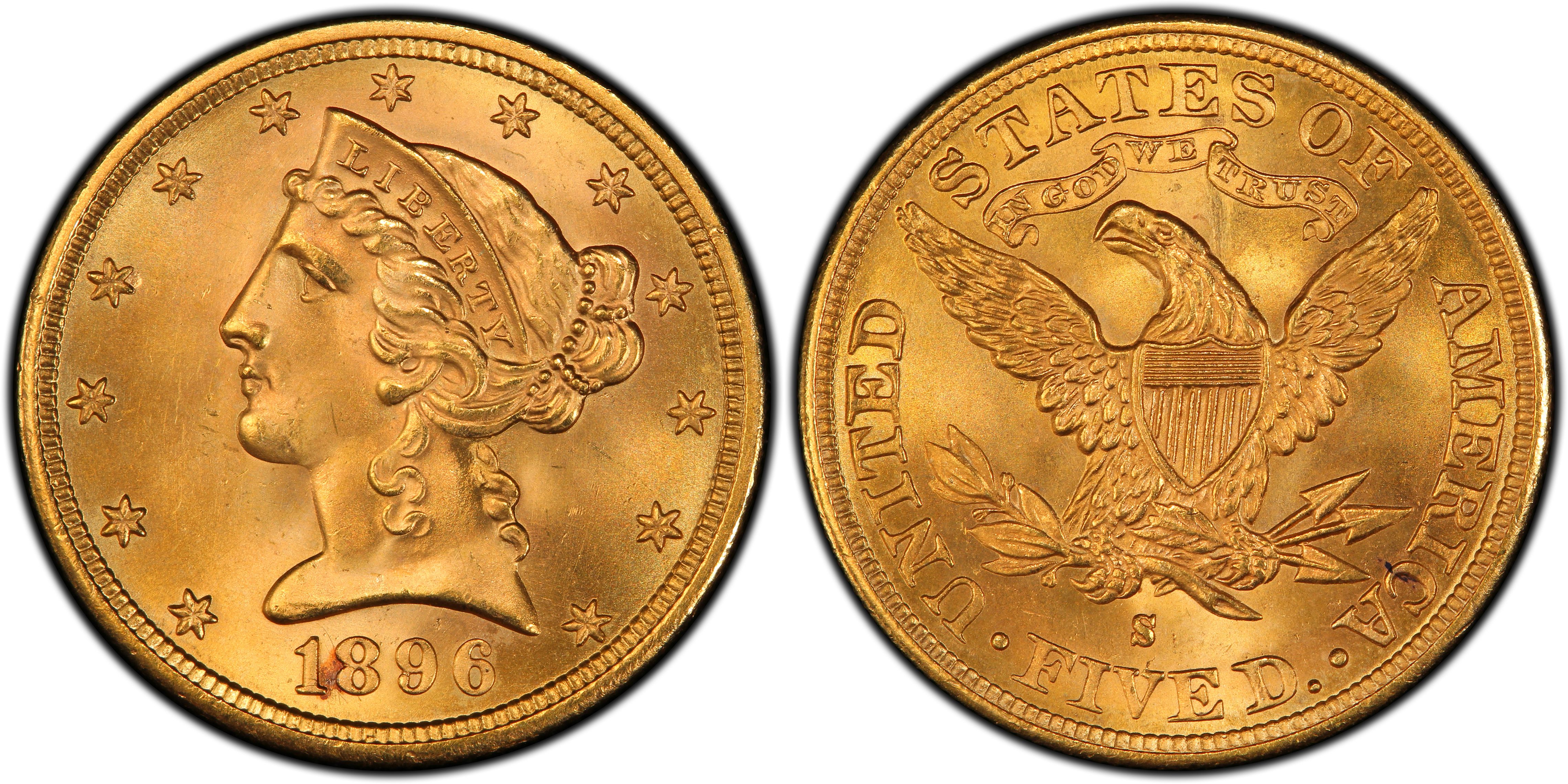 #2 MS65 PCGS grade
|
|
#3 MS64 PCGS grade
|
 #3 MS64 PCGS grade
|
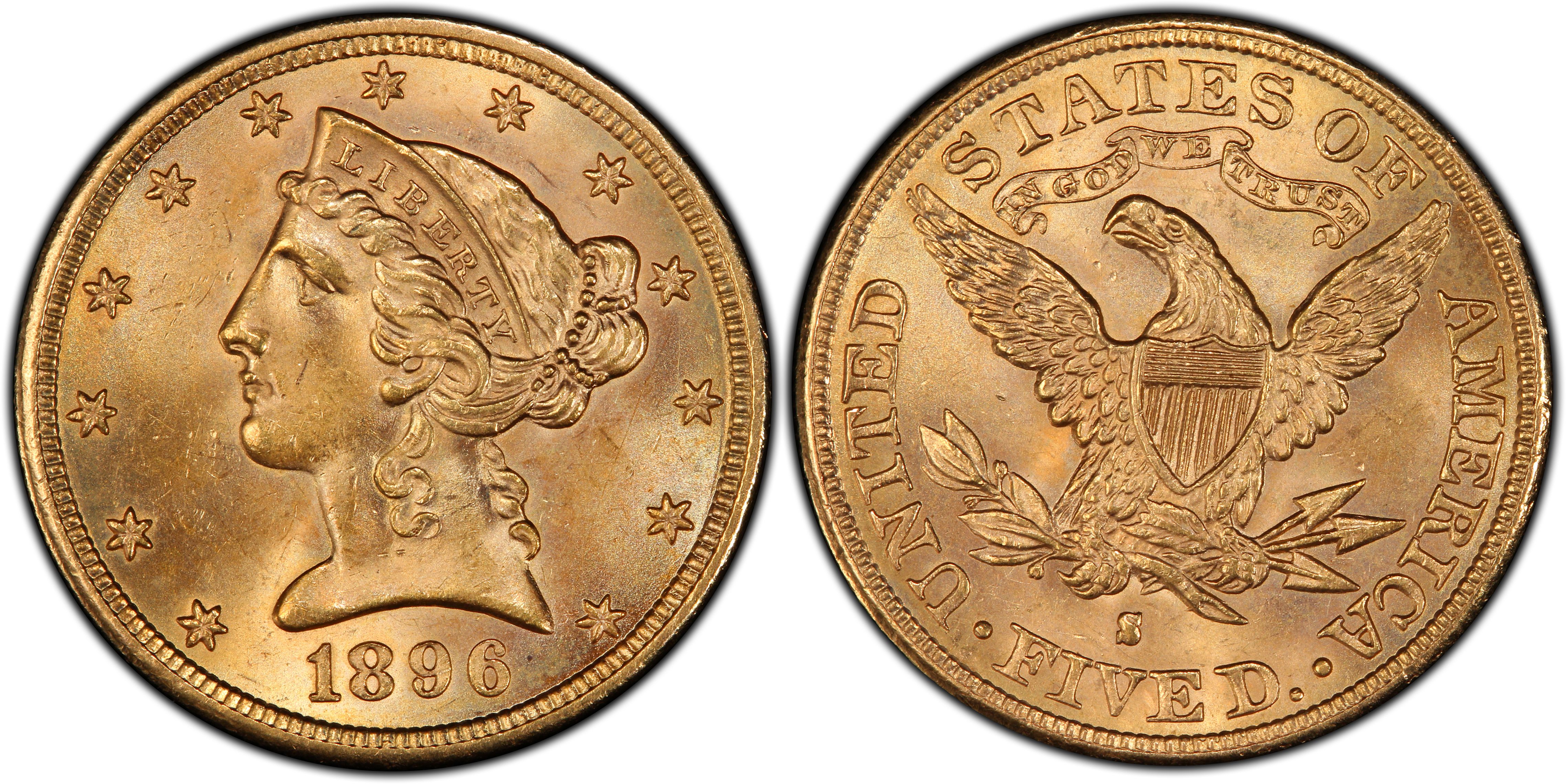 #3 MS64 PCGS grade
|
| #3 MS64 PCGS grade |
| #3 MS64 PCGS grade |
| #3 MS64 PCGS grade |
| #3 MS64 PCGS grade |
| #3 MS64 PCGS grade |
David Akers (1975/88):
The 1896-S is a very scarce date in all grades and is rare in AU or better condition. Mint state specimens are far more rare then most people realize and choice or gem examples are almost impossible to obtain. This date appeared in my survey exactly the same number of times as the 1894-S and 1895-S, that is to say, not very often, but in my opinion it is not quite as rare a date as the 1894-S and 1895-S although it is very nearly their equal in grades above EF. This date, like the other S Mint Half Eagles from 1894-1897, is very underrated.