
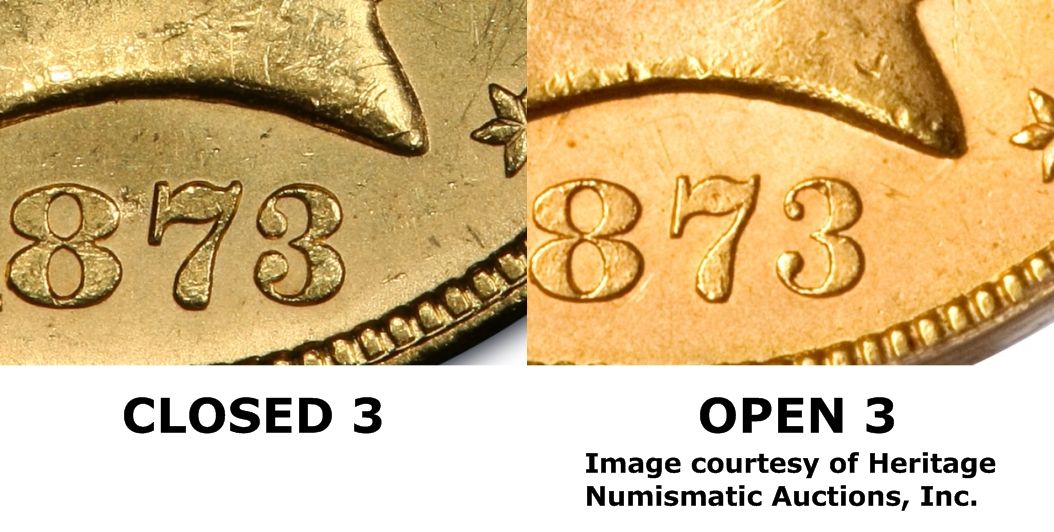
DATE COMPARISON
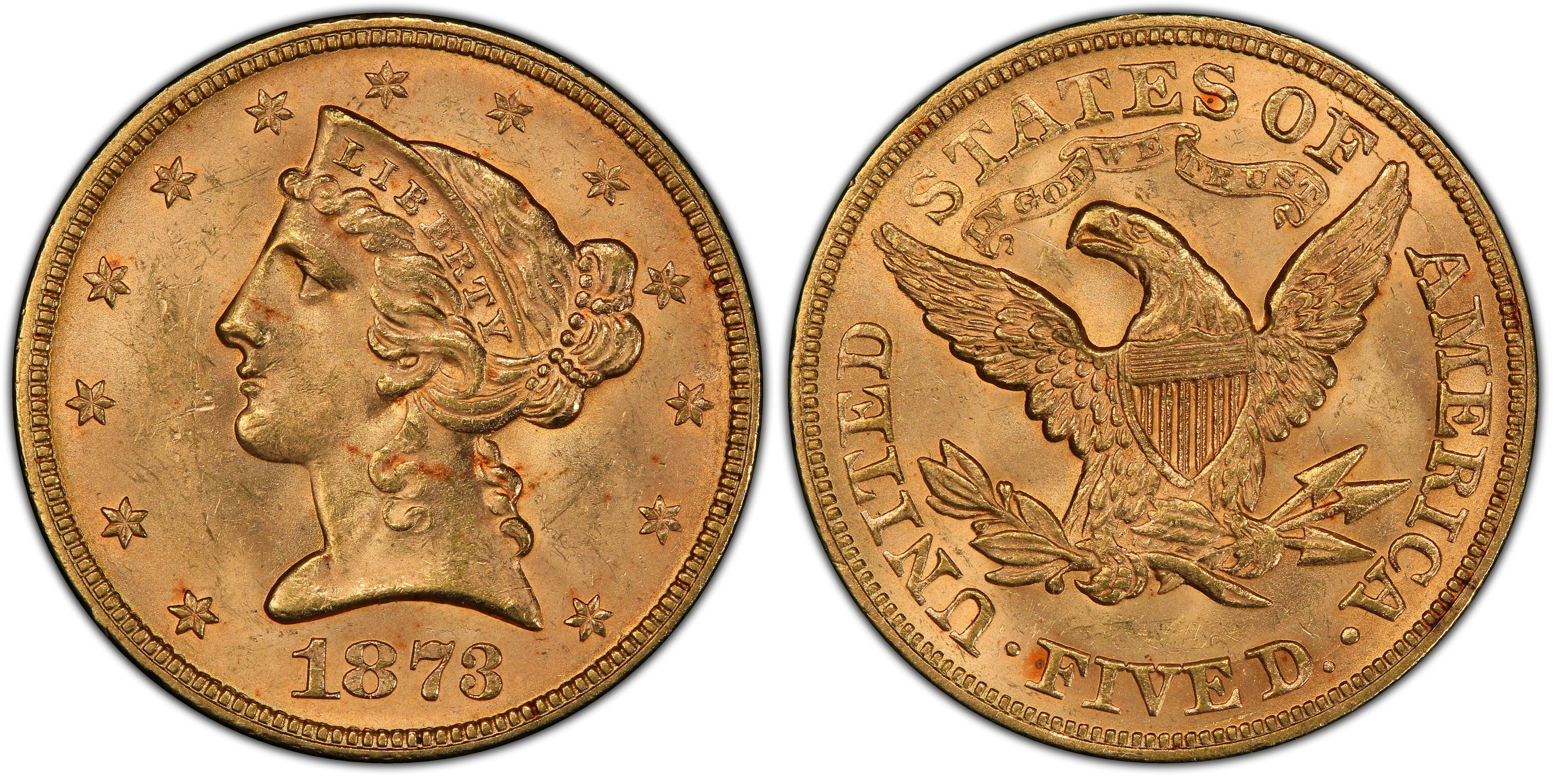
PCGS MS64
- PCGS #:
- 8329
- Designer:
- Christian Gobrecht
- Edge:
- Reeded
- Diameter:
- 21.65 millimeters
- Weight:
- 8.36 grams
- Mintage:
- 49,280
- Mint:
- Philadelphia
- Metal:
- 90% Gold, 10% Copper
- Auction Record:
- $26,400 • MS66 • 02-27-2022 • Heritage Auctions
Go To Grade
Current Auctions - PCGS Graded
Current Auctions - NGC Graded
For Sale Now at Collectors Corner - PCGS Graded
For Sale Now at Collectors Corner - NGC Graded
Rarity and Survival Estimates Learn More
| Survival Estimate | |
|---|---|
| All Grades | 750 |
| 60 or Better | 100 |
| 65 or Better | 3 |
| Numismatic Rarity | |
|---|---|
| All Grades | R-5.5 |
| 60 or Better | R-8.0 |
| 65 or Better | R-9.8 |
| Relative Rarity By Type All Specs in this Type | |
|---|---|
| All Grades | 46 / 106 TIE |
| 60 or Better | 44 / 106 TIE |
| 65 or Better | 15 / 106 TIE |
| Relative Rarity By Series All Specs in this Series | |
|---|---|
| All Grades | 155 / 218 TIE |
| 60 or Better | 144 / 218 TIE |
| 65 or Better | 30 / 218 TIE |
Condition Census What Is This?
| #1 MS66 PCGS grade |
| #2 MS65 PCGS grade |
| #2 MS65 PCGS grade |
| #2 MS65 estimated grade |
| #2 MS65 estimated grade |
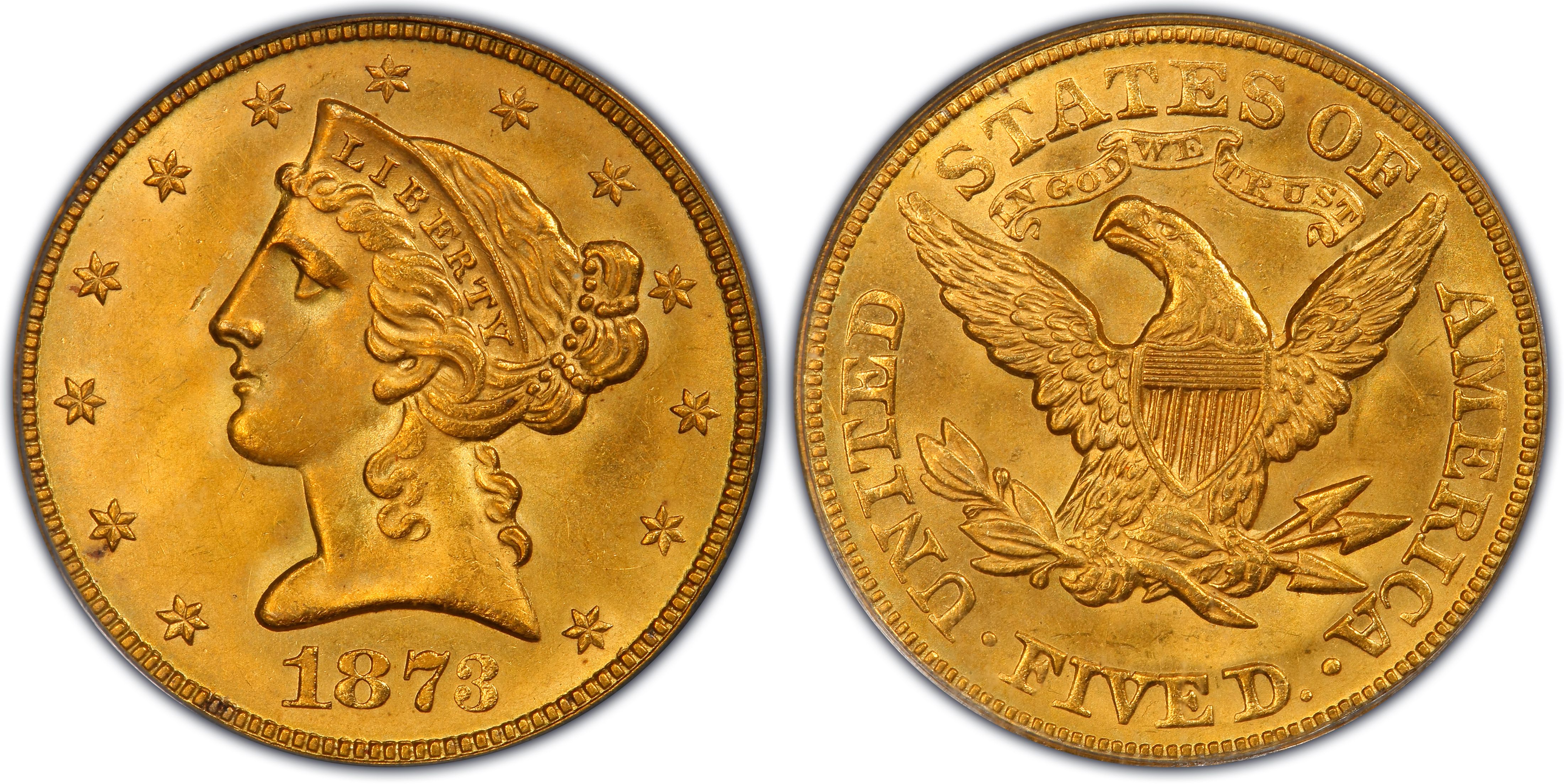 #6 MS64 PCGS grade
|
| #6 MS64 PCGS grade |
| #6 MS64 PCGS grade |
| #6 MS64 PCGS grade |
| #6 MS64 PCGS grade |
David Akers (1975/88):
The 1873 Closed 3 is much more rare than generally believed, particularly in high grade. The Closed 3 variety can be distinguished from the Open 3 variety in that the knobs on the ends of the 3 on the Closed 3 are of approximately the same size and so close together that on first glance the 3 looks like and 8. On the Open 3, the top knob is smaller and more oval and further away from the rounder bottom knob.