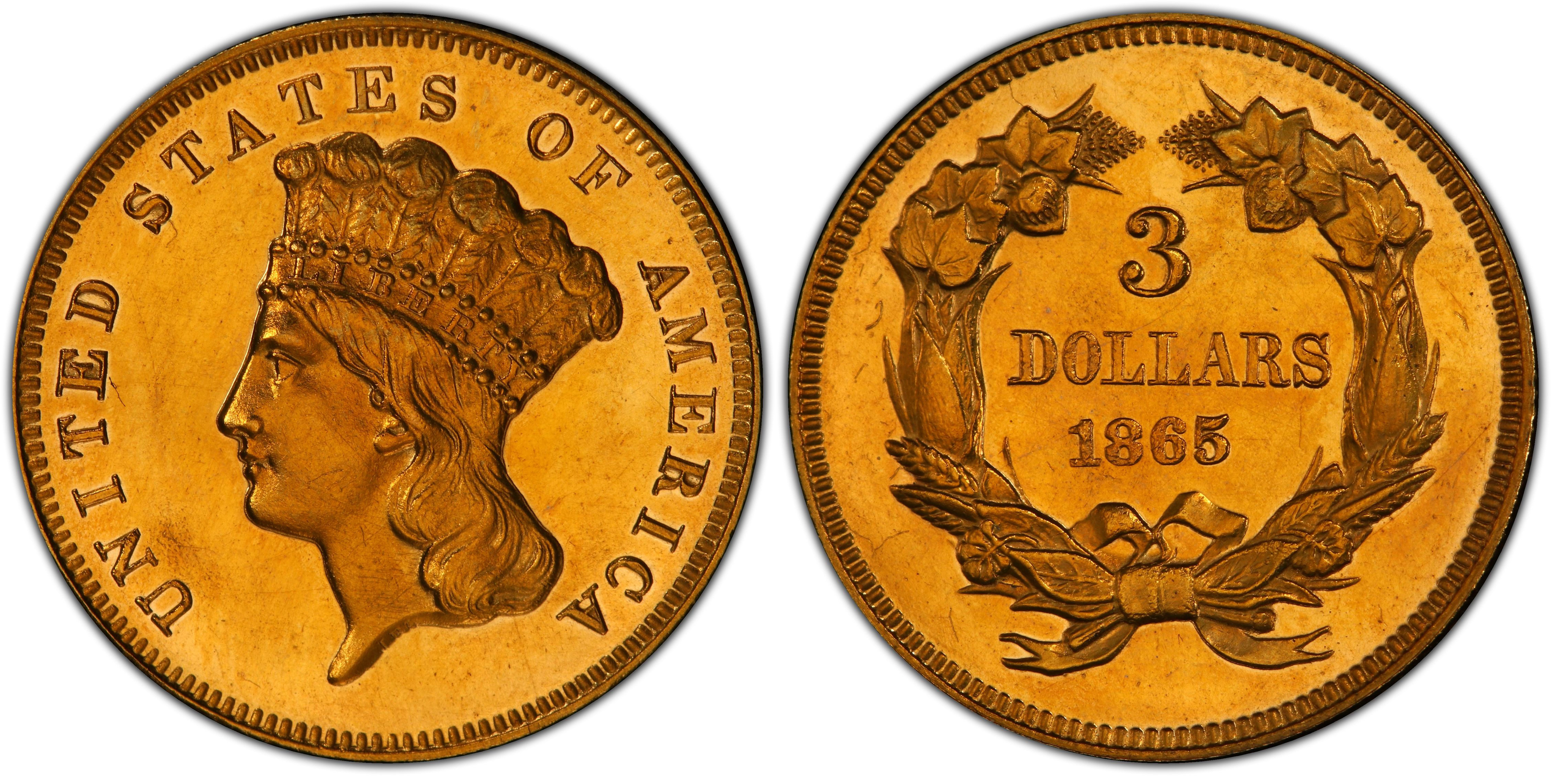

ex Trompeter collection
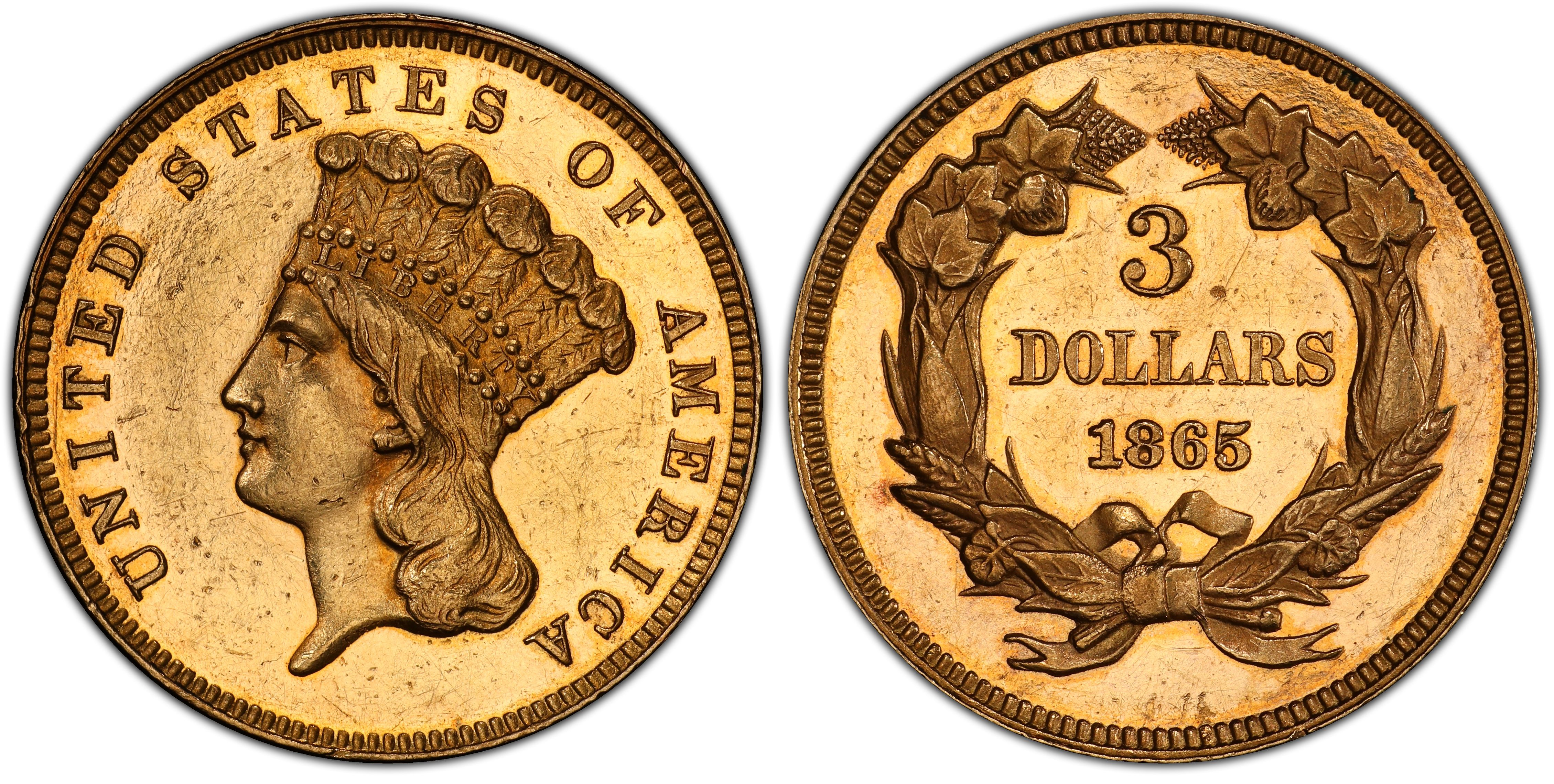
PCGS PR61
- PCGS #:
- 8028
- Designer:
- James Barton Longacre
- Edge:
- Reeded
- Diameter:
- 20.50 millimeters
- Weight:
- 5.02 grams
- Mintage:
- 25
- Mint:
- Philadelphia
- Metal:
- 90% Gold, 10% Copper
- Auction Record:
- $60,375 • PR66 • 10-29-2004 • Bowers & Merena
Go To Grade
Current Auctions - PCGS Graded
Current Auctions - NGC Graded
For Sale Now at Collectors Corner - PCGS Graded
For Sale Now at Collectors Corner - NGC Graded
Rarity and Survival Estimates Learn More
| Survival Estimate | |
|---|---|
| All Grades | 13 |
| 60 or Better | 13 |
| 65 or Better | 8 |
| Numismatic Rarity | |
|---|---|
| All Grades | R-9.4 |
| 60 or Better | R-9.4 |
| 65 or Better | R-9.6 |
| Relative Rarity By Type All Specs in this Type | |
|---|---|
| All Grades | 9 / 37 |
| 60 or Better | 9 / 37 TIE |
| 65 or Better | 20 / 37 TIE |
| Relative Rarity By Series All Specs in this Series | |
|---|---|
| All Grades | 9 / 37 |
| 60 or Better | 9 / 37 TIE |
| 65 or Better | 20 / 37 TIE |
Condition Census What Is This?
| #1 PR65 PCGS grade |
| #1 PR65 PCGS grade |
| #1 PR65 PCGS grade |
| #4 PR64 PCGS grade |
| #5 PR63 PCGS grade |
| #5 PR63 PCGS grade |
| #5 PR63 PCGS grade |
| #8 PR60 PCGS grade |
David Akers (1975/88):
Proofs are very rare, with perhaps only 10 to 12 out of the original 25 minted still in existence. A very interesting restrike of this date also exists. It is listed in Dr. Judd's book as J-440, and in Adams and Woodin's book as AW-480. It was struck using the obverse die of 1872 and was probably minted sometime in 1873. Only two pieces are known; one of them is in the Wilkinson Collection and the other appeared in the Farouk Sale in 1954. The restrike is easily distinguishable from the regular issue proofs by the fact that the date slants noticeably up to the right and the first three digits of the date are very weak, while the 5 is sharp and bold.