1934 25C Doubled Die Obverse (Regular Strike)
Series: Washington Quarters 1932-1964
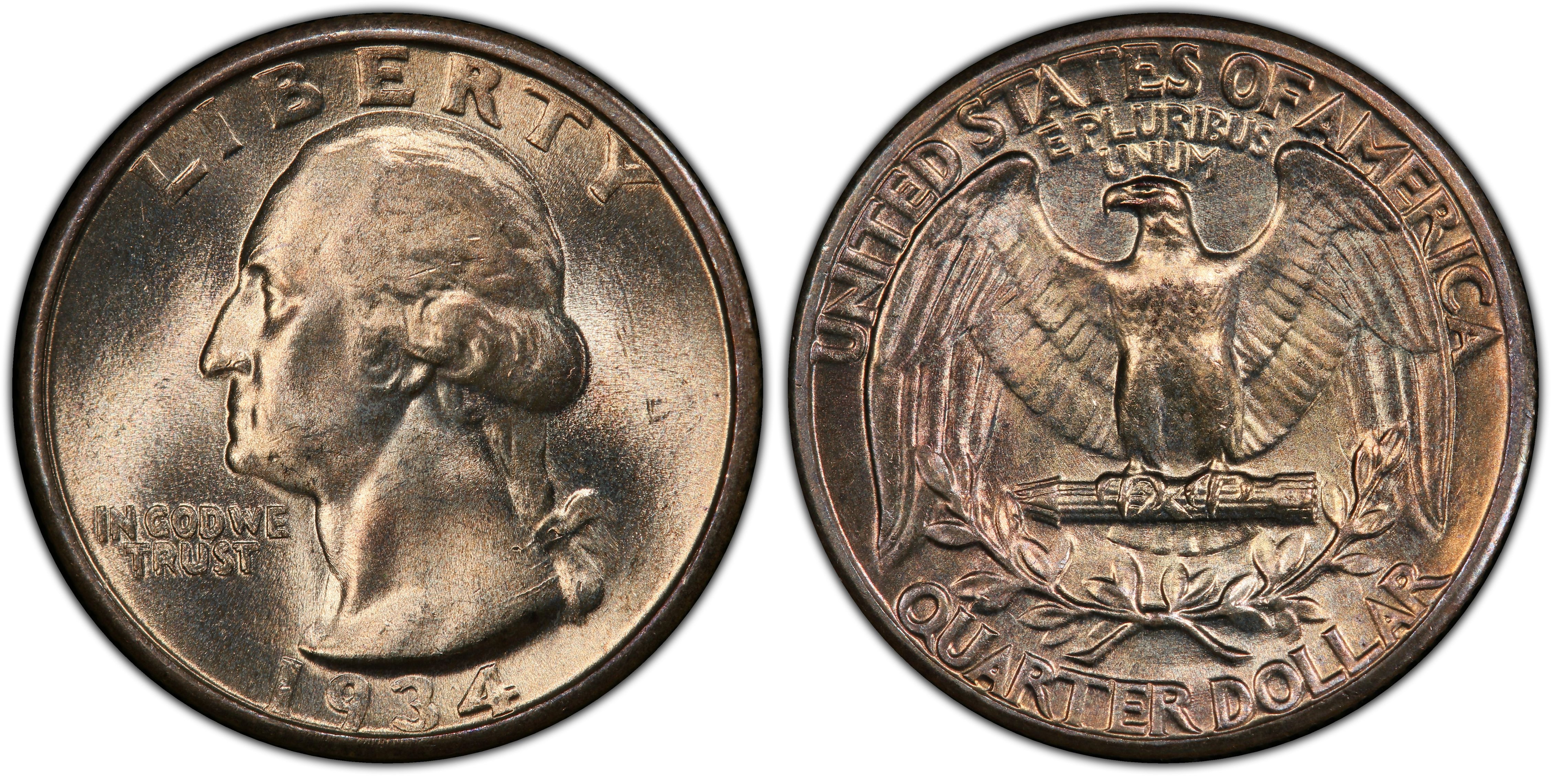
PCGS MS66+
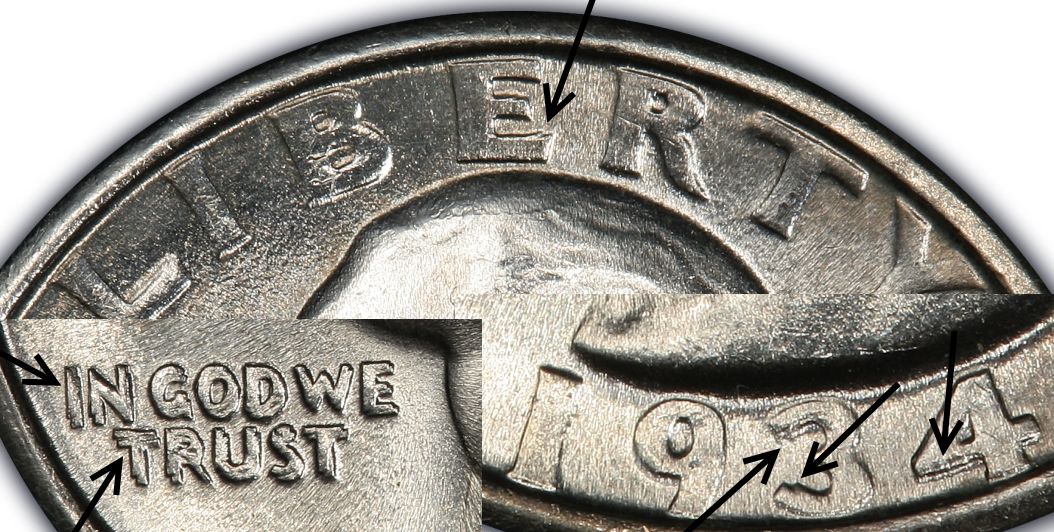
Doubled Die Obverse Detail
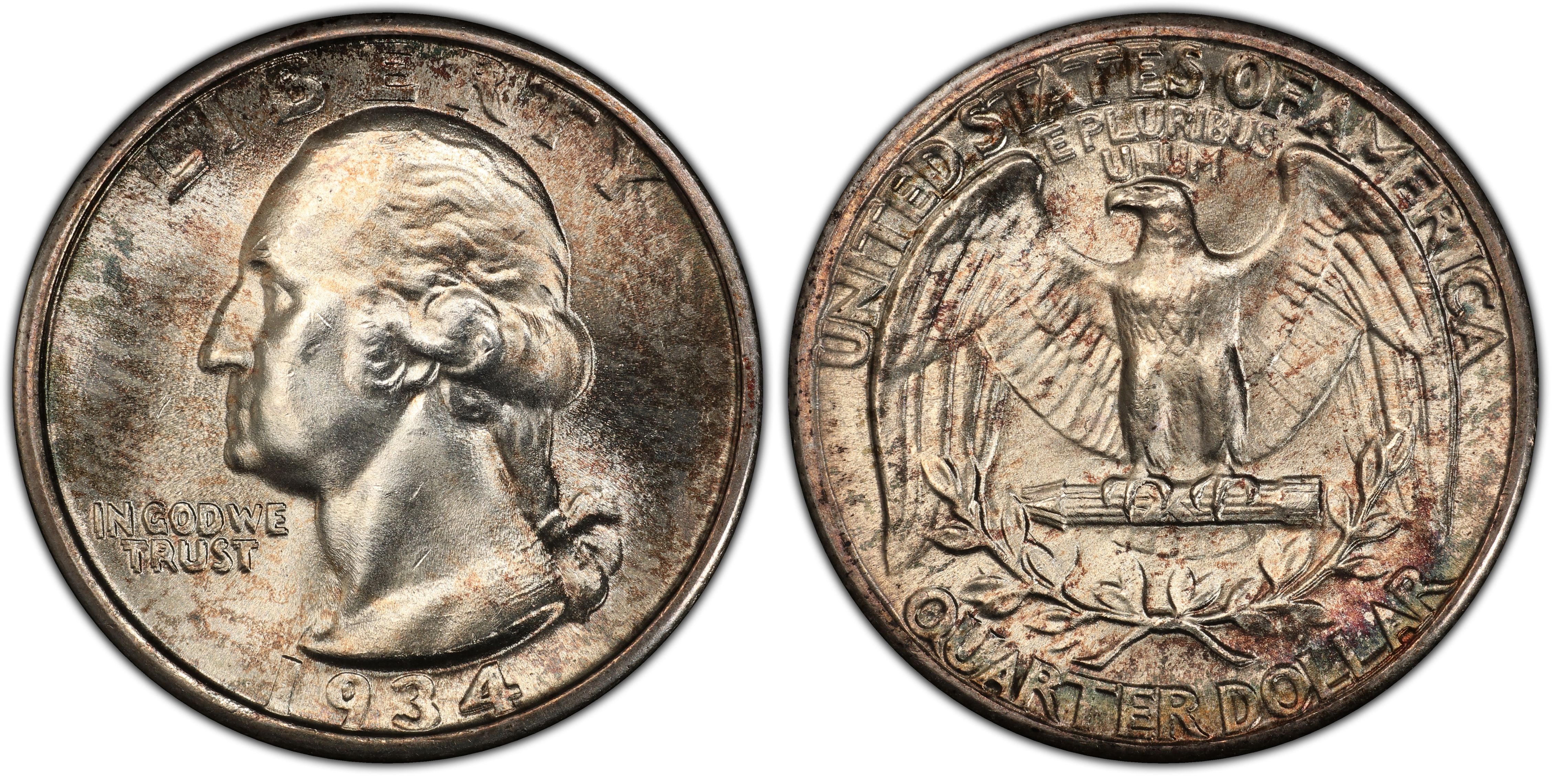
PCGS MS66+
- PCGS #:
- 5795
- Designer:
- John Flanagan
- Edge:
- Reeded
- Diameter:
- 24.30 millimeters
- Weight:
- 6.30 grams
- Mintage:
- 31,912,052
- Mint:
- Philadelphia
- Metal:
- 90% Silver, 10% Copper
- Auction Record:
- $10,350 • MS65 • 03-08-2005 • American Numismatic Rarities
Major Varieties
- 1934 25C Light Motto
- 1934 25C Medium Motto
- 1934 25C Heavy Motto
- 1934 25C Doubled Die Obverse
Go To Grade
Current Auctions - PCGS Graded
Current Auctions - NGC Graded
For Sale Now at Collectors Corner - PCGS Graded
For Sale Now at Collectors Corner - NGC Graded
Rarity and Survival Estimates Learn More
| Survival Estimate | |
|---|---|
| All Grades | 287,000 |
| 60 or Better | 1,500 |
| 65 or Better | 300 |
| Numismatic Rarity | |
|---|---|
| All Grades | R-1.8 |
| 60 or Better | R-4.8 |
| 65 or Better | R-6.4 |
| Relative Rarity By Type All Specs in this Type | |
|---|---|
| All Grades | 12 / 93 TIE |
| 60 or Better | 5 / 93 |
| 65 or Better | 5 / 93 |
| Relative Rarity By Series All Specs in this Series | |
|---|---|
| All Grades | 12 / 93 TIE |
| 60 or Better | 5 / 93 |
| 65 or Better | 5 / 93 |
Condition Census What Is This?
|
#1 MS66+ PCGS grade
|
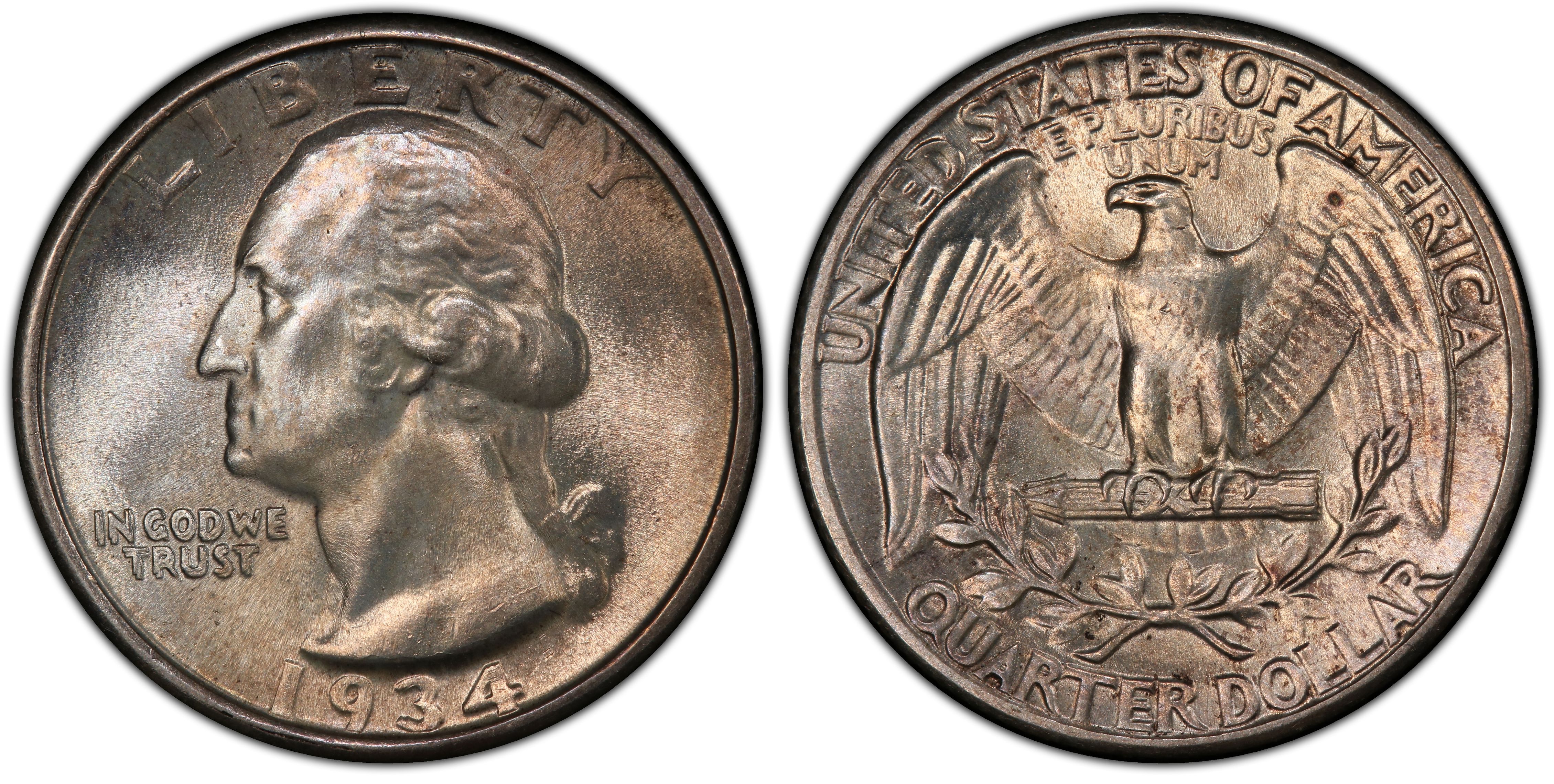 #1 MS66+ PCGS grade
|
| #1 MS66+ PCGS grade |
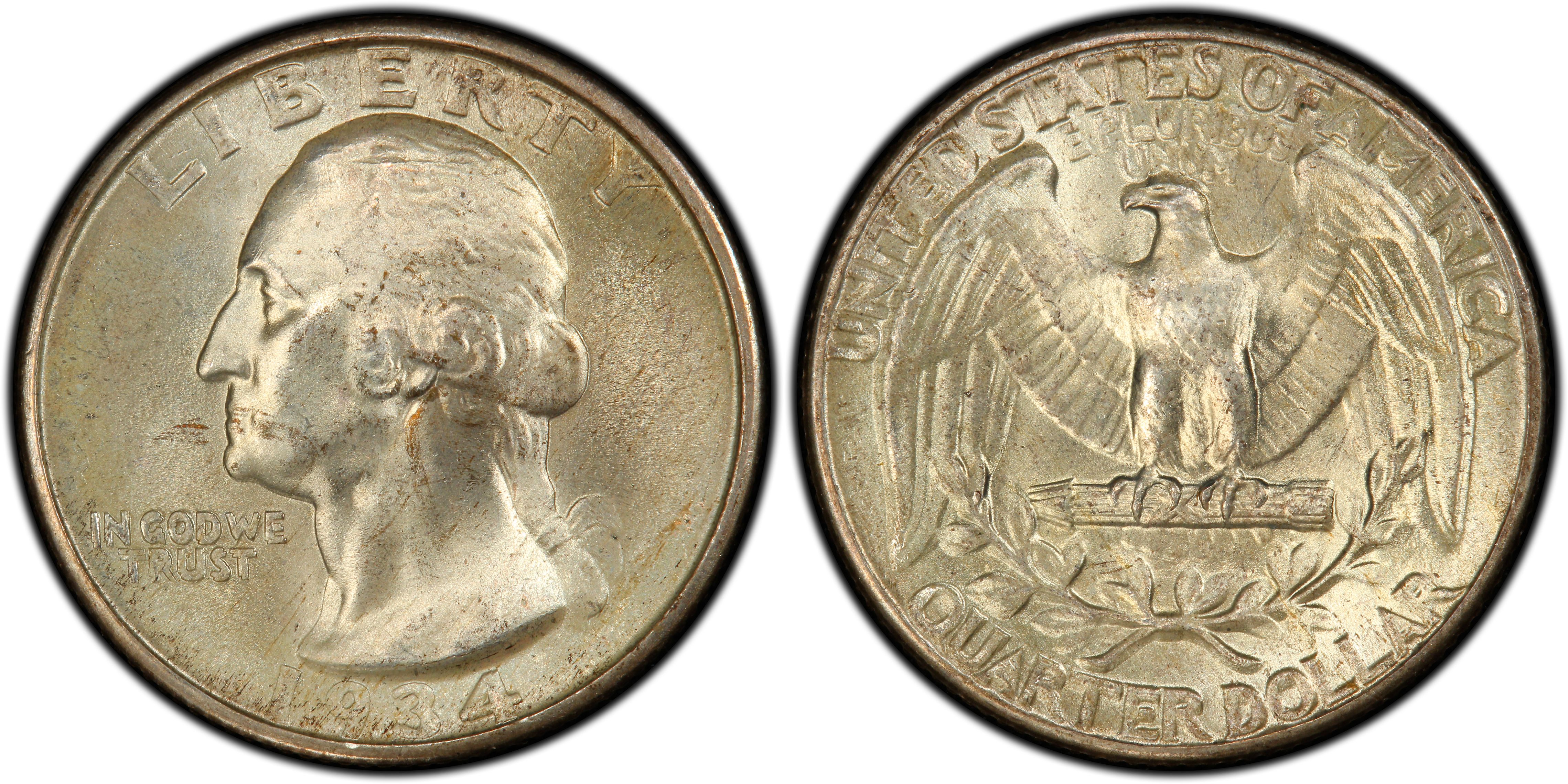 #4 MS66 PCGS grade
|
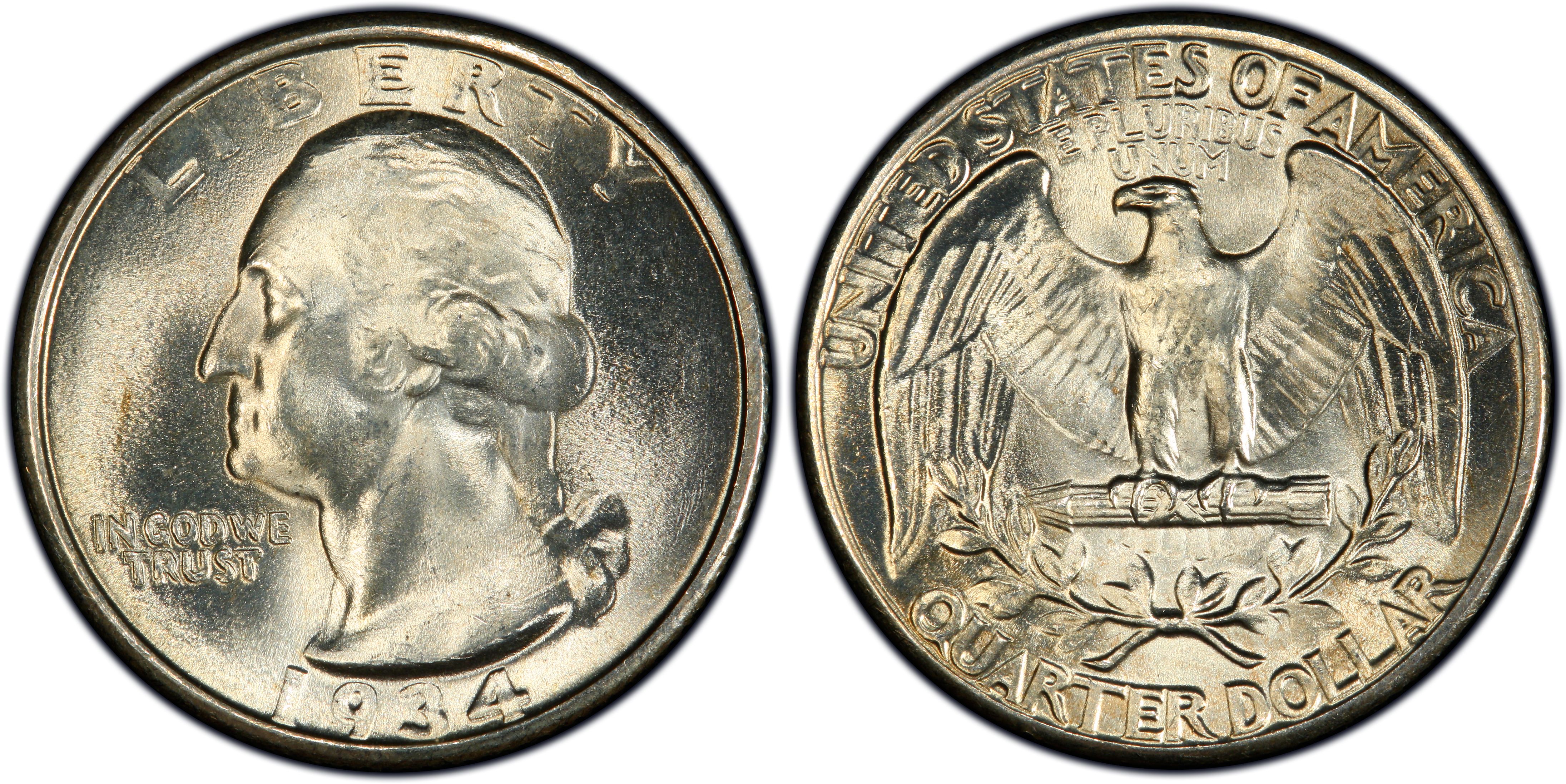 #4 MS66 PCGS grade
|
| #4 MS66 PCGS grade |
| #4 MS66 PCGS grade |
| #4 MS66 PCGS grade |
| #4 MS66 PCGS grade |
| #4 MS66 PCGS grade |
Jaime Hernandez:
There are five major doubled die Washington Quarters from 1932 to date. The 1934 Doubled Die Obverse Quarter is the most dramatic doubled die for the entire Washington quarter series. It is also the most common of all the five major doubled die Washington quarters.
The obverse shows very strong doubling in the words "In God We Trust." The word "Liberty" and the date also show strong doubling but not as dramatic as the doubling on "In God We Trust."
The other four major doubled die quarters from 1932 to date are, the 1937, 1942-D, 1943 and 1943-D doubled die quarters.
The obverse shows very strong doubling in the words "In God We Trust." The word "Liberty" and the date also show strong doubling but not as dramatic as the doubling on "In God We Trust."
The other four major doubled die quarters from 1932 to date are, the 1937, 1942-D, 1943 and 1943-D doubled die quarters.