Have you got “the bug”? I do. Regardless of what the item might be, when I see a group of something, I want to sort it. To complicate matters, while I’m sorting, I often wonder if these items would make a nice collection. Yesterday while unloading groceries, I caught myself sorting canned goods. Many of us want order in our lives, but sorting canned food? Seriously?
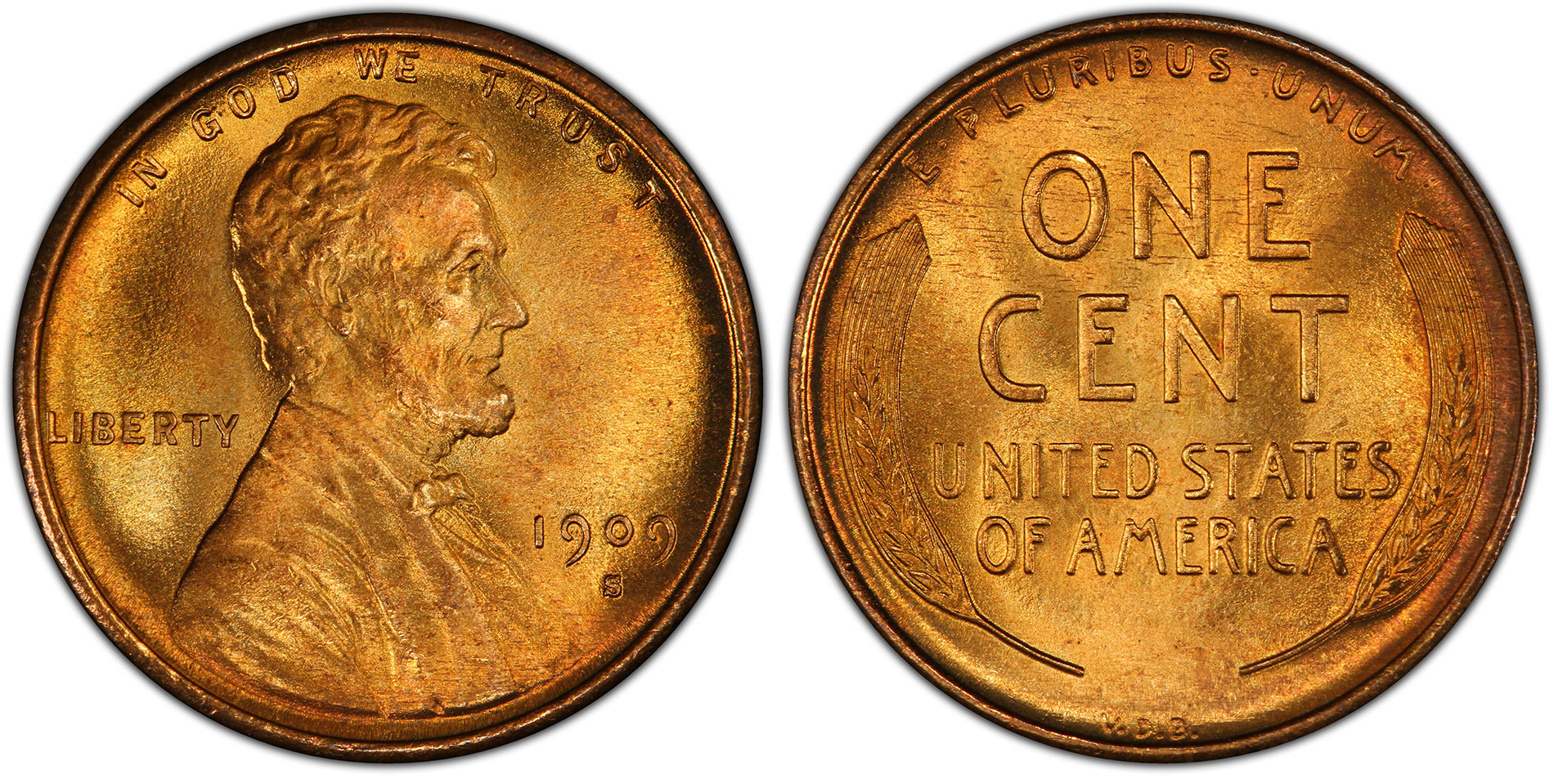
Why do we want to put things together? Is it the sense of accomplishment after the task is completed? Do we perceive we will benefit in the future from the task? Is life a giant jigsaw puzzle we are all trying to fit the pieces into?
On a slightly different tack, why do we keep stuff? If you are a collector, what did you first collect? As a kid, I collected interesting rocks, buttons, coins, baseball cards, comic books, stamps, beer cans, postcards, old books, matchbooks, pens and pencils, and anything to do with something I thought was cool. When I was a kid the biggest factor in my collecting habits was that it needed to be free – or really cheap. I had no collecting budget.
At one point, I was helping clean out a house of a retired teacher. There was a complete run of both National Geographic and Reader’s Digest magazines from the 1920s to the 1950s. I remember thinking, “this is so cool, I’ve got almost all of them.” I boxed them up and hauled them home. I was 11 or 12. My folks were thrilled – NOT. Evidently this retired teacher had the bug too!
Clearly, there must be a distinction between a collection and a hoard. When you’re a kid, the parameters are different. IF it might be valuable, haul it home, right?
I built shelves out of concrete blocks and old boards. I sorted all these magazines in date order in my basement bedroom. On a side note, I had requested the move to the basement versus sharing a bedroom upstairs with my younger brother. The basement was great. I could use a flashlight to read or sort coins in the middle of the night. Although my folks didn’t catch me often, our basement flooded more often. The privacy notwithstanding, waking to step out of bed into water isn’t fun. Unfortunately, my magazine collection didn’t fare well, either.
Although this wasn’t the first of my collections bound for a bonfire in the backyard, it was one of my most memorable. I did learn, albeit slowly, that if you haul trash home, you will just have to haul it away later.
My brother collected beer cans. Although my folks weren’t big drinkers, you could pick up cans for free almost anywhere. We learned early to locate the dumps and ditches where the trash ended up. Soda bottles still carried a deposit and we multi-tasked. To enhance his collection, my brother also actively lobbied friends and family to try new beer brands during their travels. Occasionally he would find a few well-preserved older cans in a basement, shed, or barn. These cans survived in nicer condition because of shelter from the elements. Yes, he was already “grading” his cans.
If you grow up as a collector, there is often an evolution process. Some have no interest at all. Some of us experience a change of interest or lose it completely. Life happens. Education, career, marriage, and family are just a few of the obstacles to a collector’s interests. How many of us have stuff in storage in the garage or attic? Maybe you have things left at your parents or grandparents? Aren’t you curious?
What determines if an item or group of things has any value? Some never get past the “free” stuff. Collections are great. How much value does an item hold if no one cares?
In general, if you have accumulated items that were free in the first place the value probably won’t appreciate for many years. Second, if you collect an esoteric item, the overall interest will be low. In either case, if it doesn’t have any value monetarily, very few are interested anyway.
Is the collection interesting? Do others collect these items? Why are they collectible? Are there reference books (and/or price guides) explaining these items? With the information available online, using a keyword referring to your collectible should point you in the right direction. Your search should allow you to find whether something is actively collected. Are there clubs or societies dedicated to your collectible? Is the pursuit of these collectibles fun?
Remember, “stuff is stuff,” but if you are having fun (and it doesn’t cost too much), who cares?
Currently almost all collectibles are HOT! Coins, sports and trading cards, comic books, and most other popular collectibles are bringing record prices. As an example, Pokemon cards produced in 1996 and after have brought unprecedented prices recently.
The COVID-19 pandemic and the work-at-home environment we are just emerging from has fed the demand for most collectibles. The amount of time most individuals have spent at home (and online) over the last 18 months is unprecedented. Sadly, while there are many reasons one might try to locate their collectibles, the need for cash is a big one. Many folks, especially early in the pandemic, were worried about their budgets. Would they have enough money to get by? How many have asked themselves, “What can we sell for ready cash?” Who hasn’t considered selling a collectible if or when money is needed?
Many of these curious folks did find collectibles they could sell. Some did sell their collectibles. Some were disappointed that their collectibles had little monetary value. Yet, the most extraordinary trend that occurred over the last 18 months was the exponential growth of interest in all collectibles. The curiosity factor even carried over to those whose items had little value. General collector interest is booming. DEMAND.
I believe a lot of this interest was natural. Given the situation, home bound because of COVID, people spent time looking inward. Home many of us pulled a box of sports cards or comic books out of the attic or garage recently to be pleasantly surprised?
Just to set the scene, can you see the look? Maybe sitting at a kitchen or dining room table or even on the coffee table in the den, you’re ready to look in the box. Maybe there’s a little dust, maybe there’s some tape, and you might even remember packing the items in the first place. Who knows? But… An almost universal response usually follows. A smile precedes the comment, “This is cool!”
Despite decades in the coin business, I still get a charge out of looking at a fresh deal – especially one that has been put away for decades. I’m certain millions of others do too.
What’s different now? The extraordinary result to this introspection and inventory hasn’t been a glut of collectibles on the market. Remarkably, this new interest from home-bound collectors has caused demand to explode. Collectors (and dealers, too) are demanding hard-to-locate items. In early 2020, prior to the COVID pandemic, demand for most collectibles was flat at best. So, what are you waiting for? Aren’t you curious?
If you have collectibles already, I suggest you locate them. If you can’t physically view your collectibles (maybe they’re in your folks’ attic?), you probably have some recollection of what is in your collection. Maybe you’ve got some things a grandparent left to you that haven’t been explored. If there was enough interest for you (or them) to accumulate and save them in the first place, don’t you want to look?
At the least, you can research your collectible online. While I’m not suggesting shirking work responsibilities, checking a few keyword searches periodically might be very helpful. Whether you want to get a ballpark value on an item you have (or want), online searches will often yield both buyers and sellers of that collectible. You might not find the exact collectible, but most likely you will find someone who buys and/or sells similar items.
Popularly collected items like coins, banknotes, baseball and trading cards, and comics have been authenticated and/or graded for several decades in many cases. Our parent company, Collectors Universe, owns PCGS (coins and banknotes) and PSA (sports and trading cards, as examples). Because of third-party grading and authentication, not only has standardization come to grading, but those graded items can be sold online safely and efficiently. Pricing information on these items has also increased exponentially because of the standardization of grading. For example, prices for an 1879-CC Morgan Dollar in PCGS MS63 can be located for examples traded in 1990, 2000, 2010, and 2020. This ability to track prices of a standardized item has brought tremendous confidence and thus more business to many collectibles markets.
Regardless of whether you catch the bug, the time and effort you expend looking into your collectibles can serve two purposes. First, you will learn whether there is anything of value you wish to research. Second, having examined the items and completed some research, you will have done the initial footwork you will be able to build on at any point in the future.
Make a list and take notes, save your online research, and put a copy with your collectibles and another with your financial documents. If you find your collectibles represent a substantial asset, security and storage must be considered. Taking images or videos or your collectibles is also wise. Theft is always a concern, but collectible damage due to improper storage is more often the culprit. For example, having your coins authenticated and graded by PCGS provides the additional service of being encapsulated in their serial numbered-and tamper-evident holders.
After doing some due diligence to determine whether you have something of value, soliciting professional advice (with good references) is advisable. Please remember to save your notes. I’ve found lists with collections infrequently over the decades. Admittedly, some have been hopeless, but others have been incredibly helpful. Although it is wise to seek expert advice from several sources, spending the time to learn about what you have is your responsibility.
Your only real downside to investigating your collectibles is your time. Your investigation, at the least, will expose you to the bug. You might find there is no spark or further interest on your part. Don’t fret. You’re probably immune to the bug, but for me I think you are missing out on a whole lot of fun.


 Copper & Nickel
 Silver Coins
 Gold Coins
 Commemoratives
 Others
 Bullion
 World
World
 Coin Market
 Auctions
 Coin Collecting
 PCGS News