
Political, economic, and social factors affect all markets. Arguably, gold surpassing $2,700 at one point in late 2024 is a consequence of the sociopolitical atmosphere. Regardless, external factors often affect the bullion and numismatic markets. Are you aware of how changing bullion price levels affect your bullion and numismatic holdings?
$3,000 Gold?
I’m still trying to digest $2,500 gold bullion levels. Even the most mainstream financial pundits have jumped on the gold and bullion bandwagons. There’s a lot of attraction and, interestingly, very little “fear” of financial loss. Like all financial markets, bullion markets also move both up and down in price.
Interestingly, one popular big-box chain store has been so successful recently in selling gold and silver bullion that it is now also offering platinum to its customers.
For centuries, other cultures have valued hard assets over currency. Some of the largest consumers of gold products on Earth are those in Asian markets. Traditionally, many cultures in Asia have highly valued gold and silver as a store of value versus today’s fiat currencies, like the dollar. American and European markets too often sought the protection of hard assets like gold and silver in times of inflation, but this demand was cyclical and relatively small compared to the larger Asian markets.
While these world bullion markets remain amazingly strong – Russia is actively buying gold, too – the U.S. market for bullion products has finally caught fire, so to speak. While the demand for bullion items is exceptionally strong, always remember that bullion-related coins offer both a bullion price level play and numismatic value. The value of your numismatic items (if they are made from gold or silver) has changed, too.
What can you do? First, stay aware of current bullion price levels if you are contemplating any trade. Second, prune your garden. With my second point, you might reply, “OK, Vic, that’s ‘off the wall.’ What are you talking about?” Frankly, you should consider periodically culling and pruning your holdings. Pruning your collection is a prudent exercise in both budgeting (for possible future purchases) and to weed out duplicates.
Financial pundits rate their stocks and investments in terms of buy/hold/sell positions. Shouldn’t we as numismatic investors and collectors be aware of coins we might want to sell depending on what direction the market might be headed? Ultimately, you can prepare for the purchase or sale of bullion items depending on the performance of the bullion market itself.
For example, depending on the price of gold one might be a buyer or seller. Doesn’t it make sense to know what you might want to sell if? Conversely, many bullion investors are buyers up to a desired price level. After that price is reached, their decision might change to hold or possibly sell for example?
Metal markets are moving, so stay aware.
Rare Coins
Pursuing rare coins is different than buying bullion. Many of those numismatists who have caught the bug enjoy the pursuit – or treasure hunt – of the coins they desire. The pursuit of rare coins involves effort that most bullion transactions do not.
Rare U.S. coins continue to sell briskly. Generic and many modern coins are experiencing some stagnation unless their price is bullion related. Ultimately dealers are liquidating any stagnant inventory to target the capital toward bullion trading. The shiny new “modern” bullion coins are stealing the spotlight.
For example, as a U.S. coin buyer for several decades, I learned to buy many scarce and rare coins anytime they were available, even if the price was a little bit too much. Especially if the coin was nice, I would write the purchase price on the sticker on the reverse of the coin and circle it – done deal. There are many coins that virtually everyone needs, depending on the price.
The difference is always the quality and availability, but at the end of the day, dealers are going to stock what their customers want – and this is demand.
The Bullion Effect on Rare Coins
Where do dealers put their bullion profits when bullion markets are running up?
More than 45 years ago, in 1979, when both gold and silver were making historic price-level runs, coin dealers were presented with this dilemma. Past the point of having sufficient operating capital, where was the most prudent place to put your bullion profits? I was trading bullion, but where did the markets go from here?
Dealers are certainly asking themselves this exact question in today’s bullion market.
In several hot bullion markets over the past 45 years, I have noticed a predictable trend. Coin dealers who have profit in bullion reinvest in rare coins. Rare coins are an investment coin dealers are comfortable with. Don’t underestimate this intangible that I’m going to call the “bullion bump” that many rare coins receive because so many dealers are collectors, too.
I’ve always wanted one. No kidding, I’ve seen examples of this hundreds of times with both collectors and dealers.
Modern Coins
As I stated earlier, modern bullion coins are enjoying exceptional demand depending of course on the premium. That being said, customers like new and shiny, and modern bullion issues are virtually perfect in quality as manufactured. Always remember authentication and PCGS grading on any coin or bullion item is always “appreciated” at the point of sale because both the buyer and seller know the product is bonafide.
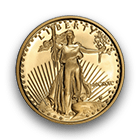
Indeed, premiums on PCGS-graded bullion products are quite reasonable with the authentication and grading fee often comprising less than one percent of the overall price, when it comes to one-ounce gold bullion coins. Many astute bullion investors also target PCGS-graded U.S. $10 and $20 classic gold coins (because of their known gold content), depending on the current premium.
Regardless of whether your PCGS-graded gold is bullion or numismatic related, you can easily discern current melt values based on the daily spot price. Monitoring changes in bullion spot prices allows you to determine, at the very least, the melt value of your bullion or collectible coins at any time. In other words, you can determine the basal value of your item any time you wish.
Some of the highlights of the U.S. Mint’s 2024 production issues include the Liberty and Brittania gold coins and silver medals produced in conjunction with the Royal Mint in Great Britain, as well as the perennially popular annual American Eagle gold and silver issues. The 2024 Morgan and Peace Dollar in uncirculated and proof finishes have been quite popular reboots of historic mint issues also.
New from the U.S. Mint last fall are the 230th Anniversary Flowing Hair medals. This series, including a gold piece and silver medal, features a modern rendition of the classic Flowing Hair design of the 1790s and promises to be a popular collector issue much like the modern Morgan and Peace Dollar issues. The perfection of modern production methods using a classic U.S. coin design is an exceptional way to connect to our numismatic past.
The market for bullion and rare coins is constantly changing. While there is little you can do to accurately predict where the market is going, you can be aware of and prepare for what you want to do!


 Copper & Nickel
 Silver Coins
 Gold Coins
 Commemoratives
 Others
 Bullion
 World
World
 Coin Market
 Auctions
 Coin Collecting
 PCGS News