



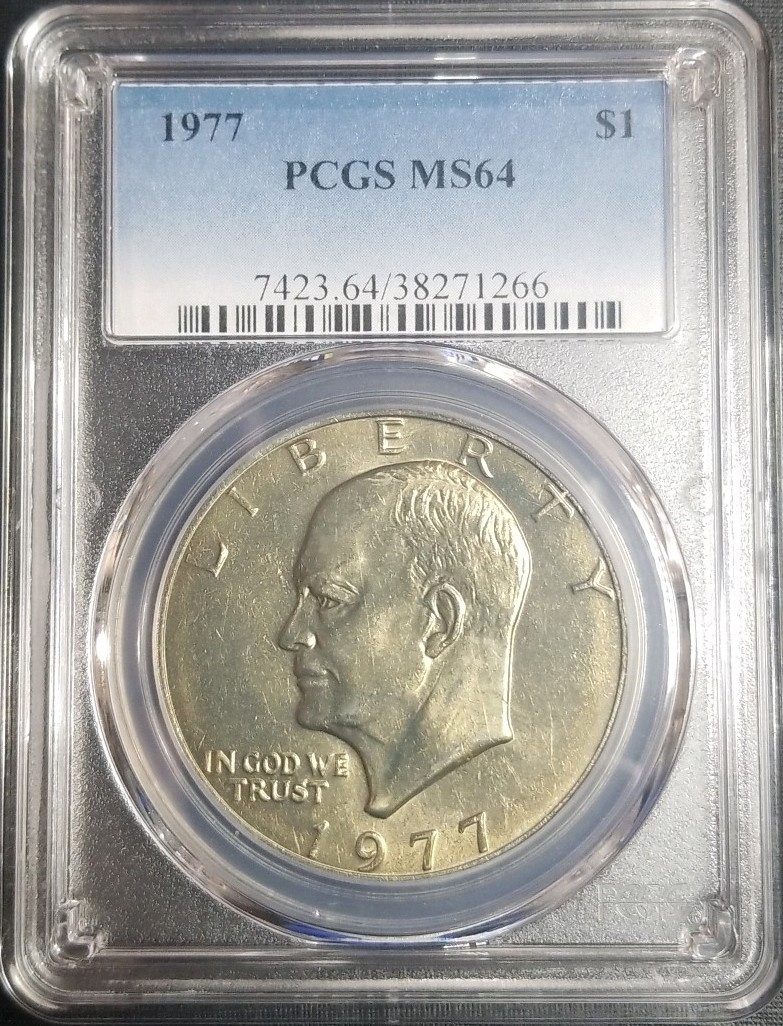
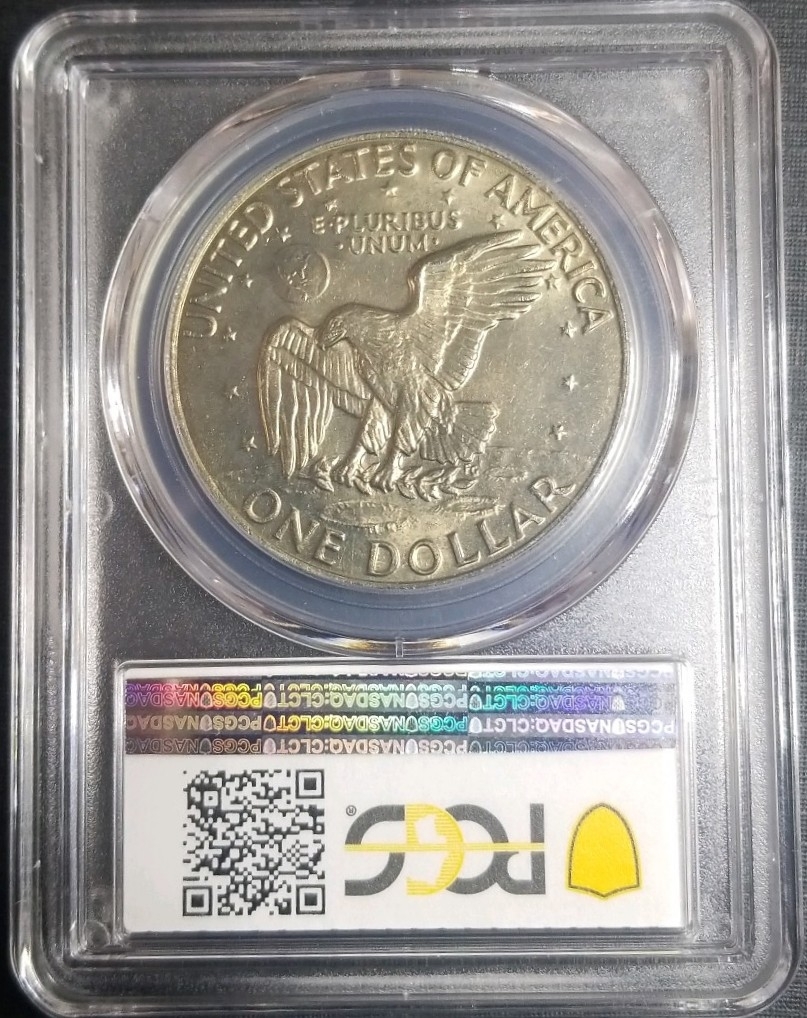
1977 $1 MS64 Certification #38271266, PCGS #7423
Expert Comments
Jaime Hernandez
The 1977-P is the best struck Philadelphia circulation strike Eisenhower Dollar from the Type 1 (1971-1974) issues. In MS60 - MS64 condition they are easily obtainable with most examples still being raw. In MS65 condition they start to become tougher but not scarce and possibly over ten thousand examples survive in this condition. In MS66 they are challenging to locate and maybe a couple thousand examples survive in this condition. In MS67 they are very scarce as there are less than two dozen examples known in this grade with none being finer.
PCGS Set Registry
After two years of striking Eisenhower Dollars with the Dennis R Williams Bicentennial design, production resumed with the coin’s original Apollo 11 reverse. By 1977, Congress and the Treasury had already begun to develop plans for reforming the denomination and replacing the bulky, impractical Ike Dollar with a smaller dollar coin.
Treasury Secretary W. Michael Blumenthal saw the small dollar as a potential cost saver, figuring that Americans would prefer the coin over the $1 Federal Reserve Note. History would prove him, Congress, and the vending machine industry all wrong.
As for the Eisenhower Dollar, production continued, but at a significantly lower level than was seen during the Bicentennial years of 1975-1976. Denver struck more coins, primarily due to demand from the Las Vegas gaming industry and the sparsely populated areas of the Mountain West.
Denver Strikes Still Better, But the Gap Is Closing
PCGS Set Registry participants are well aware that the quality of Philadelphia circulation strike Eisenhower Dollars typically lags behind the Denver issues. This remains true for the 1977 Eisenhower Dollar (#7423) and the 1977-D (#7424), even though the quality of the Philadelphia Eisenhower Dollars had improved somewhat. The PCGS Population Report suggests that coins graded MS66 or better are more available from the P-Mint, but a larger sample size might be necessary to see how this plays out across the general Mint State population. My experience tells me that the Denver coins still hold an eye appeal advantage, even though the quality gap began closing significantly in 1977 and 1978.
Mint Sets Provide Gems, But Collectors May Fare Better With Original Rolls
The United States Mint produced 2,006,869 Uncirculated Coin Sets in 1977. These sets include an uncirculated example of each coin struck at the Philadelphia and Denver Mints. The quality of these coins will vary, but if one has the opportunity to inspect the contents of multiple sets, it won’t take too long to find "Gem" quality coins. The PCGS Bell Curve for the date runs from MS64 to MS66, but these totals are largely from a population of screened coins. The typical Mint Set coin might actually grade MS63 to MS64.
Original rolls from the period offer a high degree of hit or miss in terms of grade, but if a few coins have flashy luster and minimal abrasions, it's not unlikely that other coins in the roll will have come from the same batch.
In January 2008, PCGS certified five MS67 coins from one order. This doubled the population at the time, and these coins (#11906279, #11906281, #11906285, #11906288, and #11906290) were known by specialists as “Hoard Coins.” Whether these came from an original bag or roll is unclear, but it took seven years before PCGS certified another five coins at this grade.
* * *
Rarity and Survival Estimates Learn More
| 65 or Better | 12500000 |
| All Grades | 250000 |
| 60 or Better | 8000 |
| 65 or Better | R-1.0 |
| All Grades | R-1.8 |
| 60 or Better | R-3.4 |
| 65 or Better | 2 / 14 TIE |
| All Grades | 4 / 14 |
| 60 or Better | 10 / 14 |
| 65 or Better | 2 / 18 TIE |
| All Grades | 5 / 18 |
| 60 or Better | 11 / 18 |
Condition Census Learn More
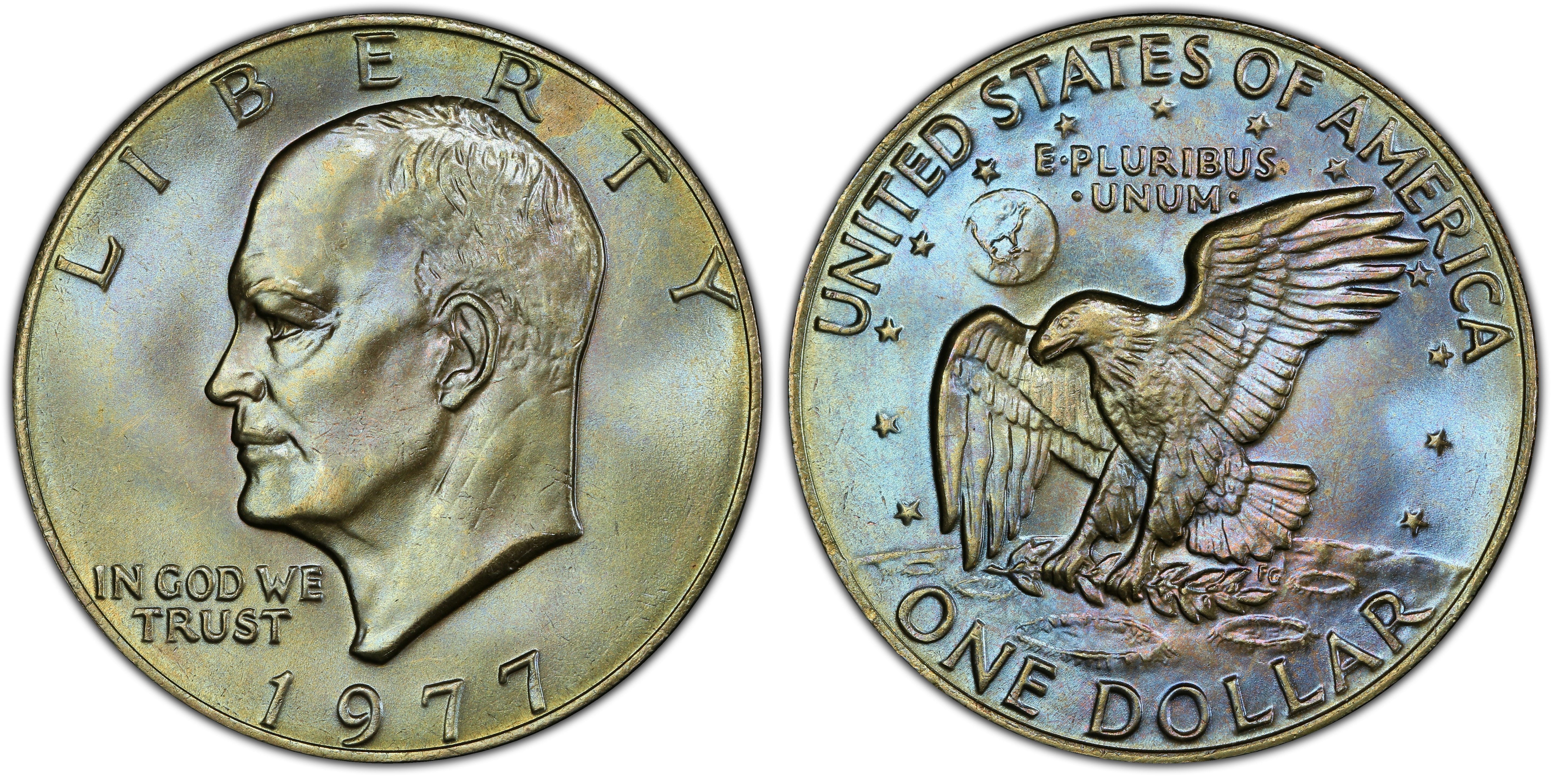 #1 PCGS MS68
James Sego; GreatCollections, March 5, 2023, Lot 1315921 - $27,571.25. Green and gold toning throughout. |
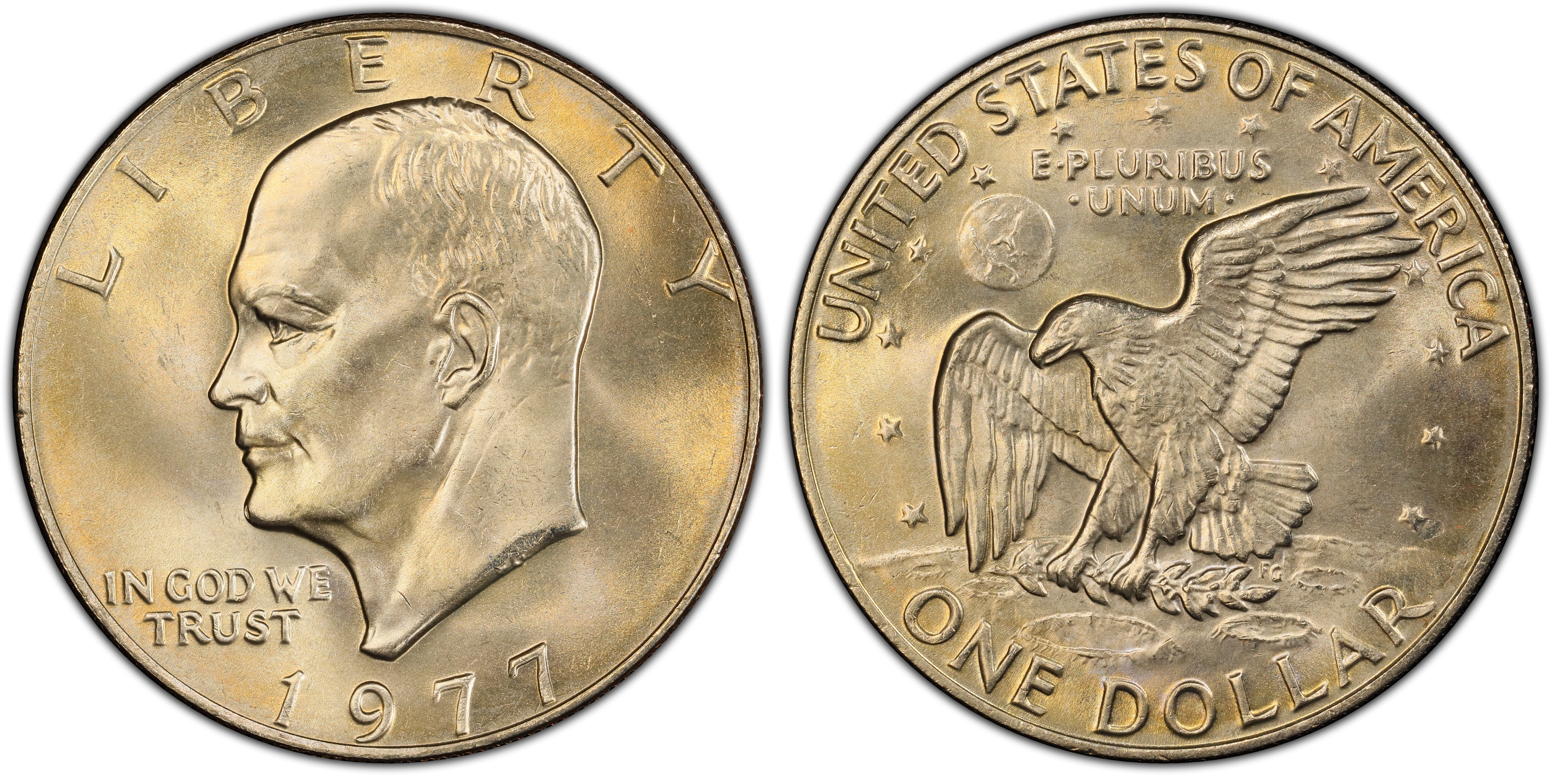 #2 PCGS MS67+
"McCaw Family Trust" (PCGS Set Registry). |
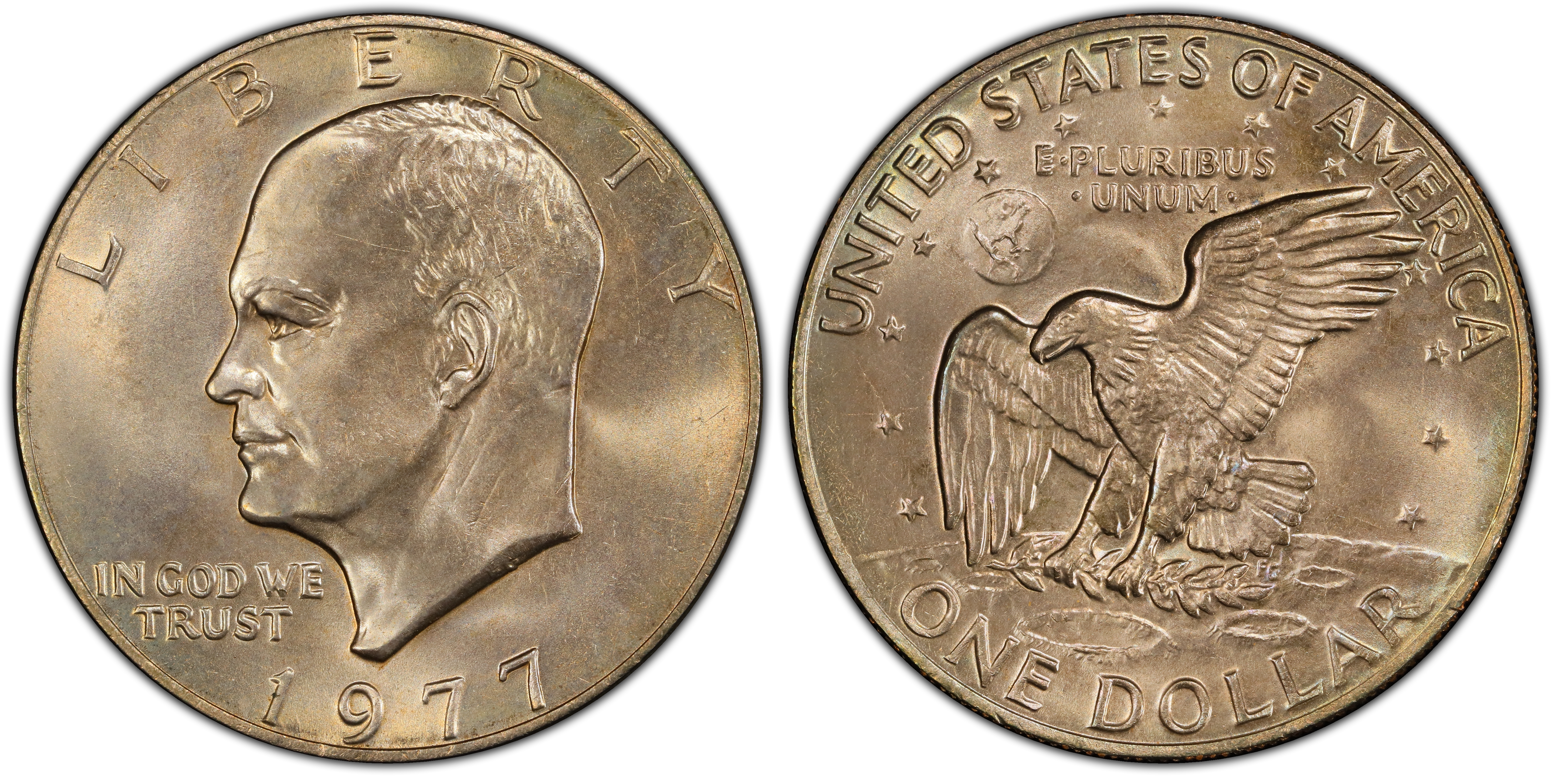 #2 PCGS MS67+
"The Elite Collection" (PCGS Set Registry). |
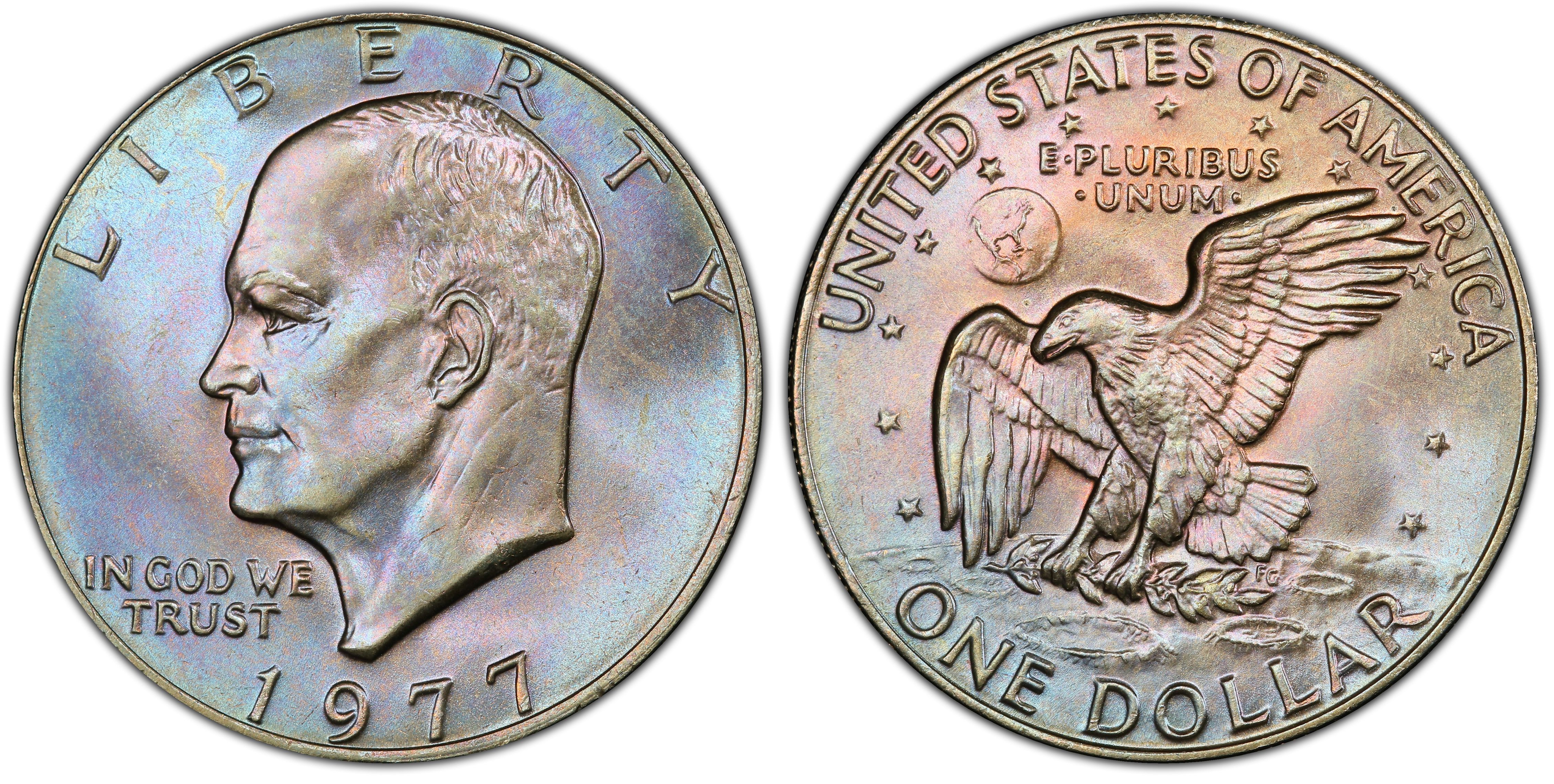 #2 PCGS MS67+
|
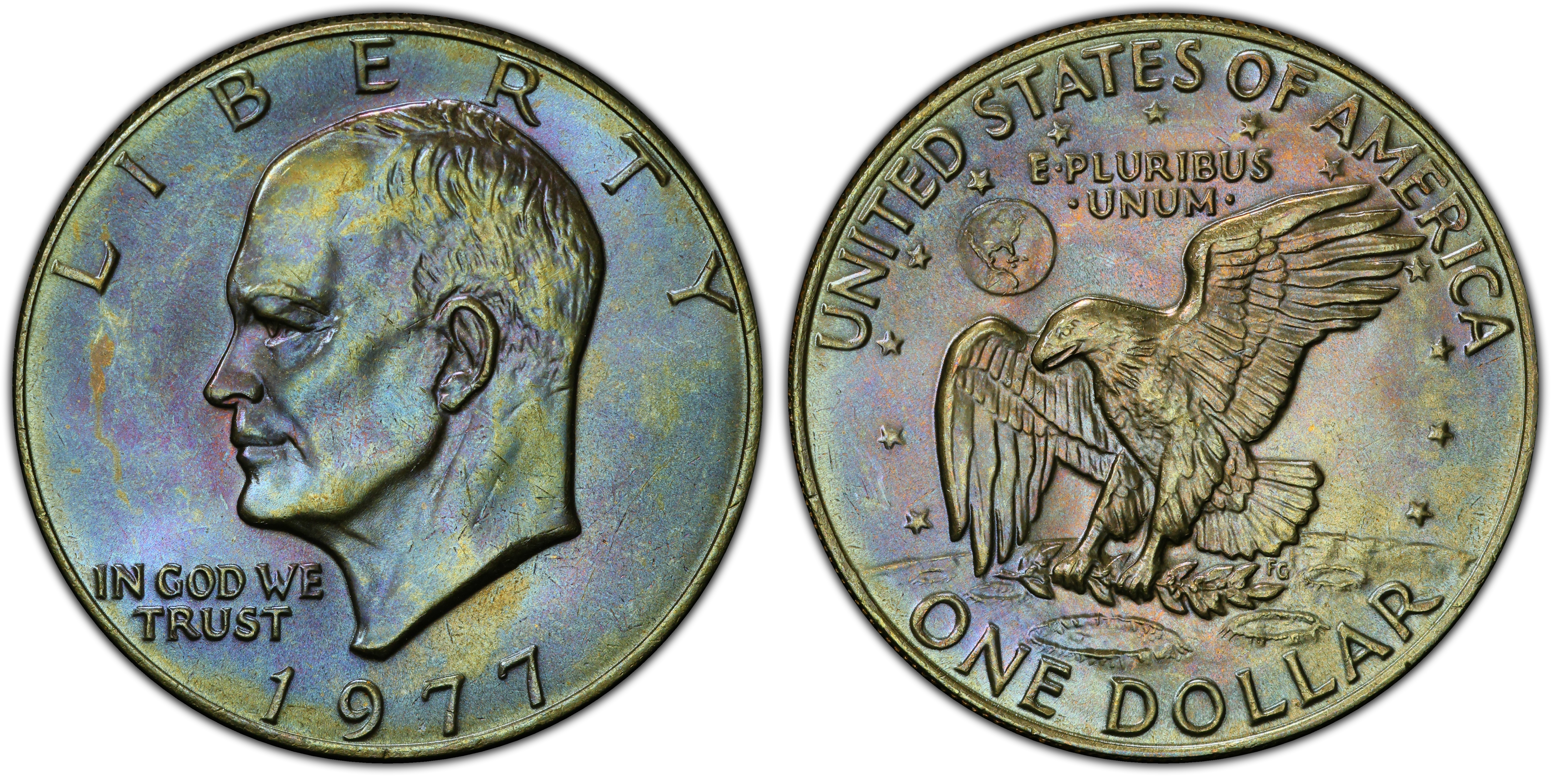 #2 PCGS MS67+
|