



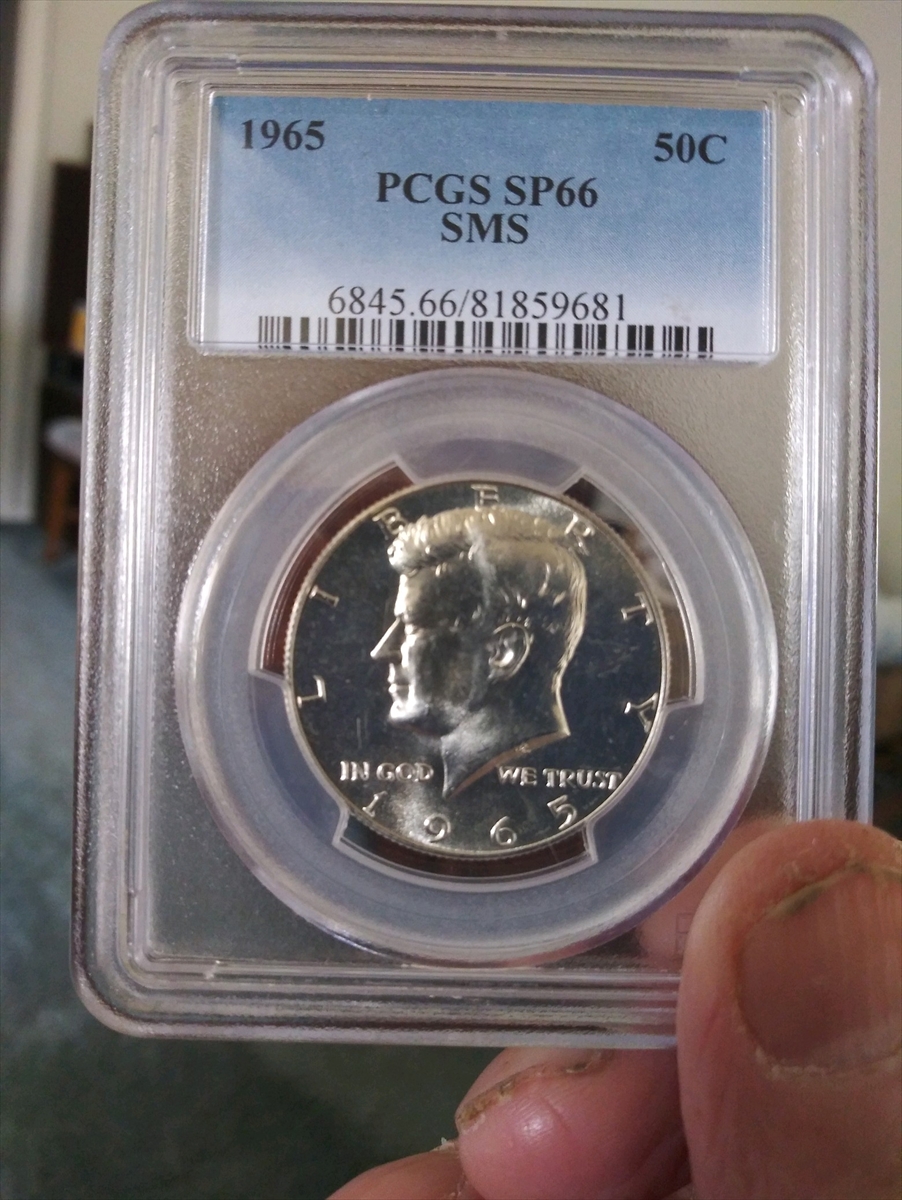
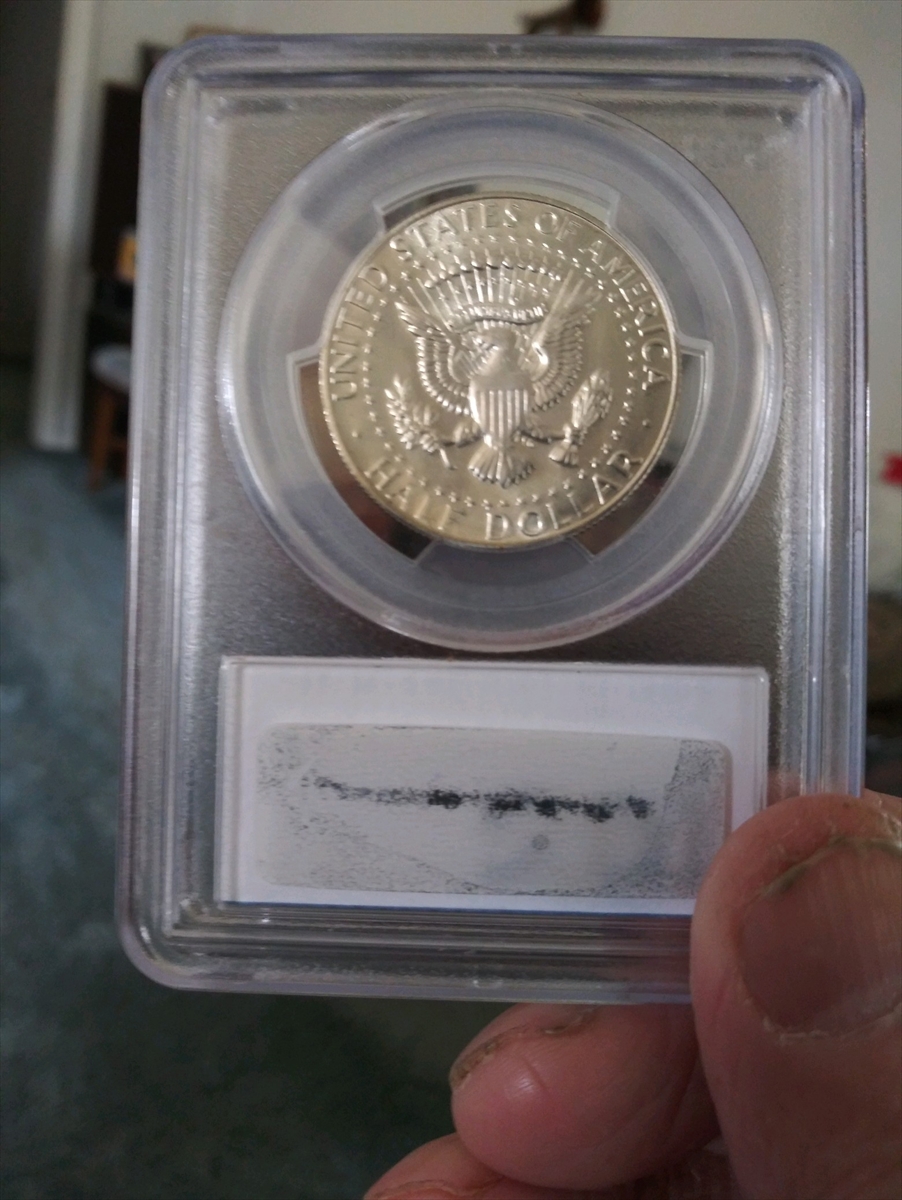
1965 50C SMS SP66 Certification #81859681, PCGS #6845

Expert Comments
Charles Morgan
From Silver to Clad
By the early 1960s, global silver consumption had reached levels that made its continued use in circulating coinage unsustainable. Despite rising production, industrial demand was so aggressive that the intrinsic (bullion) value of American silver coins began to exceed their face value. Speculators capitalized on this disparity, triggering a run on the nation’s silver stockpile, which by 1963 was in rapid decline.
While the Treasury Department and the Bureau of the Mint placed undue blame on coin collectors and speculators, a more objective assessment suggests the primary "culprits" were the vending machine and payphone industries—ubiquitous staples of modern American life that required massive volumes of coinage to function.
Congress’s decision to honor the late President Kennedy on the 50-cent piece exacerbated the shortage. When the 1964 Kennedy Half Dollar (#6706) debuted on March 26, 1964, it was immediately hoarded by a mourning public and investors alike. To stabilize the economy and address the coin shortage, President Lyndon B. Johnson pushed for the Coinage Act of 1965. This landmark legislation:
- Eliminated silver from the dime and quarter, replacing it with a copper-nickel "clad" sandwich.
- Reduced the silver content of the half dollar from 90% to 40%.
- Maintained the status quo for the silver dollar (though none had been struck since 1935).
To prevent a total collapse of commerce during the transition, the Mint simultaneously produced 1964-dated silver coins and 1965-dated clad coins well into 1966. Interestingly, production of the 1965 Kennedy Half Dollar (#6708) did not actually commence until 1966.
The Birth of the Special Mint Set (SMS)
As the Mint struggled to meet the demand for circulating coins, it viewed the numismatic community as an "irksome" distraction. To chill speculation and focus resources on commerce, the Mint took two drastic steps:
Discontinued Mintmarks: From 1965 to 1967, no mintmarks were used, regardless of where the coin was struck. This is why the "S" for San Francisco does not appear on 1965 SMS coins.
Suspended Proof Sets: In 1965, the Mint replaced both the traditional Proof Set and the Uncirculated Mint Set with a single product: the Special Mint Set (SMS).
The 1965 SMS was housed in the same Pliofilm sleeve used for Proof sets since 1955. At an issue price of $4.00 (roughly $41.55 in today's inflation-adjusted dollars), it was nearly double the cost of the 1964 Proof Set. Of the 2,830,000 sets struck at the San Francisco Assay Office, only 2,360,000 were sold.
Collecting the 1965 Kennedy Half Dollar (SMS)
While examples in top PCGS grades fetch eye-popping prices, the 1965 SMS Kennedy remains highly accessible. Original sets can often be found for $25.00 or less—considerably lower than their original inflation-adjusted cost. This "basal" value is largely tied to the melt value of the 40% silver half dollar; given silver's recent historic run, these prices will likely continue to climb in accordance with the prevailing spot price. The value of PCGS-certified coins is largely dependent upon grade, designation, and eye appeal.
Bureau of the Mint, Treasury Department, Washington, D.C. 20220
Dear Friend:
These coins, which constitute our first issue of United States Special Mint Sets, were struck at the U.S. Assay Office at San Francisco, California. In addition to the 1965 dated nickel and cent pieces, the set contains three new clad coins authorized by the Coinage Act of 1965. Special Mint Sets are made from specially prepared and polished blanks and struck on high tonnage presses with polished dies. We have endeavored to minimize scratches and discoloration. It is possible that tarnishing and discoloration may occur, particularly if removed from the packages, and if exposed to heat of direct sunlight. We cannot undertake to make exchanges. Your name has been added to the mailing list kept by the United States Assay Office at San Francisco and you will be sent order blanks for such new issues as may be offered for sale. We hope these coins will be pleasing to you, and that we may have the privilege, again, of serving you.
DIRECTOR OF THE MINT
Quality and Designations
Although SMS coins were struck with higher pressure than business strikes, they are rarely perfect. Because they were handled in bulk, most exhibit contact marks, and some retain imperfections present on the planchet before striking. However, a small minority possess Cameo or Deep Cameo contrast, which has become a major focus for modern specialists. Note: PCGS originally used "MS" (Mint State) to designate "SMS" coins, but now uses "SP" (Specimen).
* * *
Condition Census Learn More
|
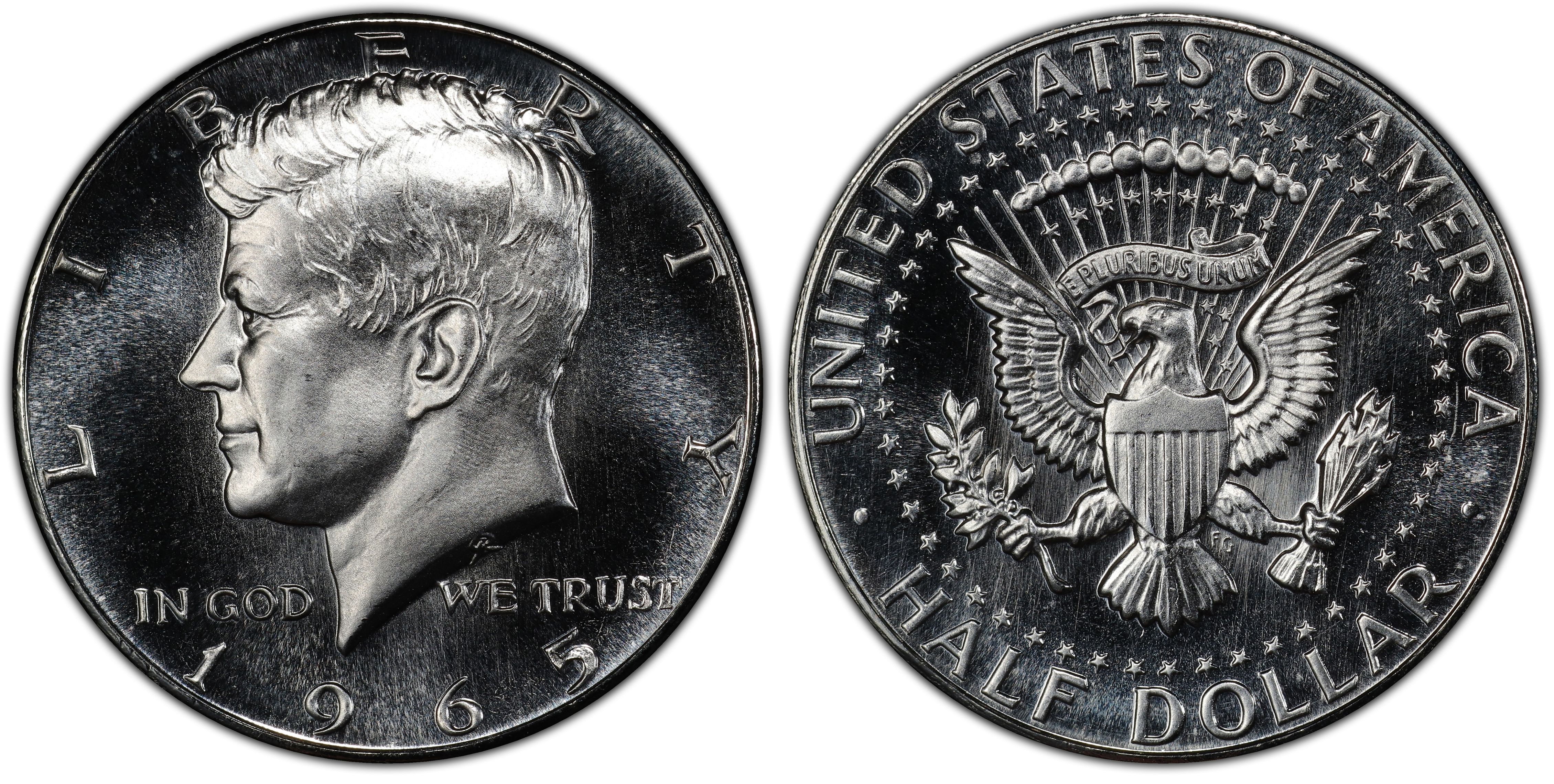
#1 PCGS SP68
GreatCollections, June 23, 2019, Lot 717957 - $123.77. |
 #1 PCGS SP68
|
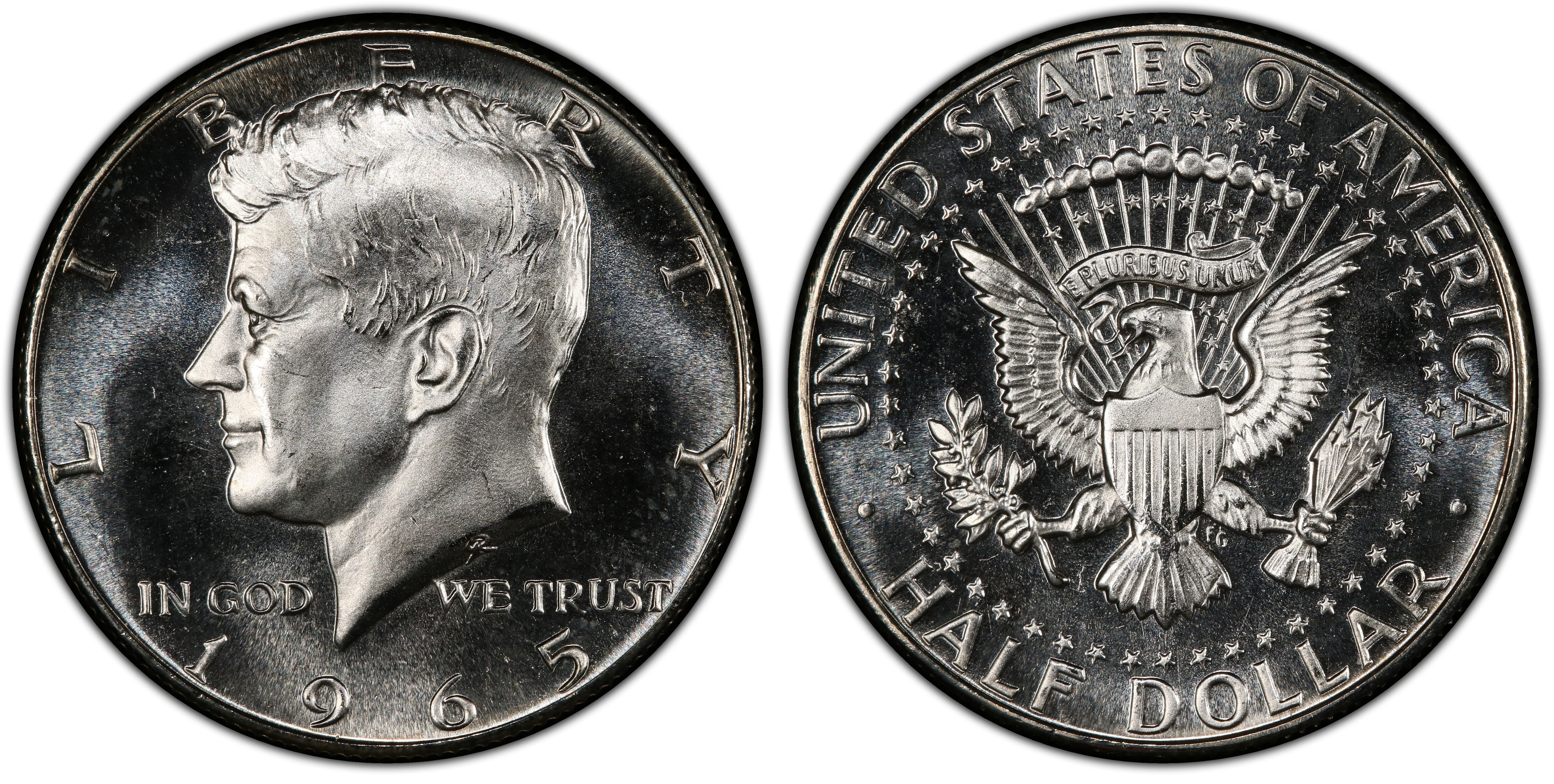 #1 PCGS SP68
GreatCollections, August 13, 2017, Lot 487061 - $199.13; "The Linda Gail Collection" (PCGS Set Registry). |
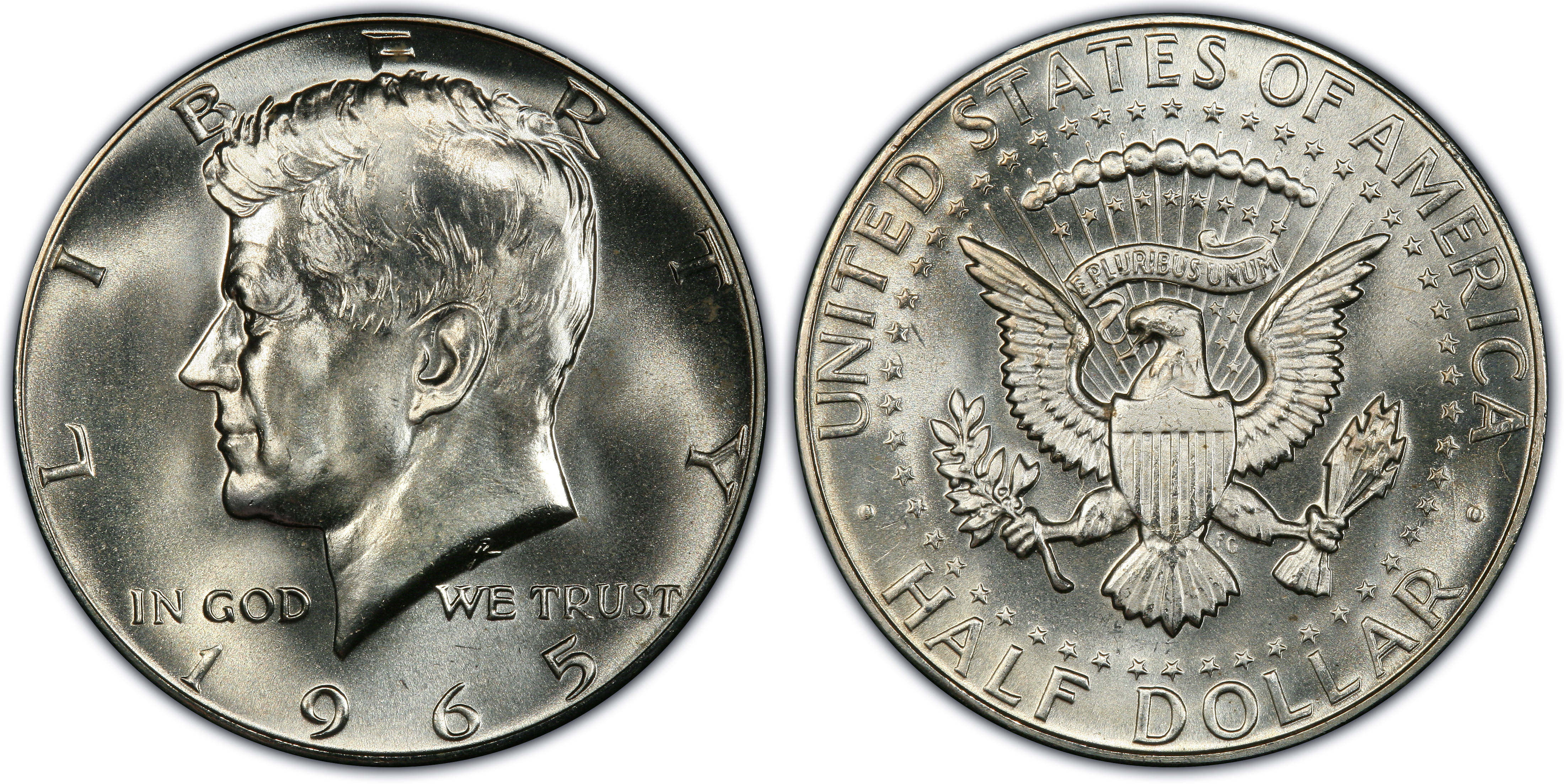 #1 PCGS SP68
"The O'Conner SMS Set" (PCGS Set Registry). |