



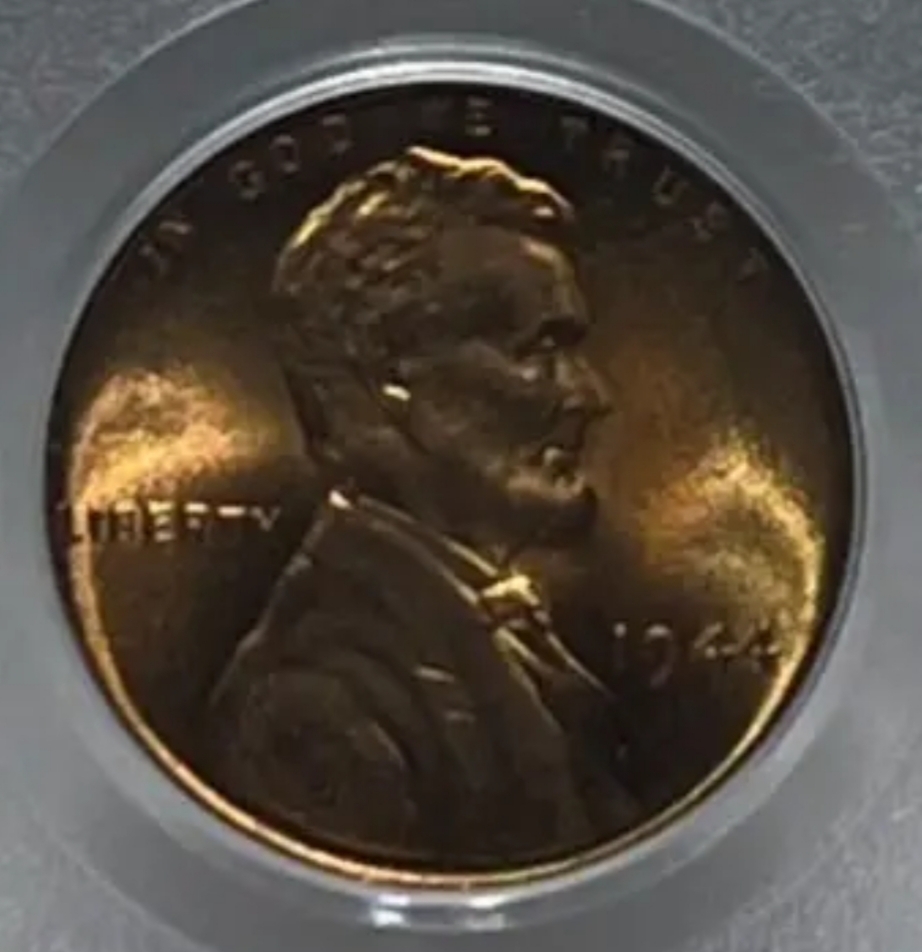
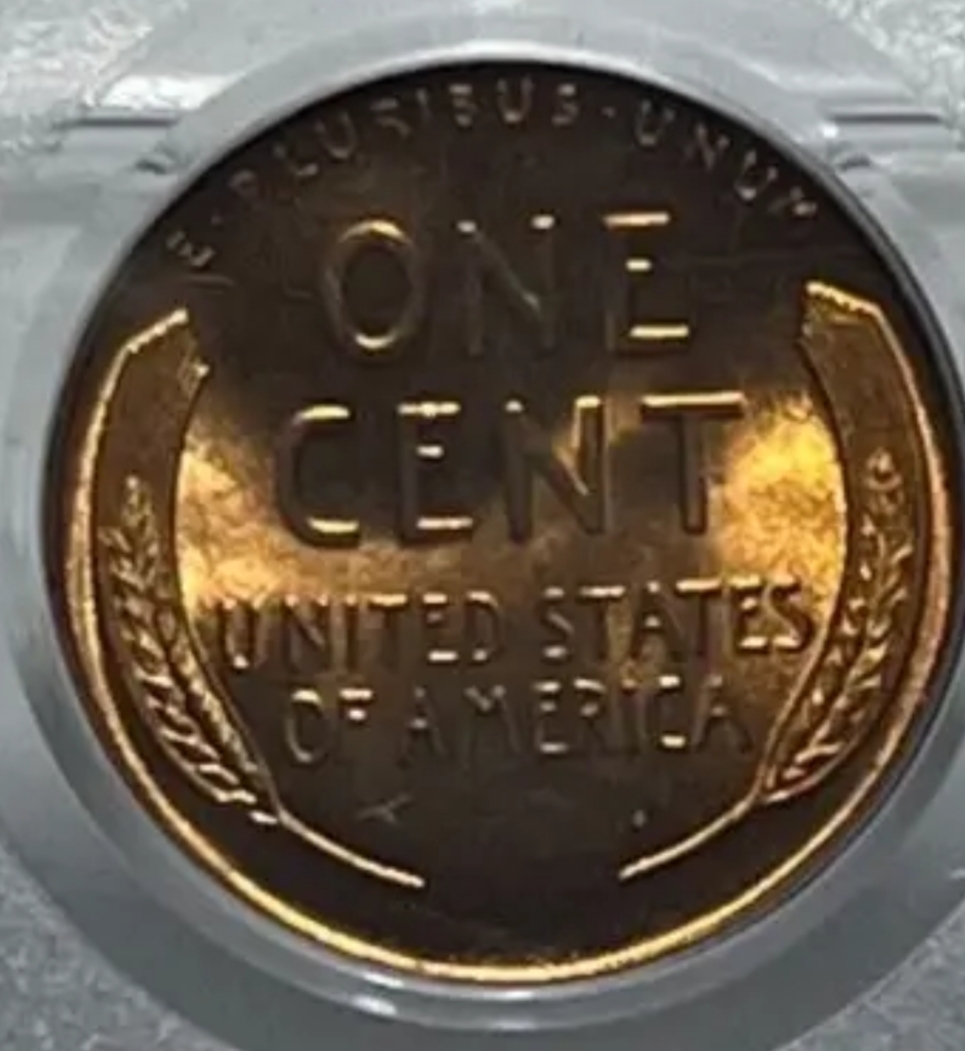
1944 1C, RD MS66RD Certification #03302568, PCGS #2722
Expert Comments
Charles Morgan
The 1944 Lincoln Cent: A Return to Copper
The 1944 Lincoln Cent (BN #2720, RB #2721, RD #2722) was a return to normalcy following the experimental and largely derided 1943 Steel Cent. The 1943 issue had been a historic pivot—the first one-cent coin in U.S. history struck without a trace of copper. While those zinc-plated steel "white cents" served their wartime purpose, their tendency to rust and their confusing similarity to the silver dime made them deeply unpopular.
Following a December 15, 1943, filing by the Acting Secretary of the Treasury, President Franklin D. Roosevelt signed the authorization to revert to bronze. Production of the new 95% copper alloy commenced on New Year’s Day, 1944.
The "Shell Casing" Myth
For decades, the official narrative held that 1944 cents were struck exclusively from spent brass shell casings salvaged from World War II battlefields. However, numismatic researcher David W. Lange challenged this in his Complete Guide to Lincoln Cents. Lange argued that the staggering mintage of 1,435,400,000 coins—the first U.S. cent to ever cross the one-billion mark—was far too massive to be fueled solely by reclaimed war material. While shell casings were certainly integrated into the melt, they represent only a fraction of the total alloy used.
Value and Market Scarcity
In circulated grades, the 1944 Lincoln Cent is abundant. This date remained a staple of American pocket change for decades, only disappearing as the public began withdrawing Wheat Cents during the 1960s and '70s. Today, circulated examples frequently turn up in "unsearched" rolls. 50-coin rolls of circulated 1944 cents typically retail for less than $10, while single circulated examples can be sourced for about $1.
The true market for this date lies in Mint State specimens. Because so many original rolls were saved, "average" uncirculated coins also remain plentiful, but Superb Gems (PCGS MS67 or better) command a significant premium and are necessary for the completion of a competitive set in the PCGS Set Registry. Here, collectors have choices to make: should one seek out a coin with perfect dies in a high grade, or hunt for an example struck with character—such as attractive toning, die cracks, or evidence of relapping?
The beauty of a date like the 1944, and the Lincoln Cent series as a whole, is that collectors still have the opportunity to hunt for great coins. Many exceptional pieces have been certified by PCGS, but still more undoubtedly remain to be uncovered and added to a connoisseur's cabinet.
* * *
Rarity and Survival Estimates Learn More
| 65 or Better | 18000 |
| All Grades | 18000 |
| 60 or Better | 9000 |
| 65 or Better | R-2.8 |
| All Grades | R-2.8 |
| 60 or Better | R-3.2 |
| 65 or Better | 129 / 143 TIE |
| All Grades | 129 / 143 TIE |
| 60 or Better | 127 / 143 TIE |
| 65 or Better | 129 / 146 TIE |
| All Grades | 129 / 146 TIE |
| 60 or Better | 127 / 146 TIE |
Condition Census Learn More
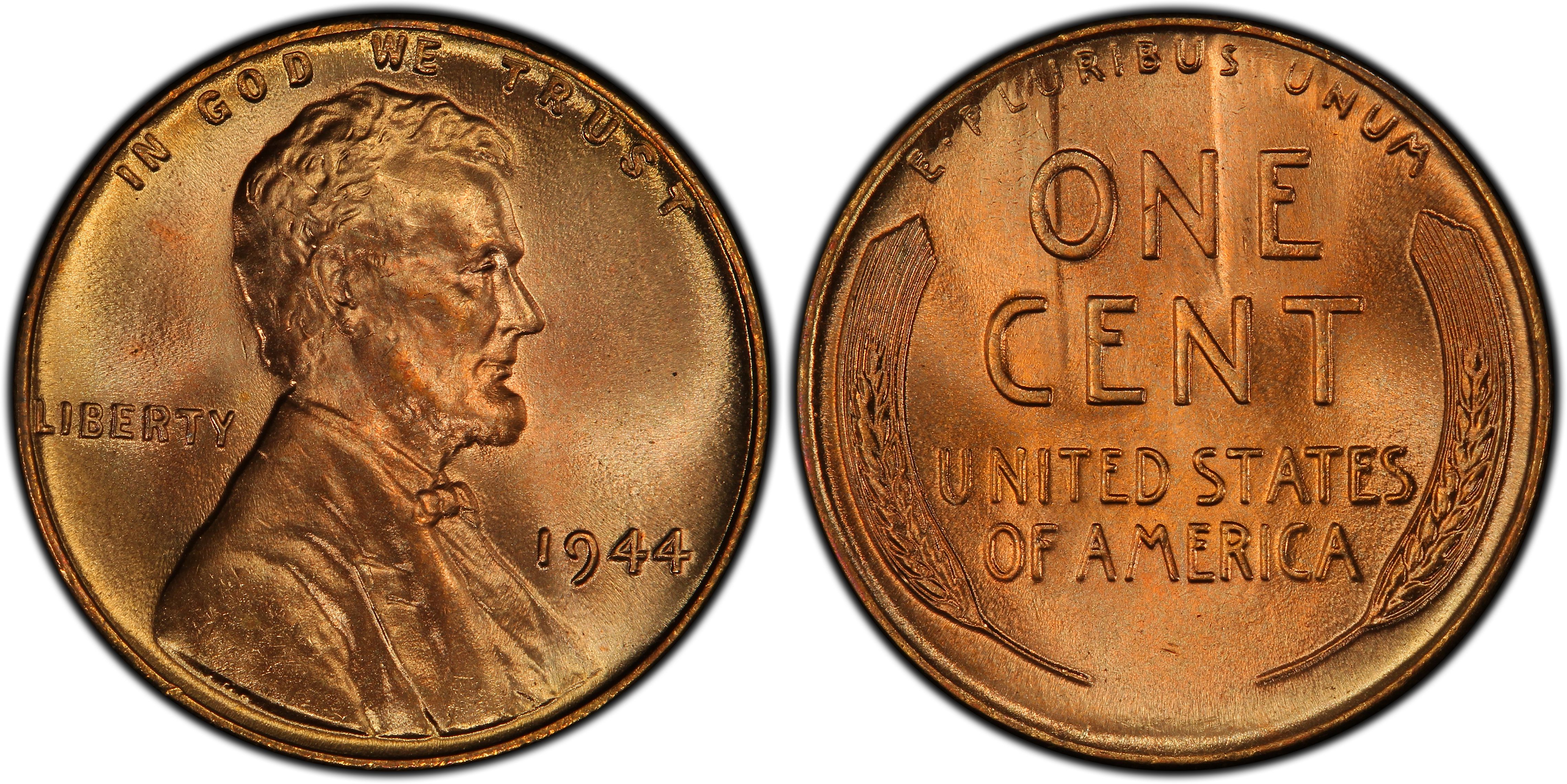
 #1 PCGS MS68RD
“The Jerald L. Martin Collection,” Heritage Auctions, January 10, 2019, Lot 4105 – $11,400; Dell Loy Hansen; "The D.L. Hansen Lincoln Cent Classic Set (1909-1964)" (PCGS Set Registry). Diagonal tick above O of ONE. |
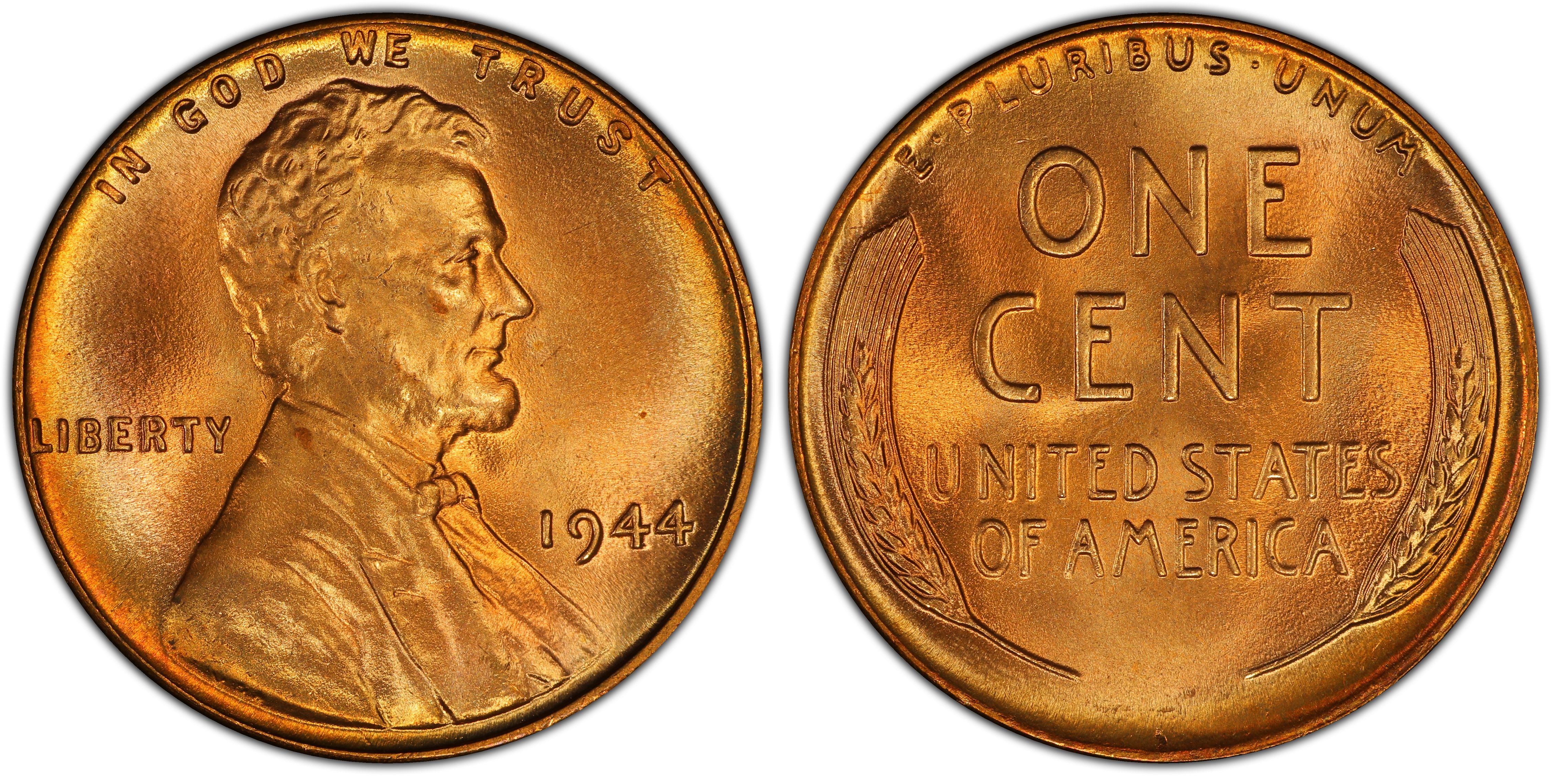
 #1 PCGS MS68RD
"The Dennis' Lincoln Cents Date Set (1909-Present)" (PCGS Set Registry). Die repair evidence visible from the upper border to CENT. Diagonal tick across the left leg of N of ONE. |
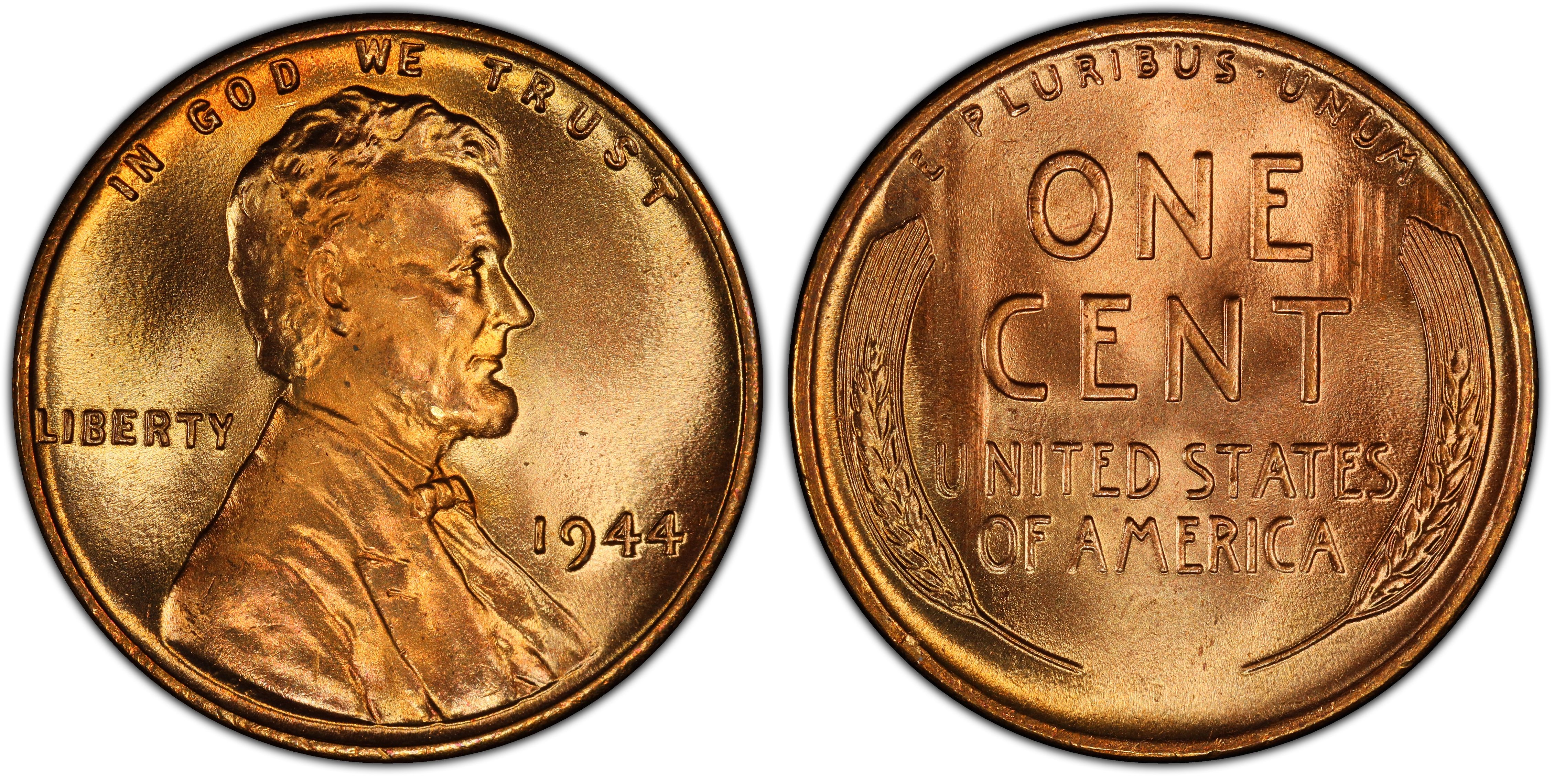
 #1 PCGS MS68RD
Faint orange-red toning on Lincoln's cheekbone and lapel. |
 #1 PCGS MS68RD
As PCGS MS68RD #43877354. GreatCollections, May 1, 2022, Lot 955521 - $16,312.50. As PCGS MS68RD #48300232. “The Whispering Pines Collection,” Heritage, January 16, 2025, Lot 4635 – $10,800. Polishing (As struck) on the inside of the left wheat stalk and at the inside of the top of the right one. Small diagonal tick below I of AMERICA. |