



Hawk Farm Collection's Coin Album
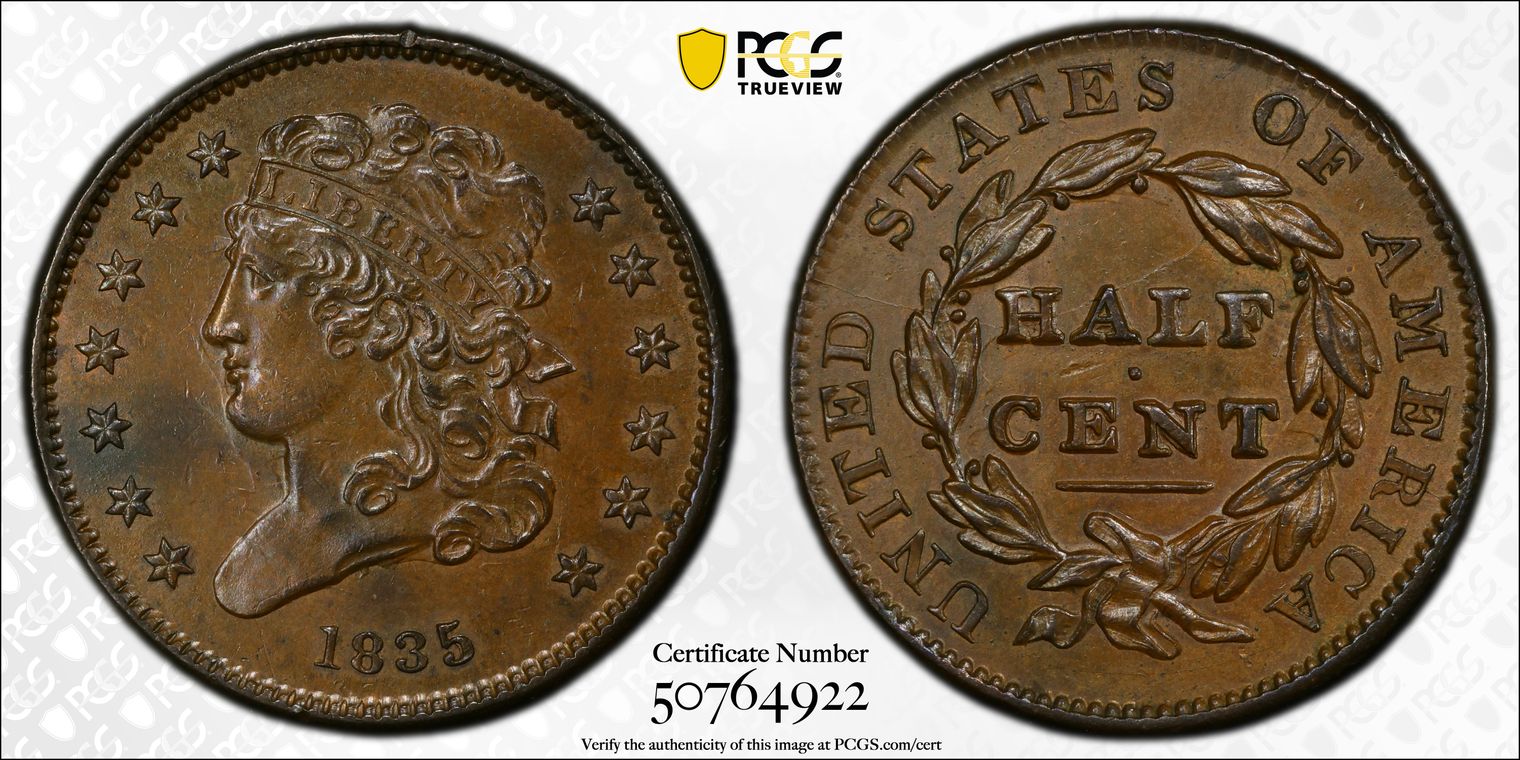

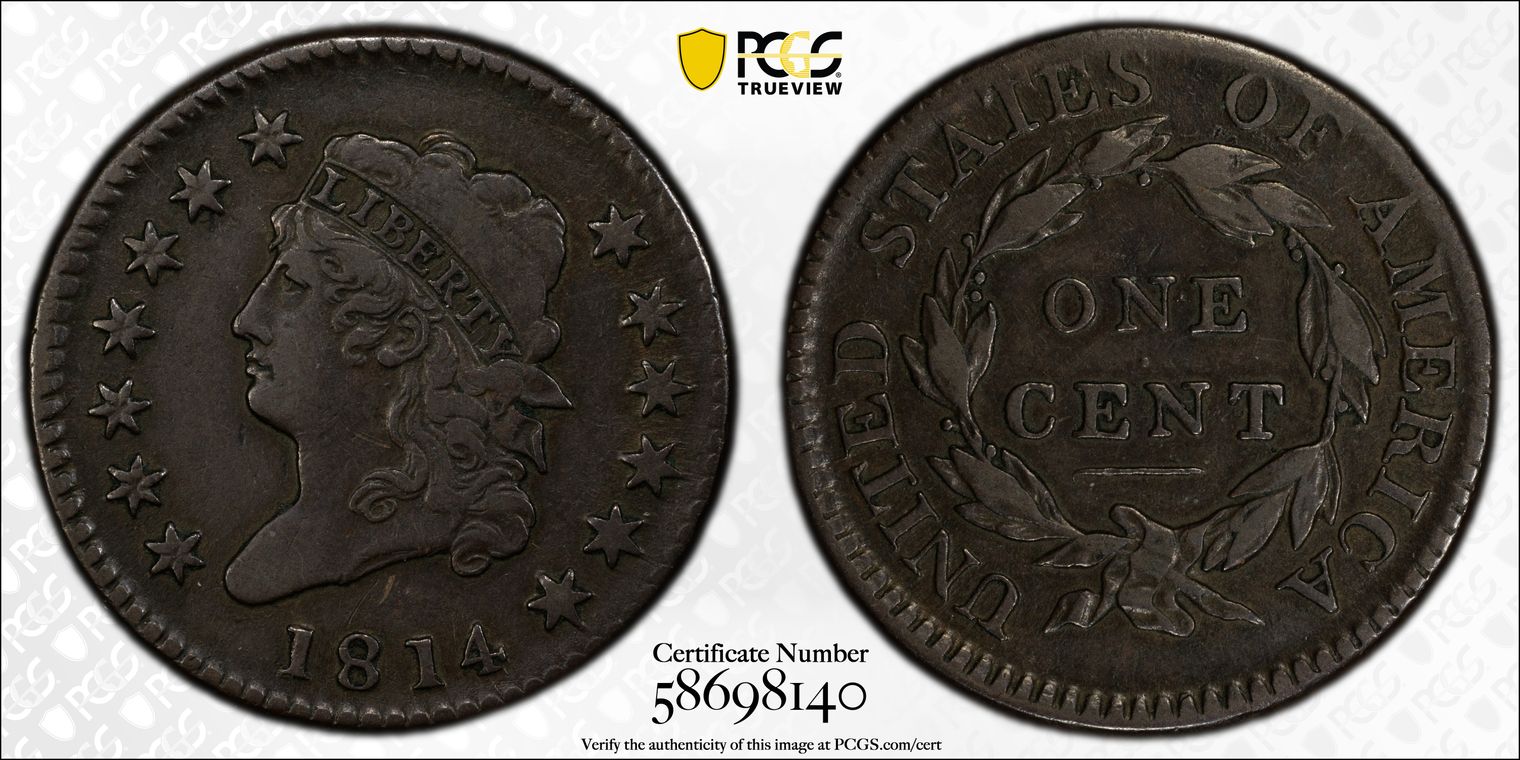
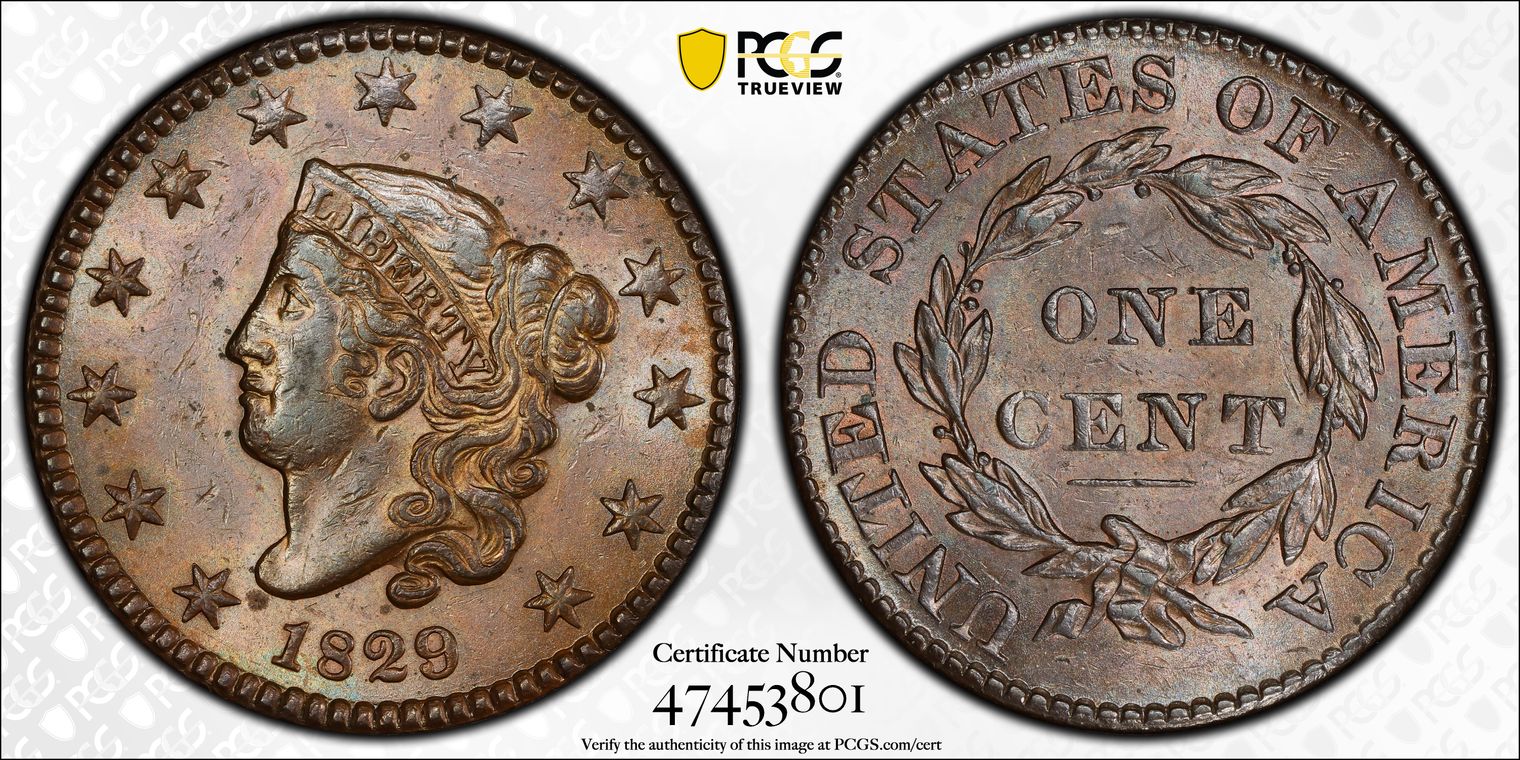
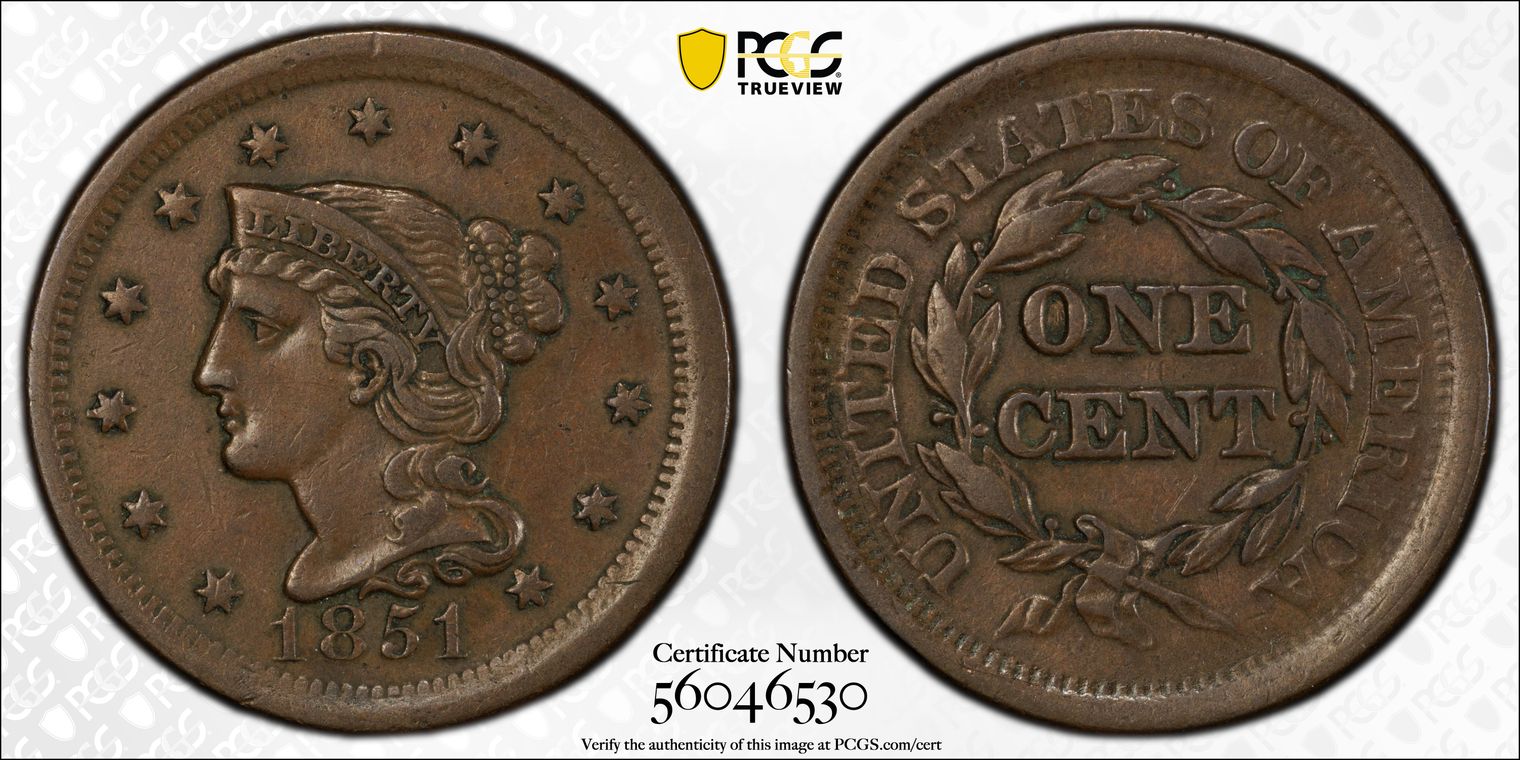
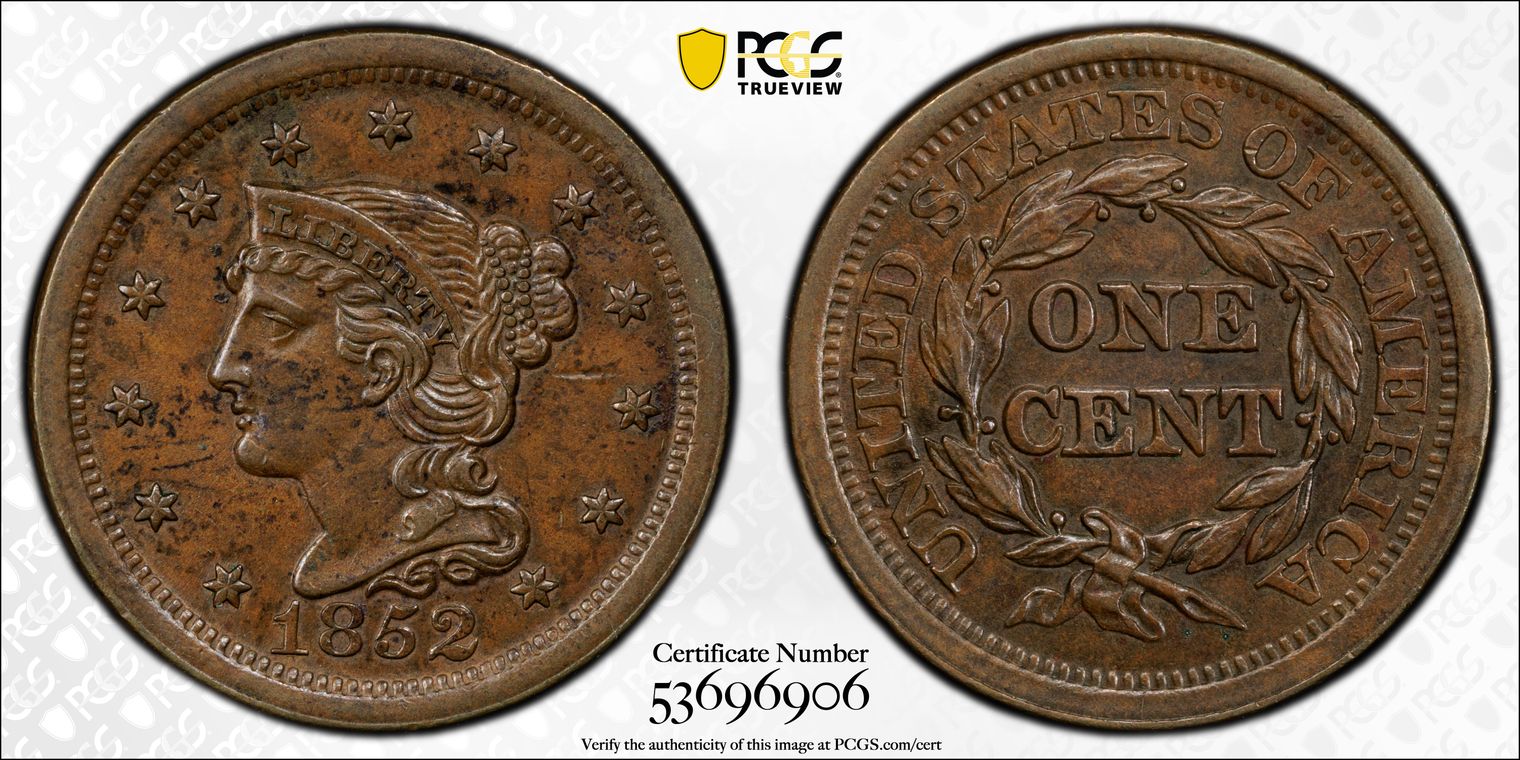
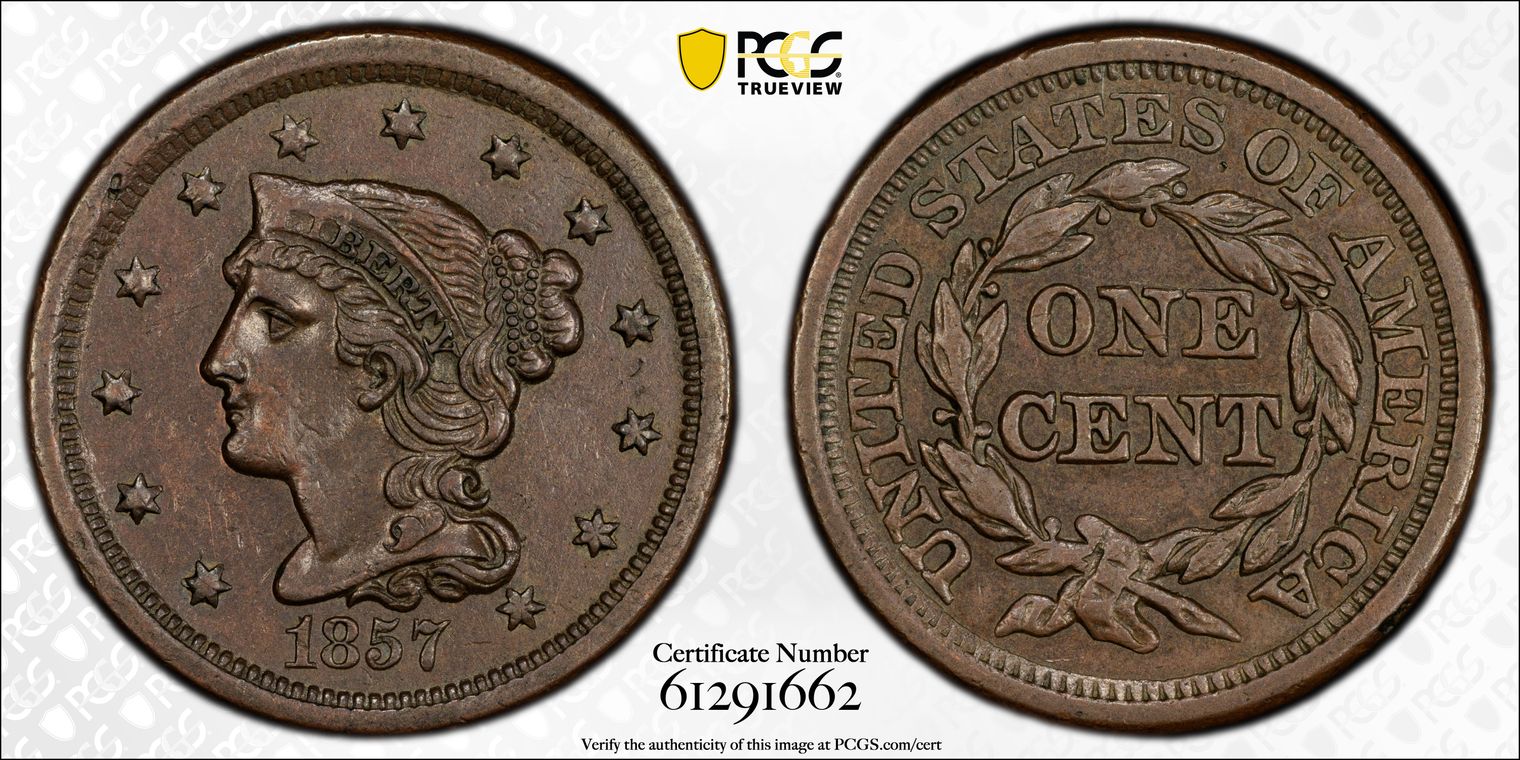

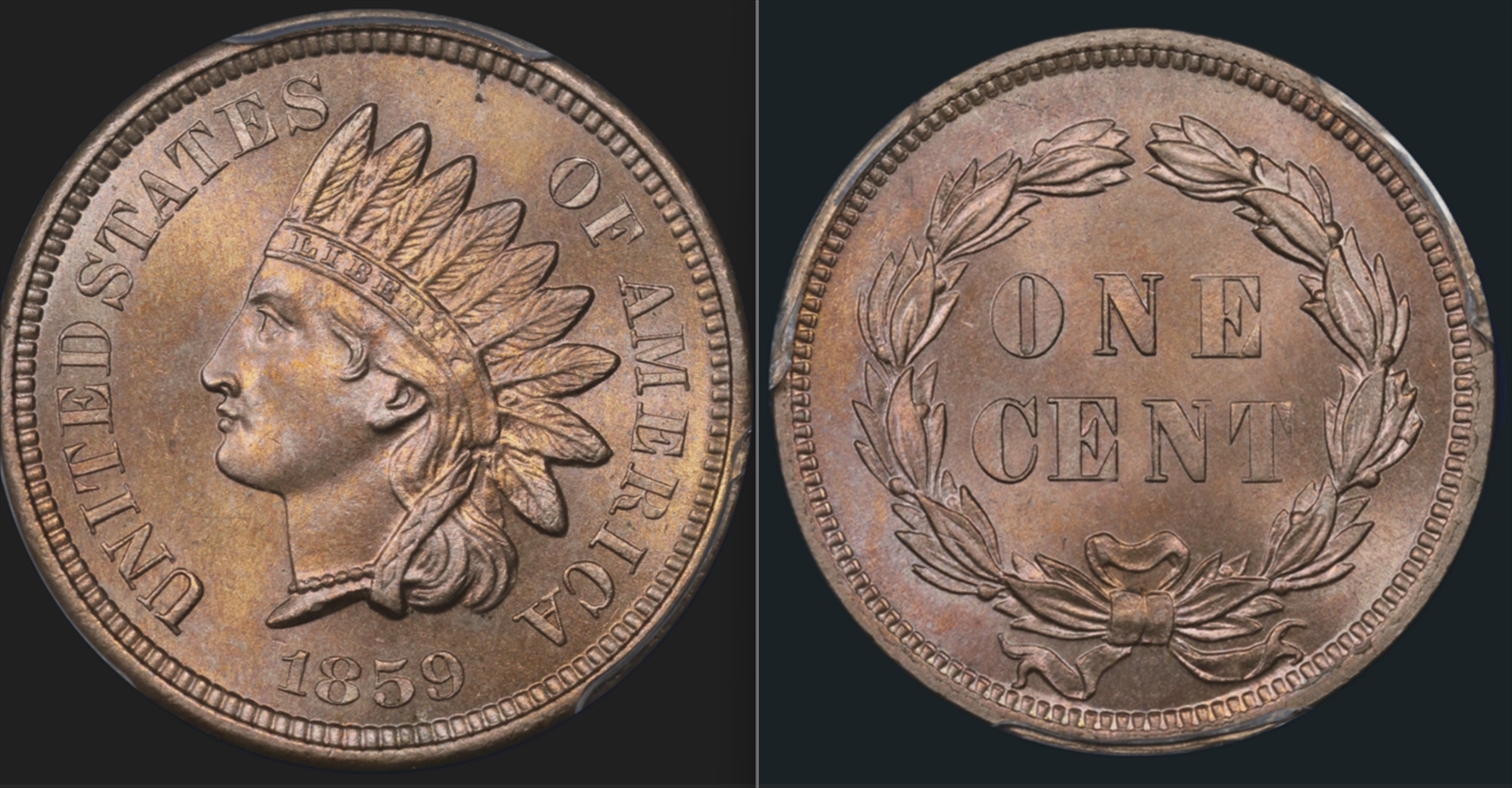
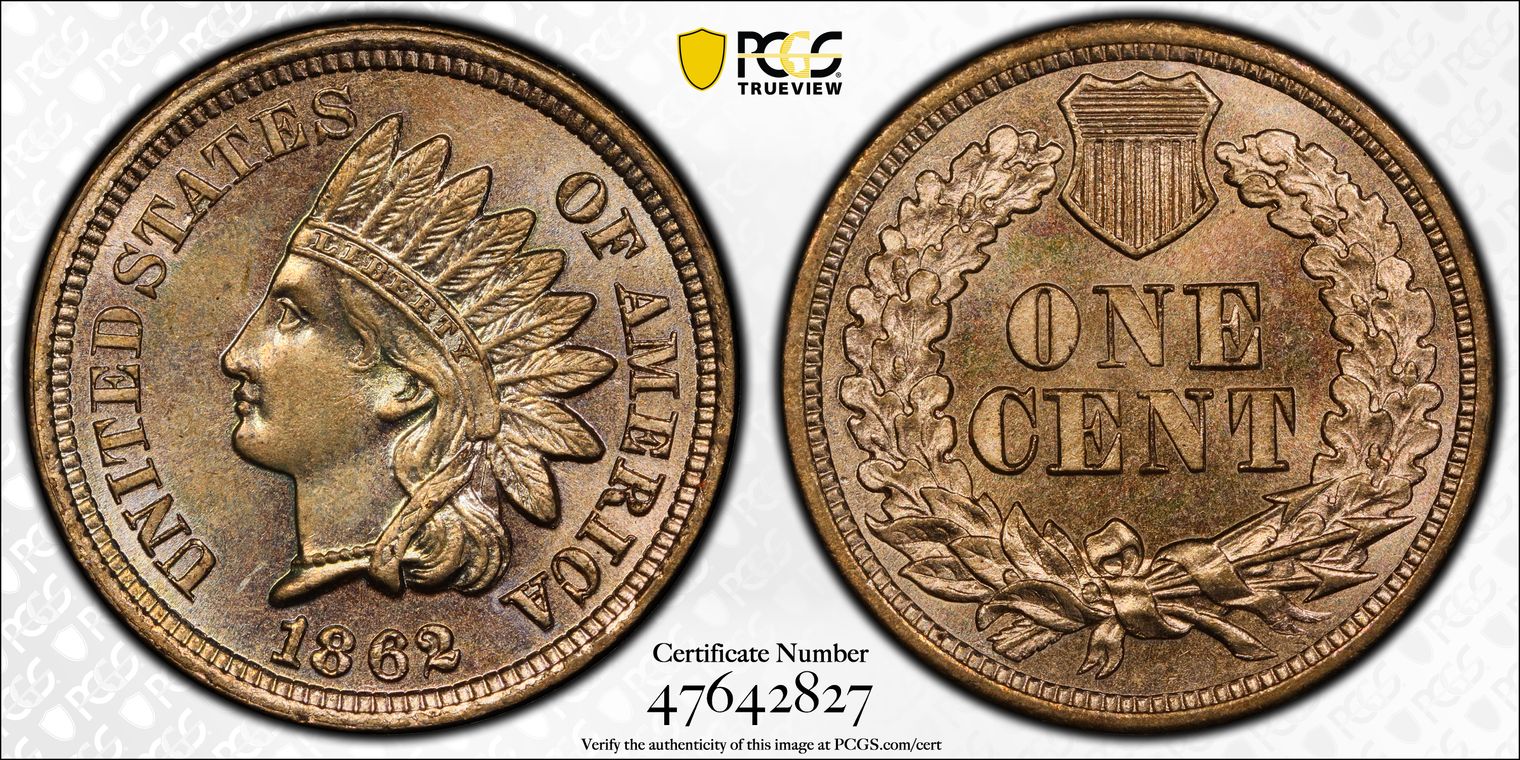
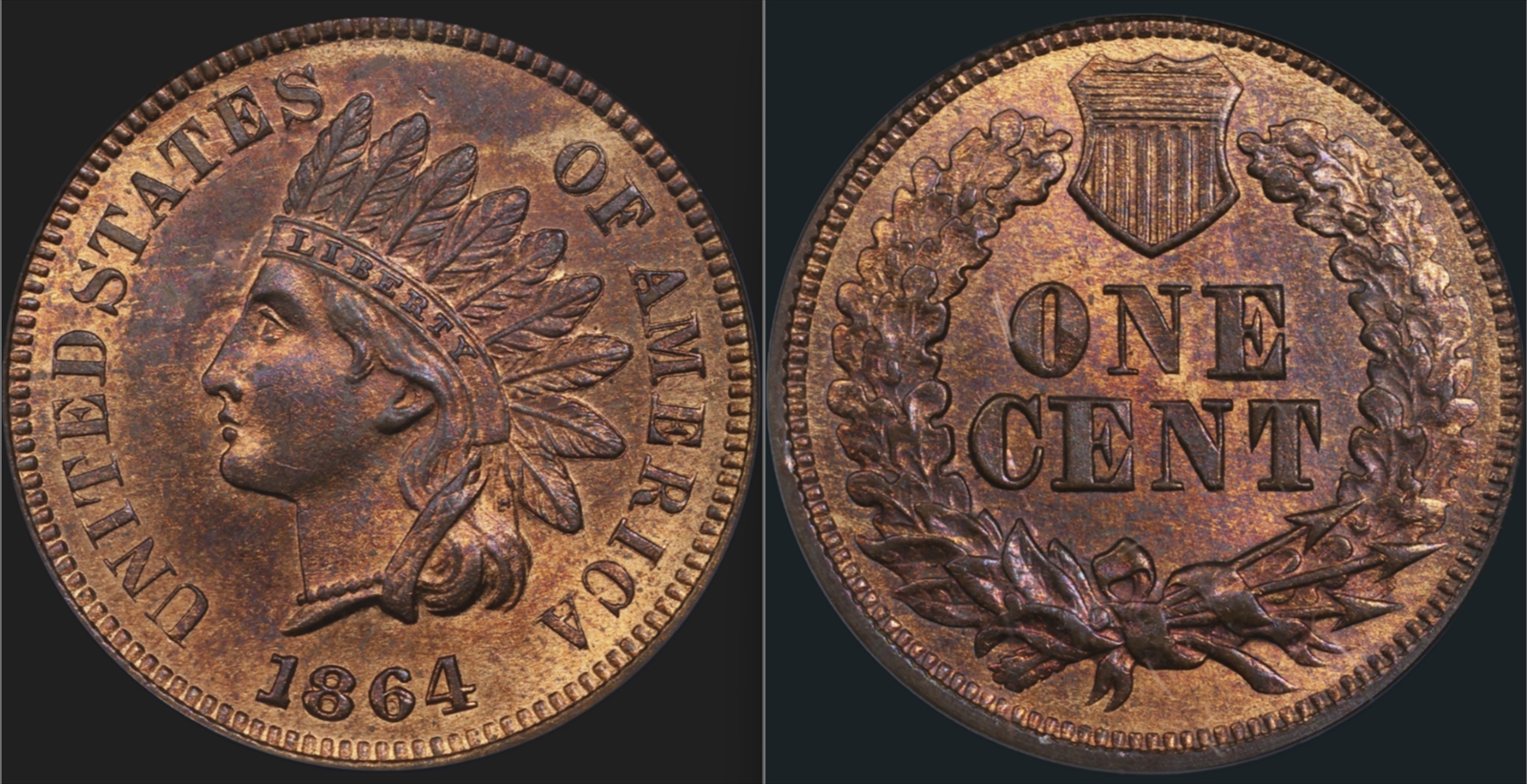
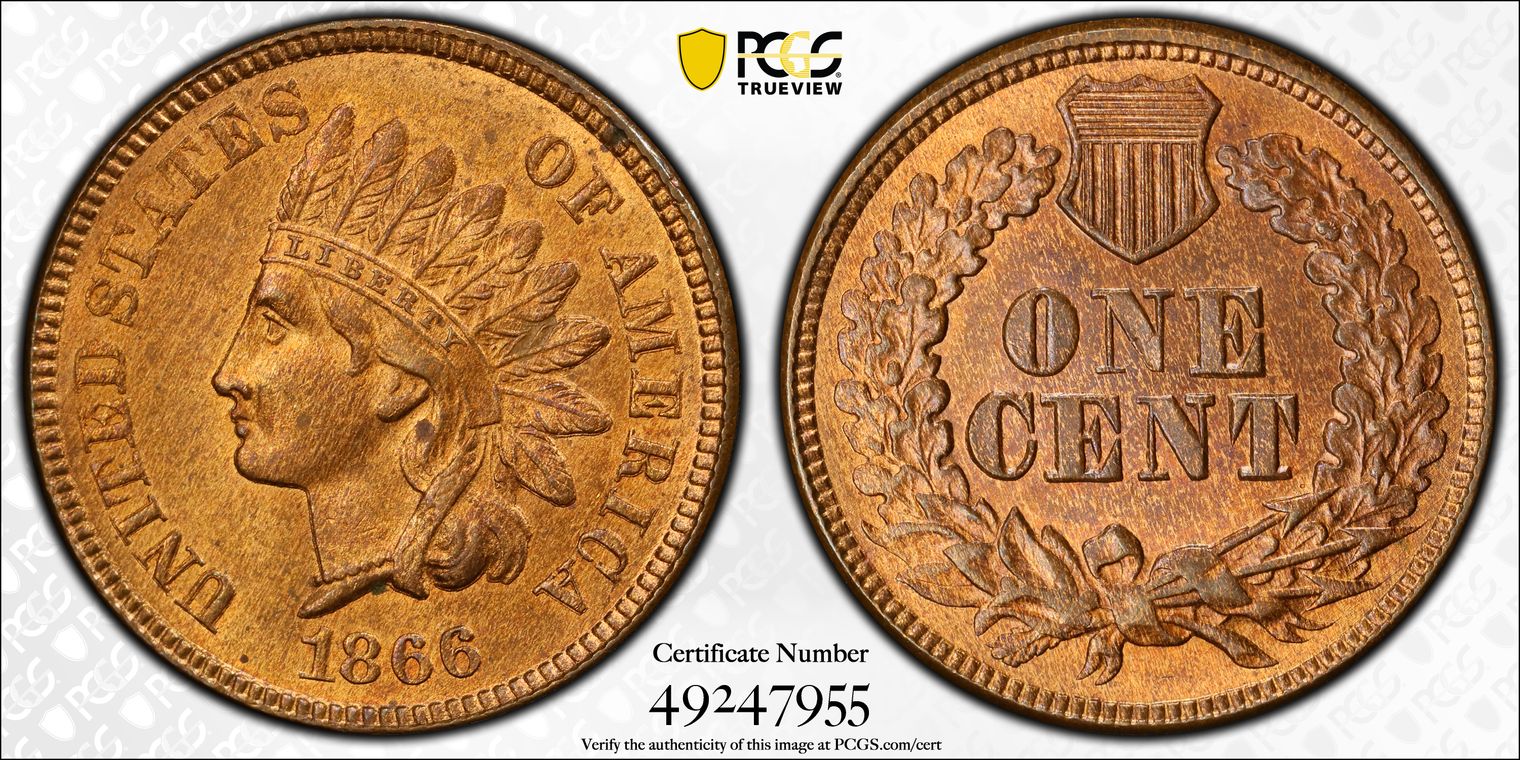
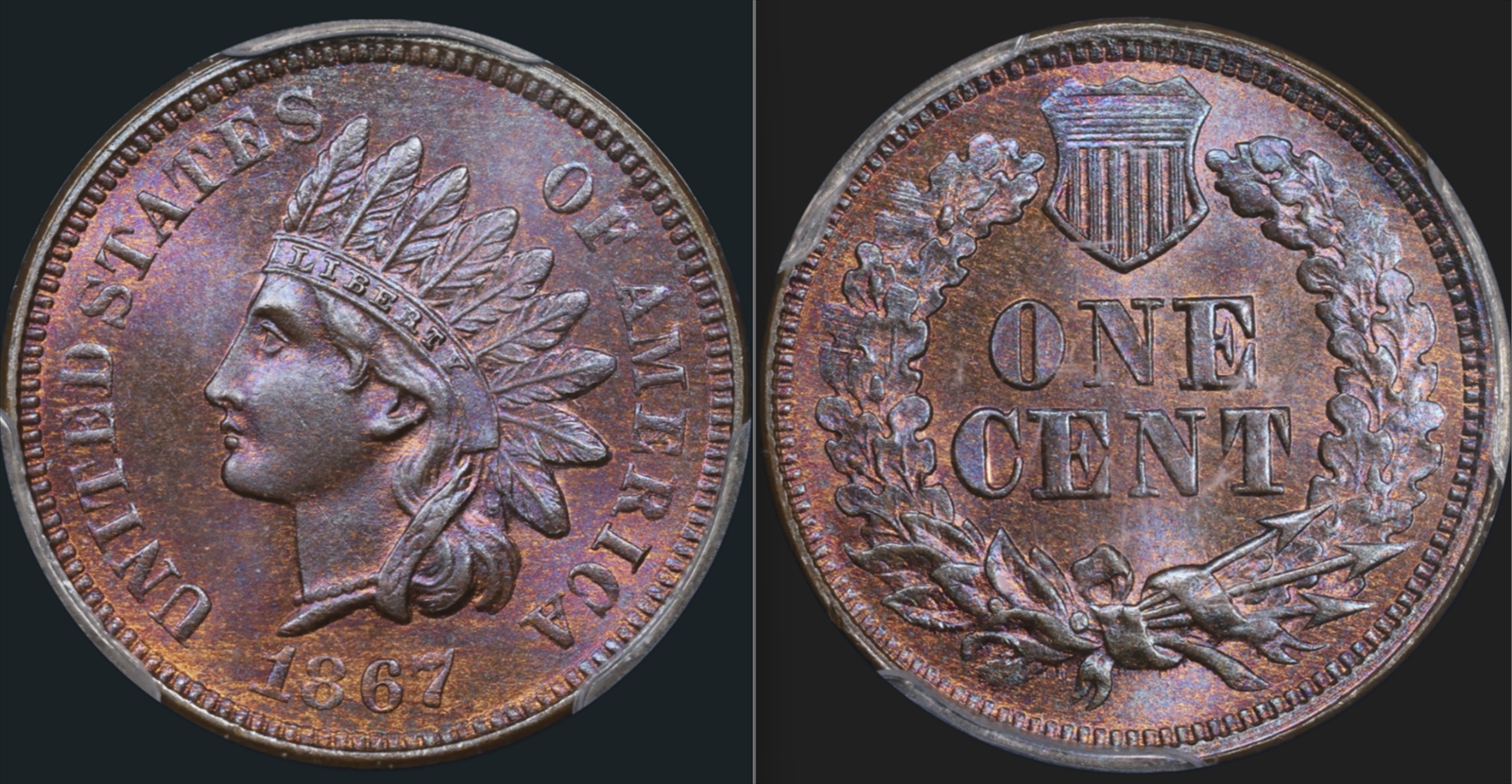
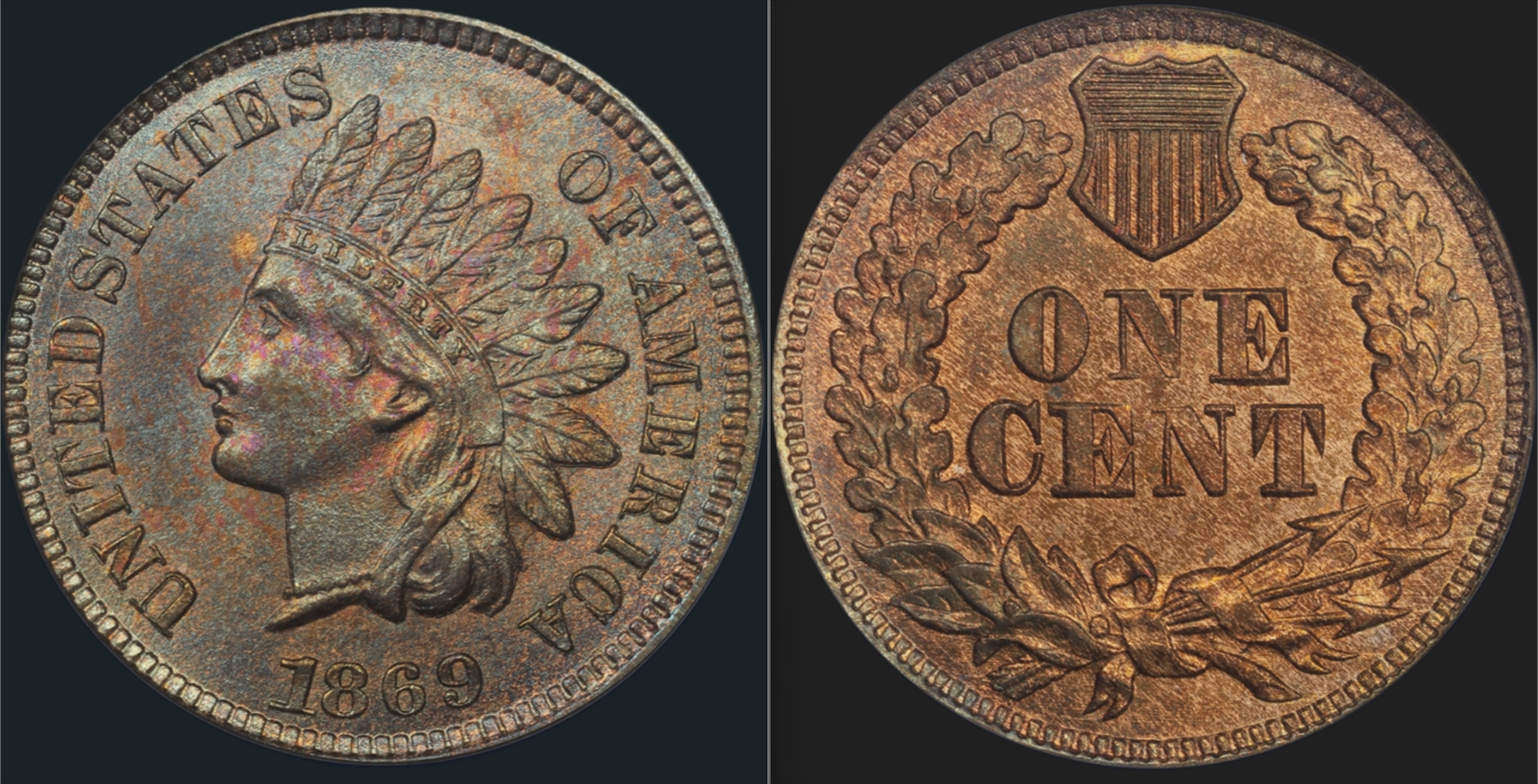
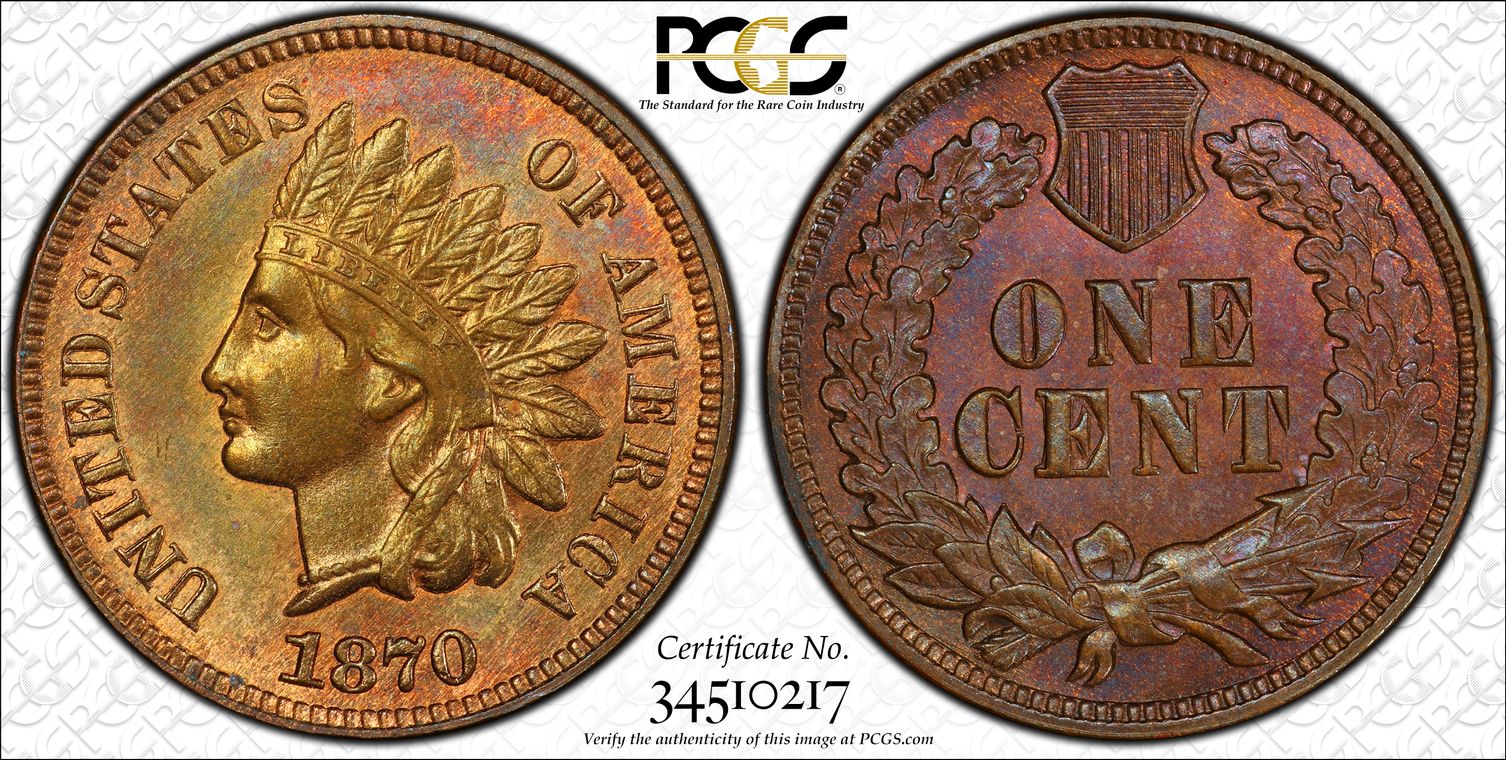

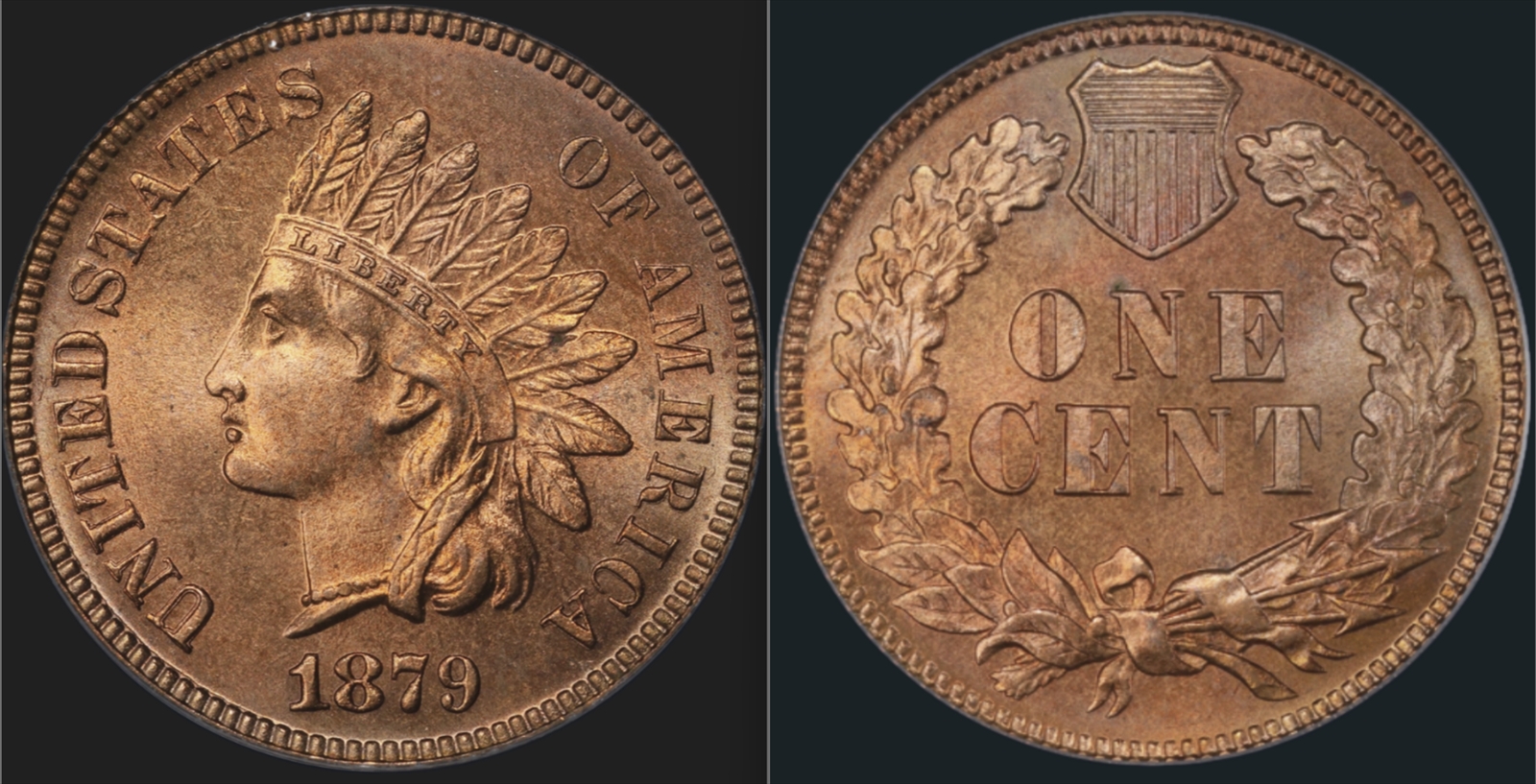
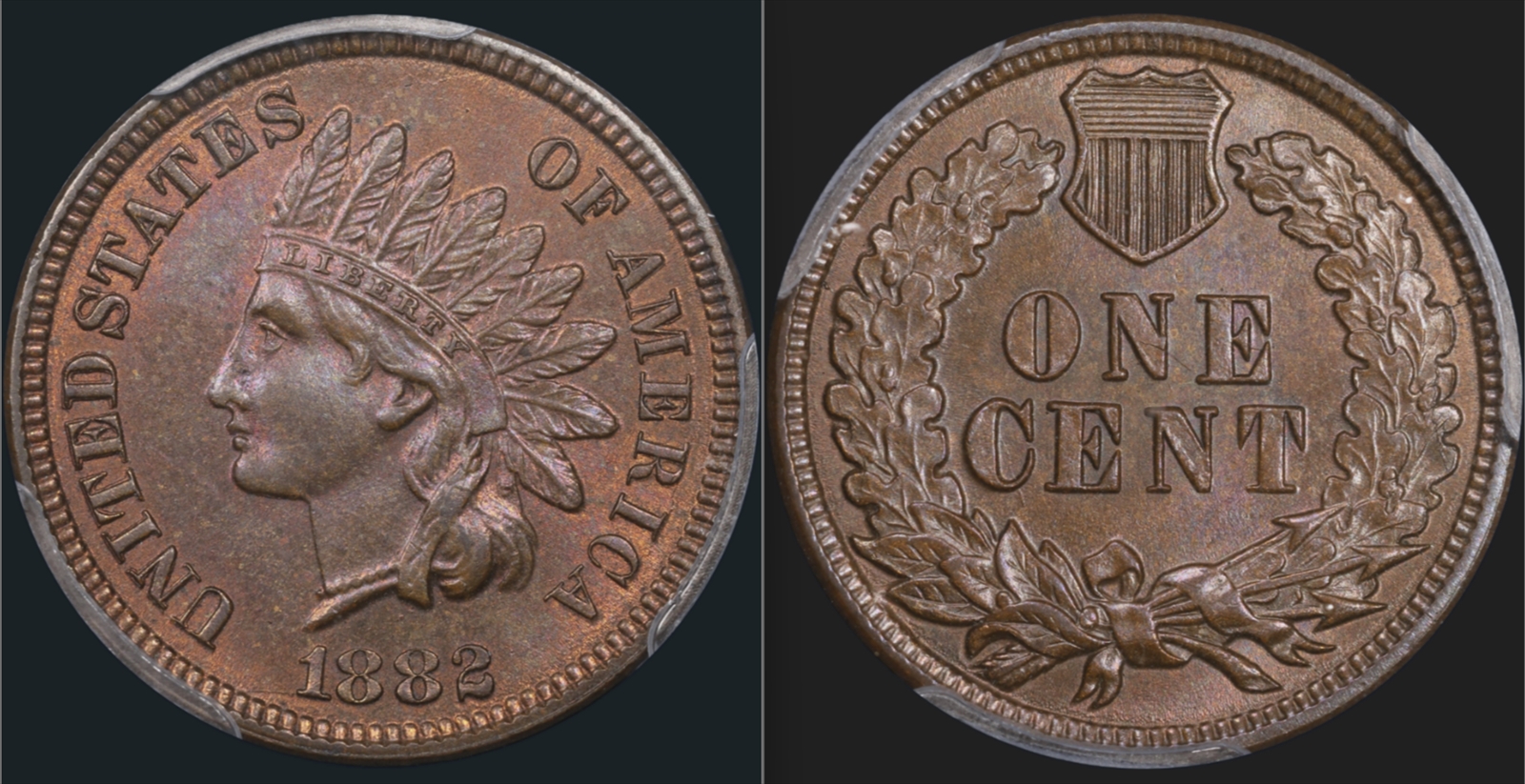
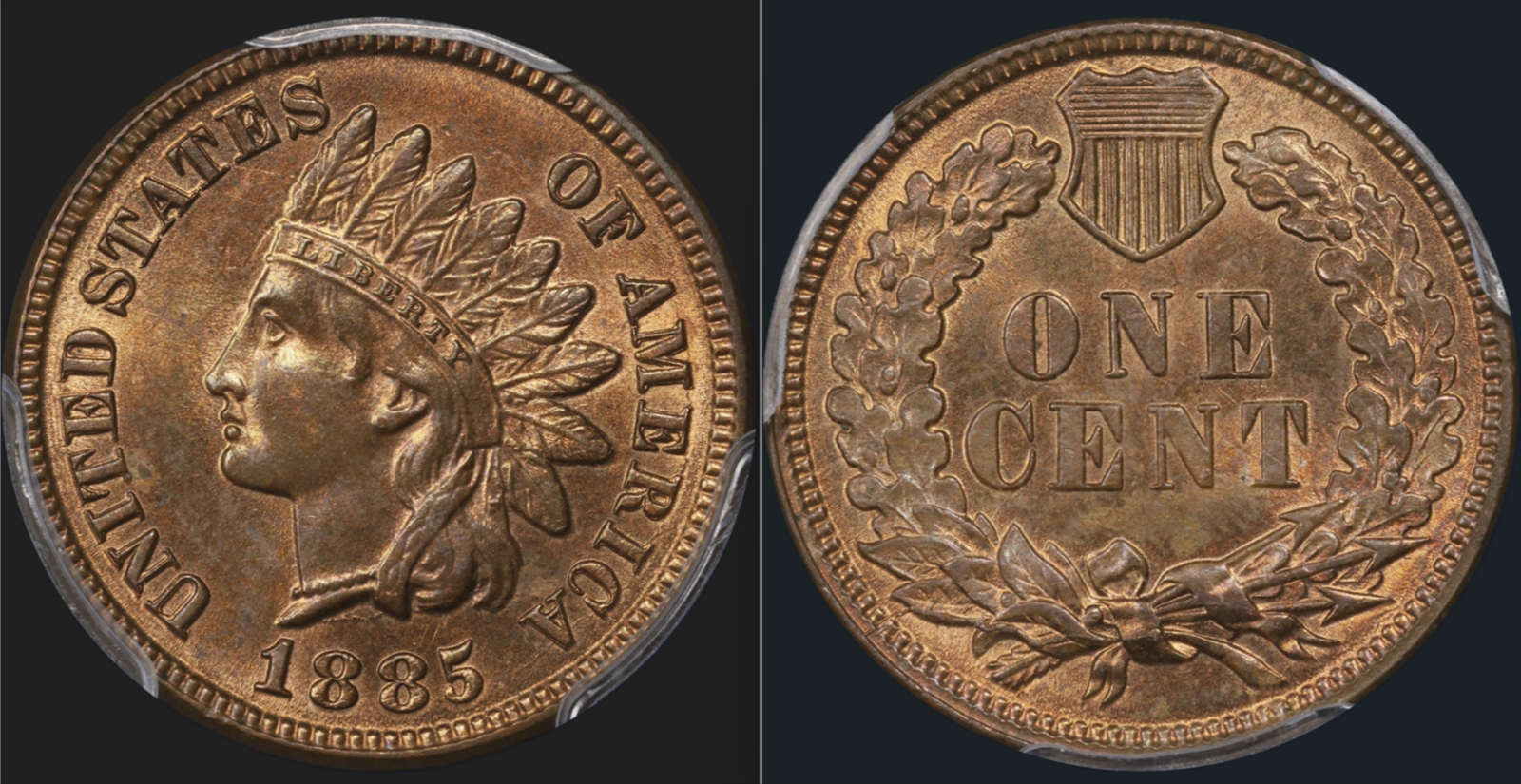

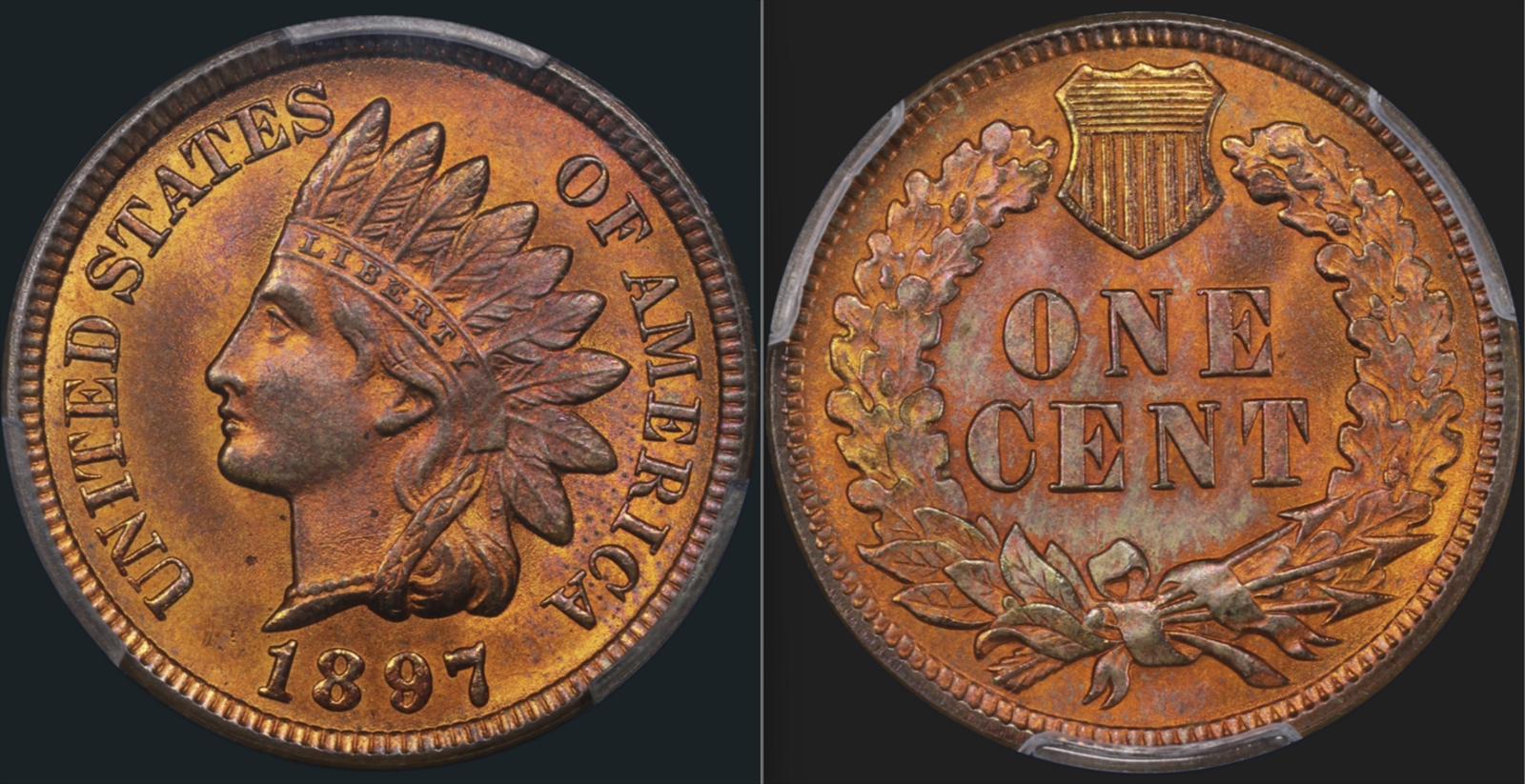
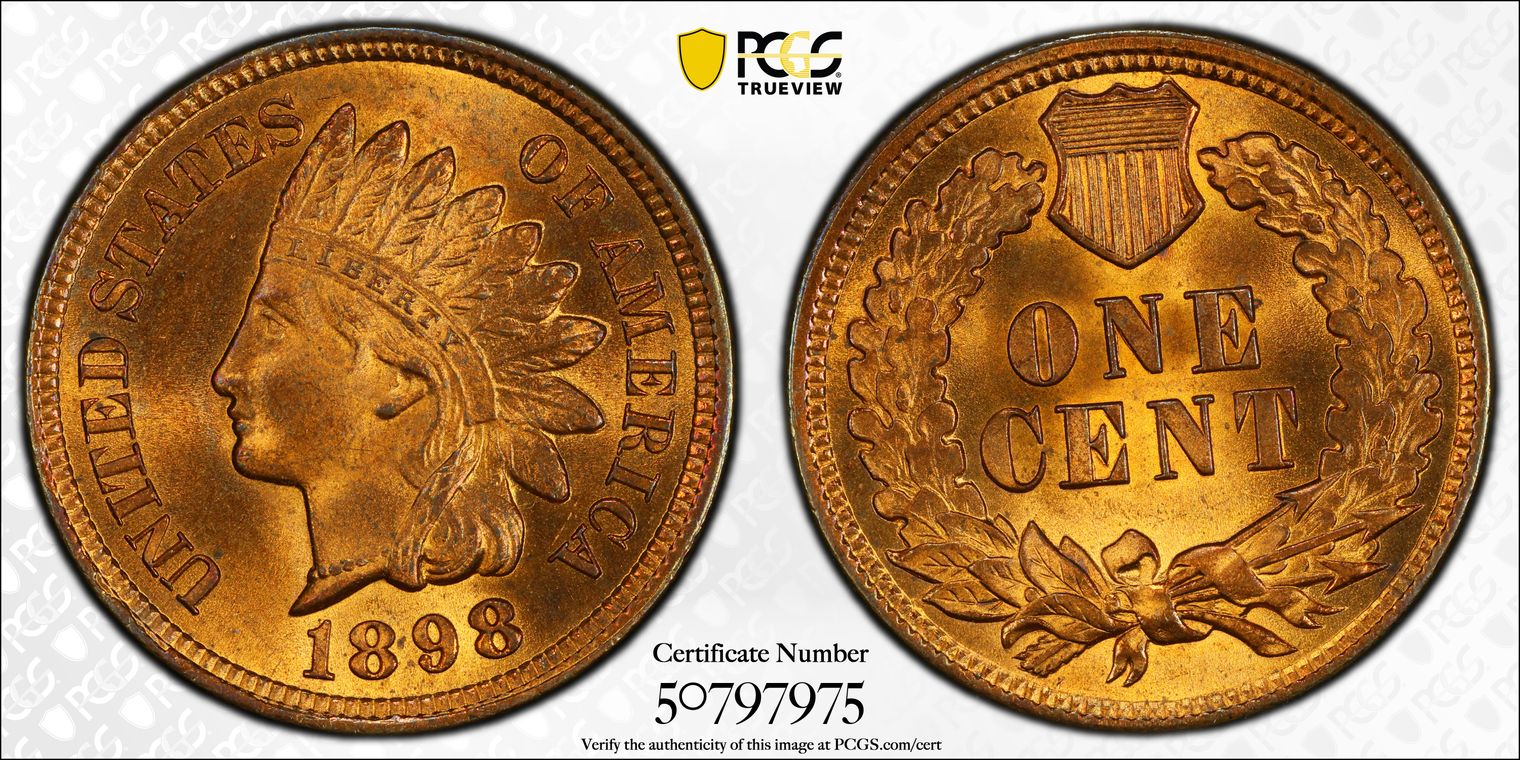
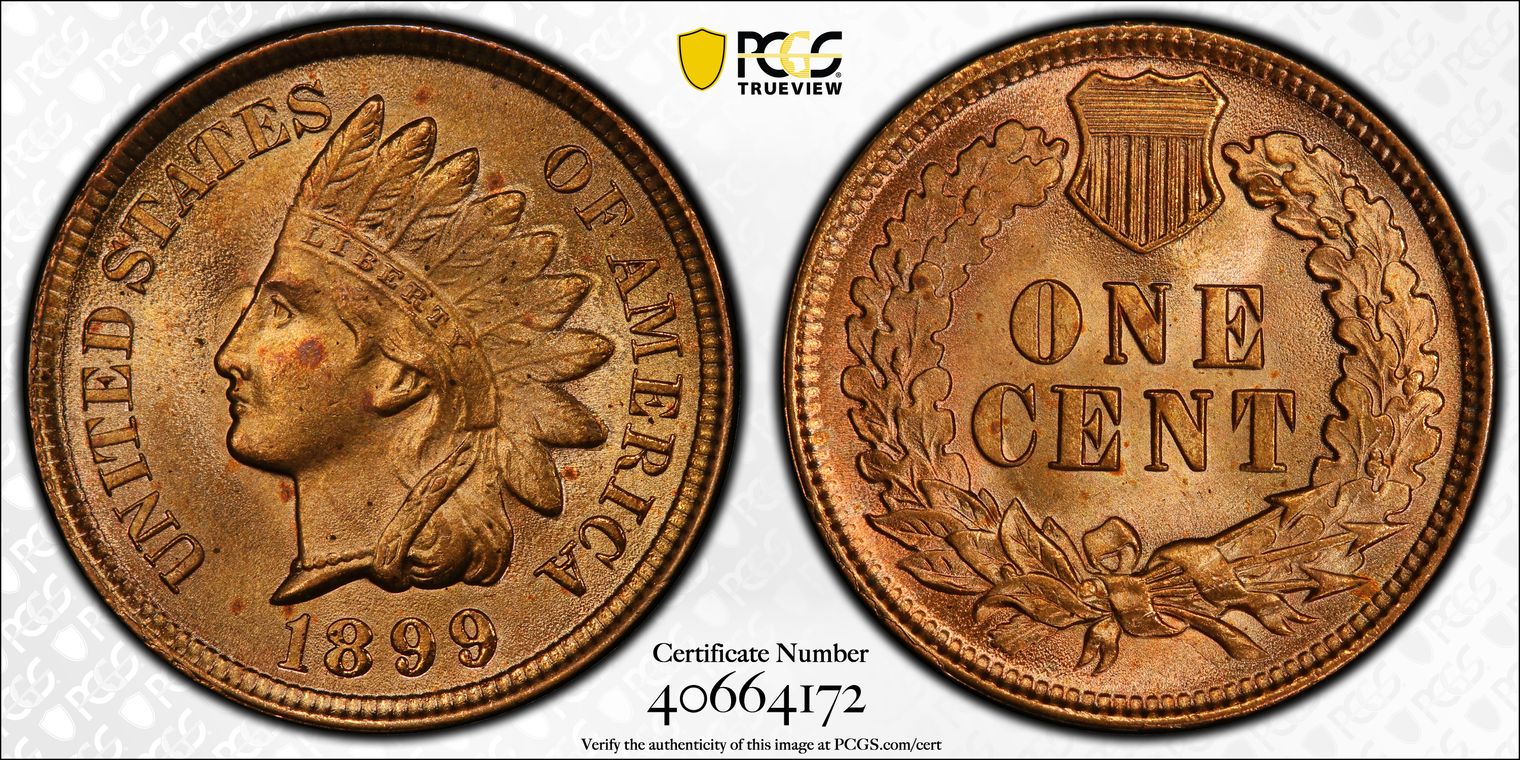
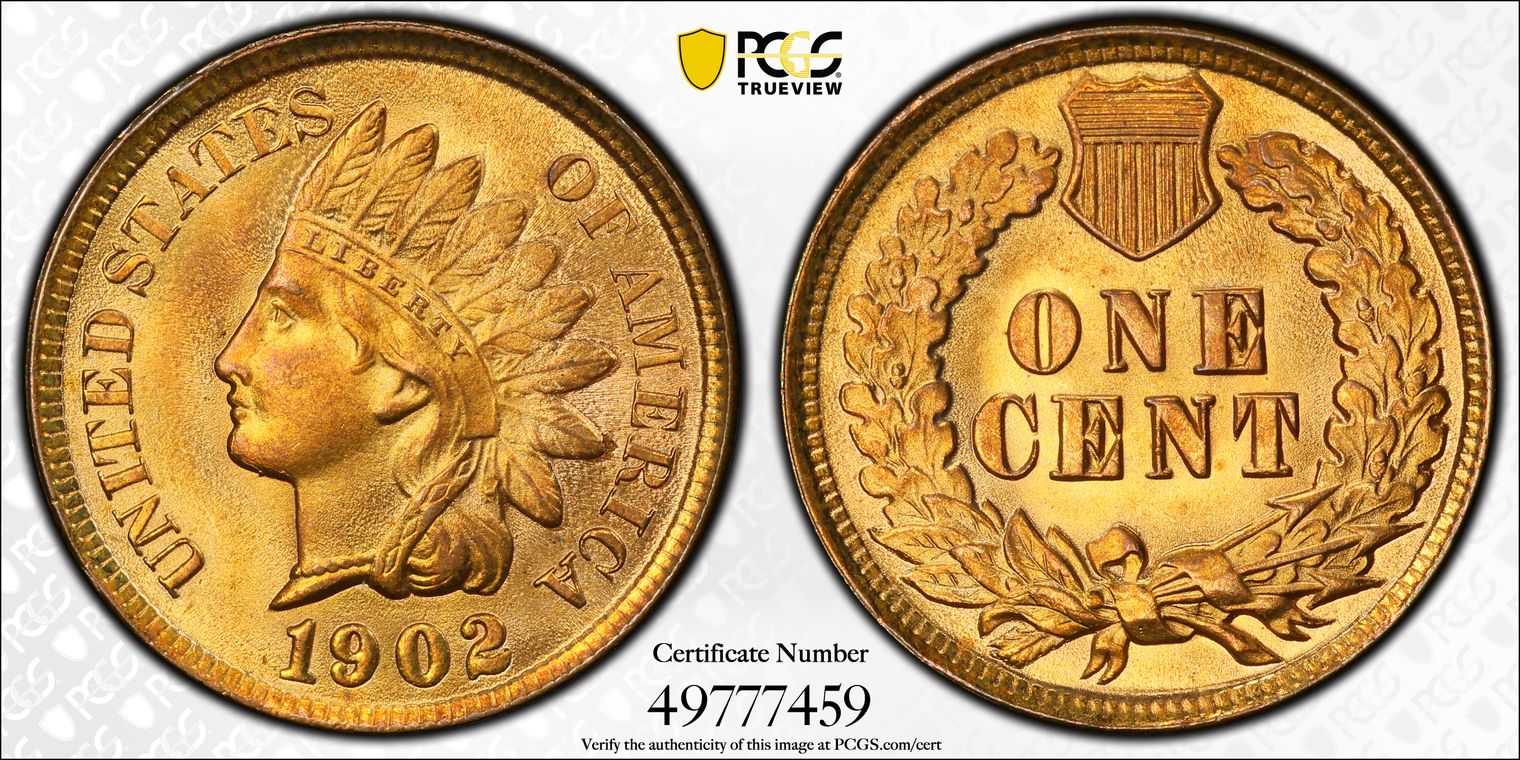
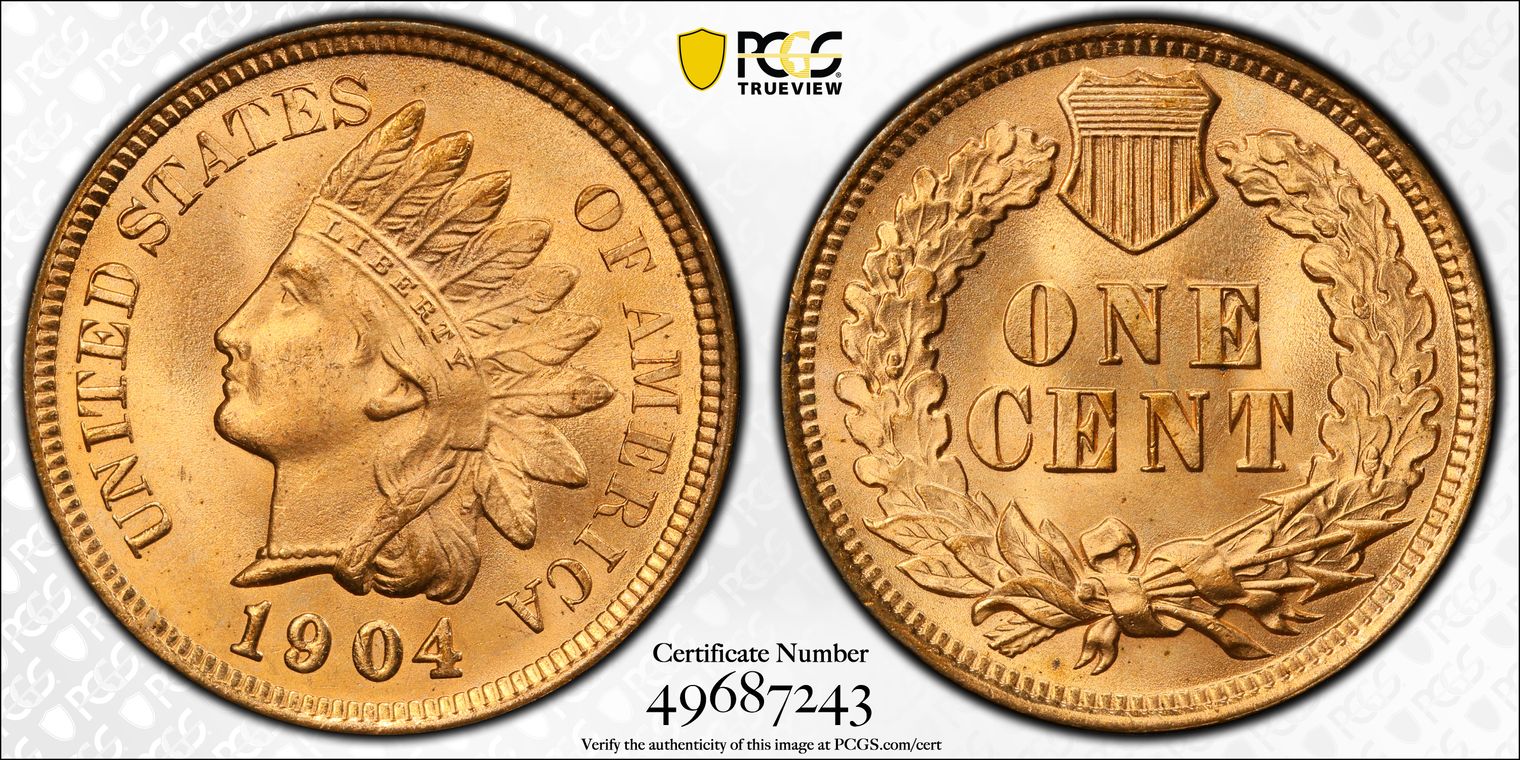




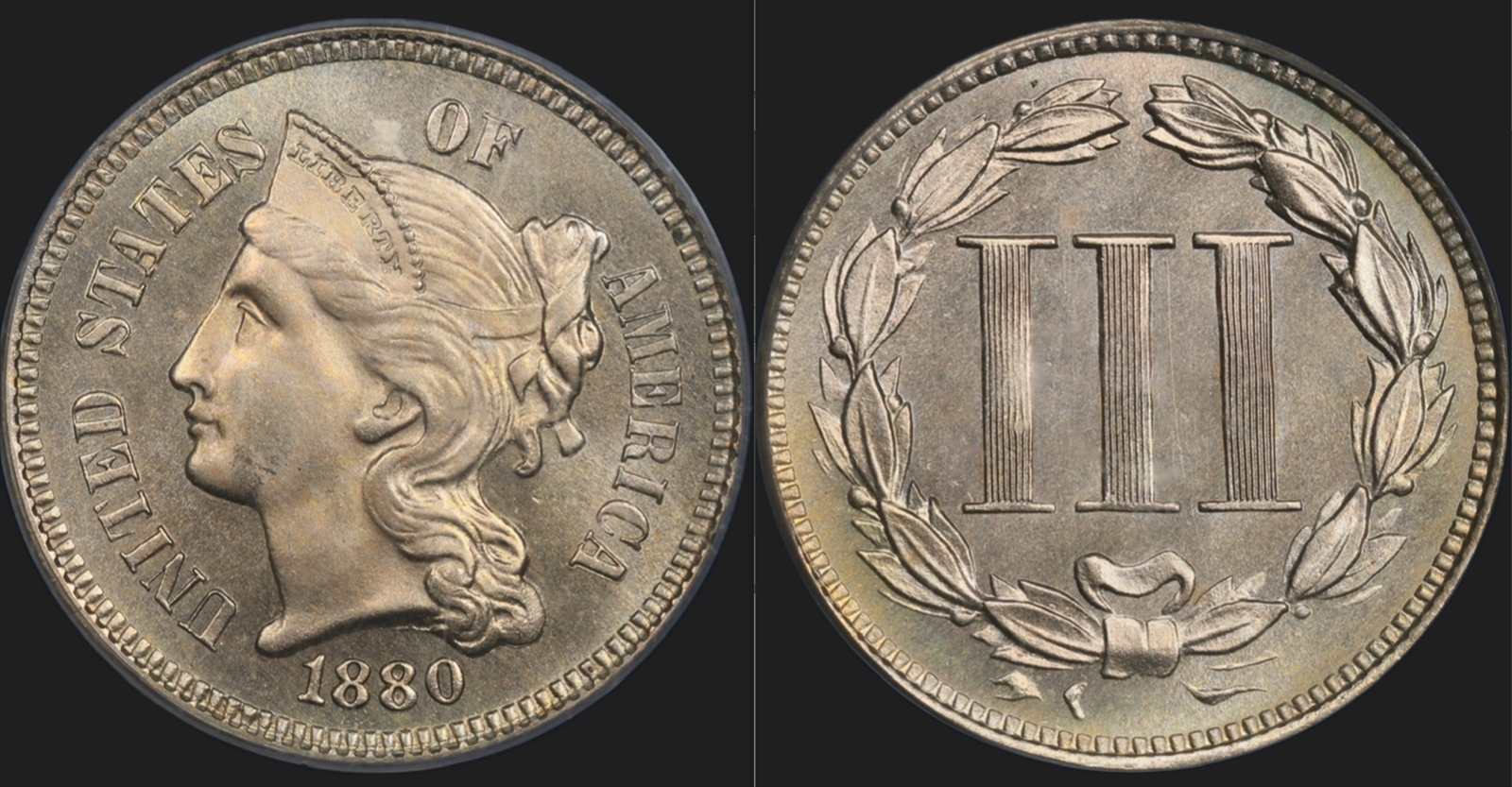
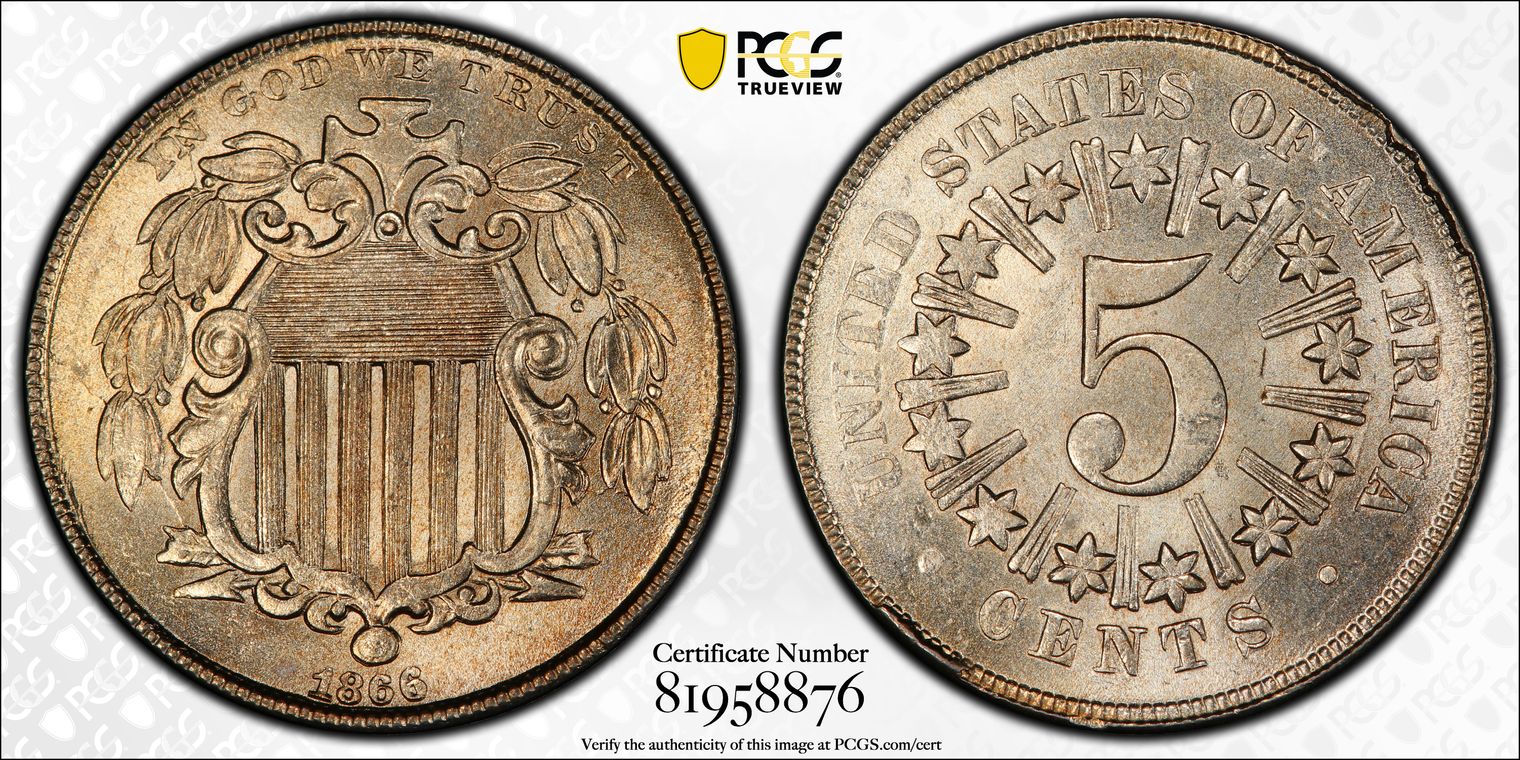
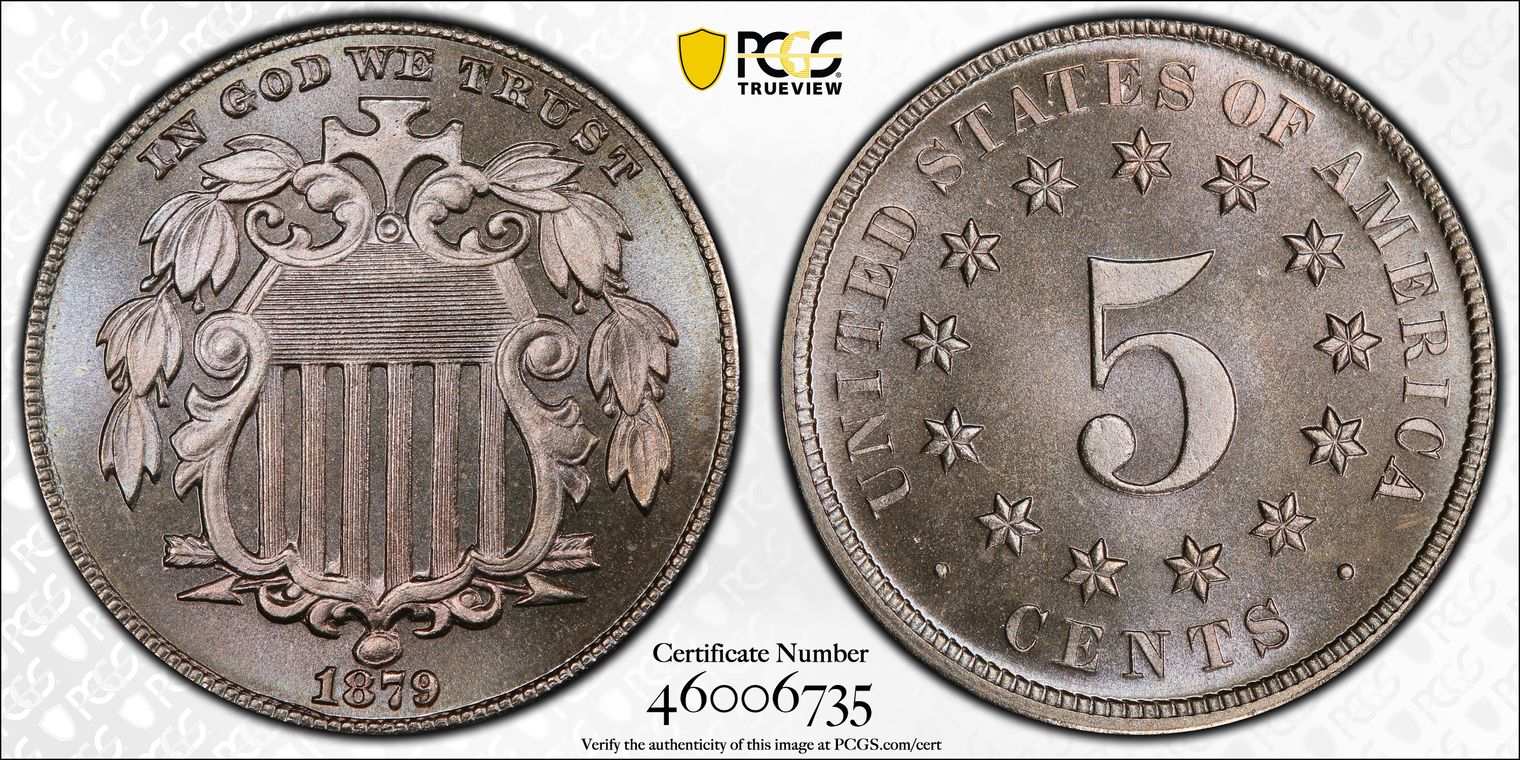
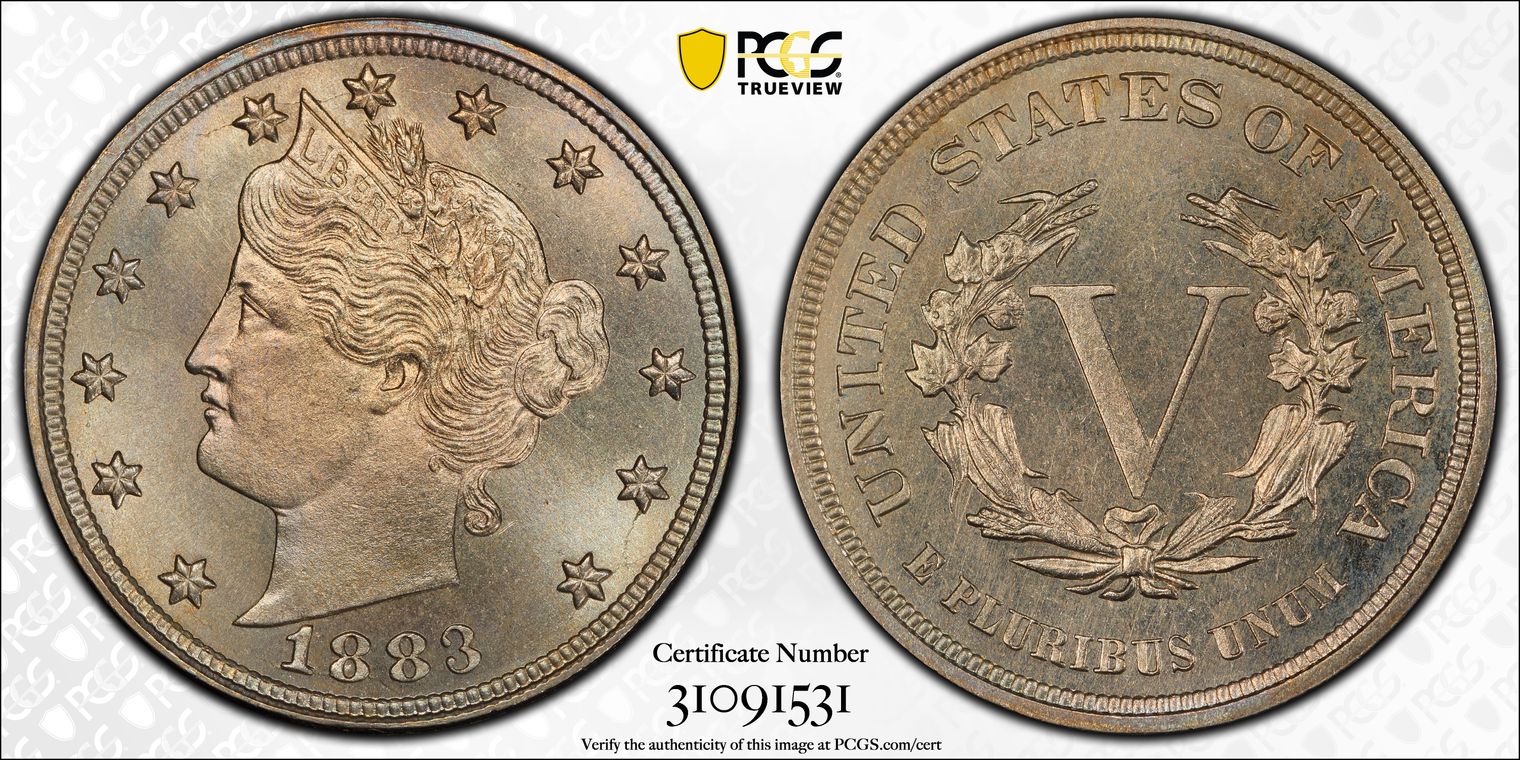
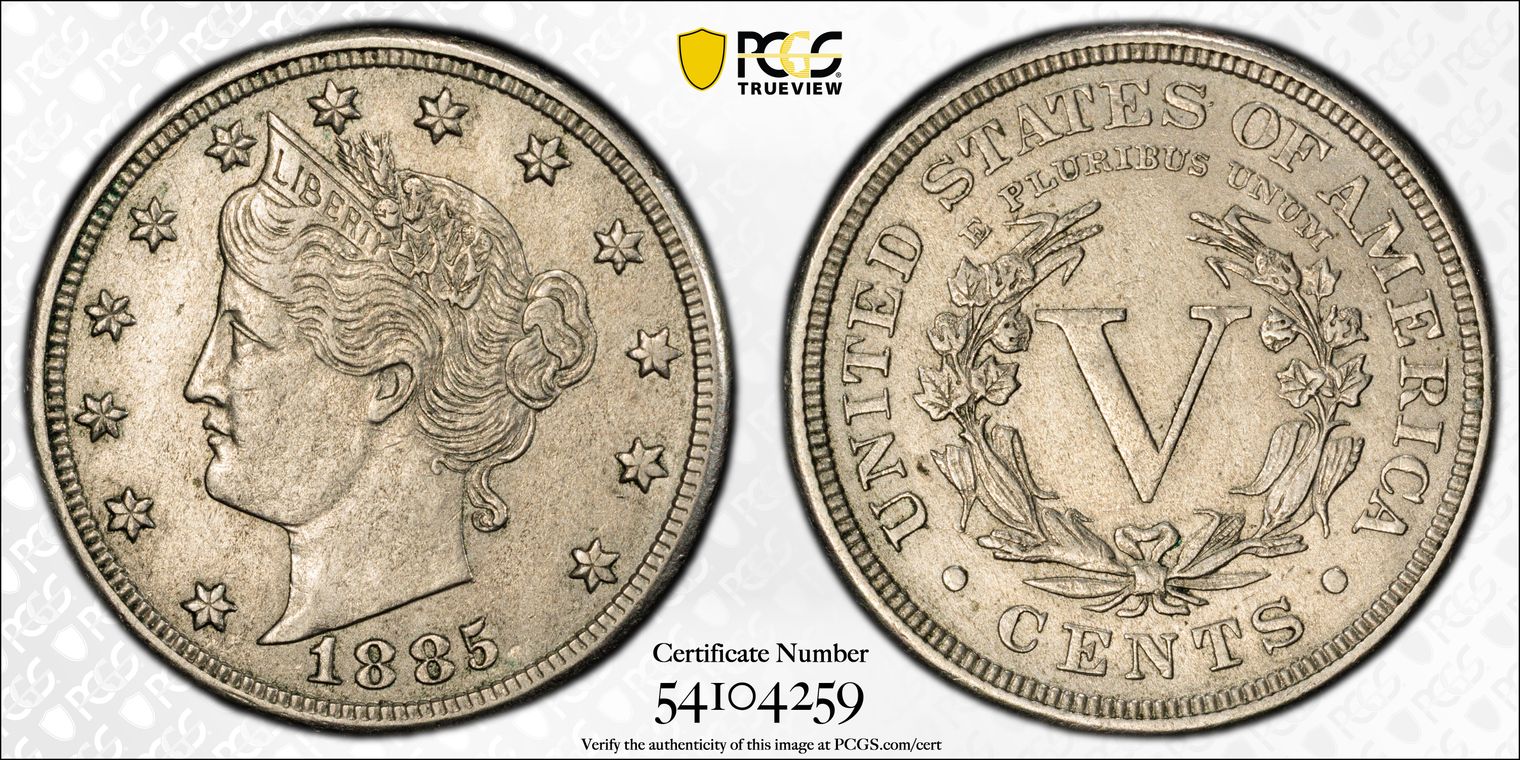
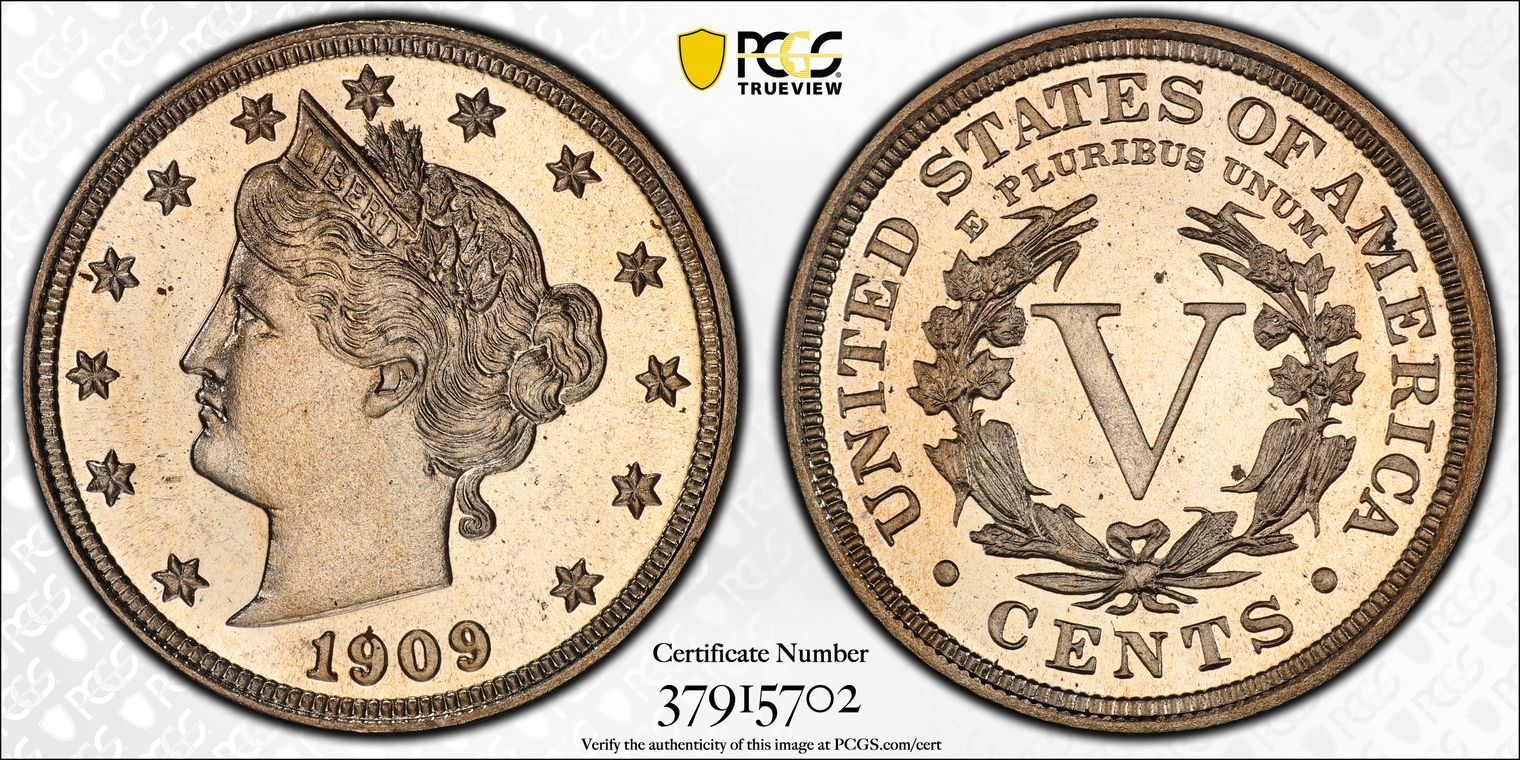

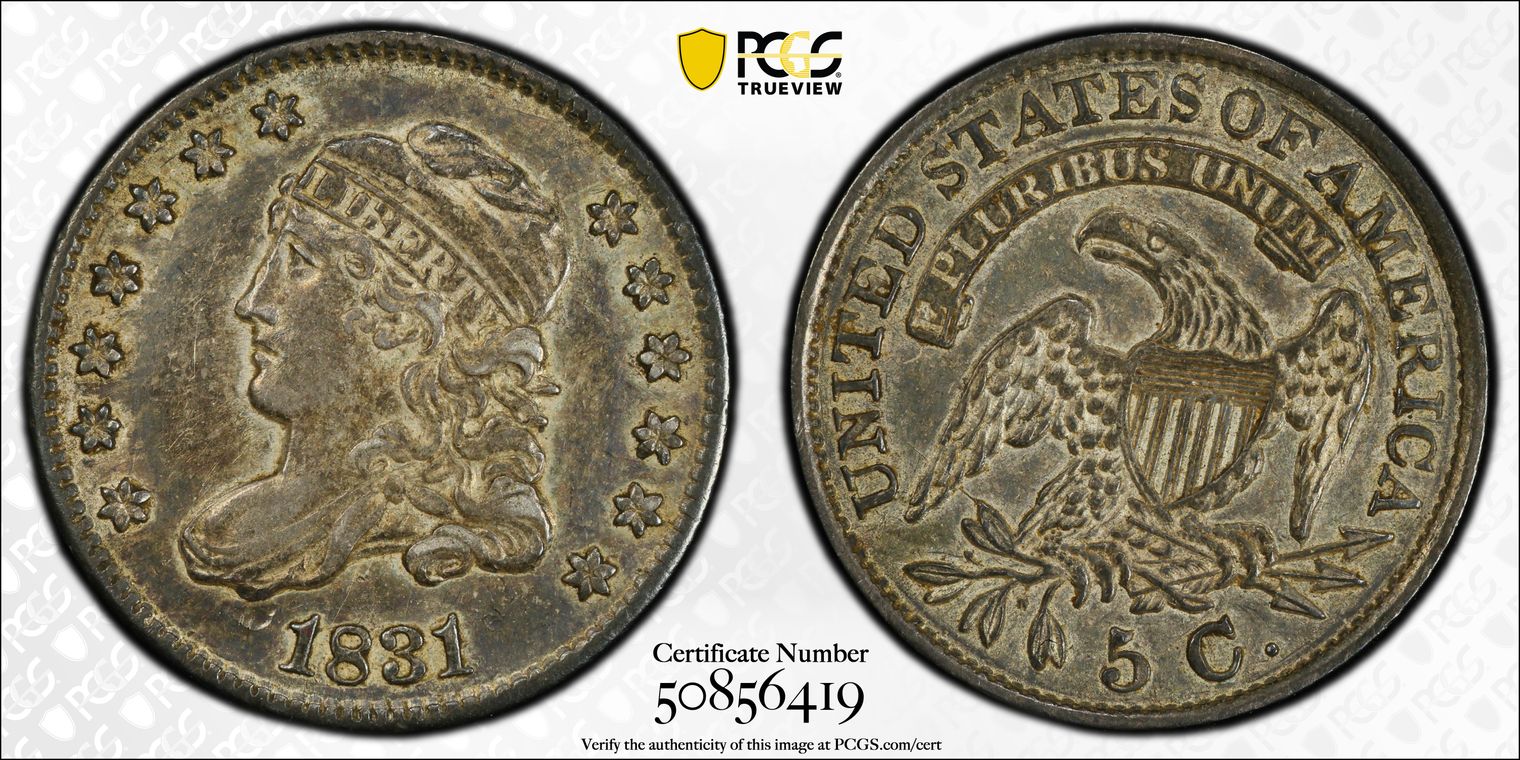
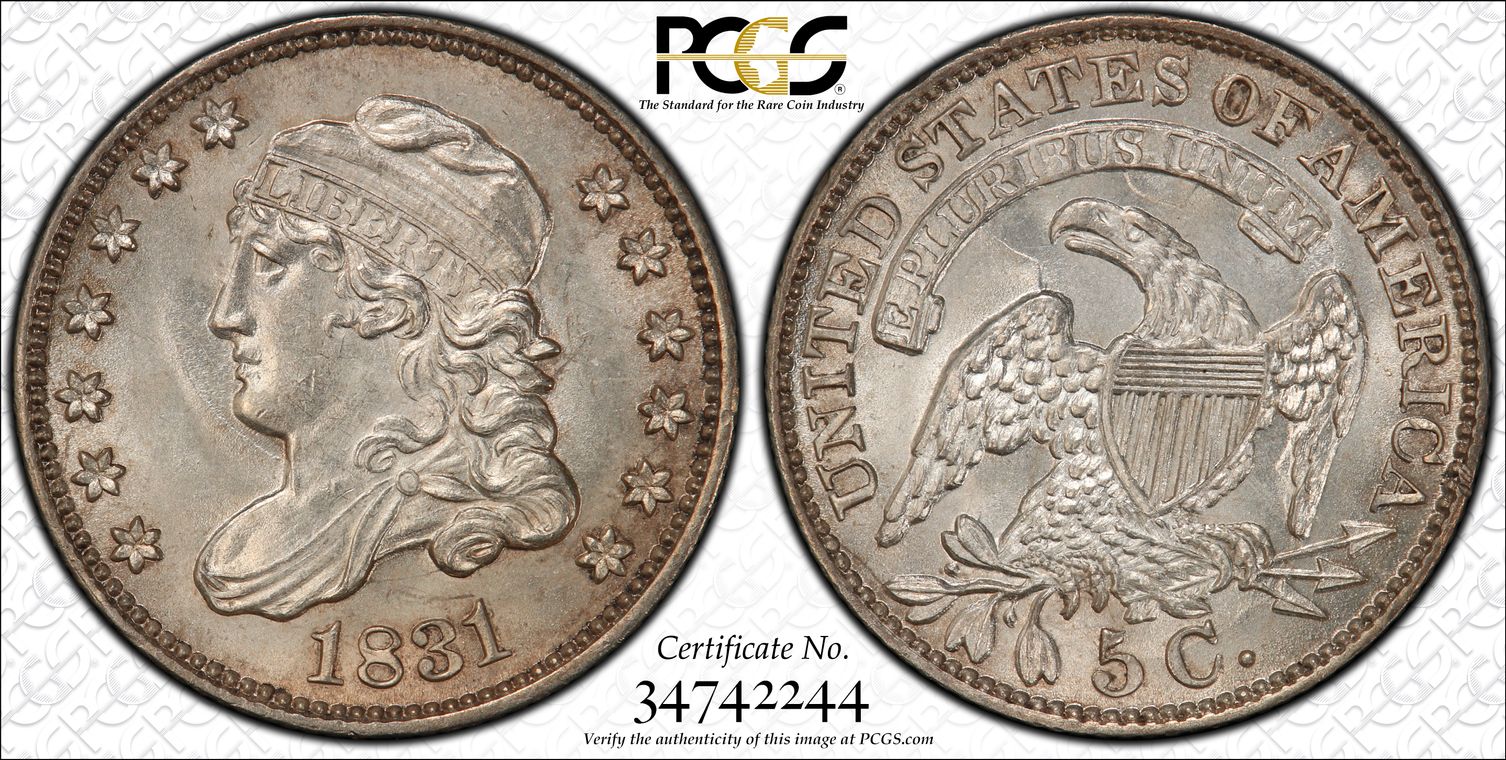
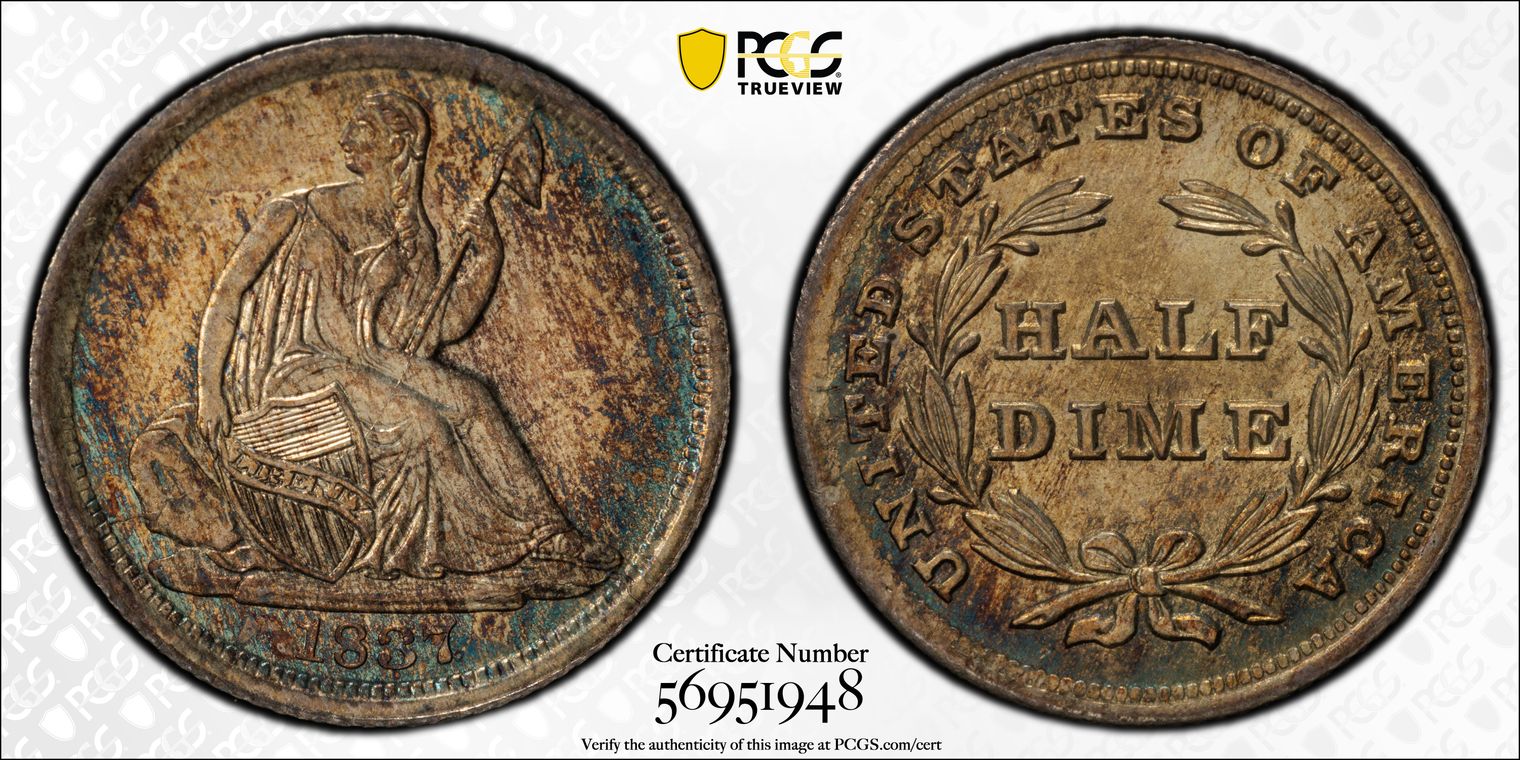

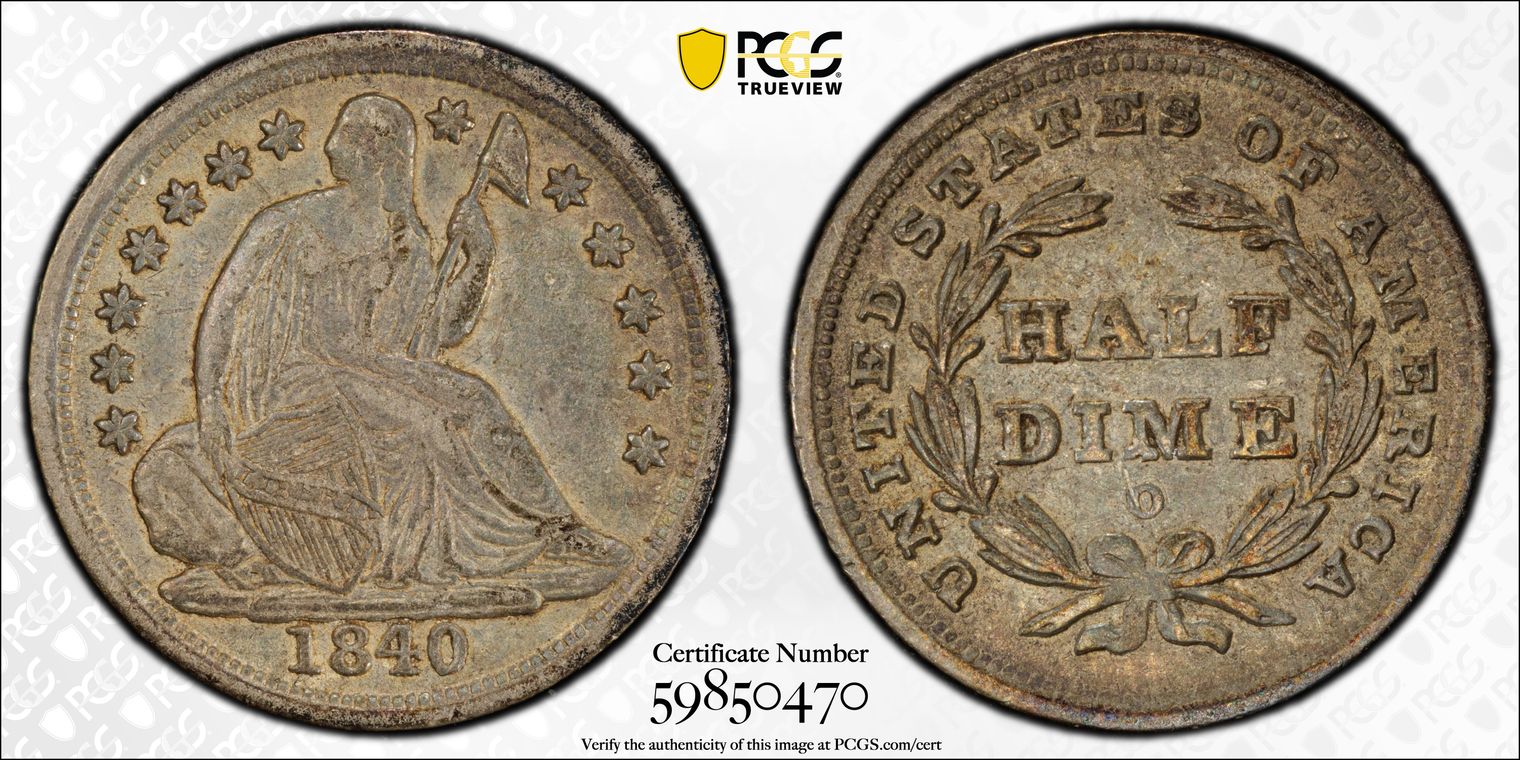
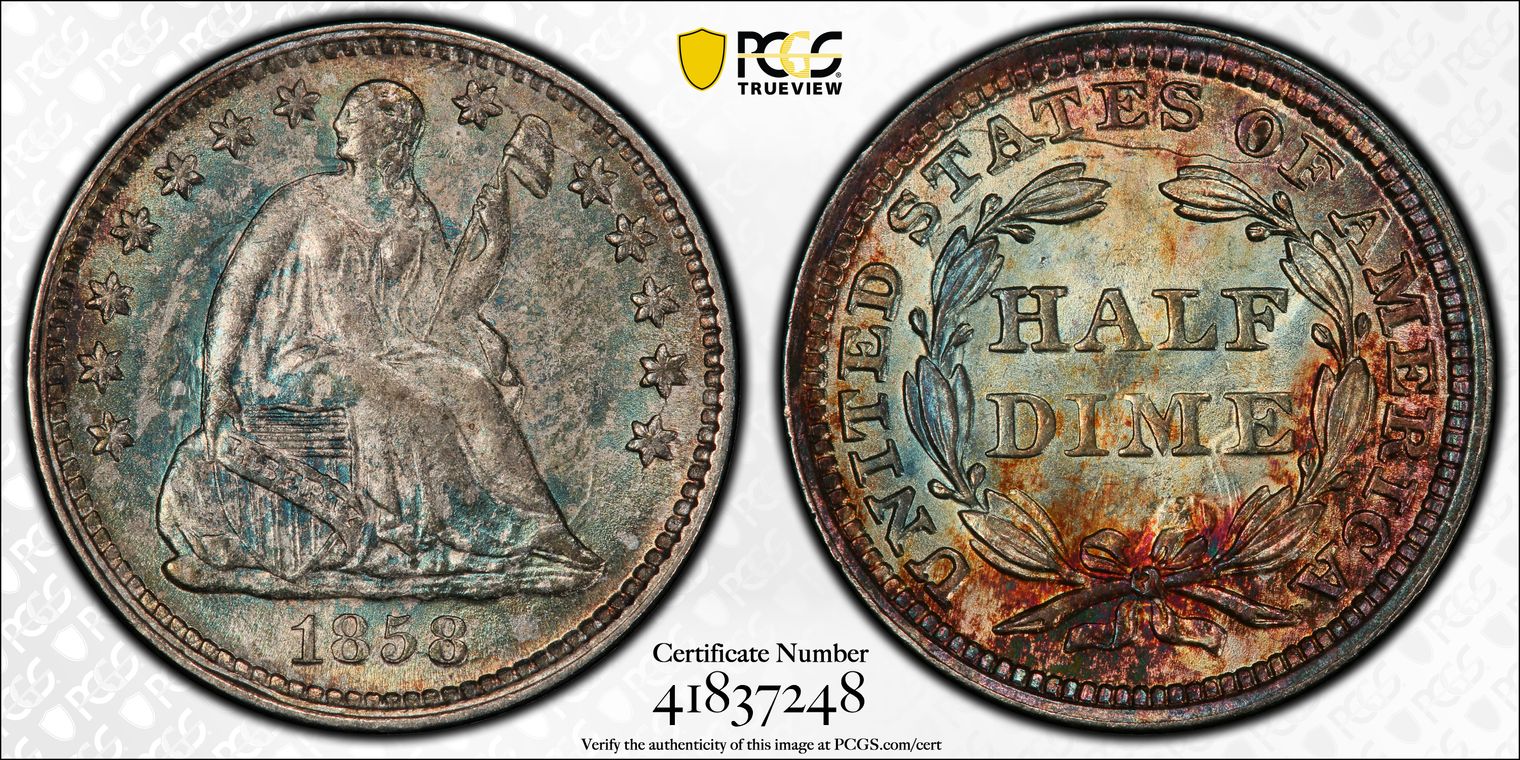
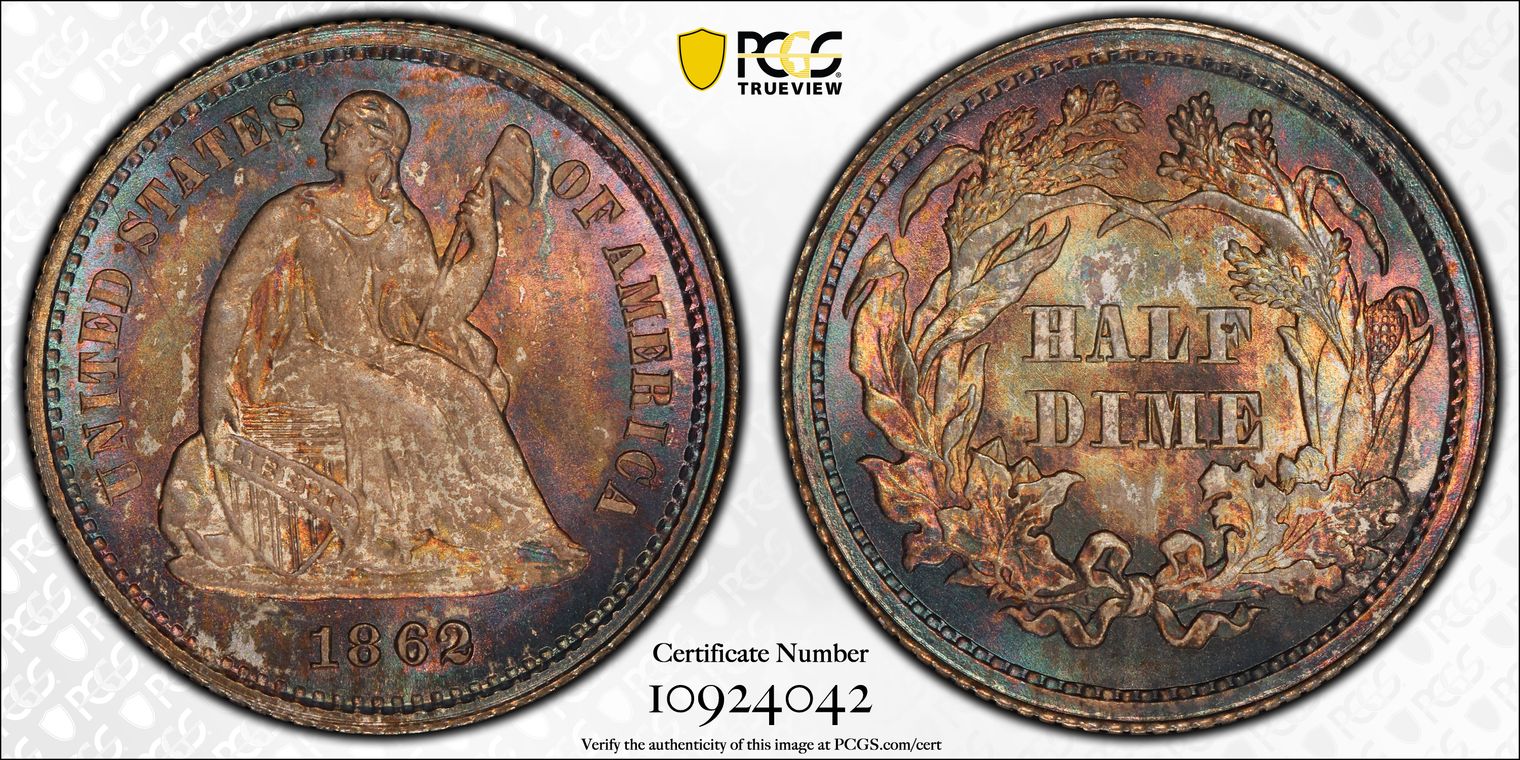
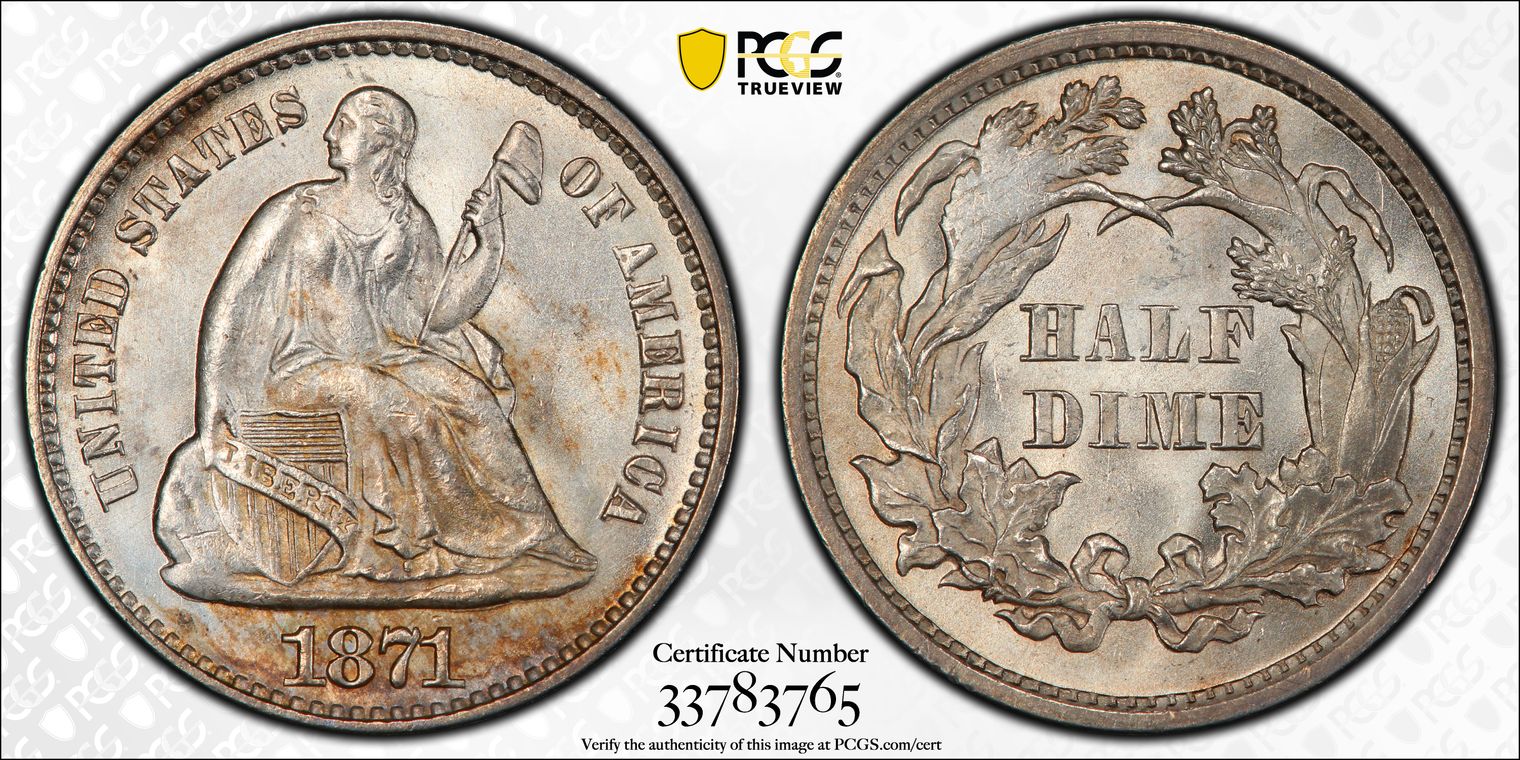
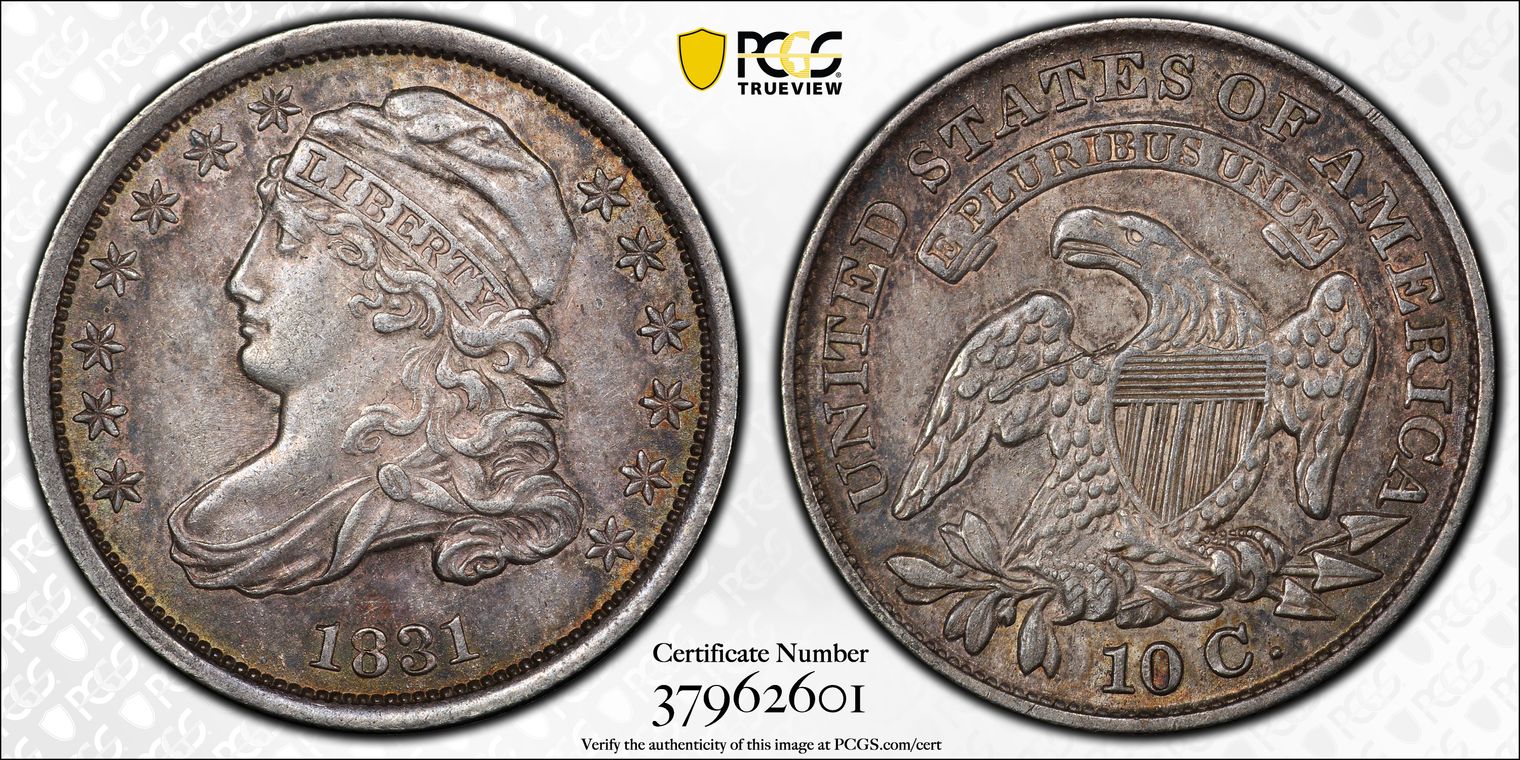
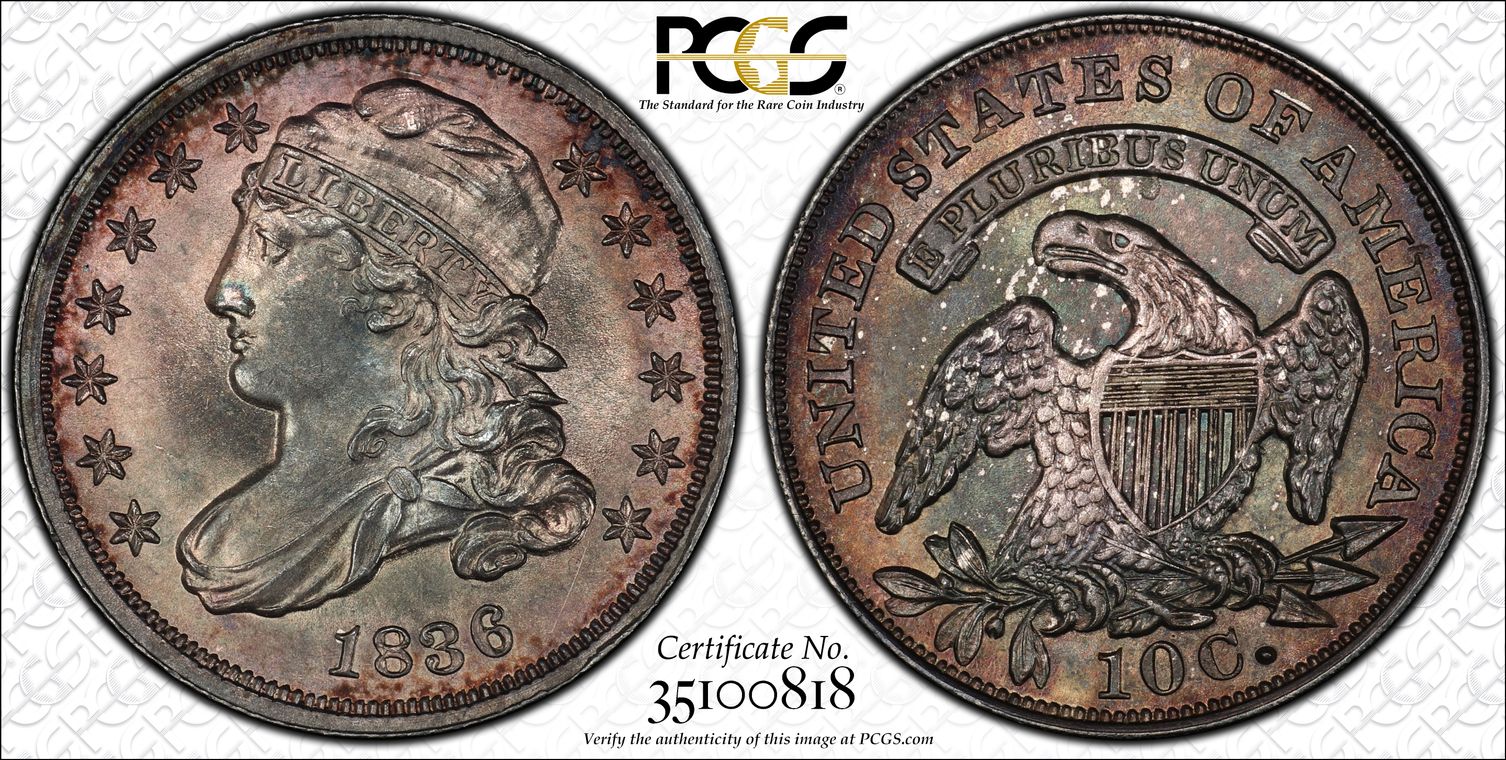
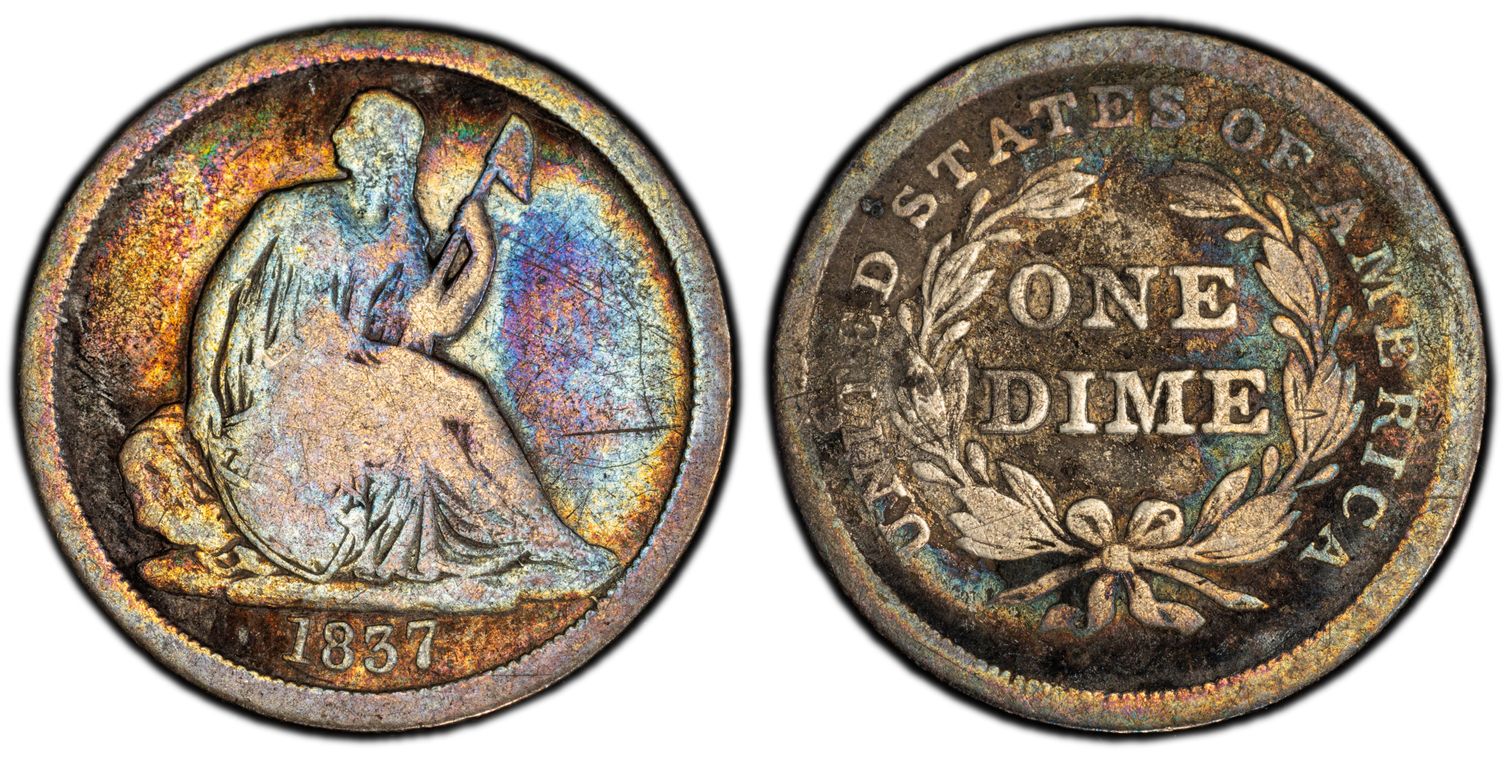
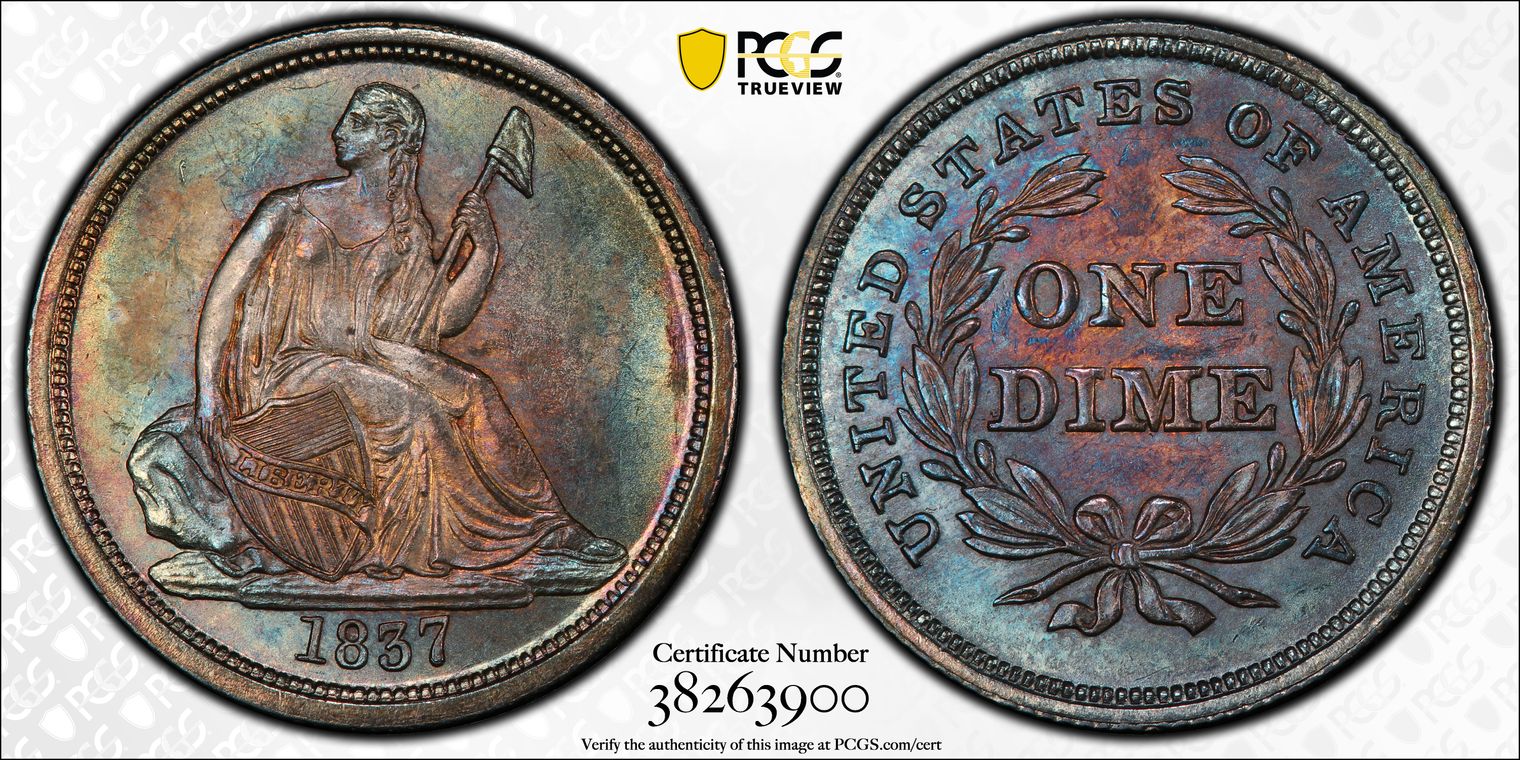

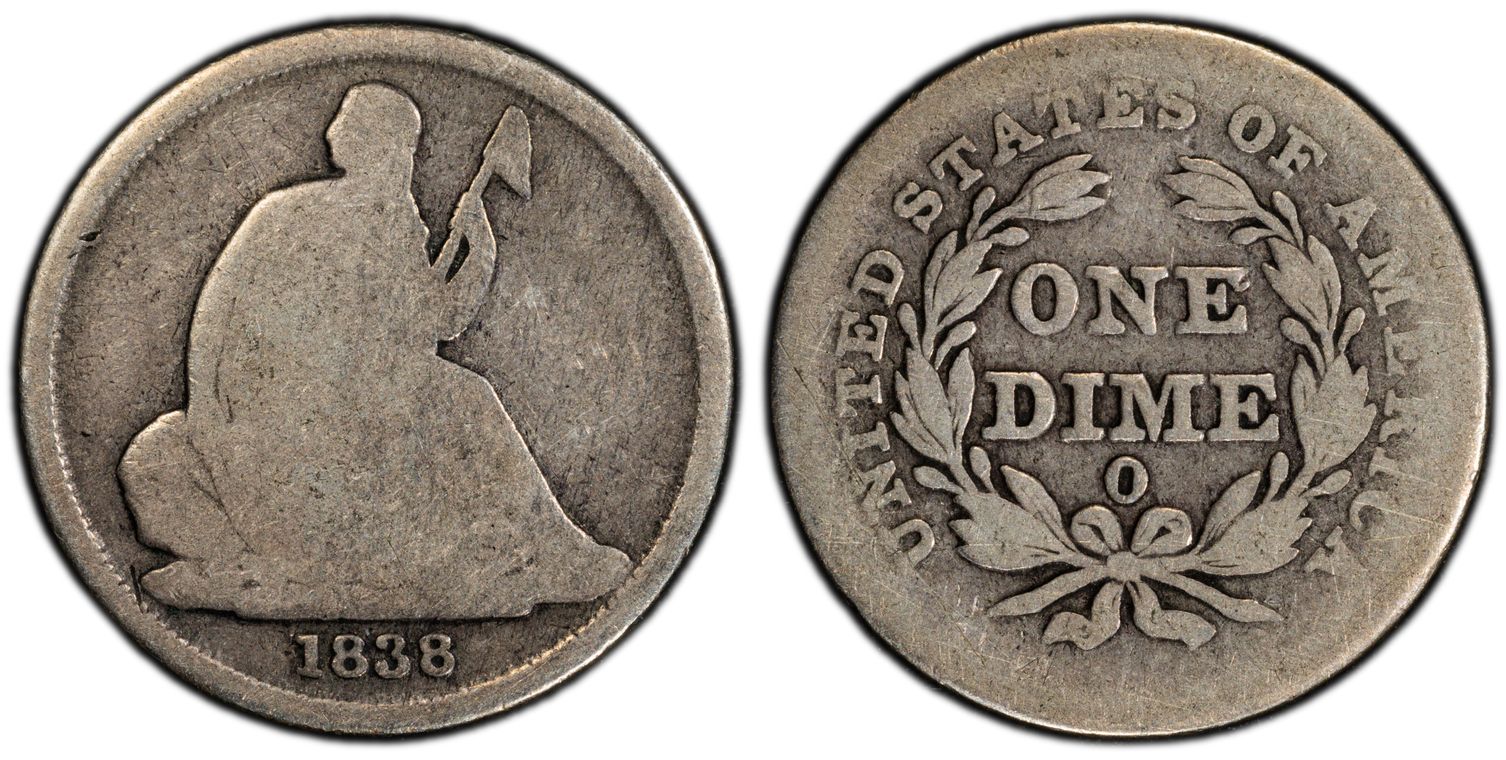
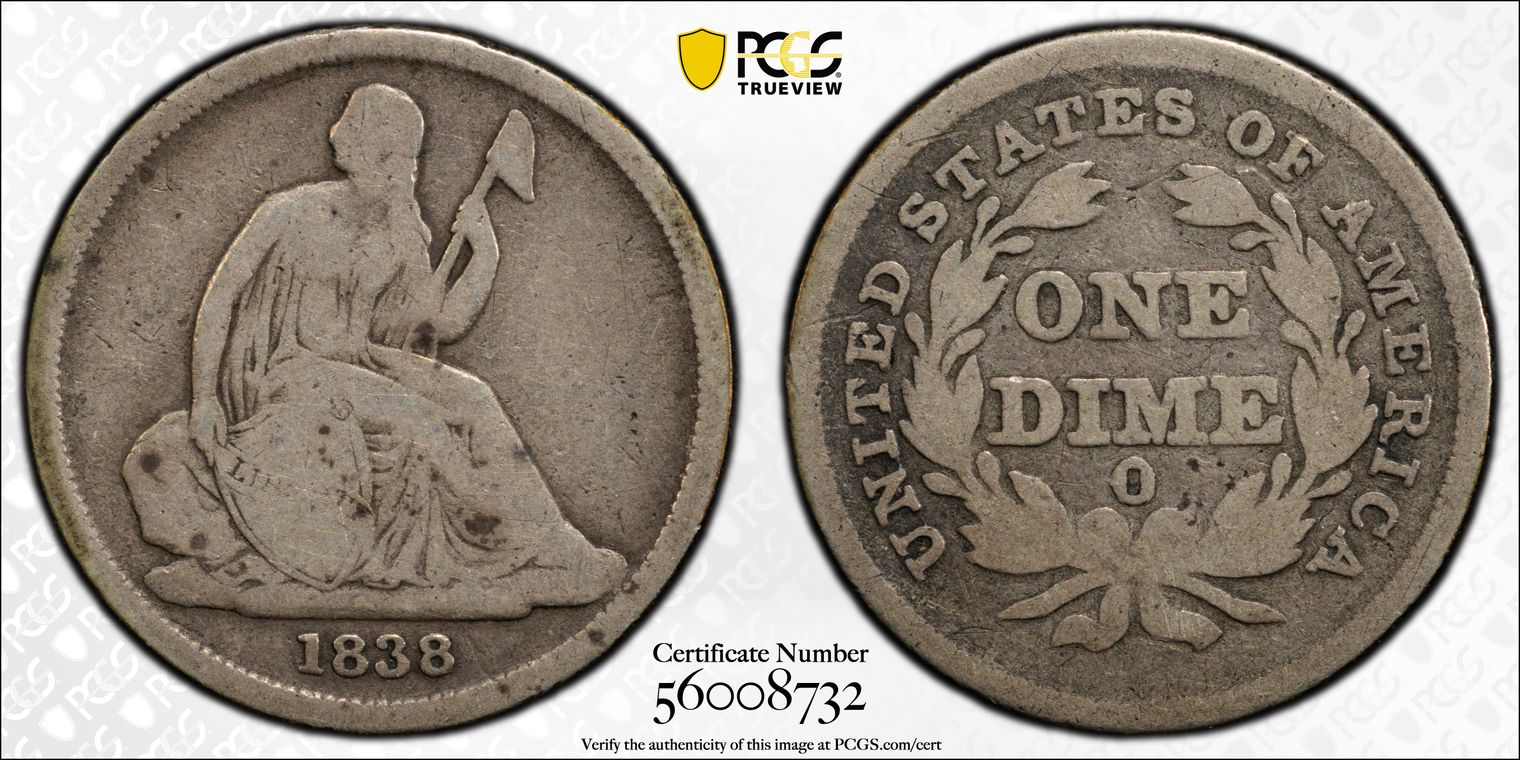
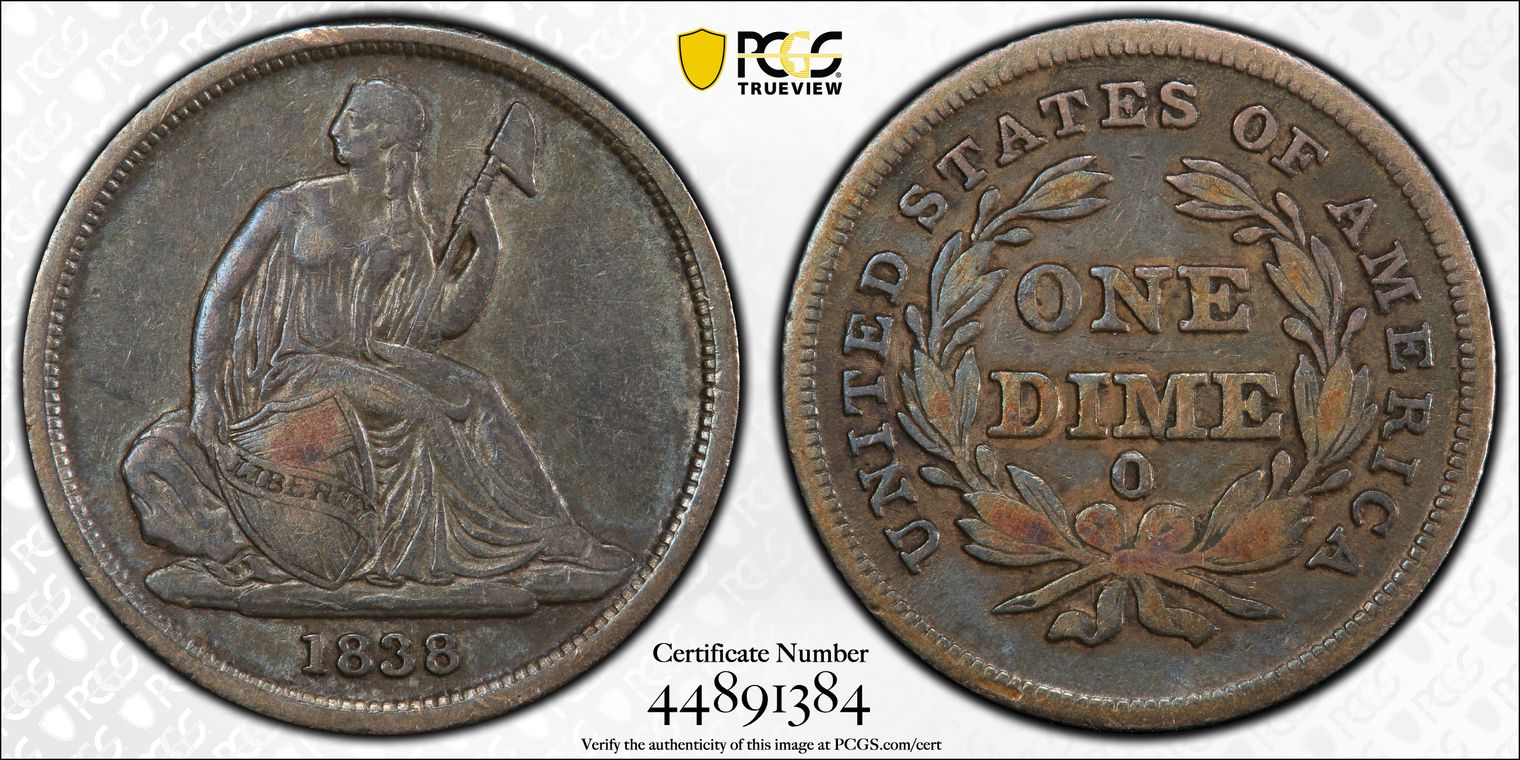
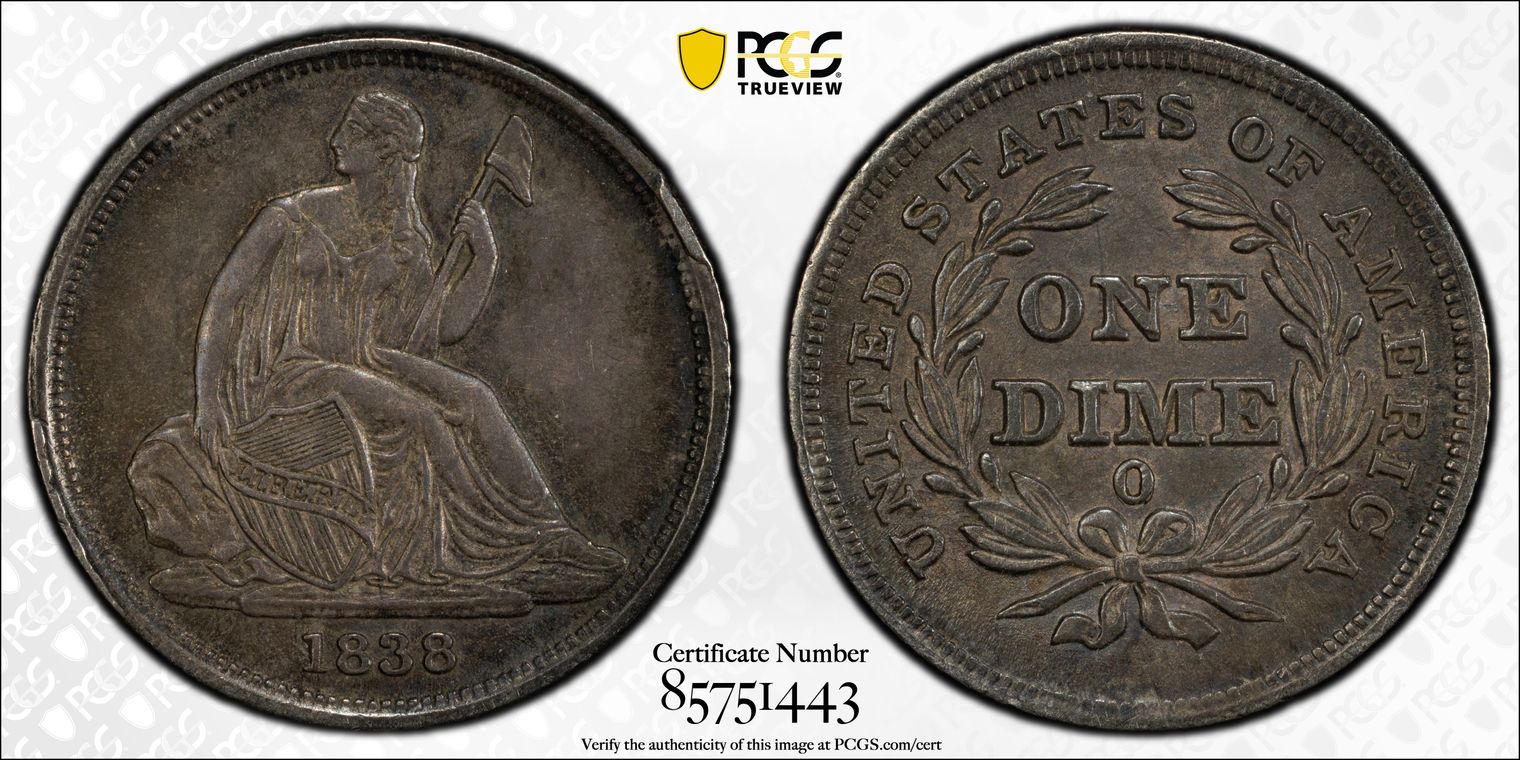
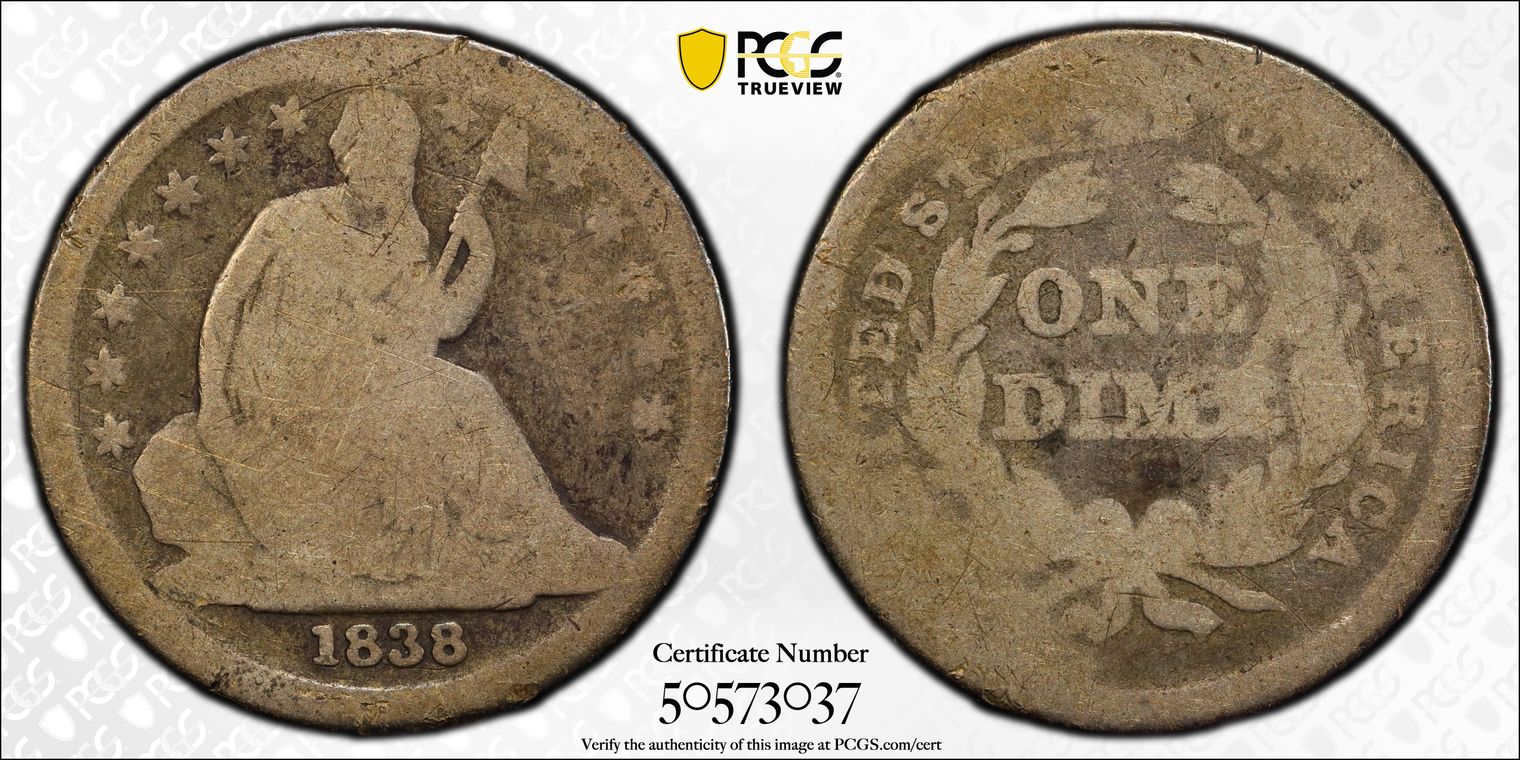
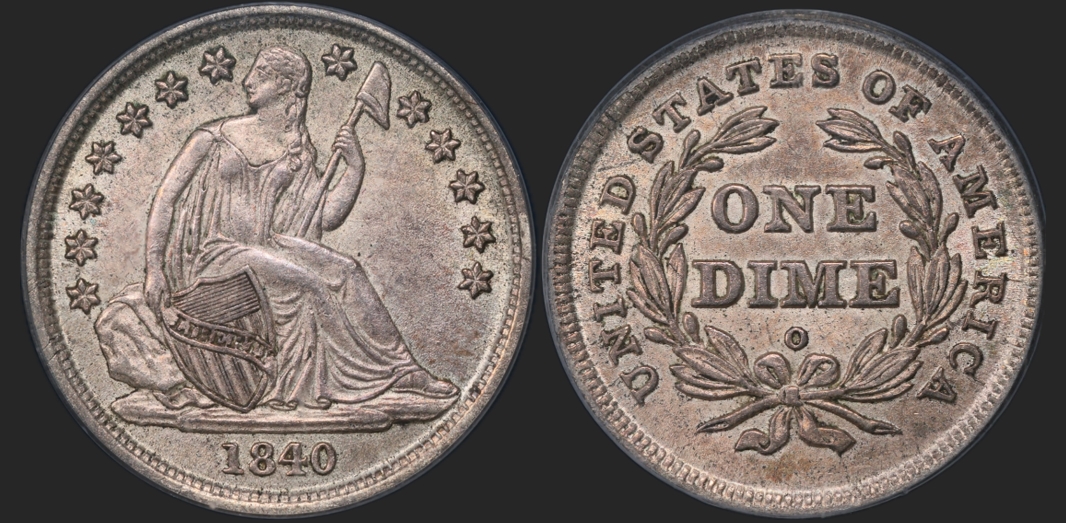
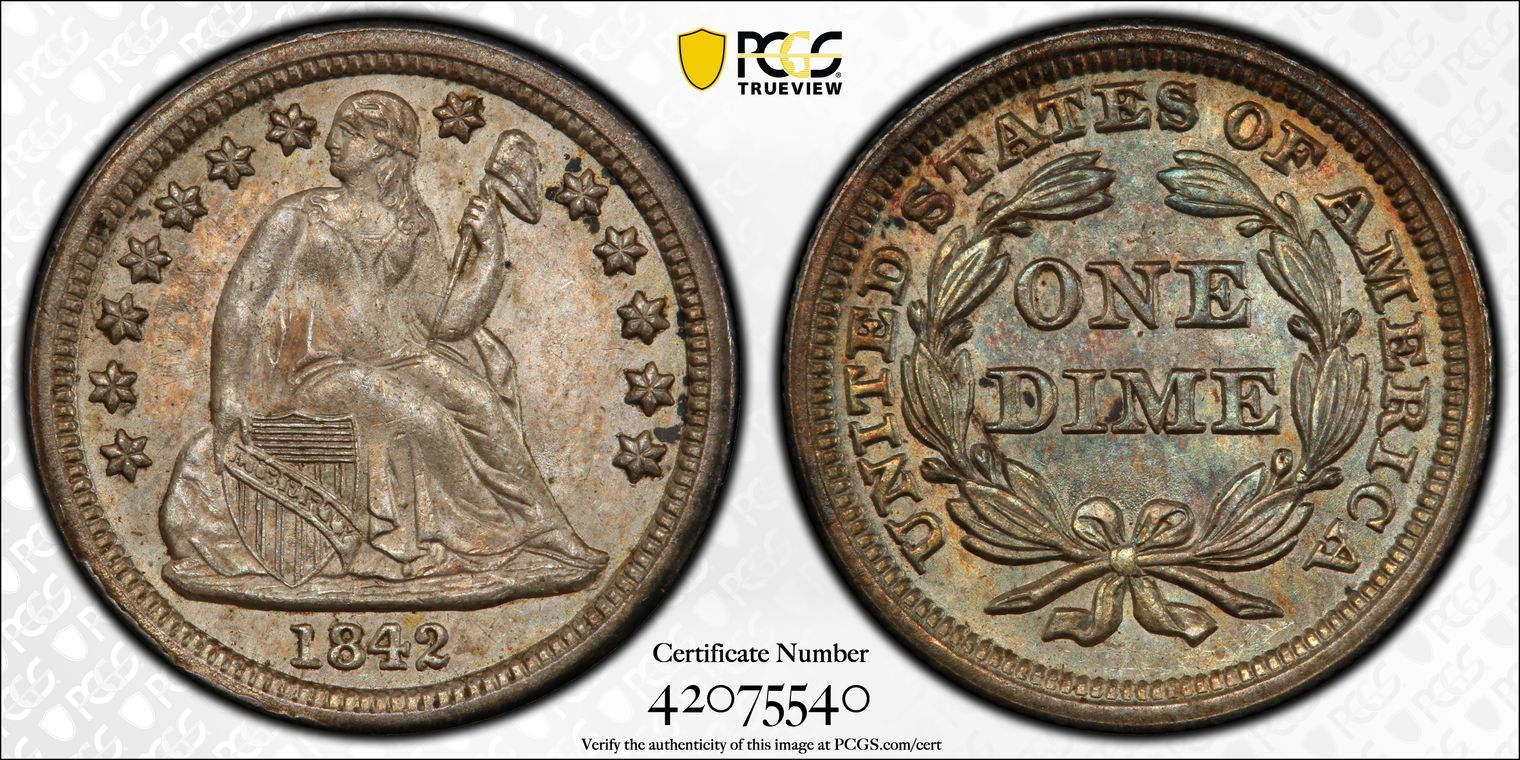
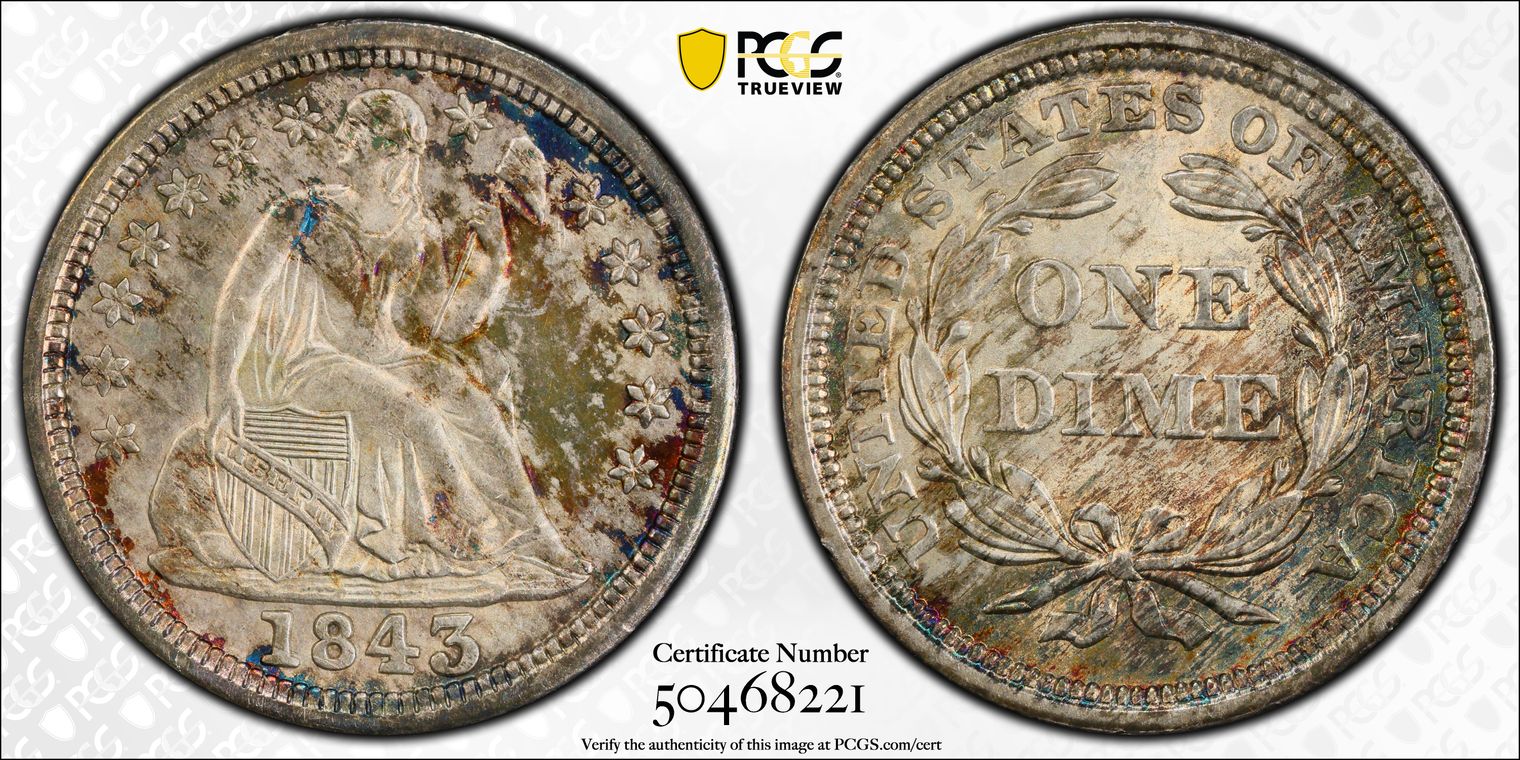
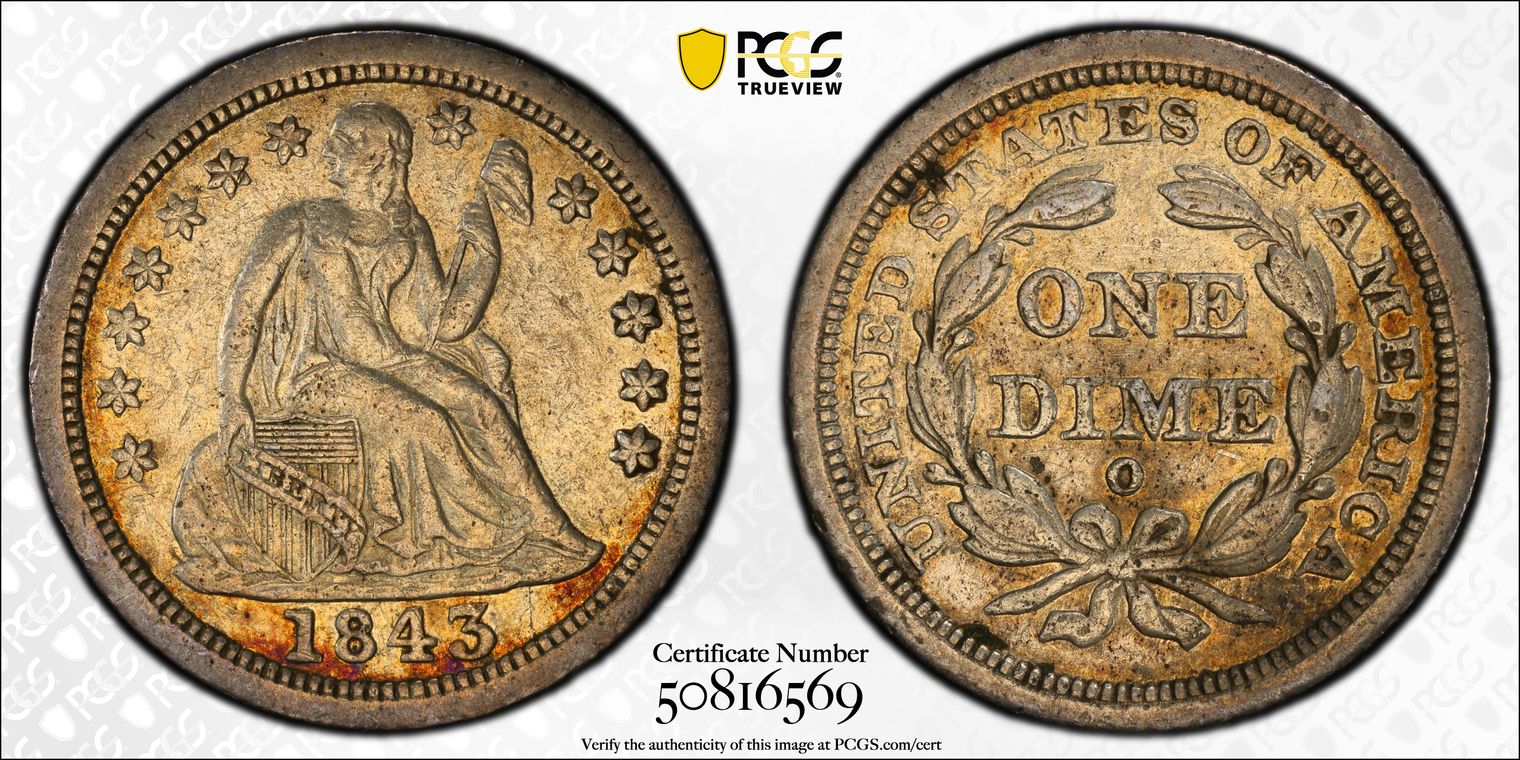

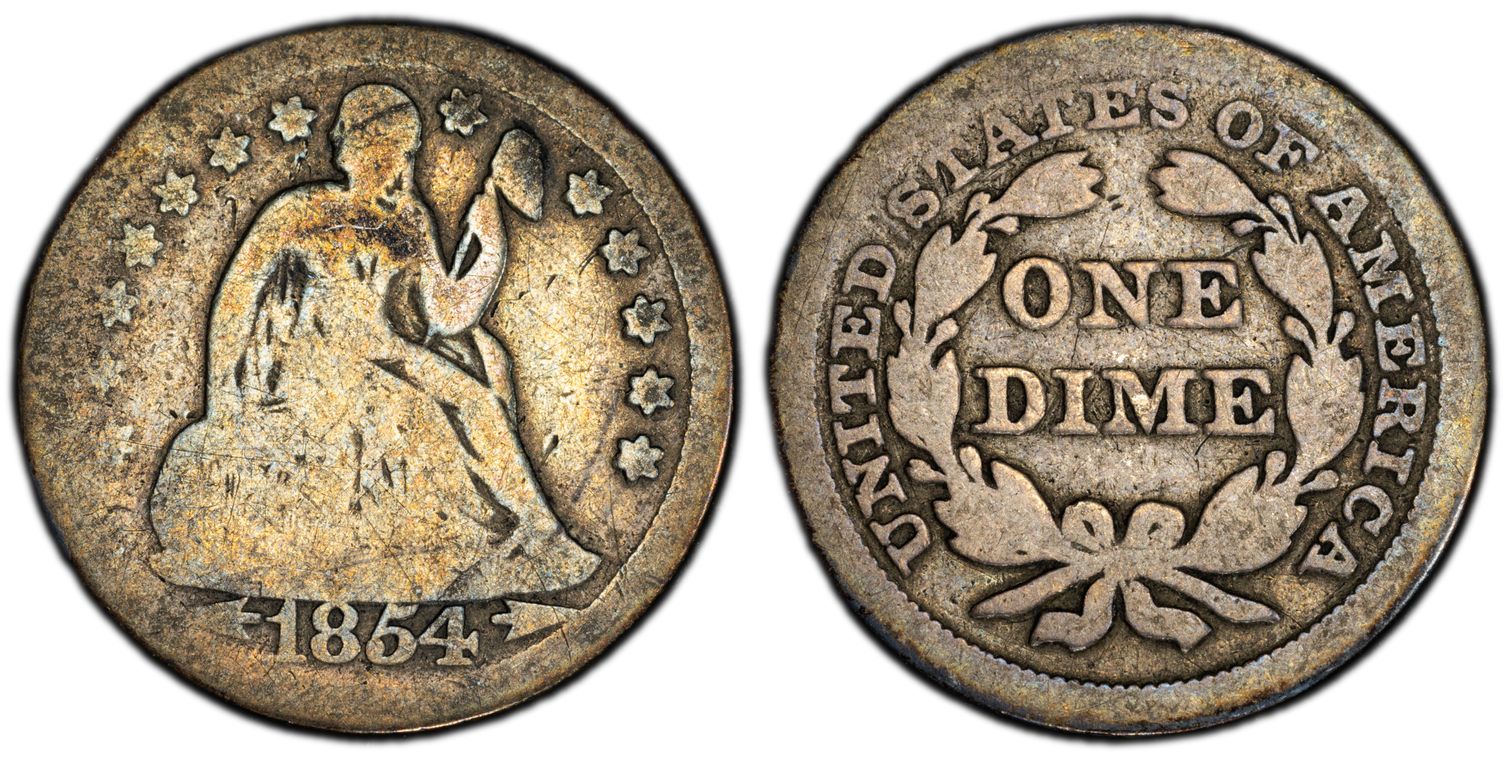
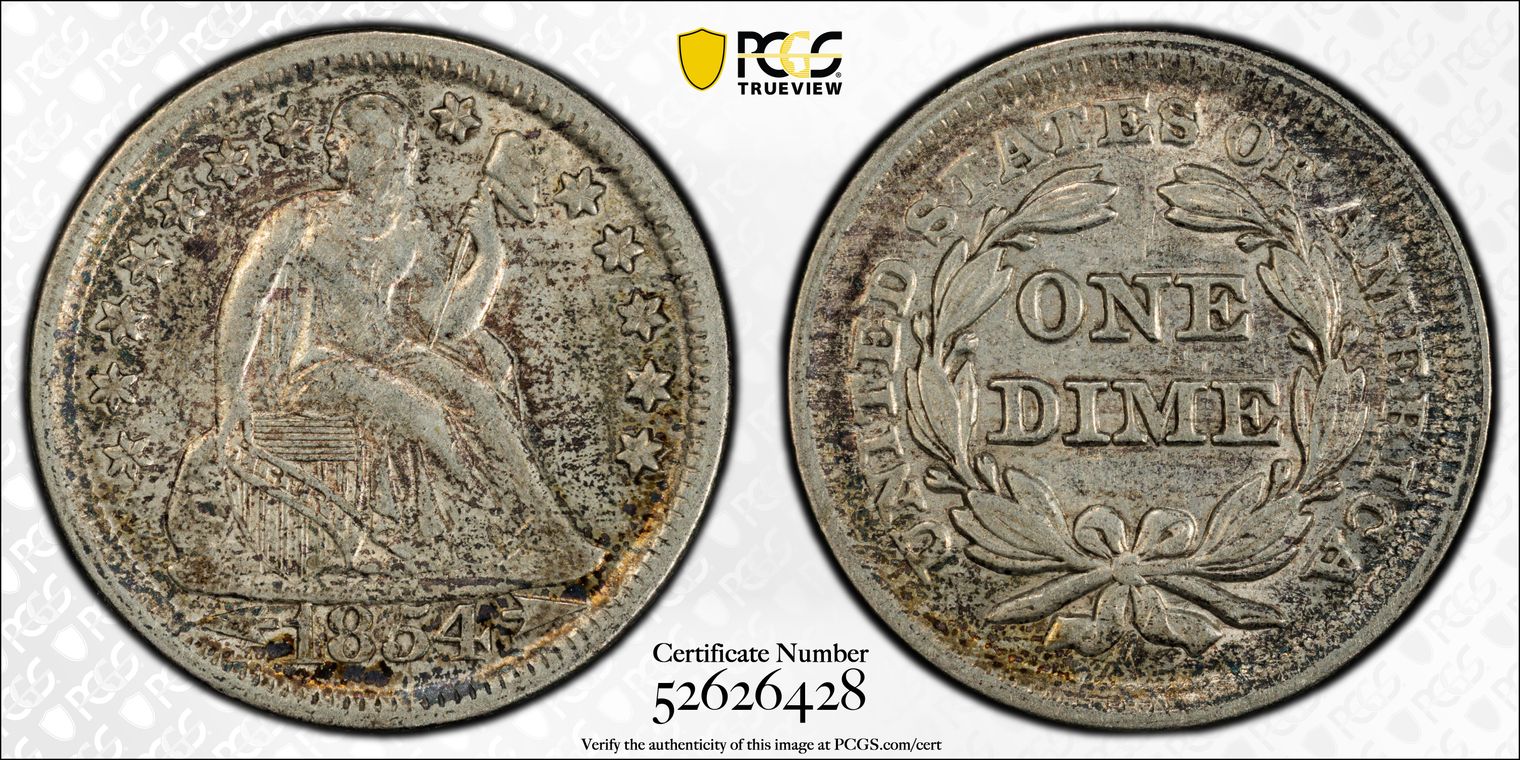
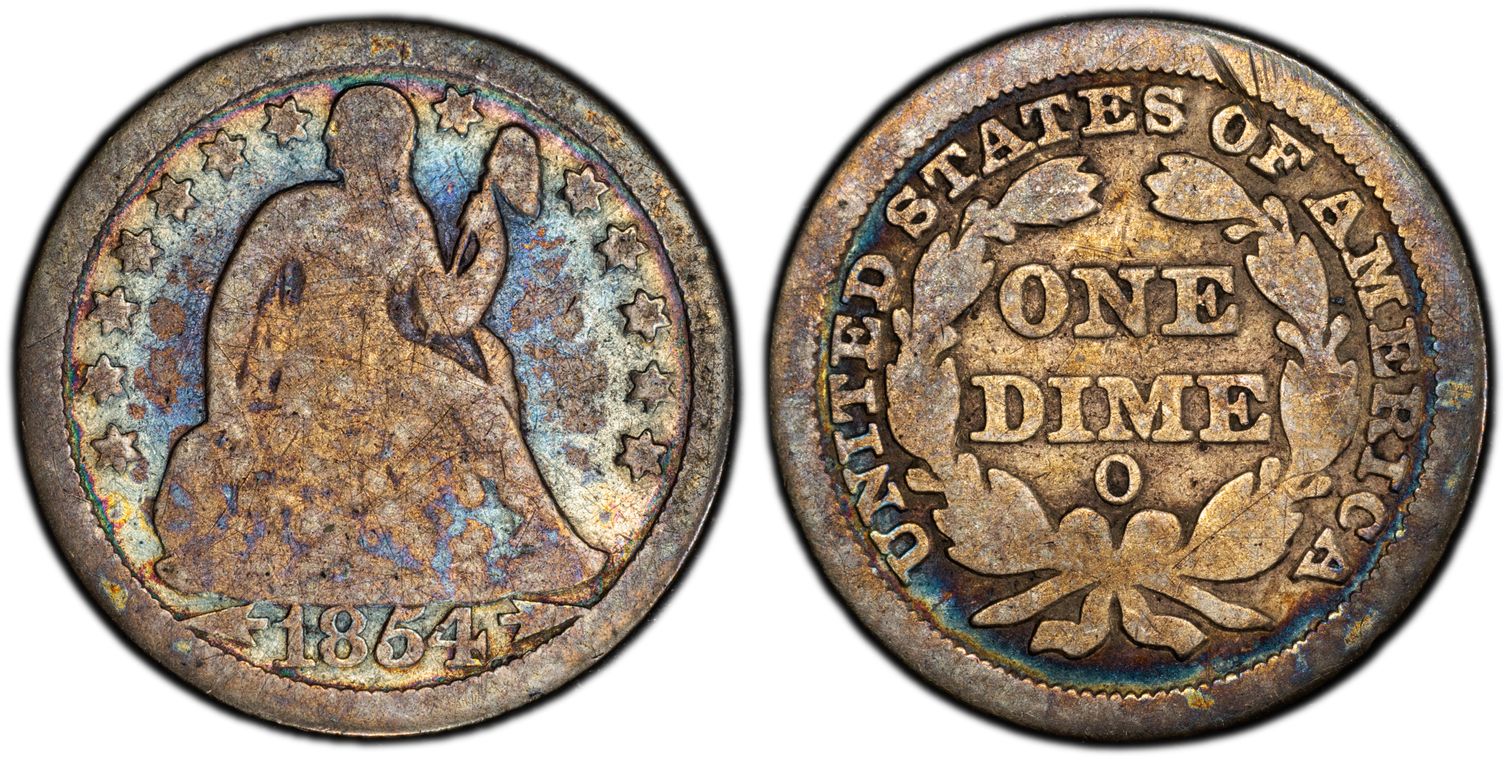
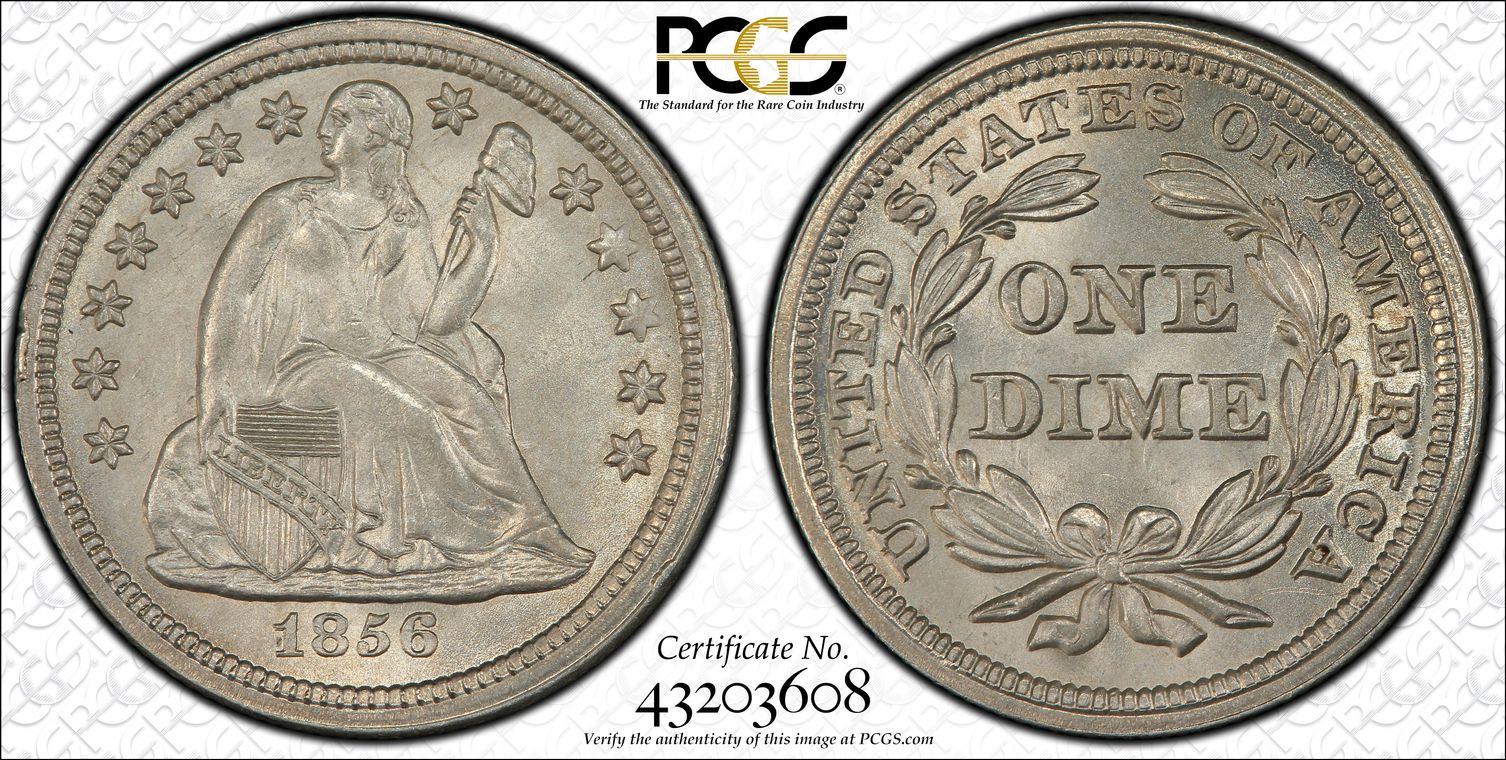
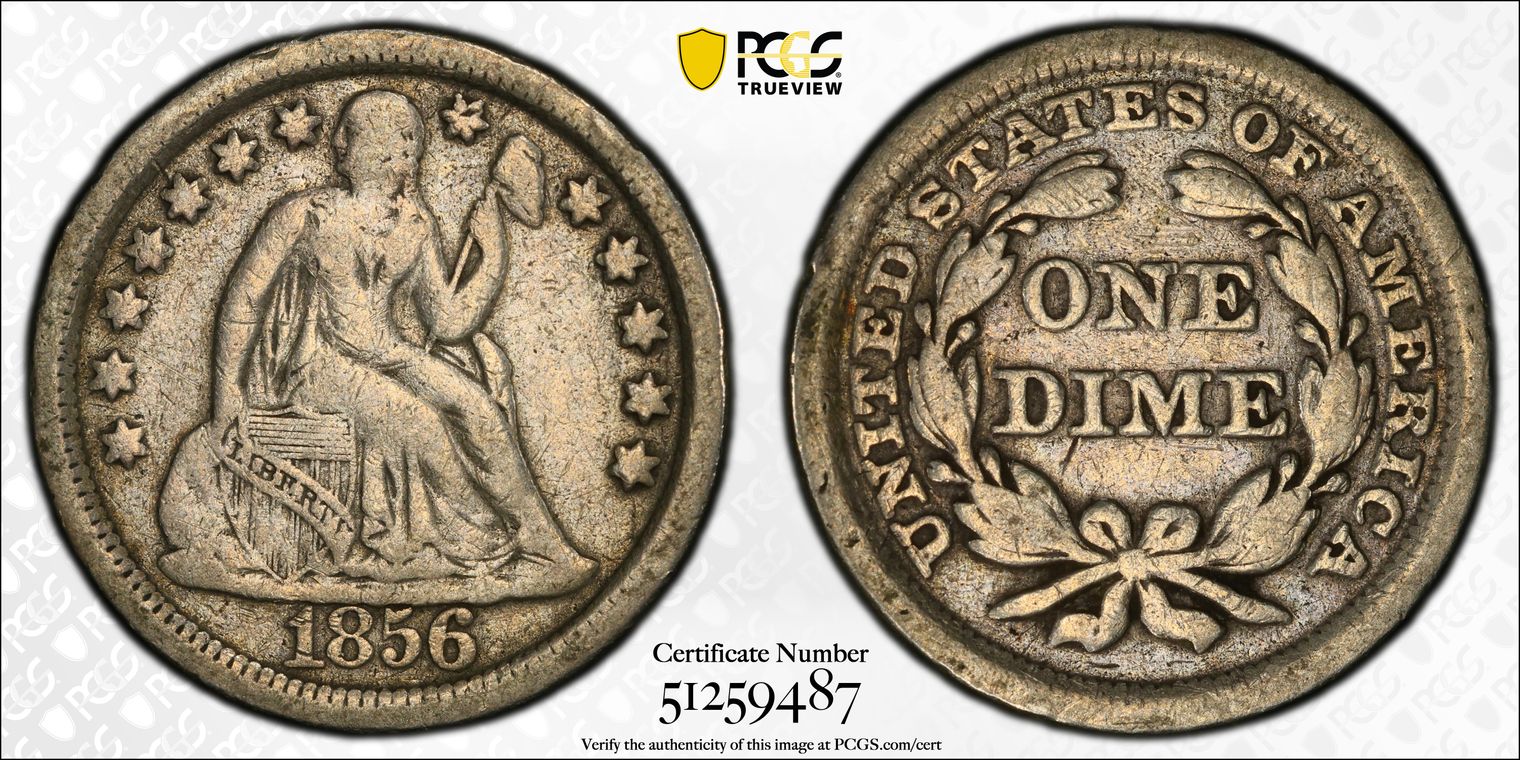
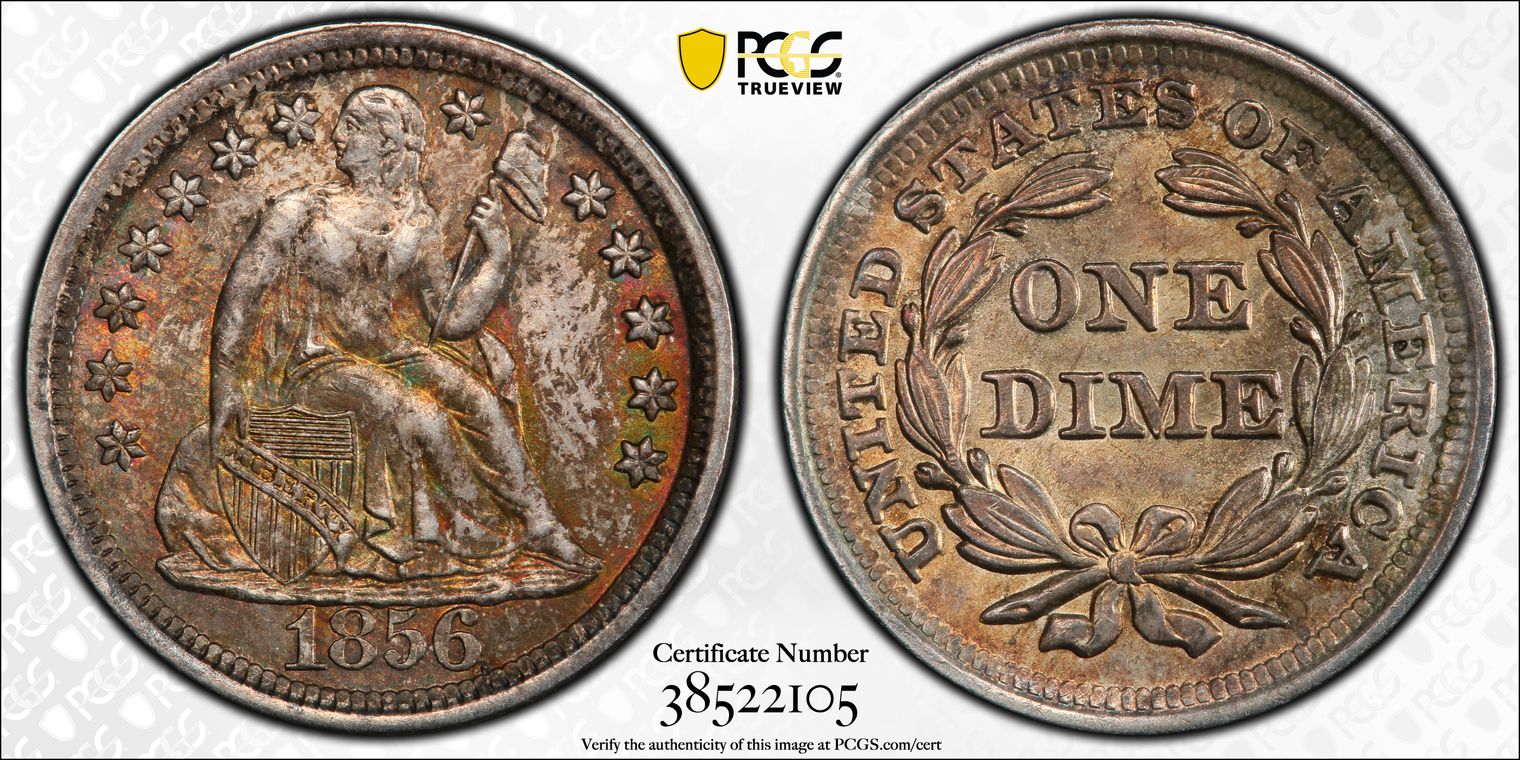
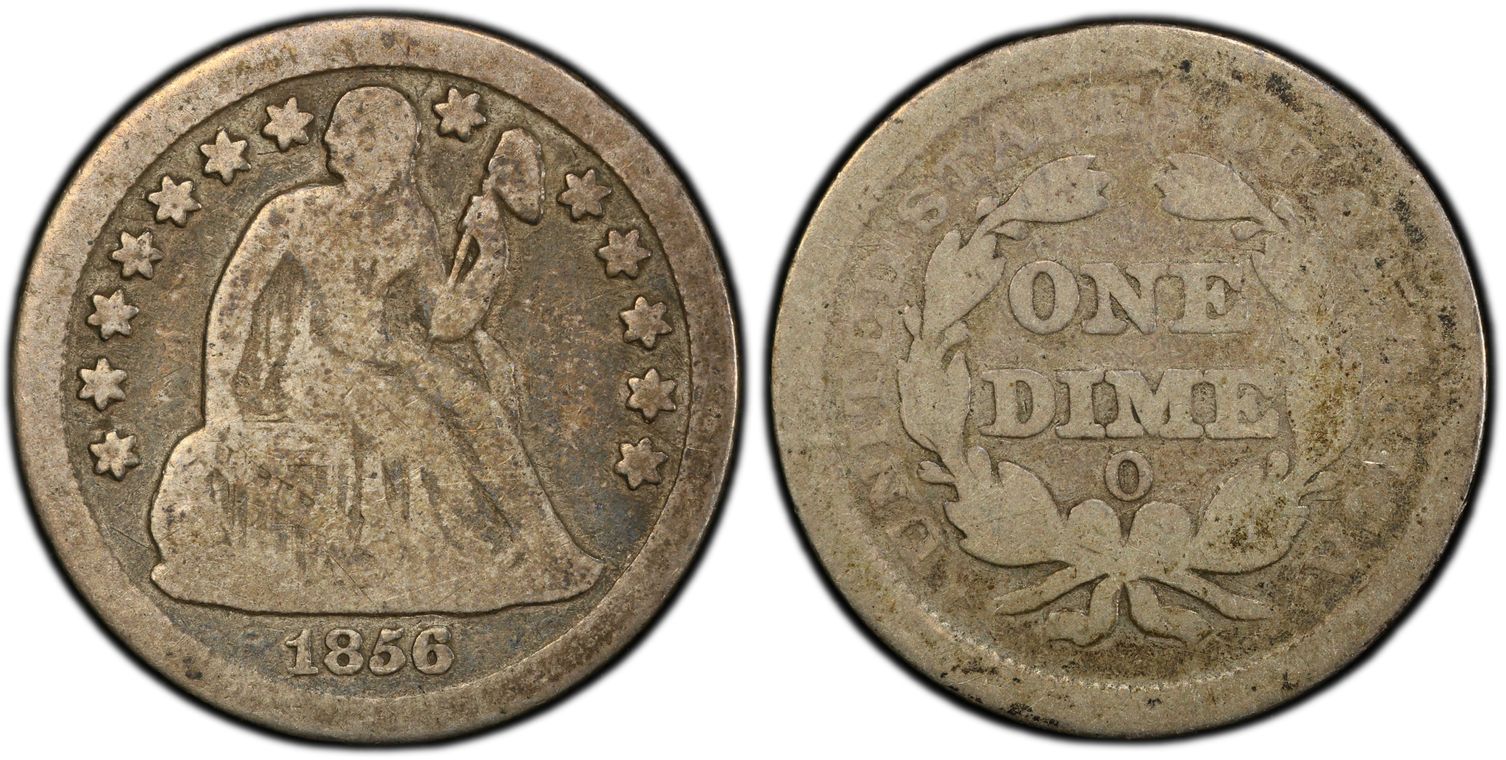
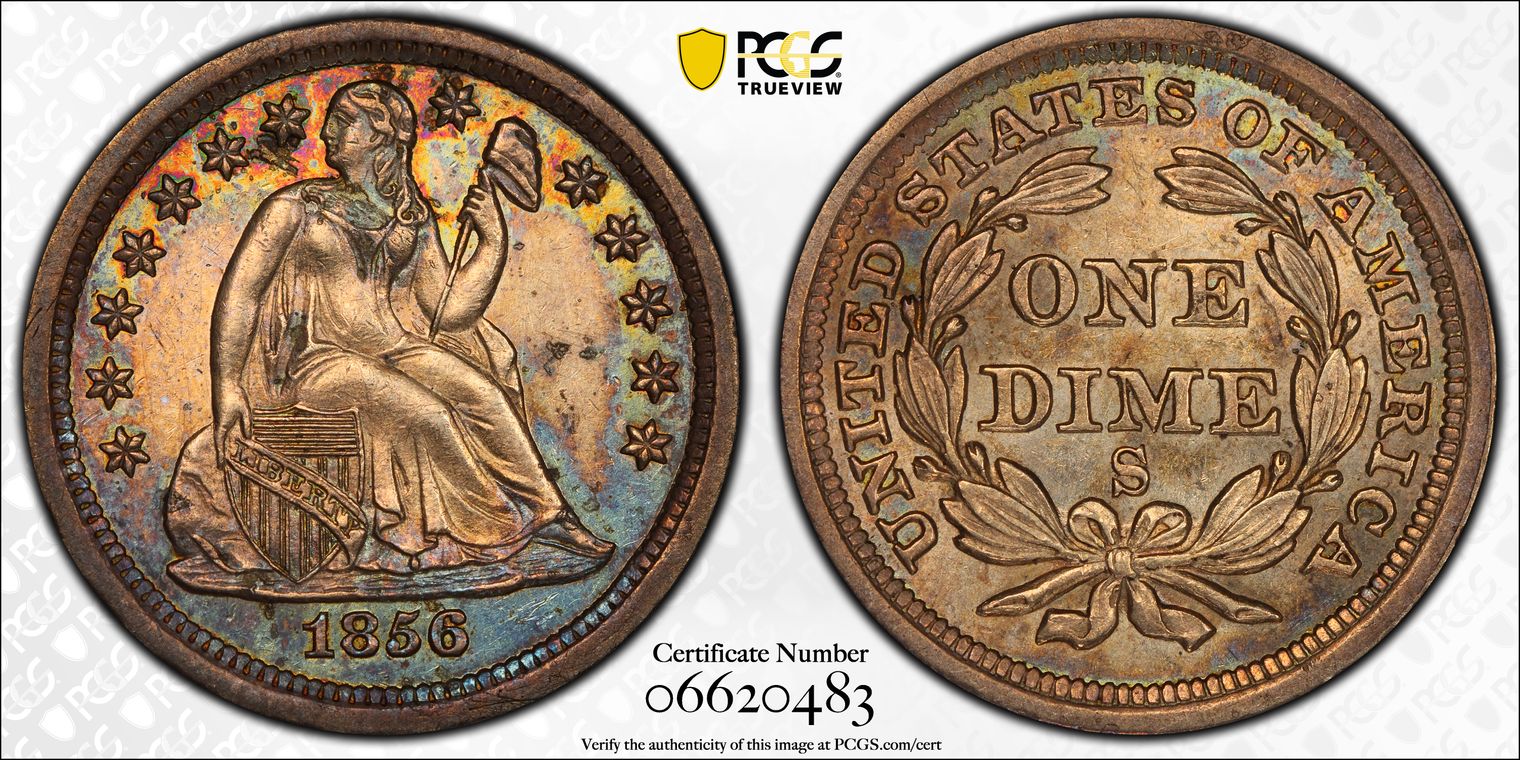
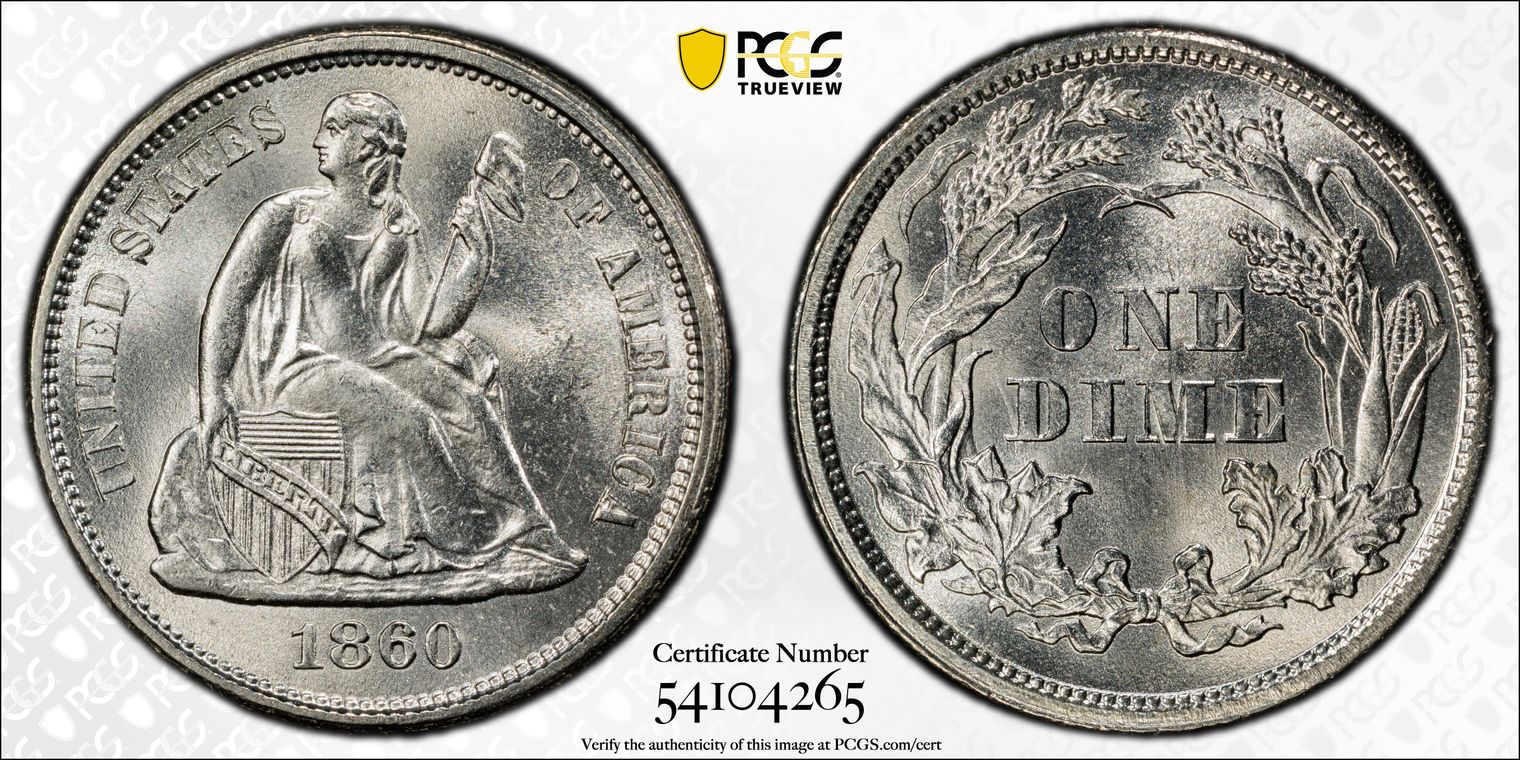
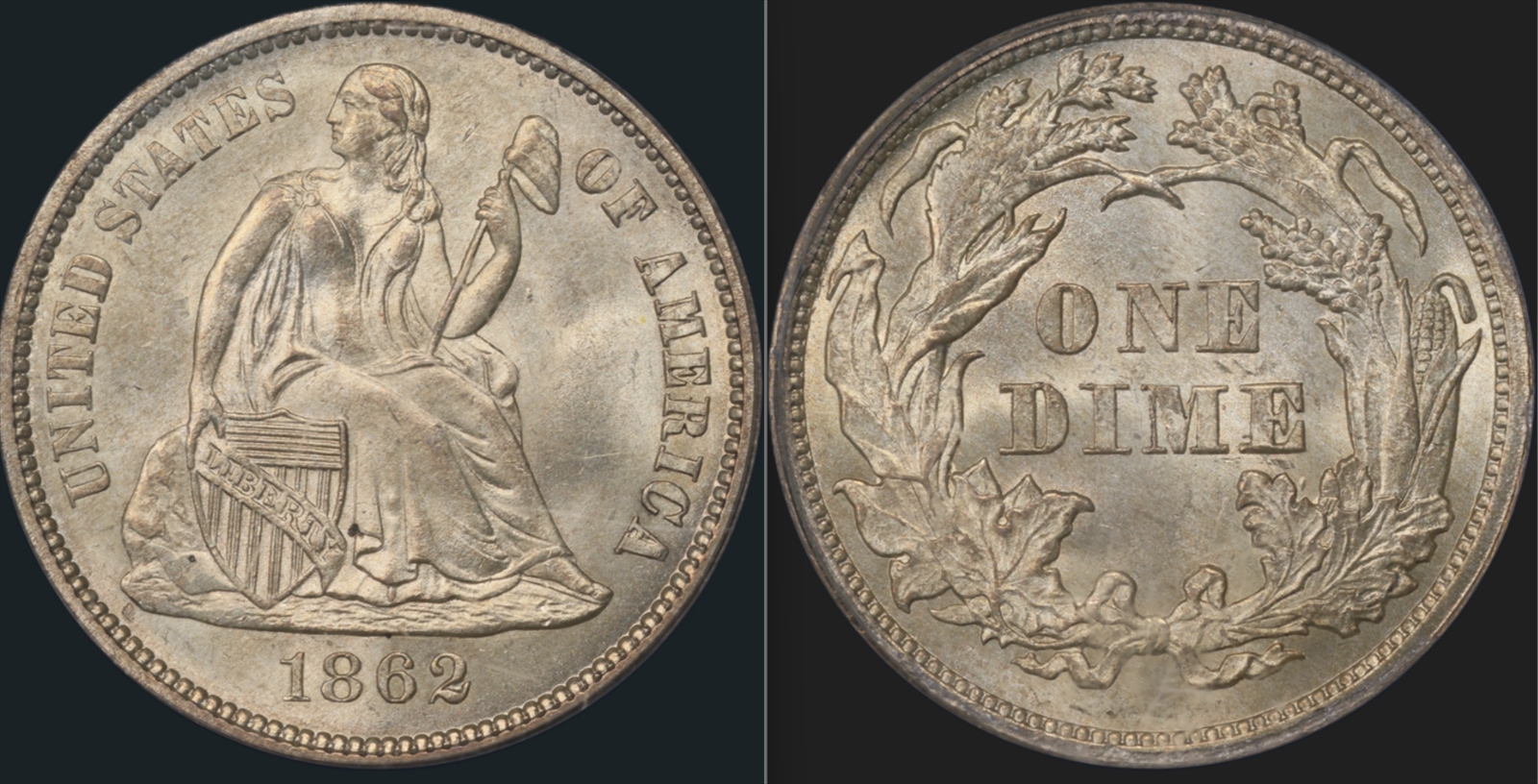
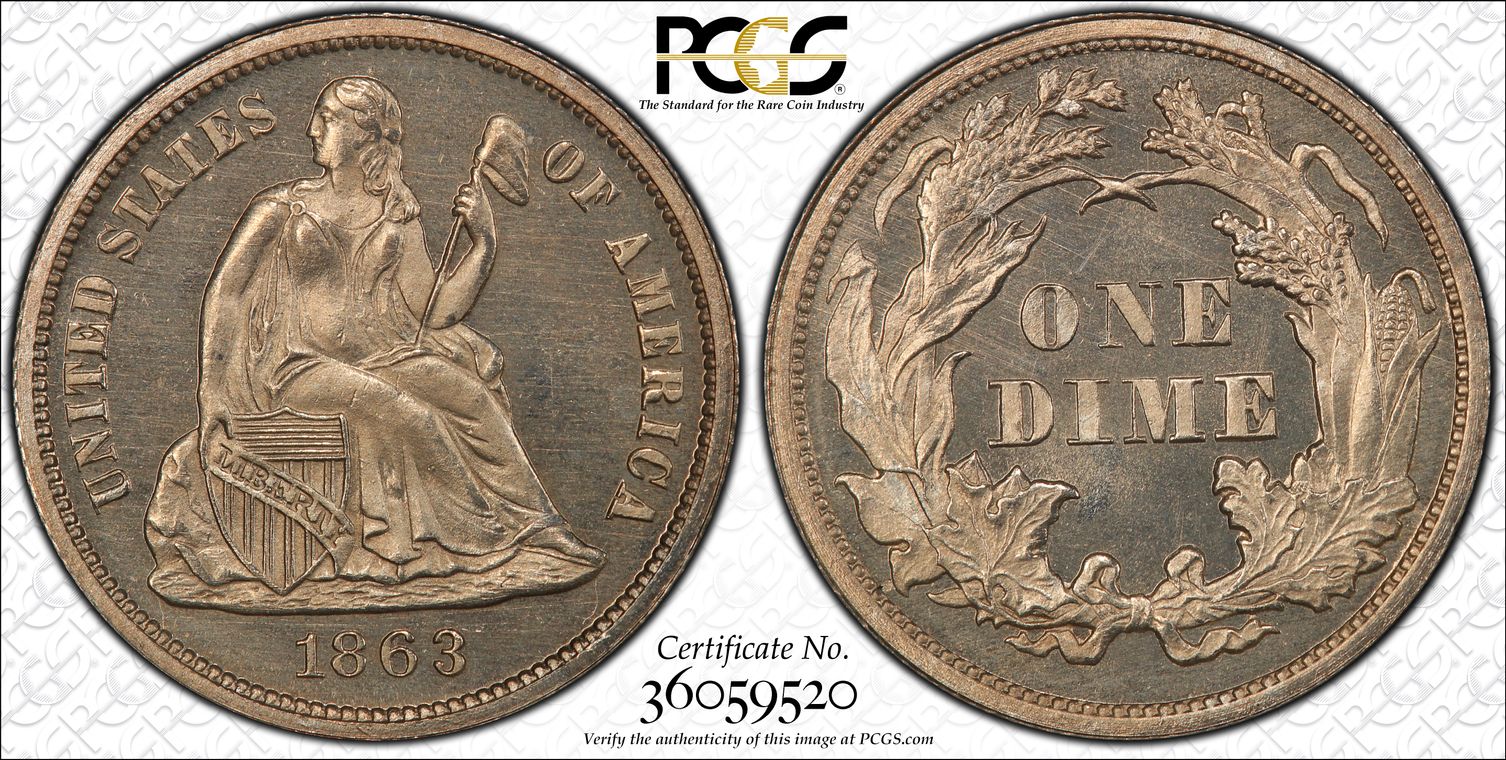
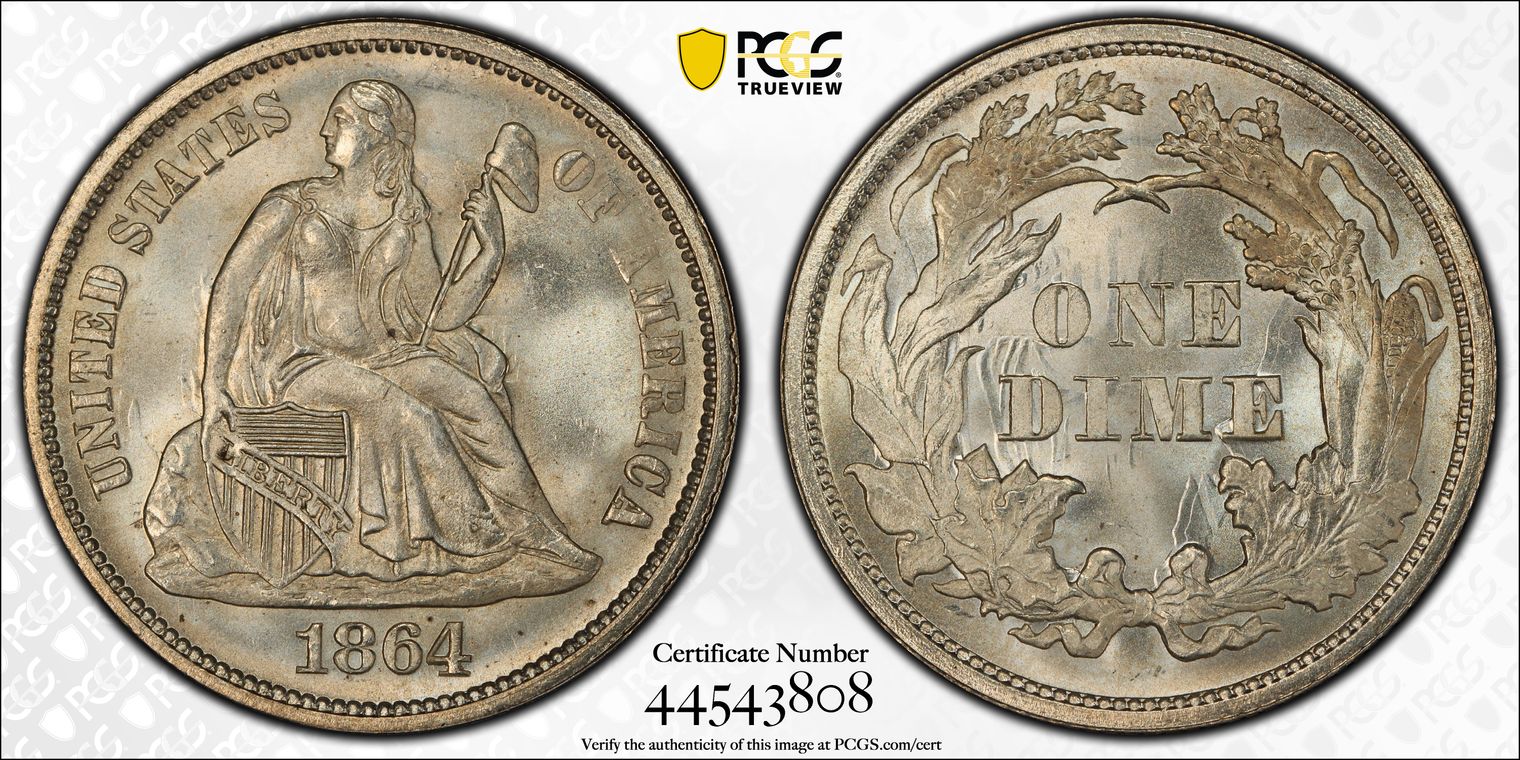
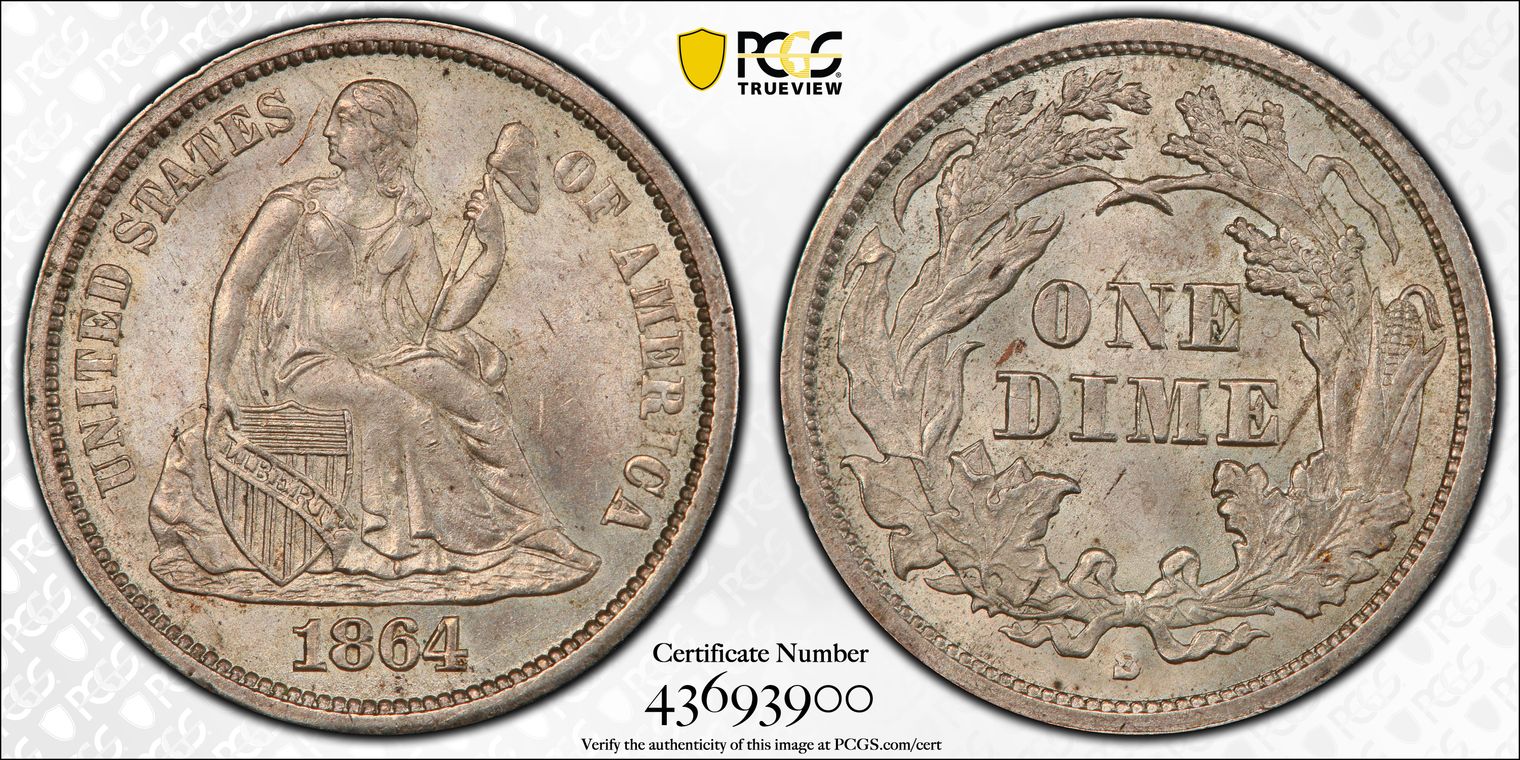
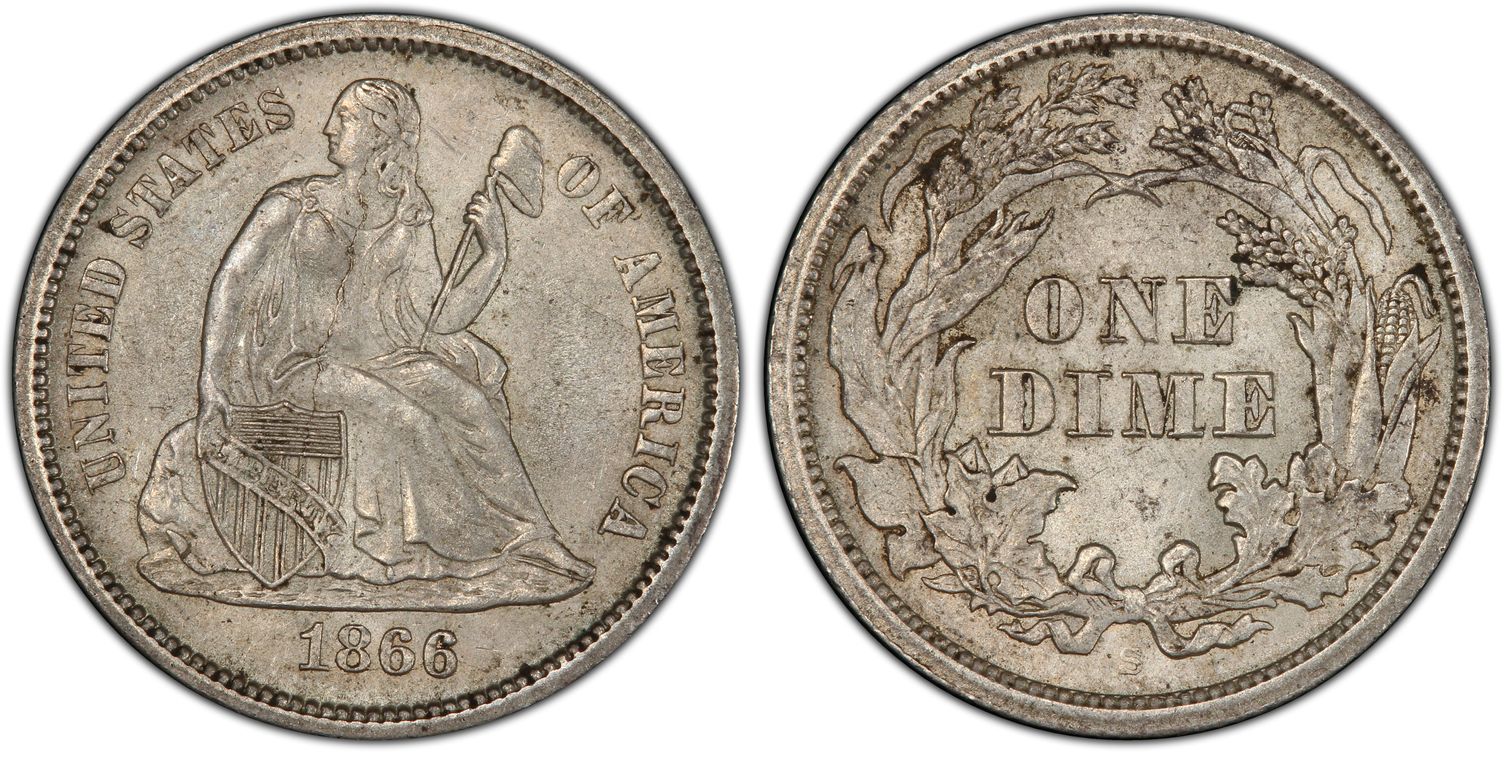
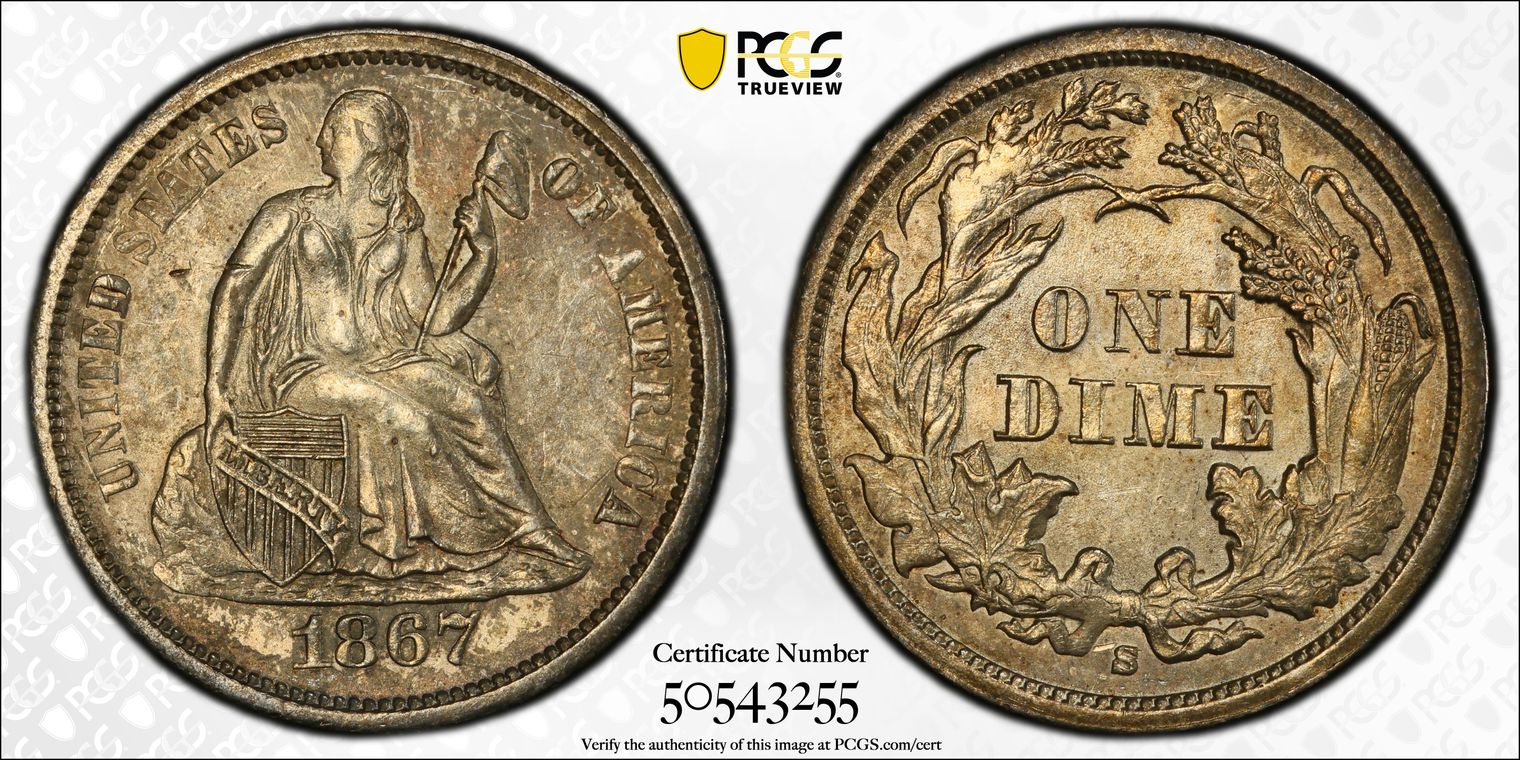
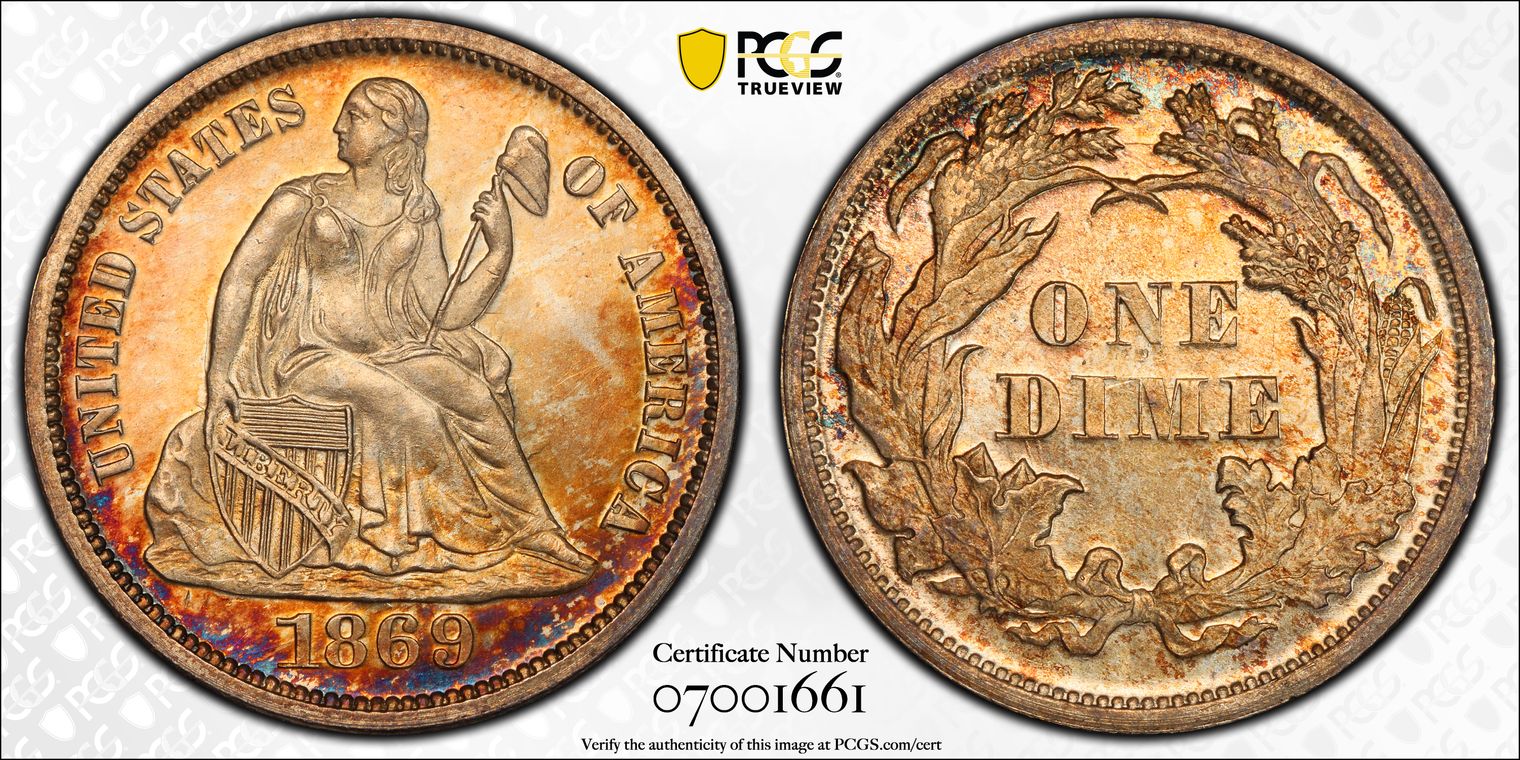
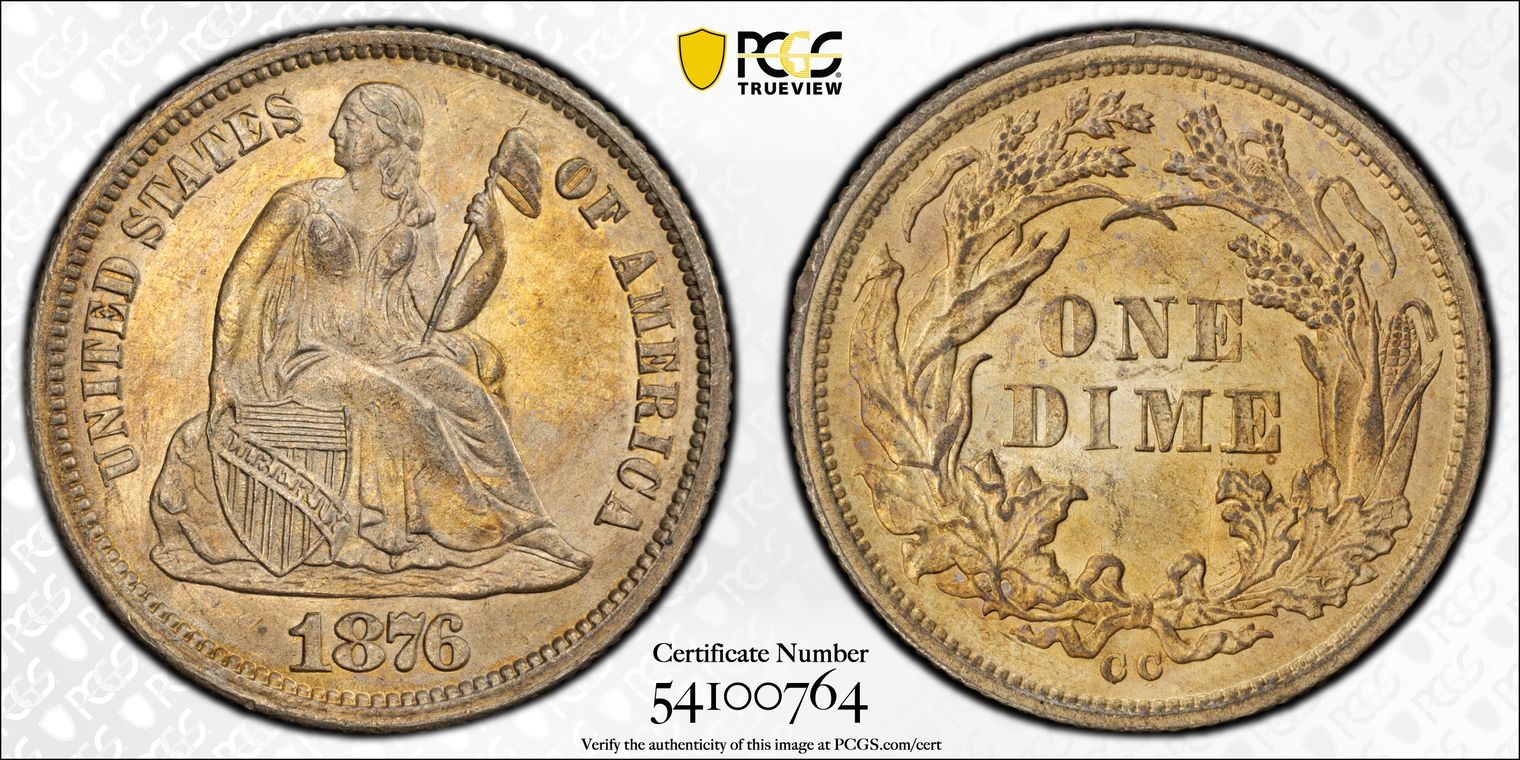
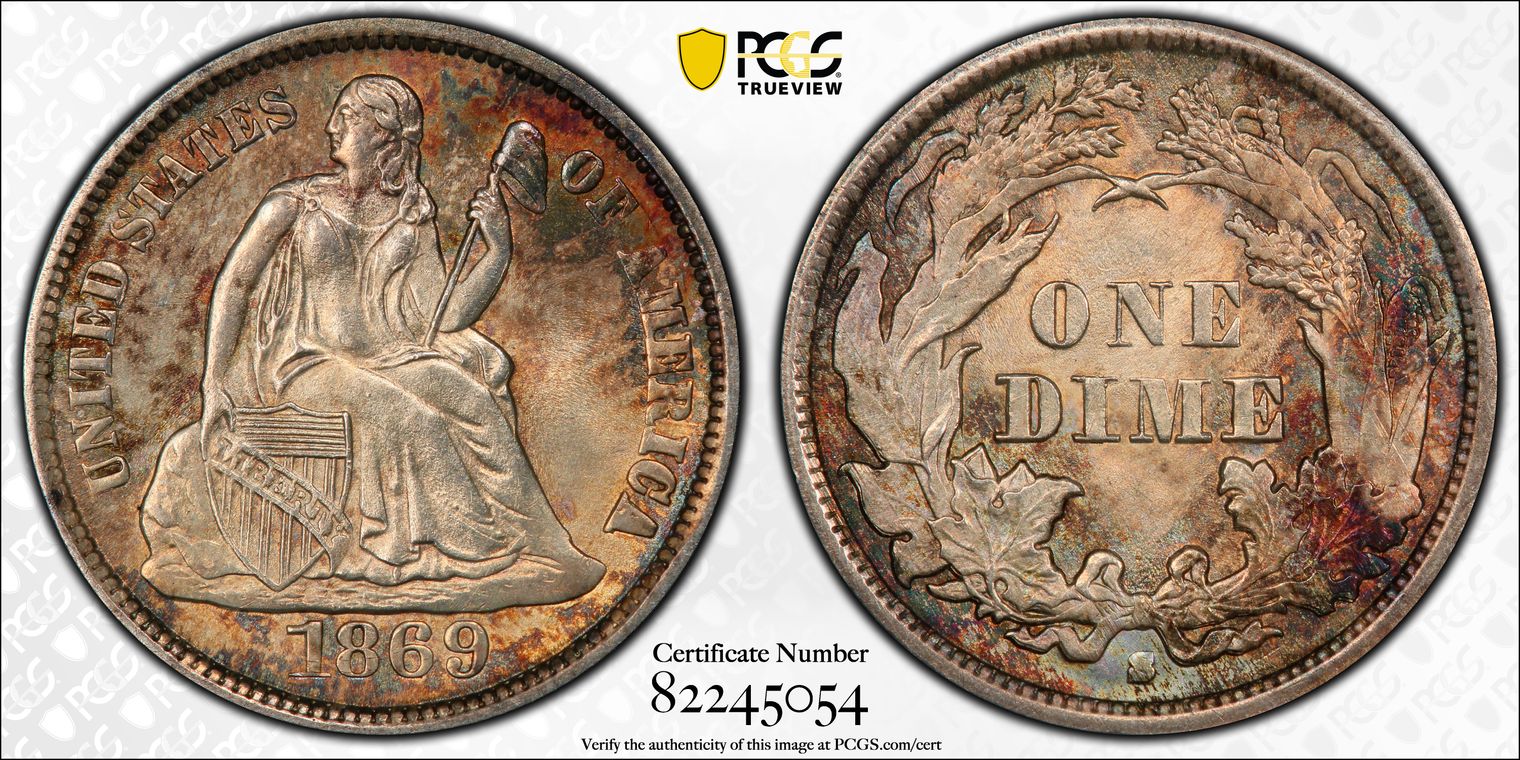
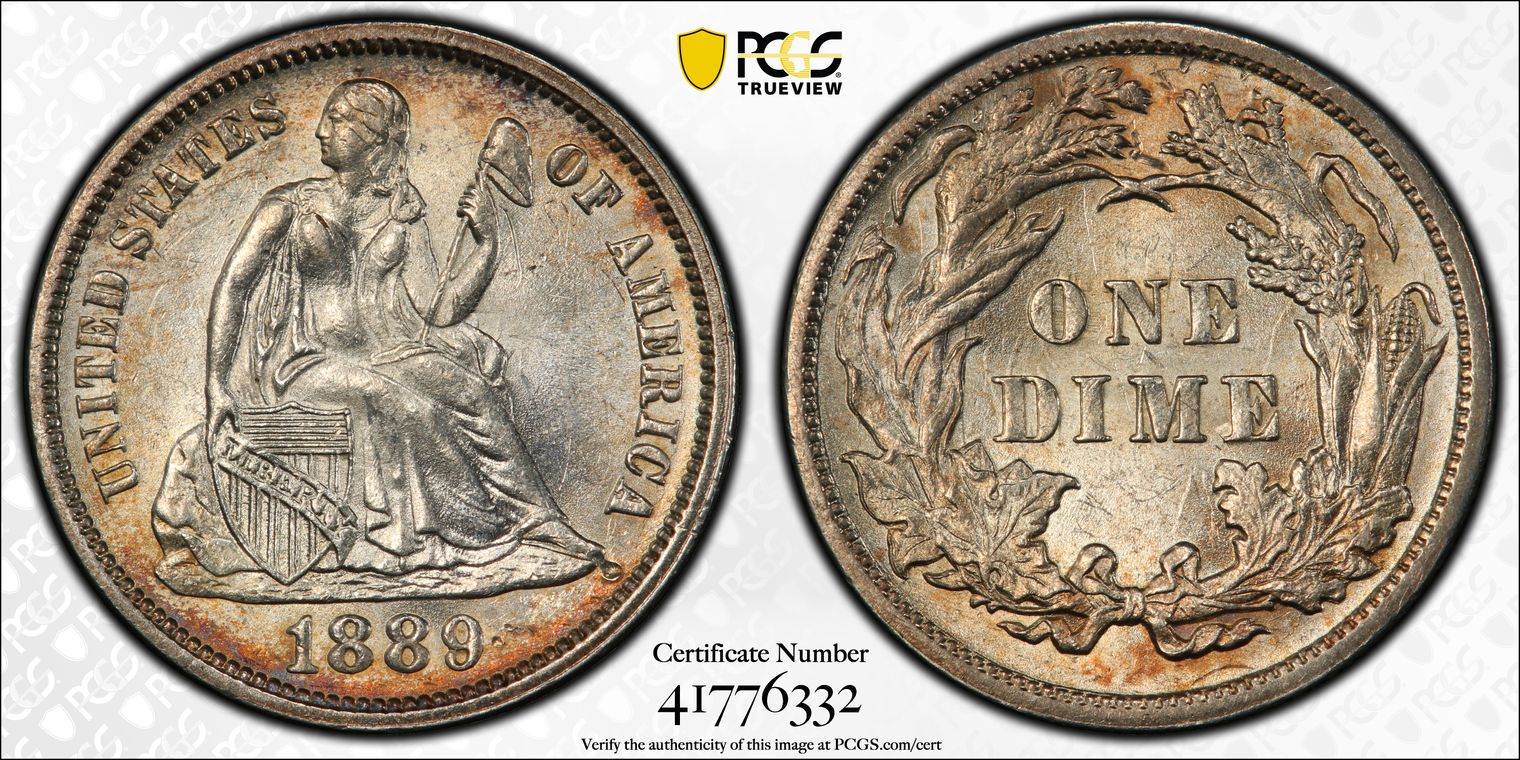
Ex. Gerry Fortin Collection. Long Flag 1, F105a. From FGRC description: "The 1869 Philadelphia issue was produced with two different date punch styles, the Short Flag 1 and Long Flag 1, with the latter seen on most Mint State examples. The strike is essentially complete with a partial wire rim."
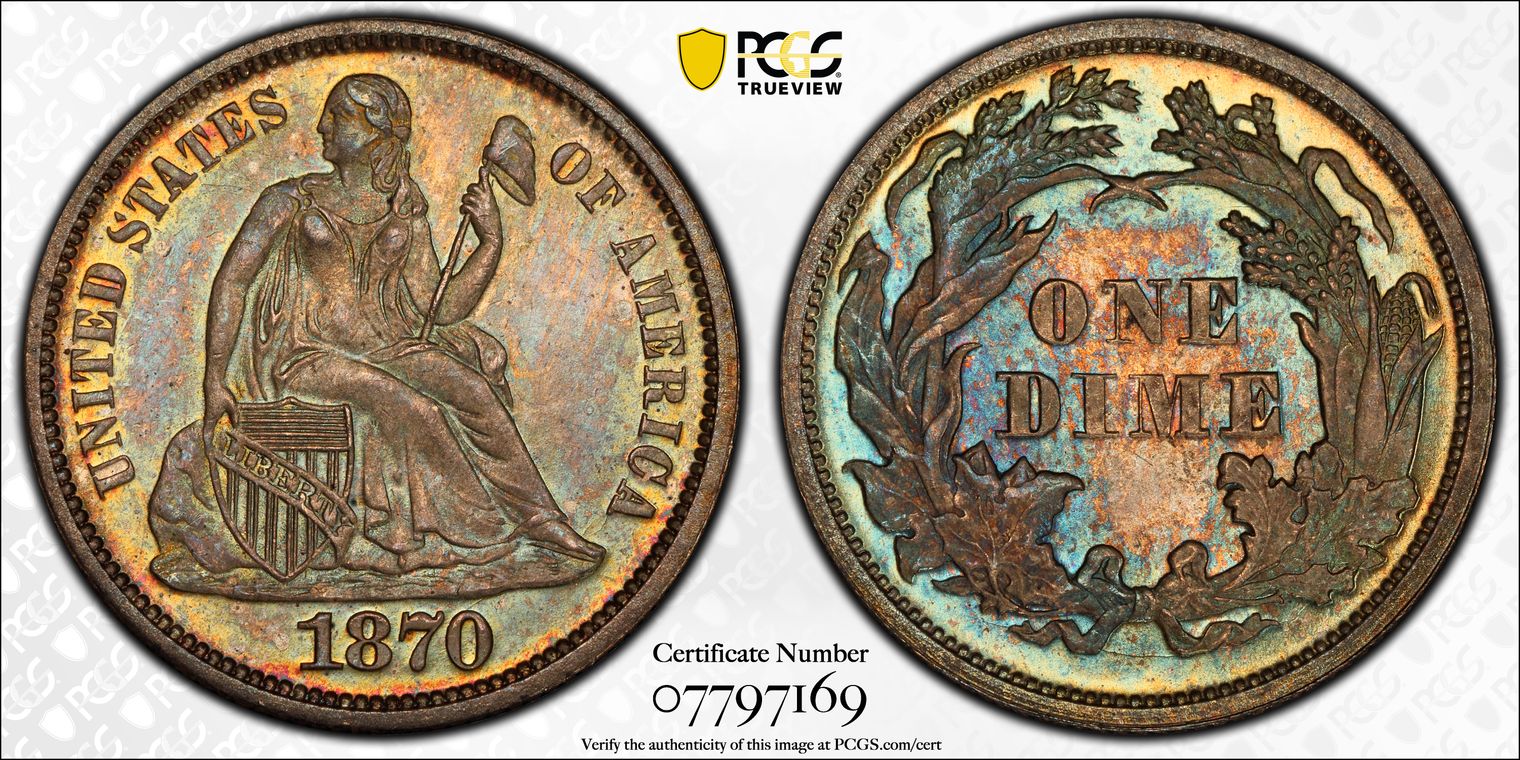
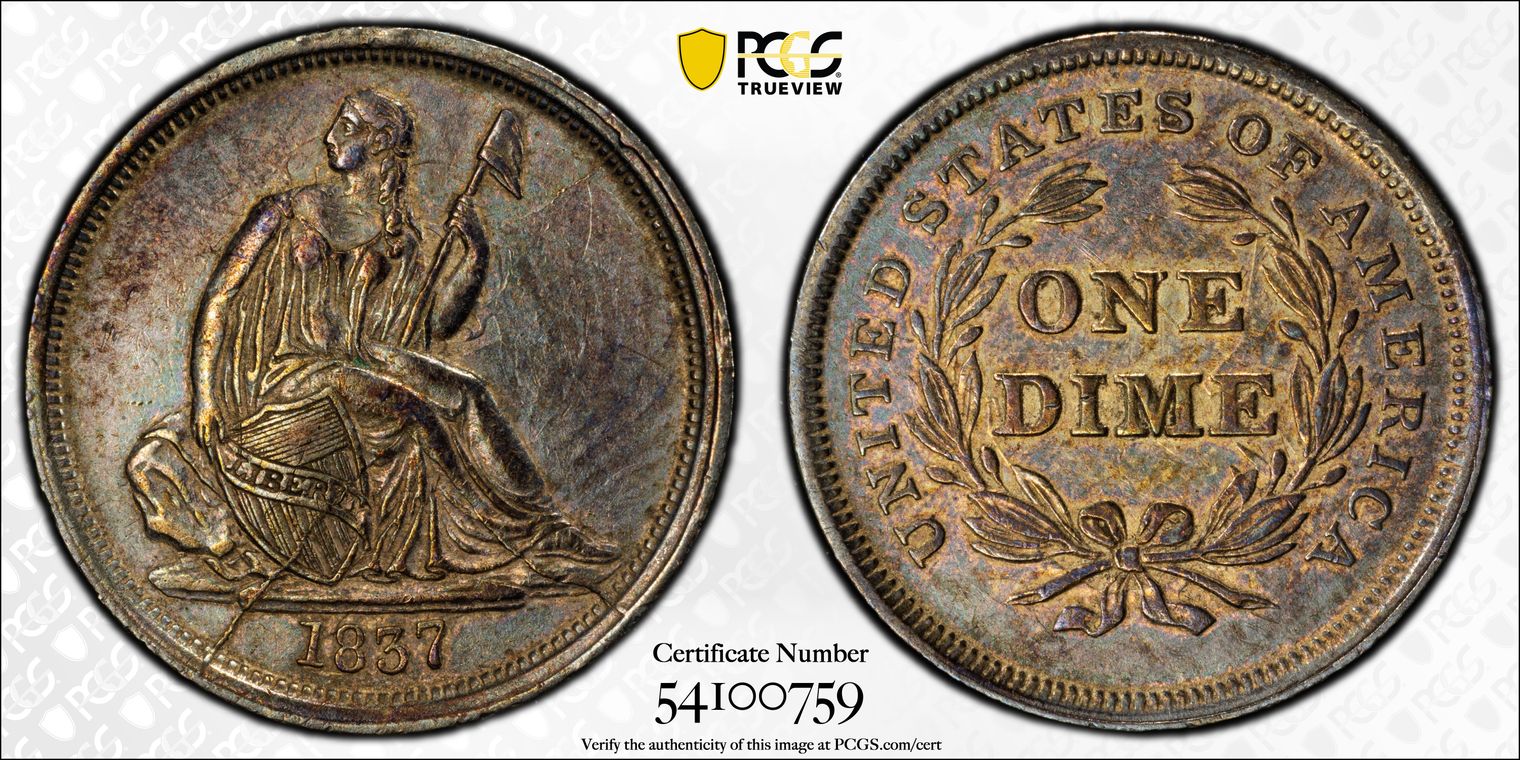
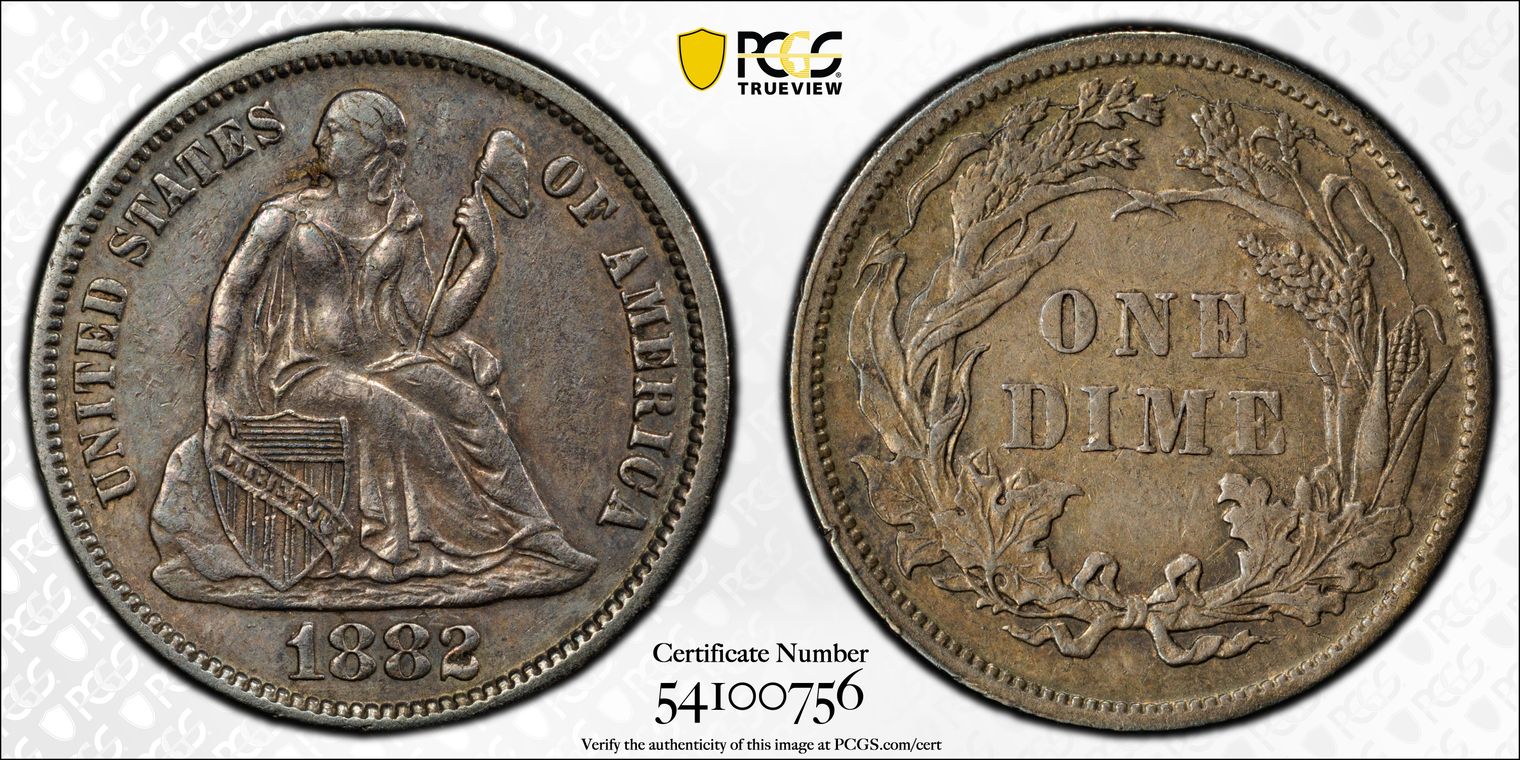
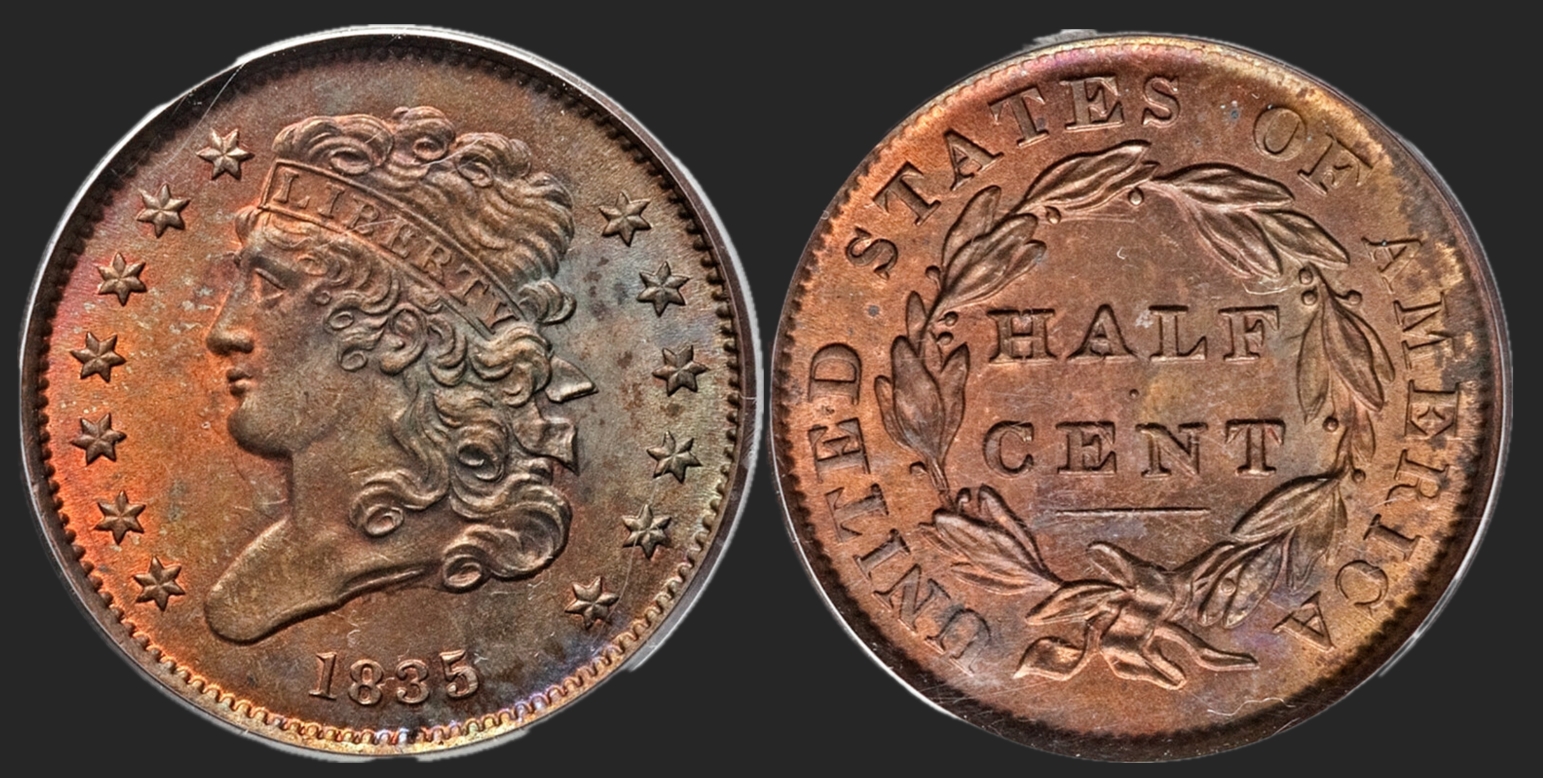
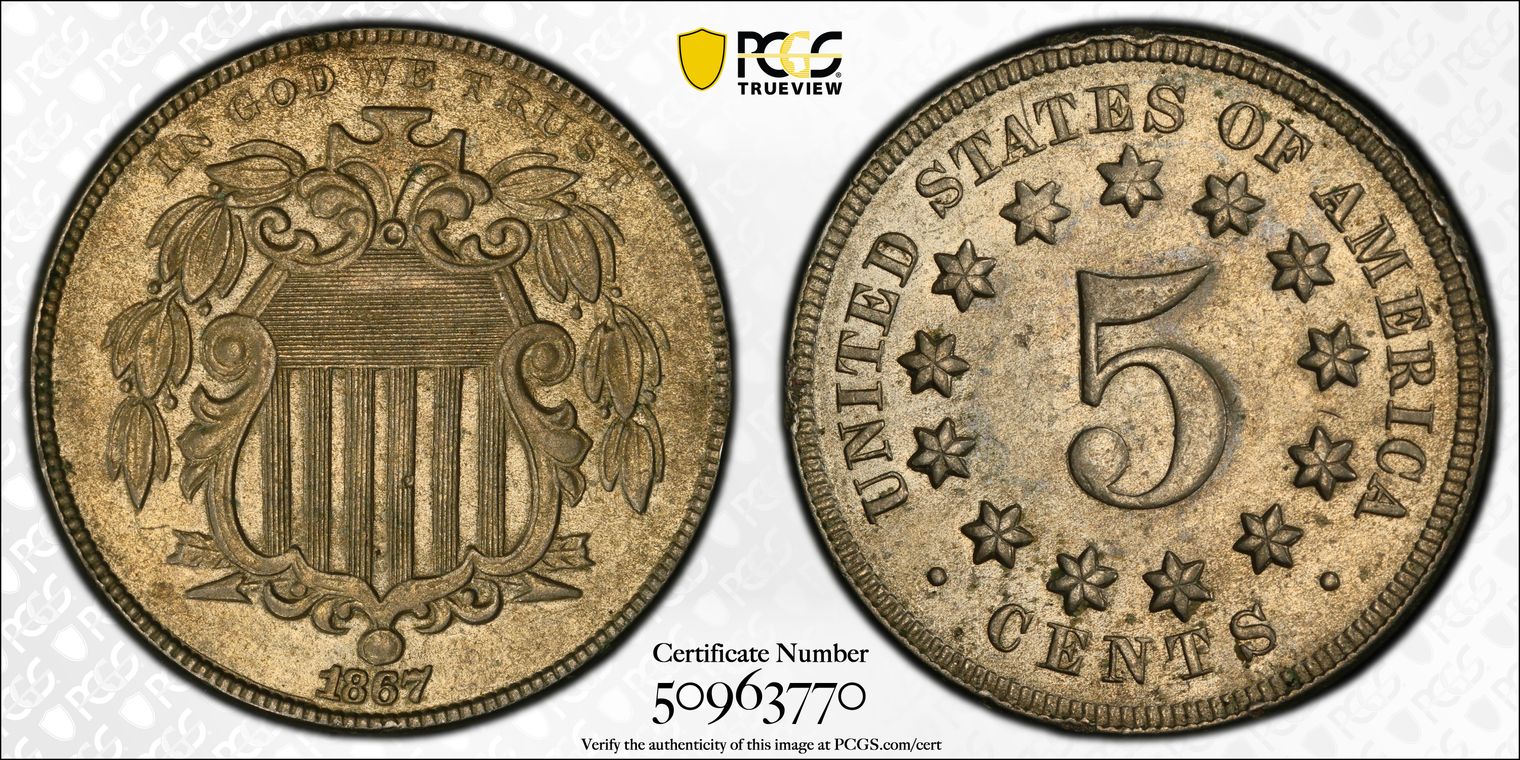
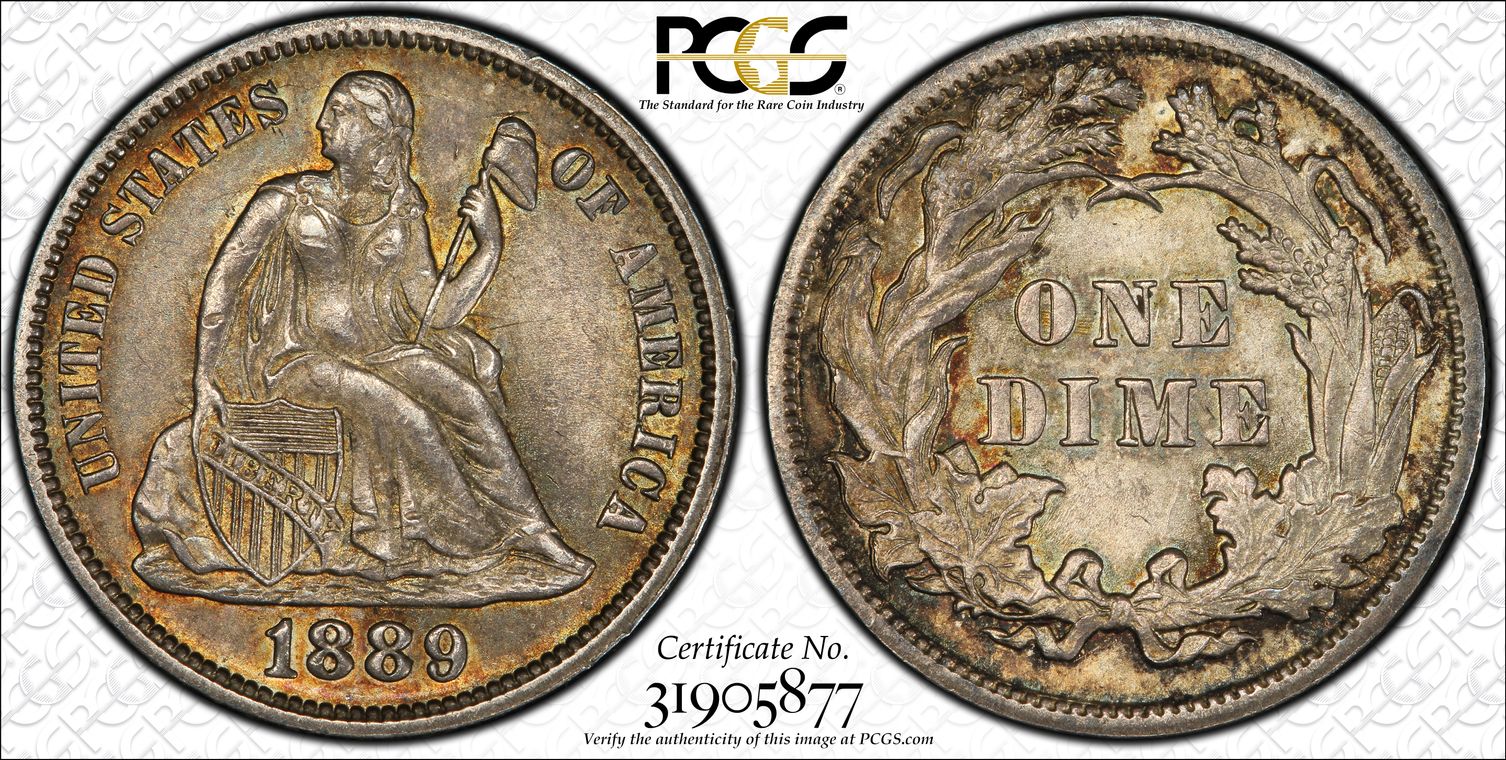
Ex. Gerry Fortin Collection, Ex. Bender. From the GFRC description: "F-101a, a business strike from proof dies as noted by a die crack between the ribbon ends."
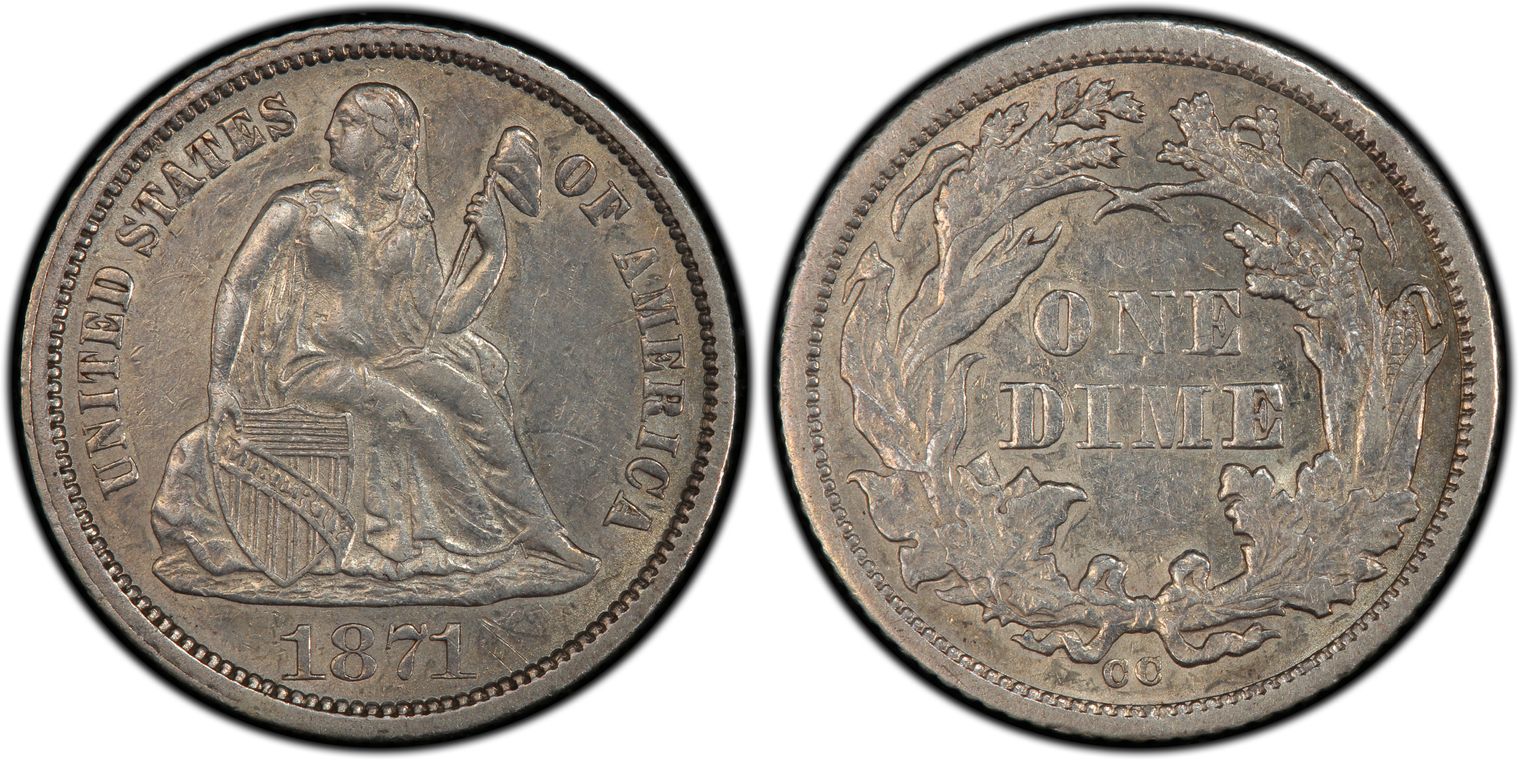
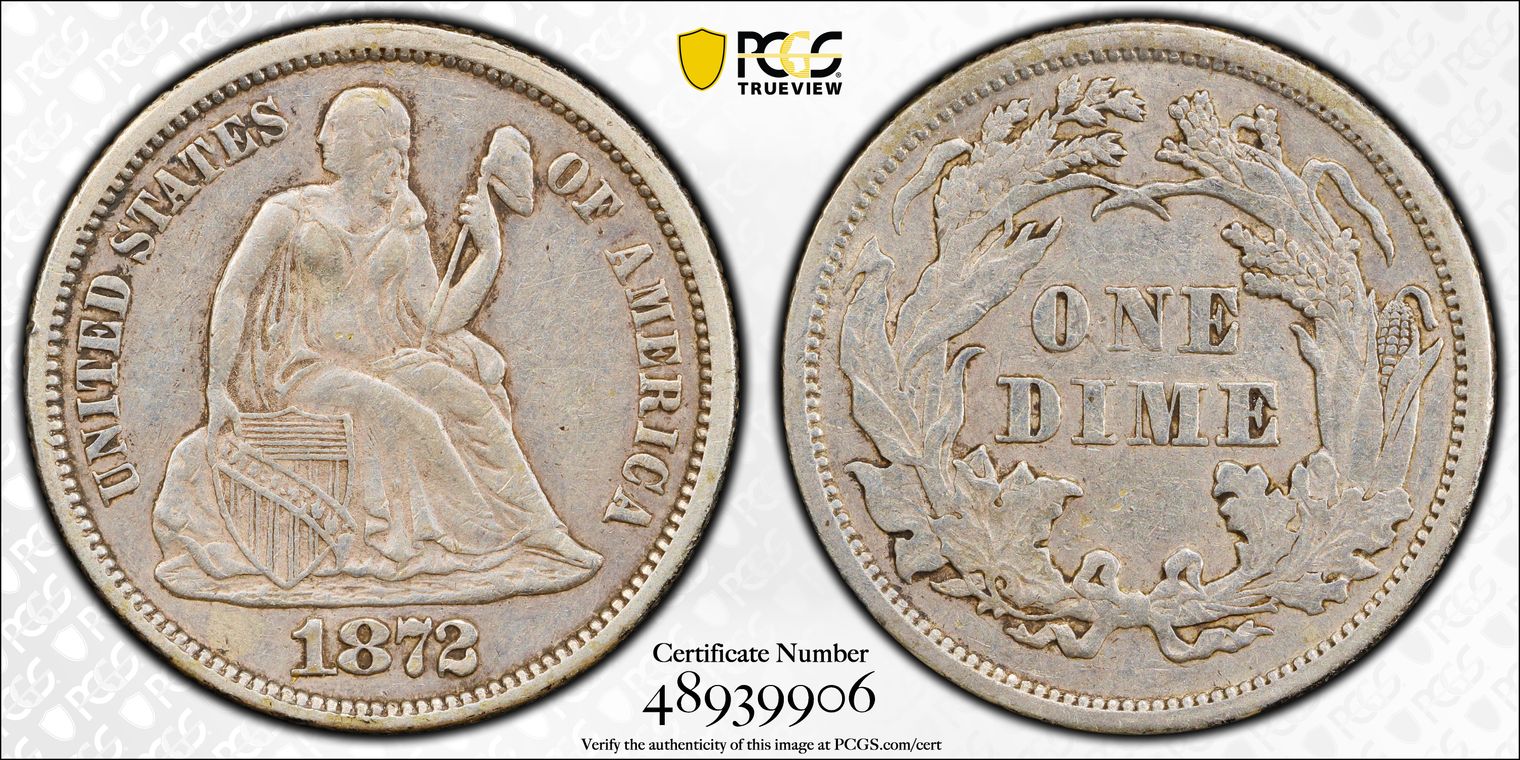
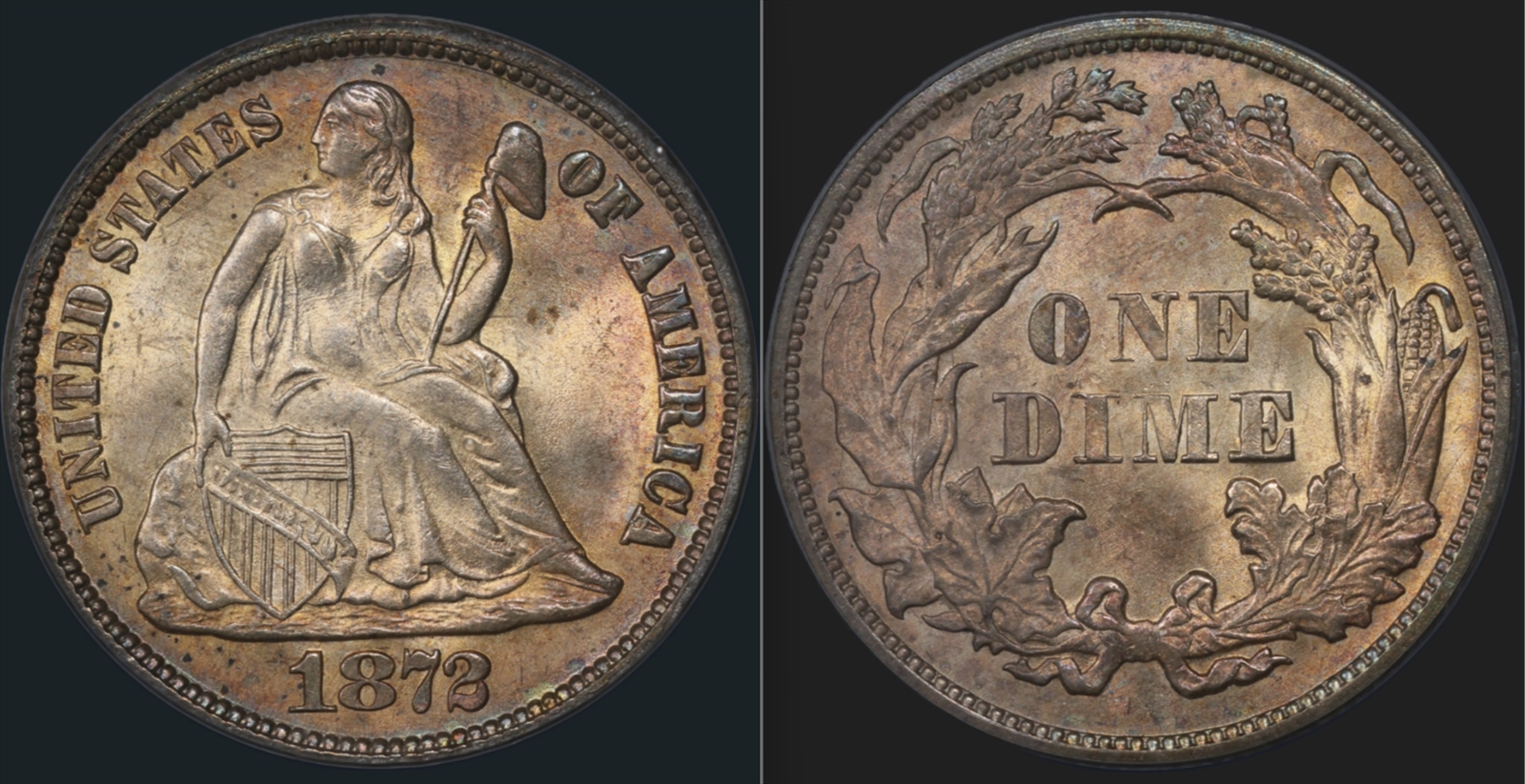
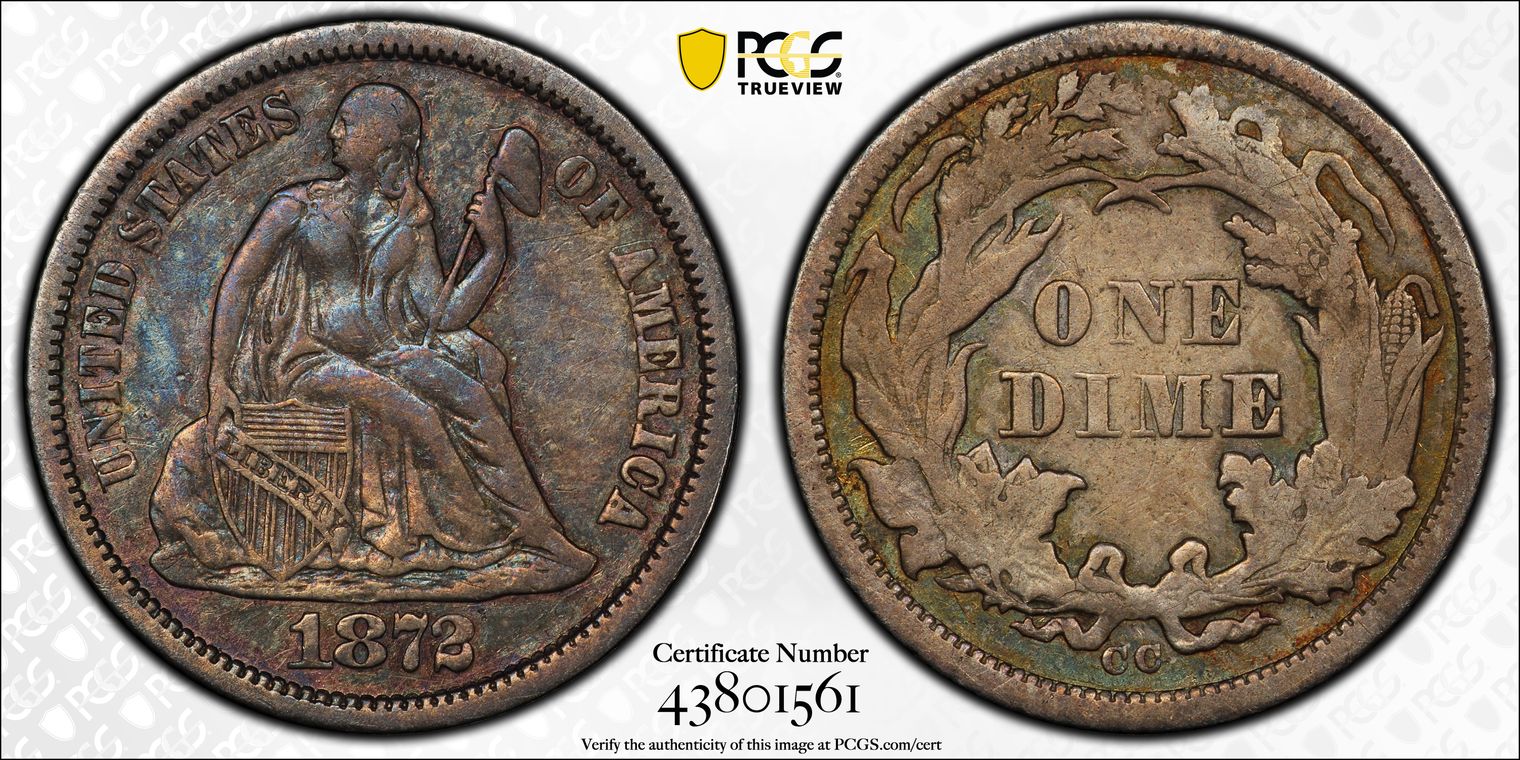
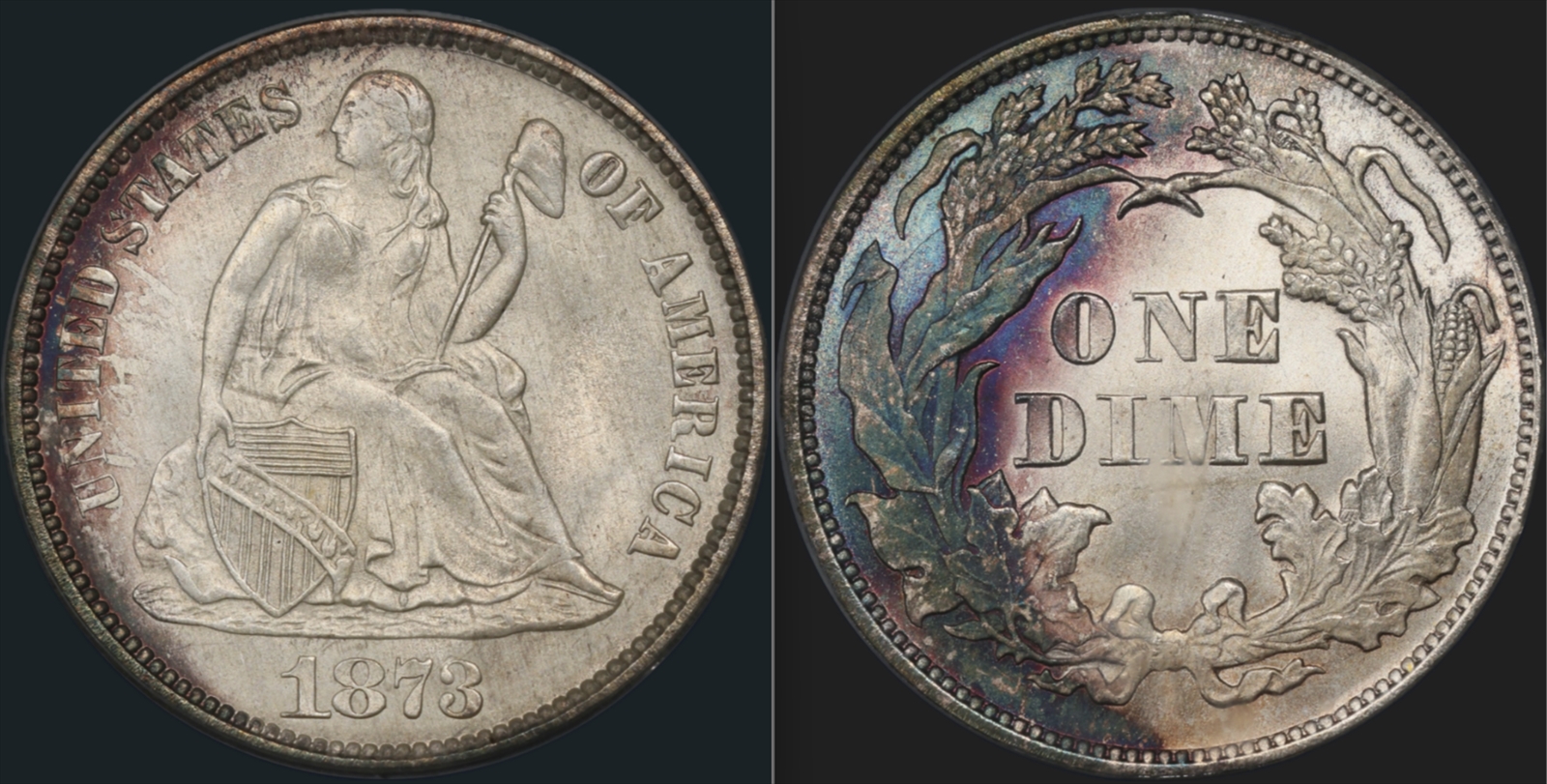
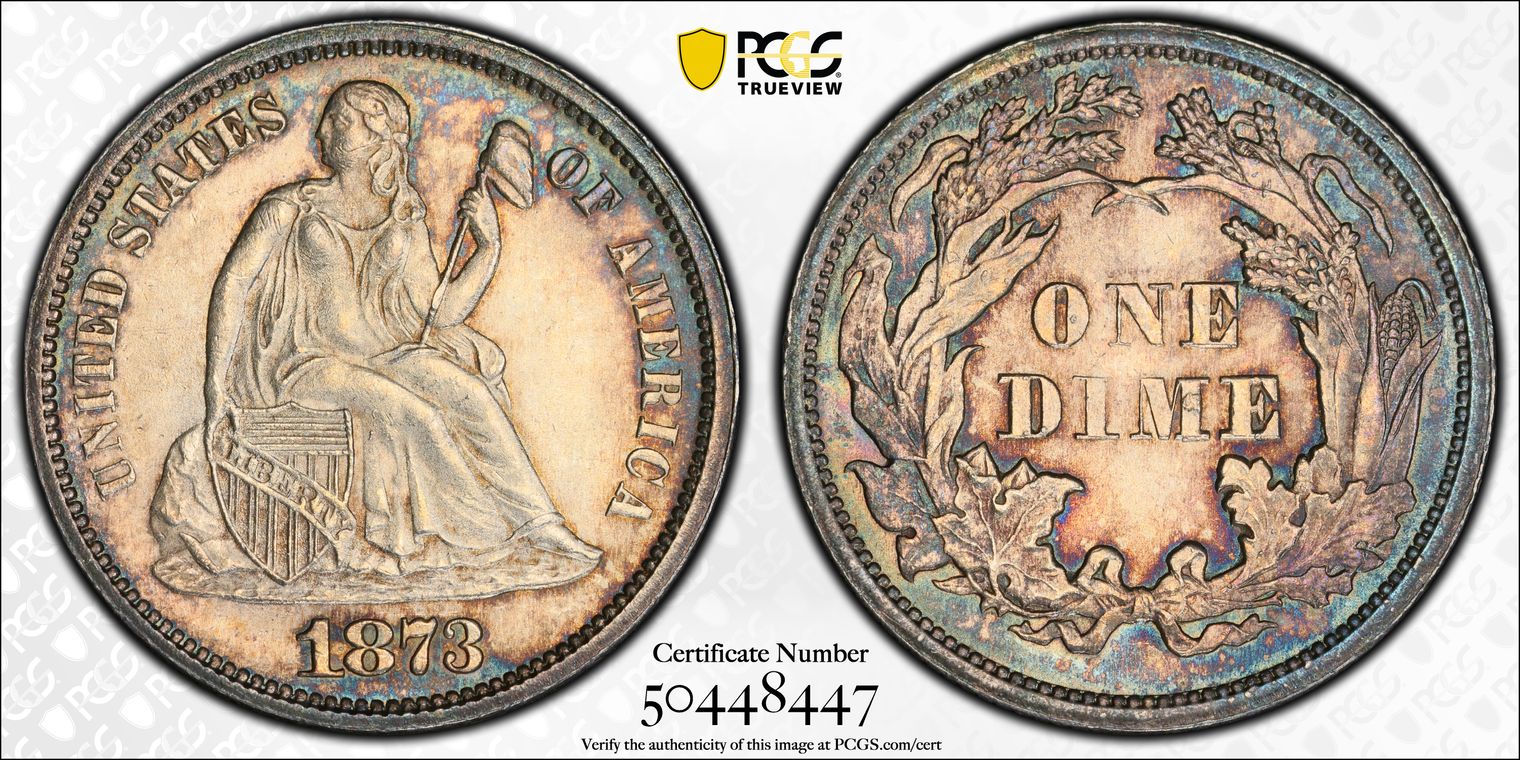
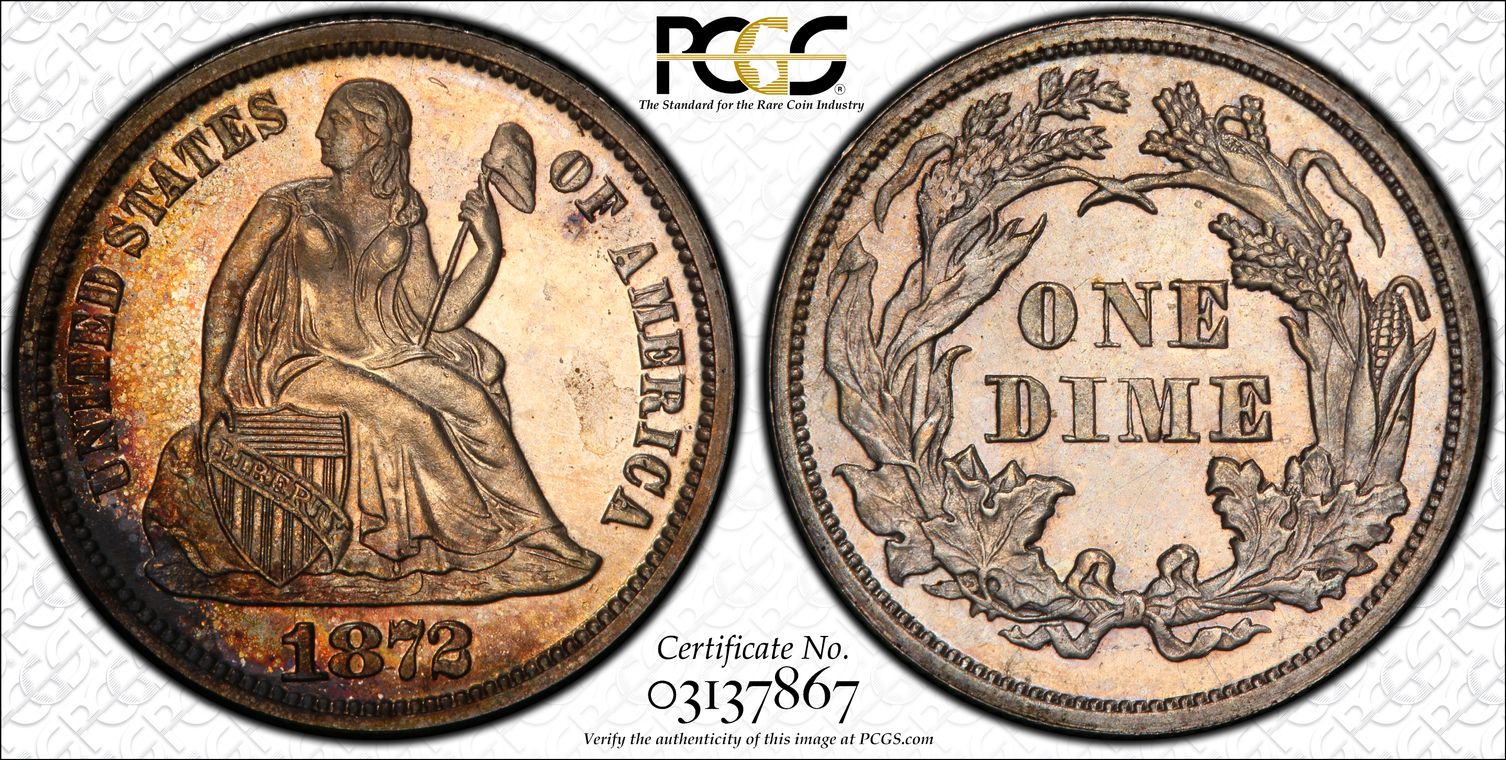
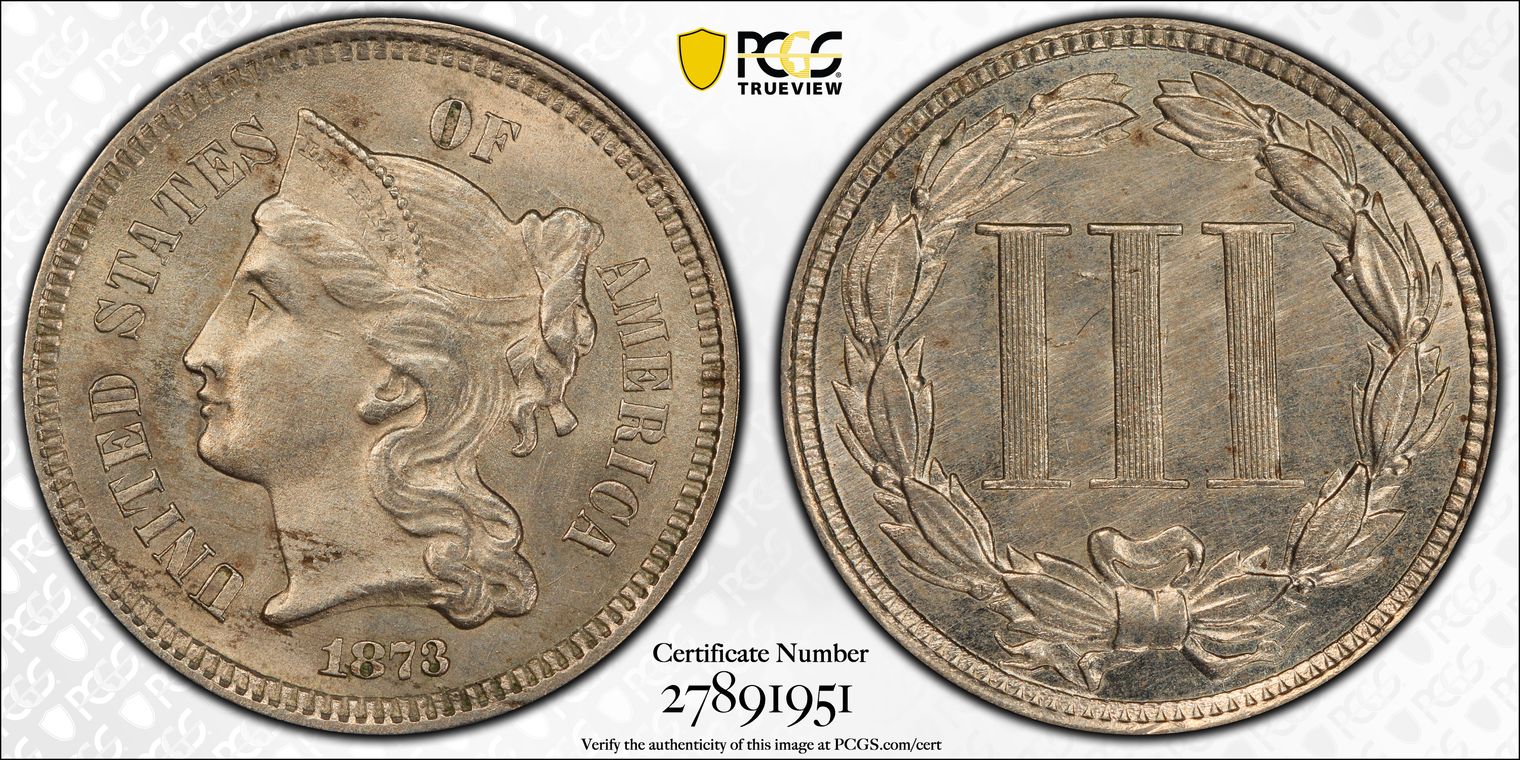
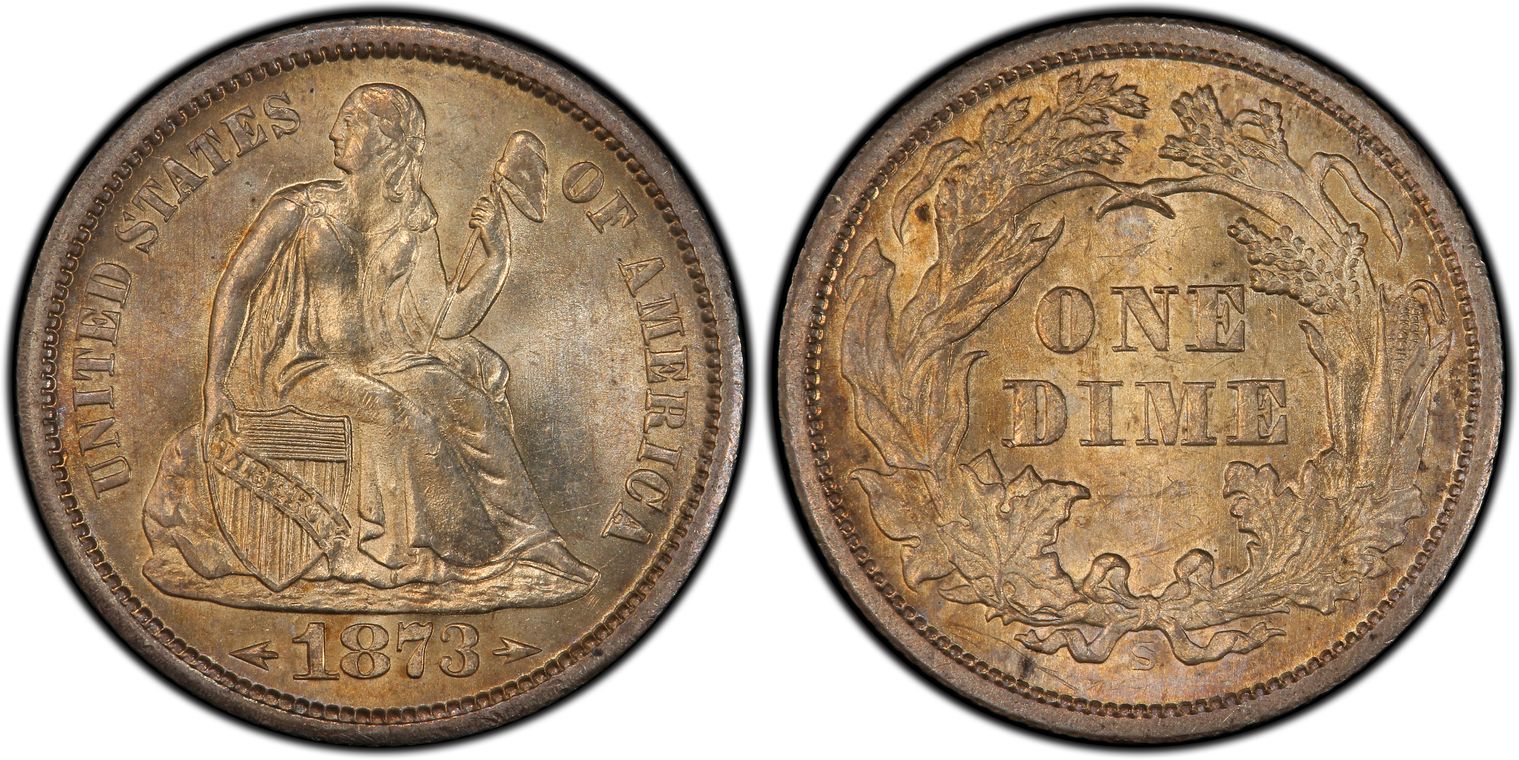
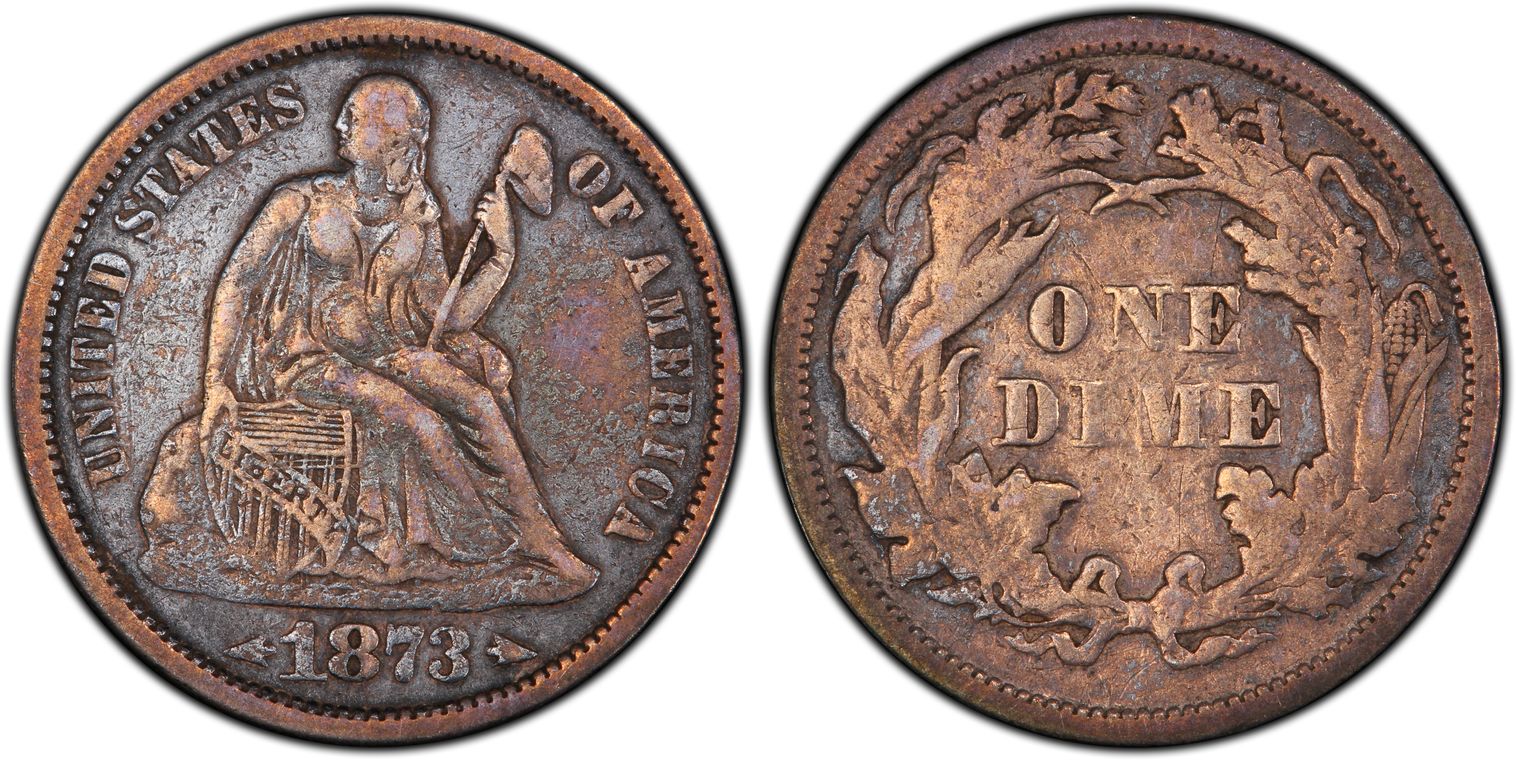
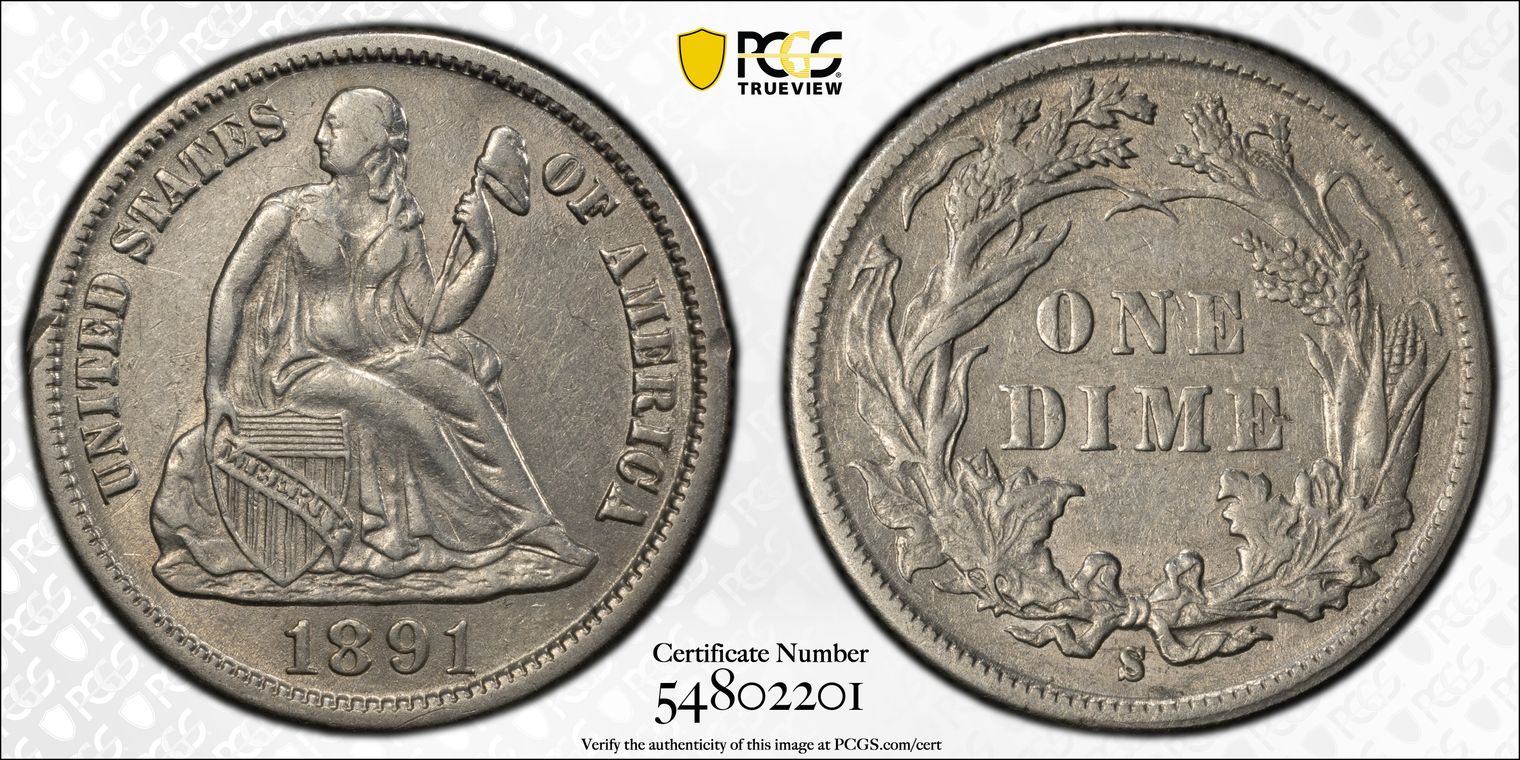
Ex. Gerry Fortin Collection. From GFRC description: "1873 No Arrows Open 3 was struck for only a short time as the Mint took steps to "open" the 3-date punch to avoid confusion with that of an 8 digit per the initial Closed 3. The reported mintage of 60,000 correlates well with the dearth of gem survivors."


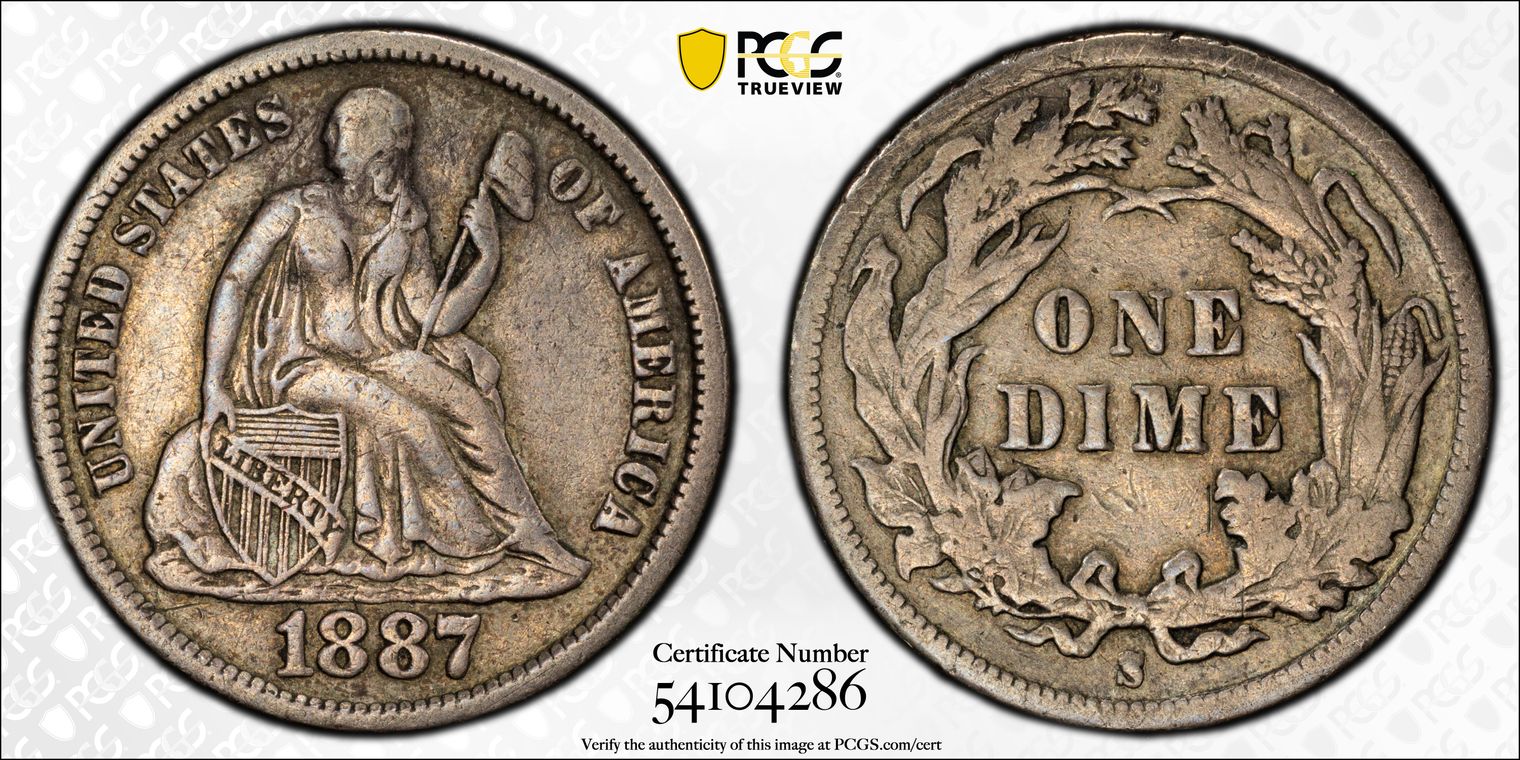
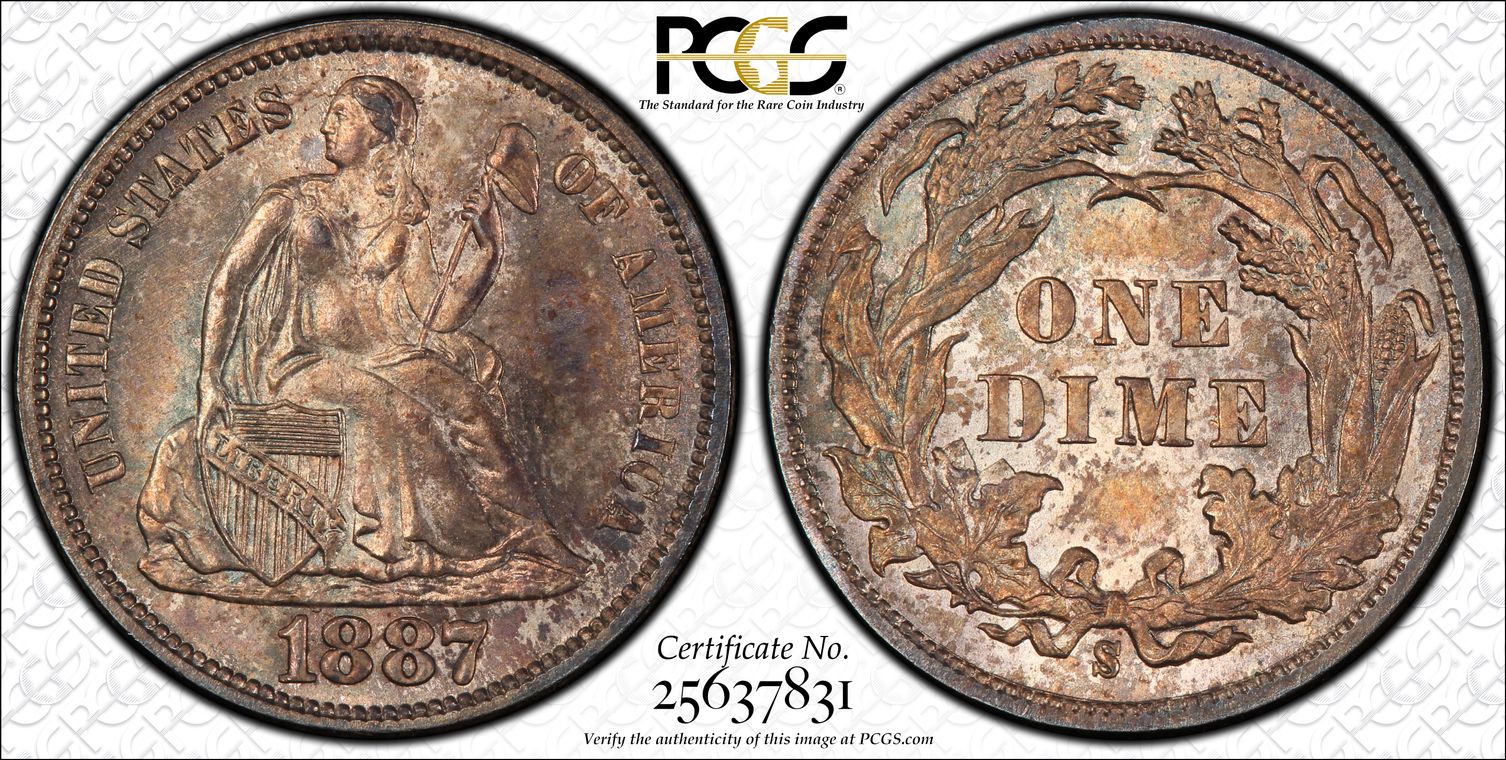
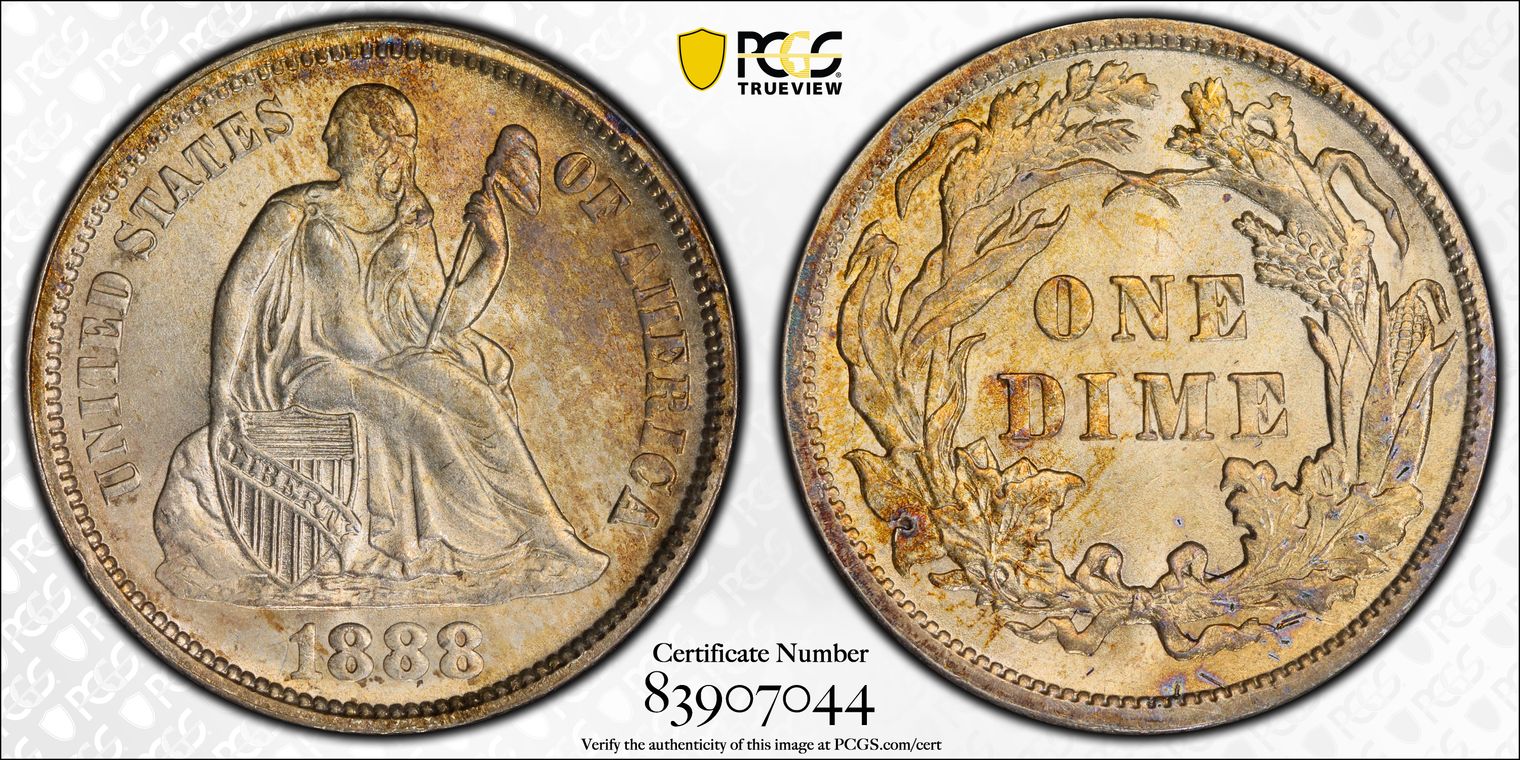
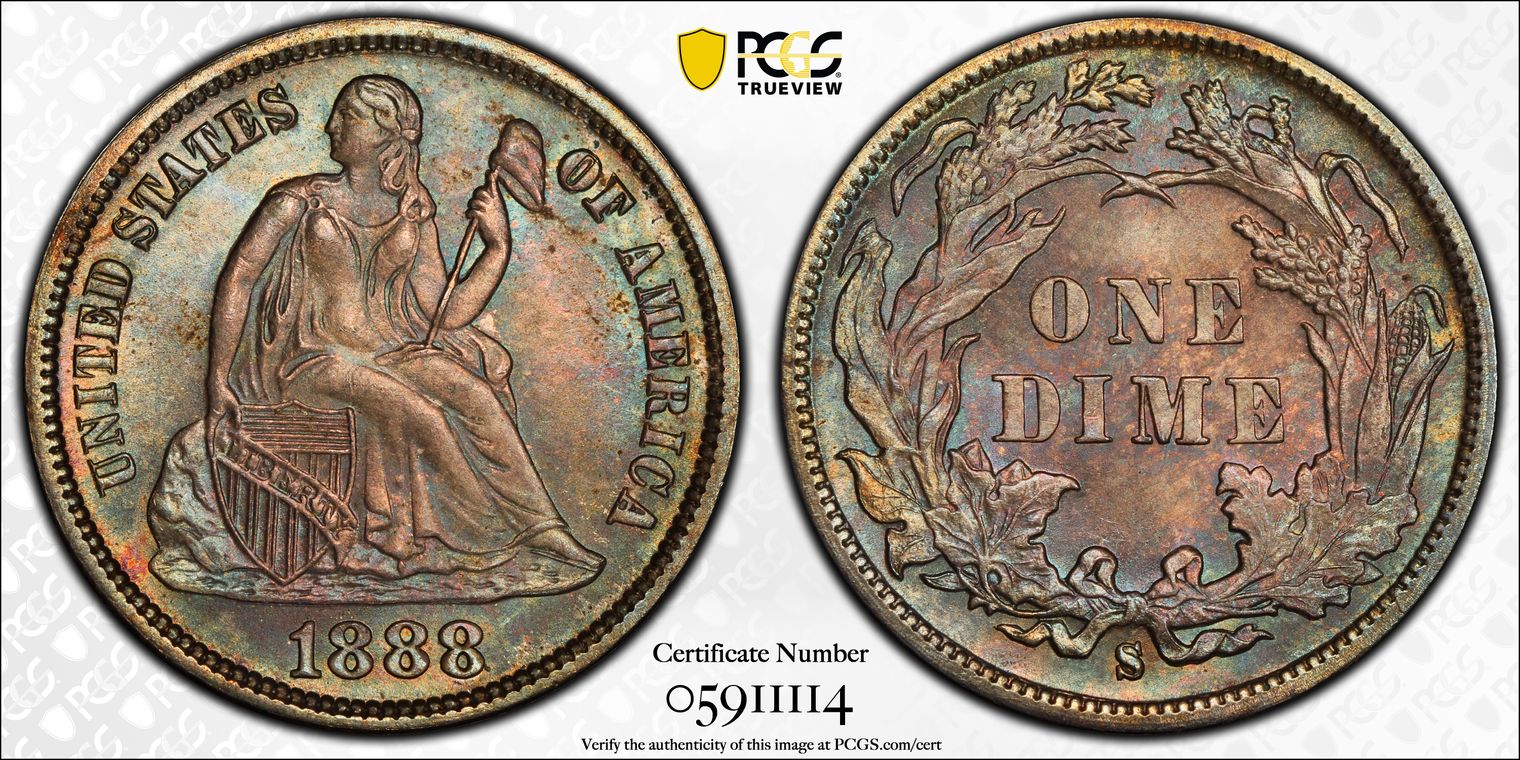
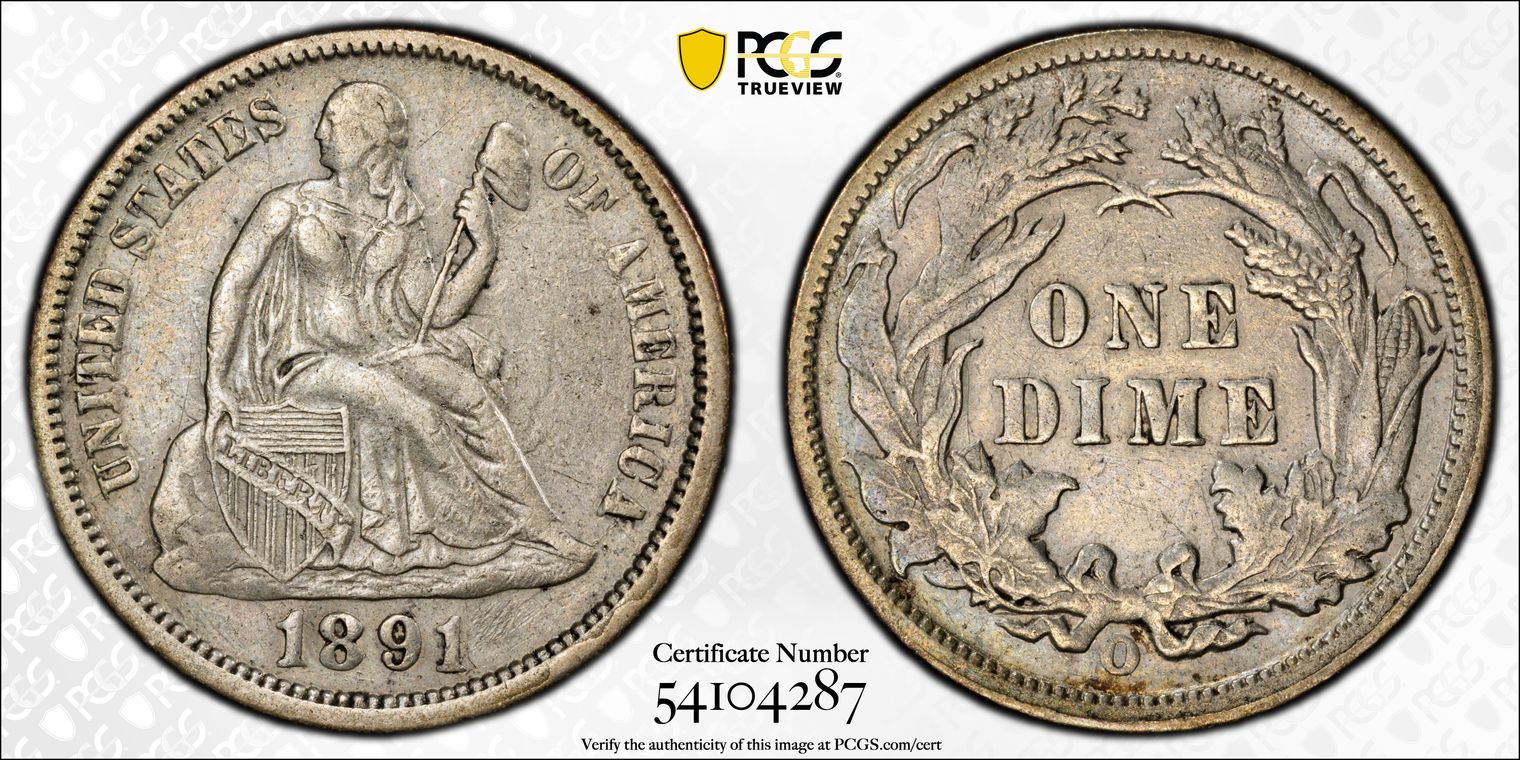
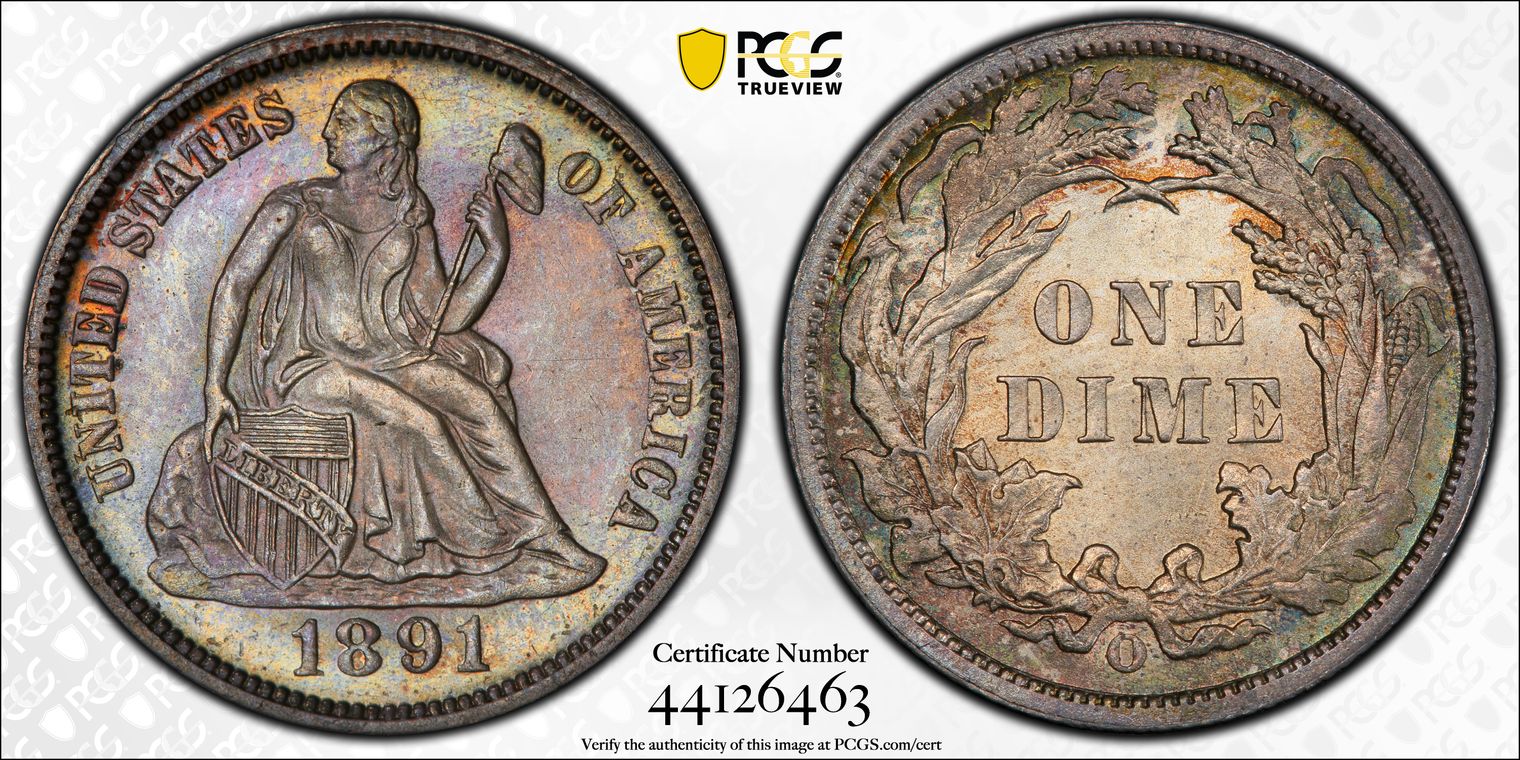
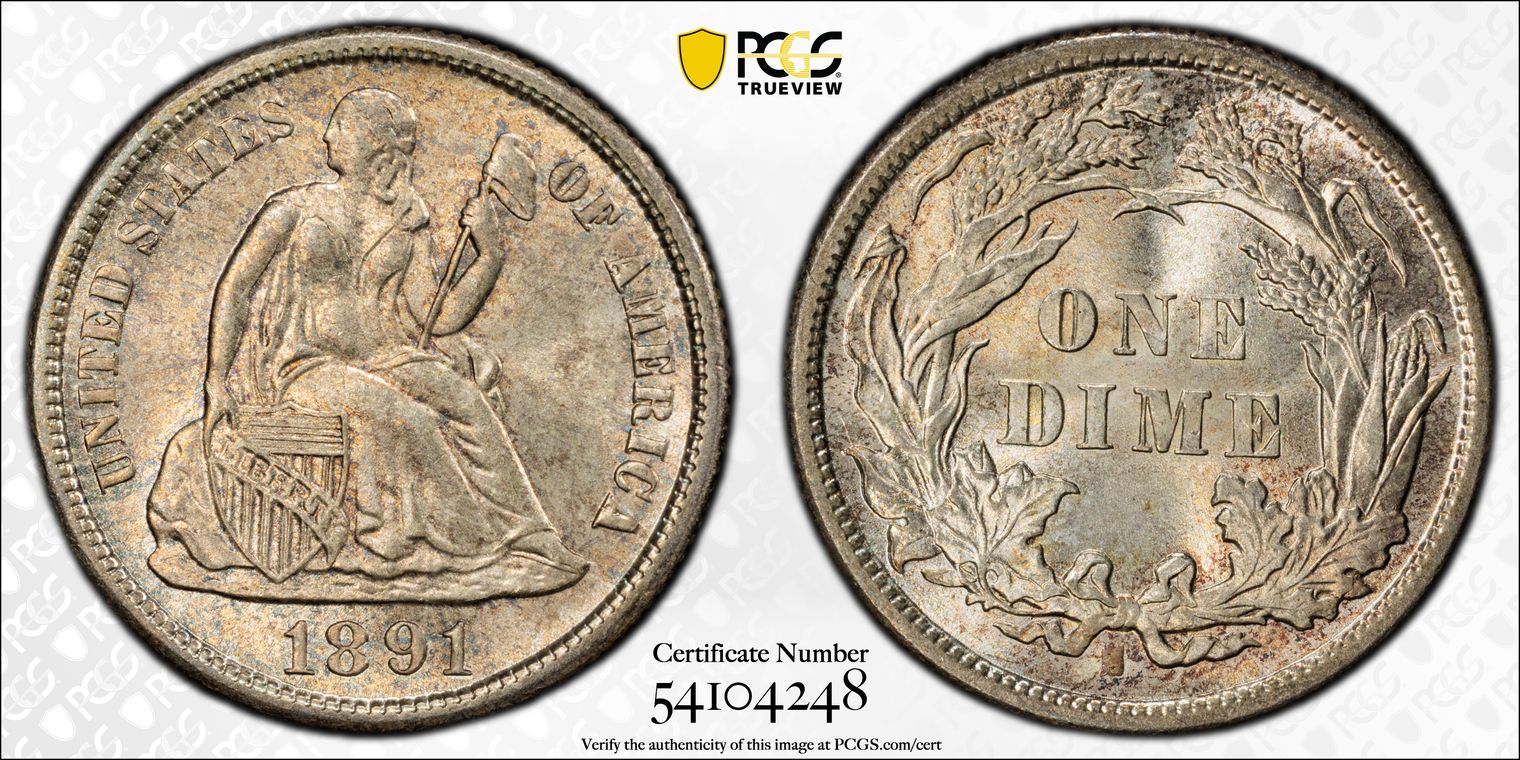
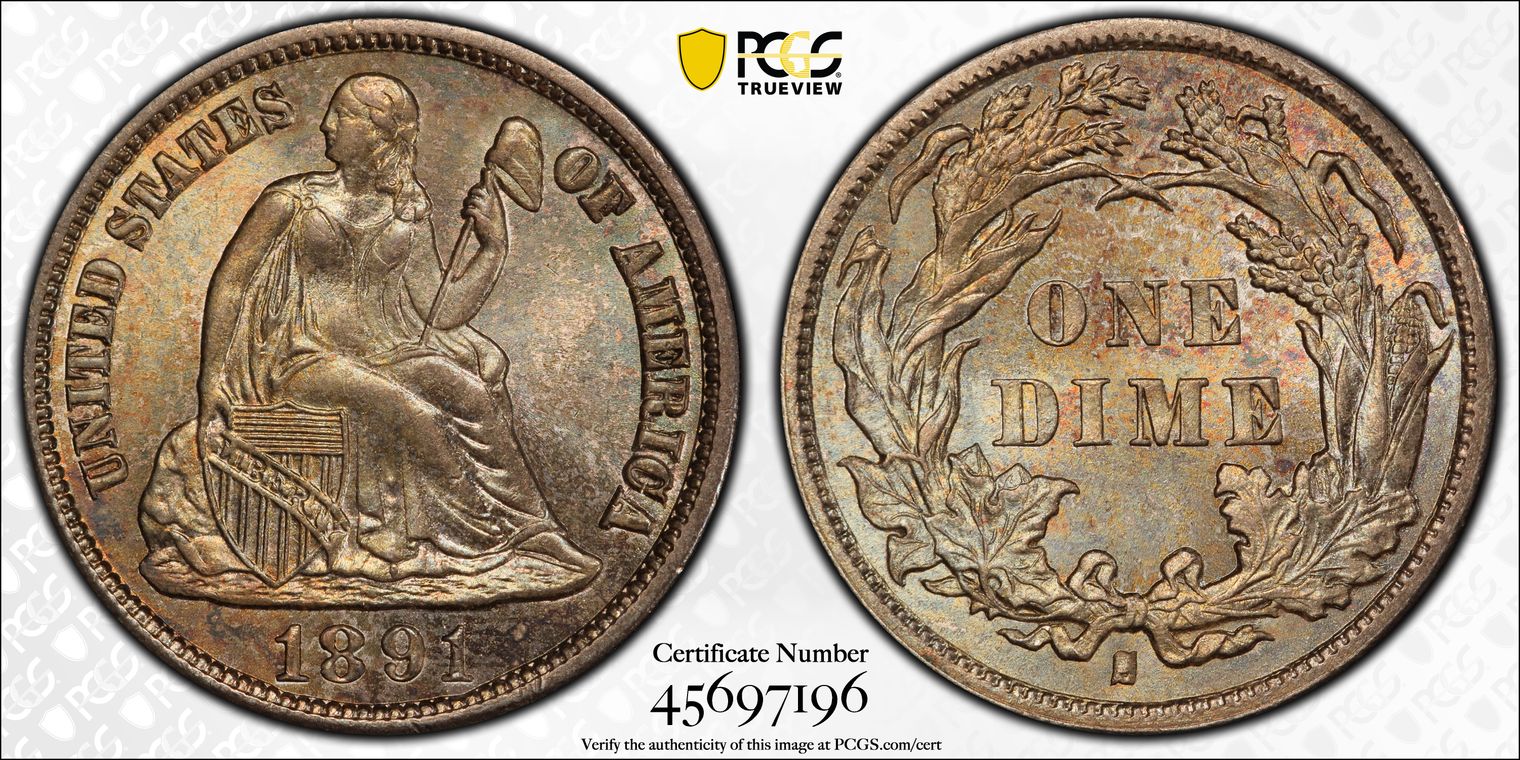

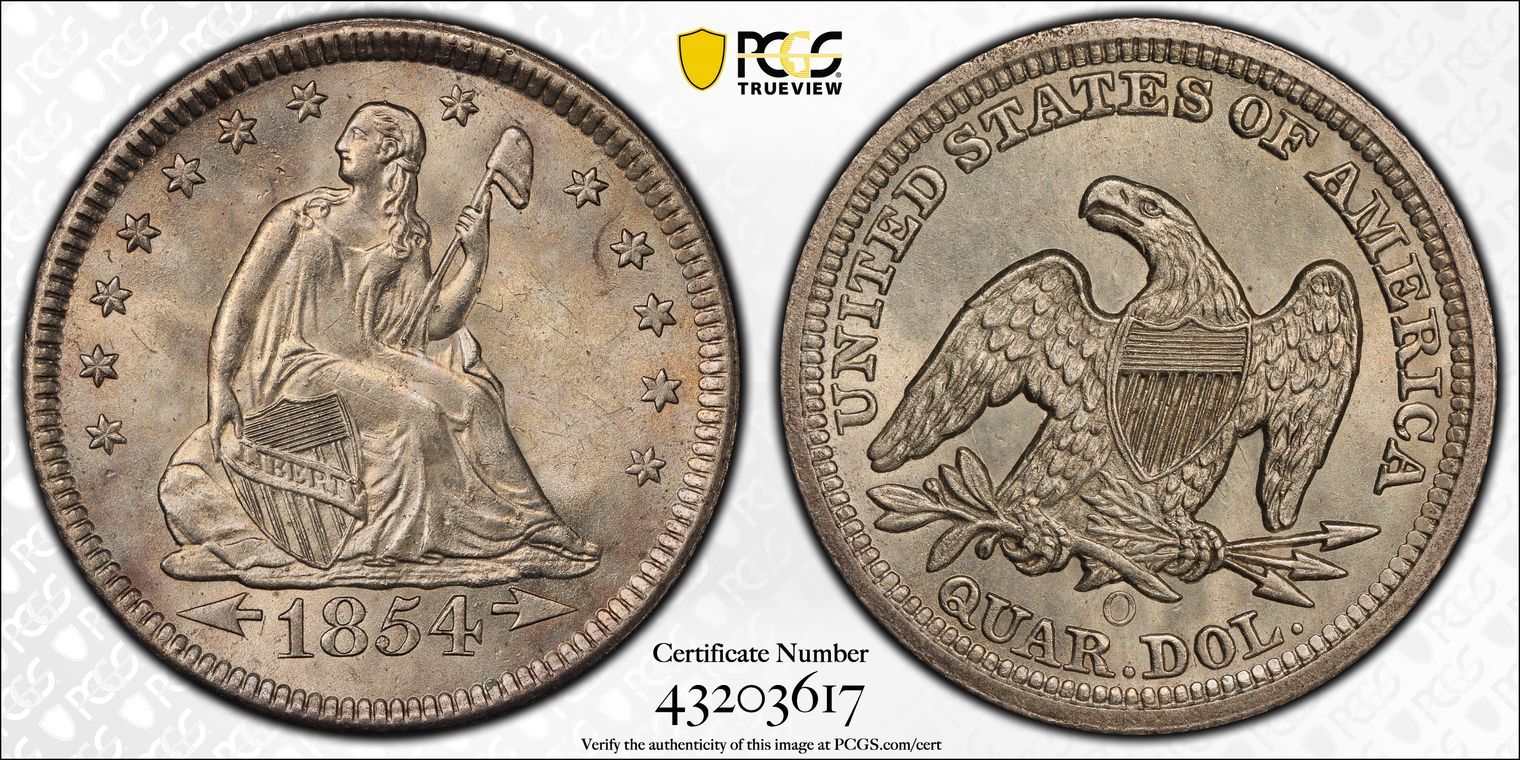
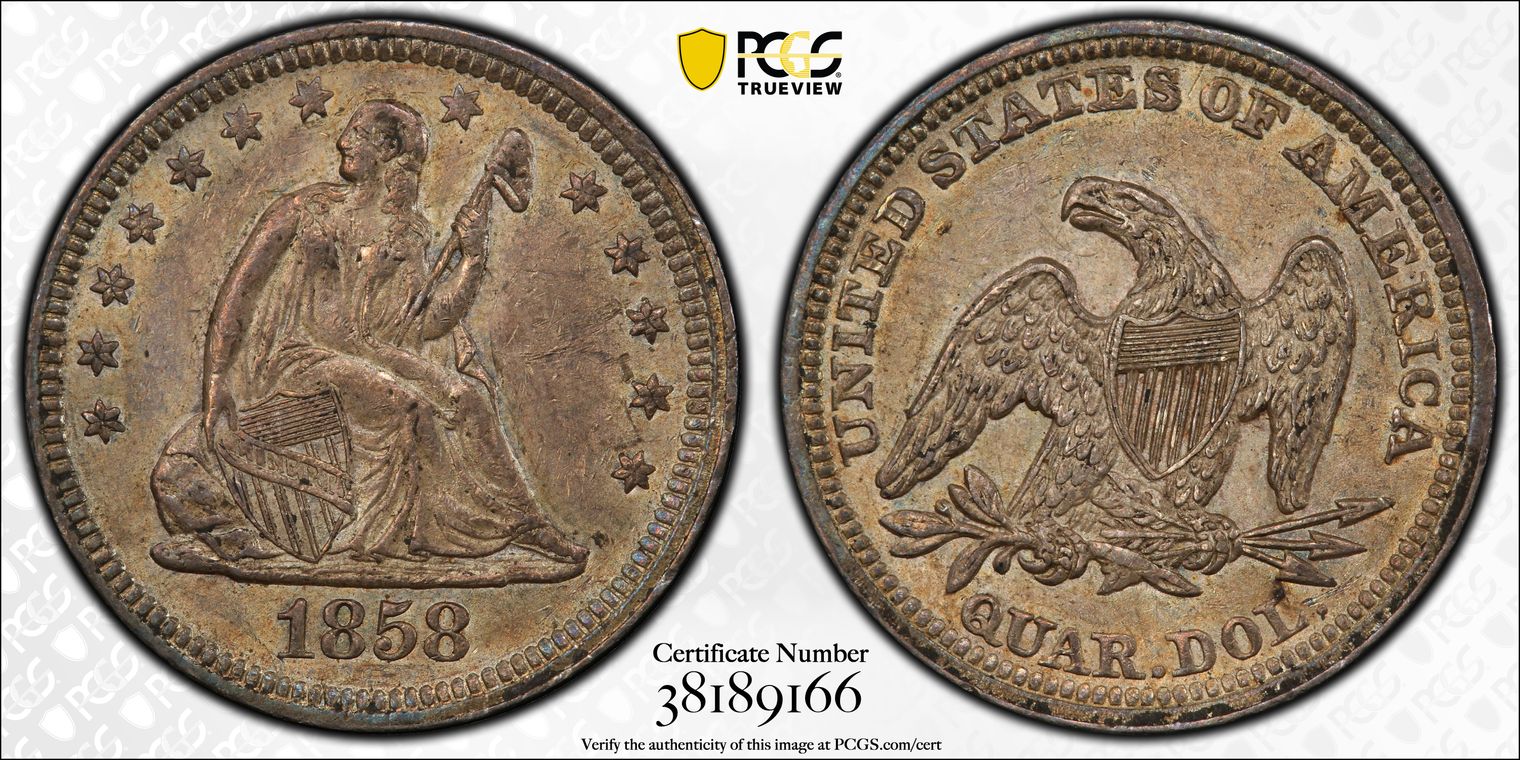
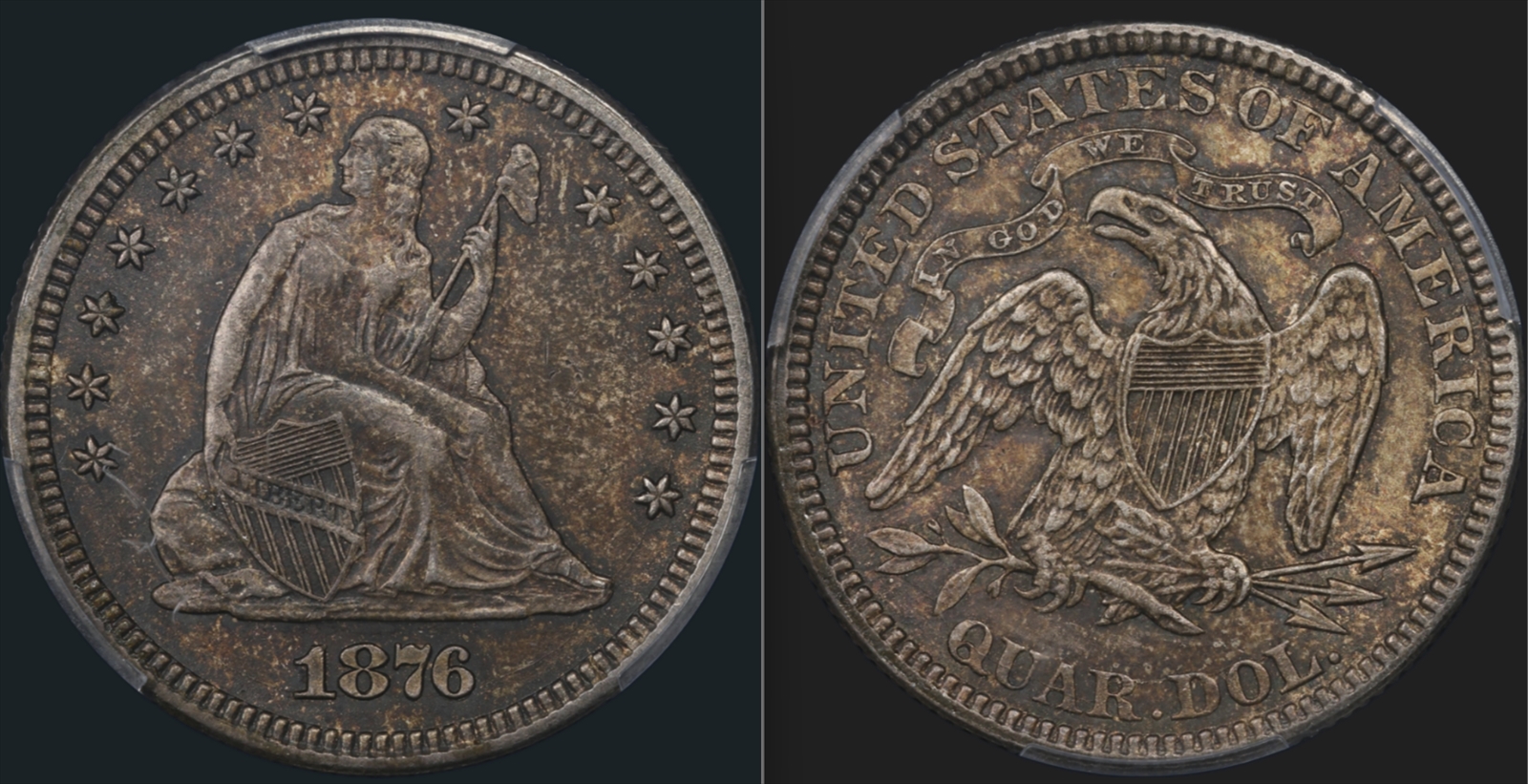

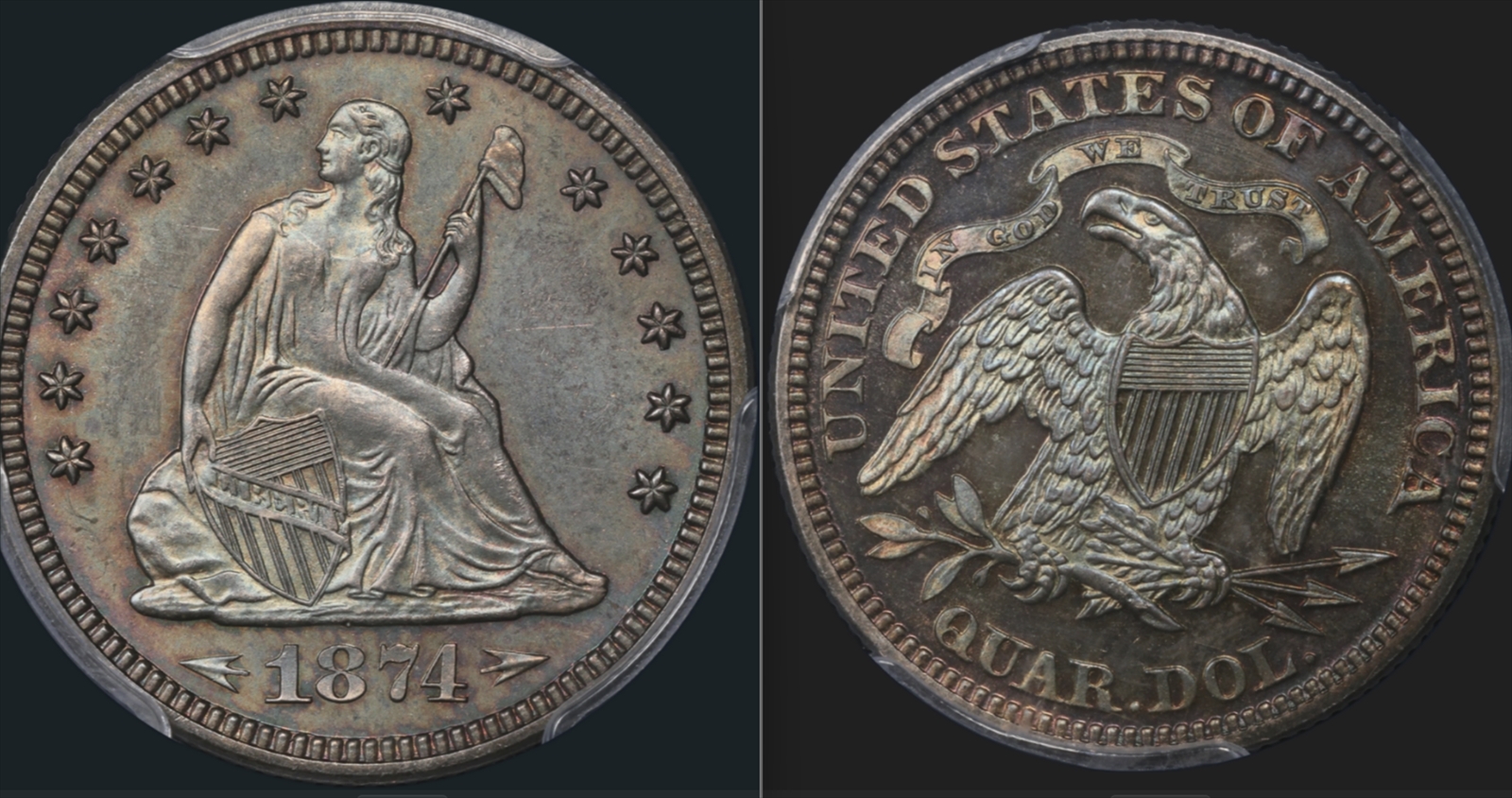

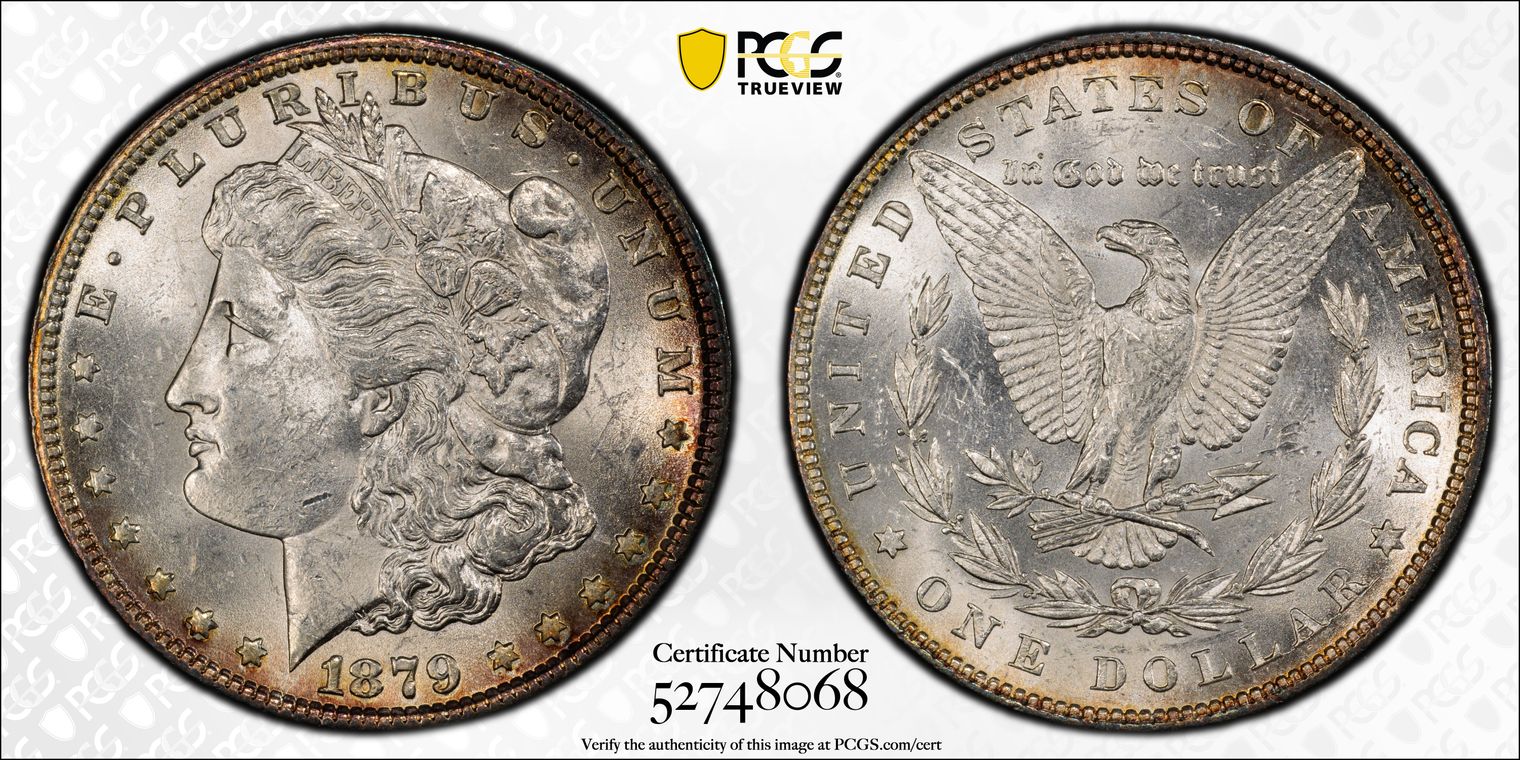
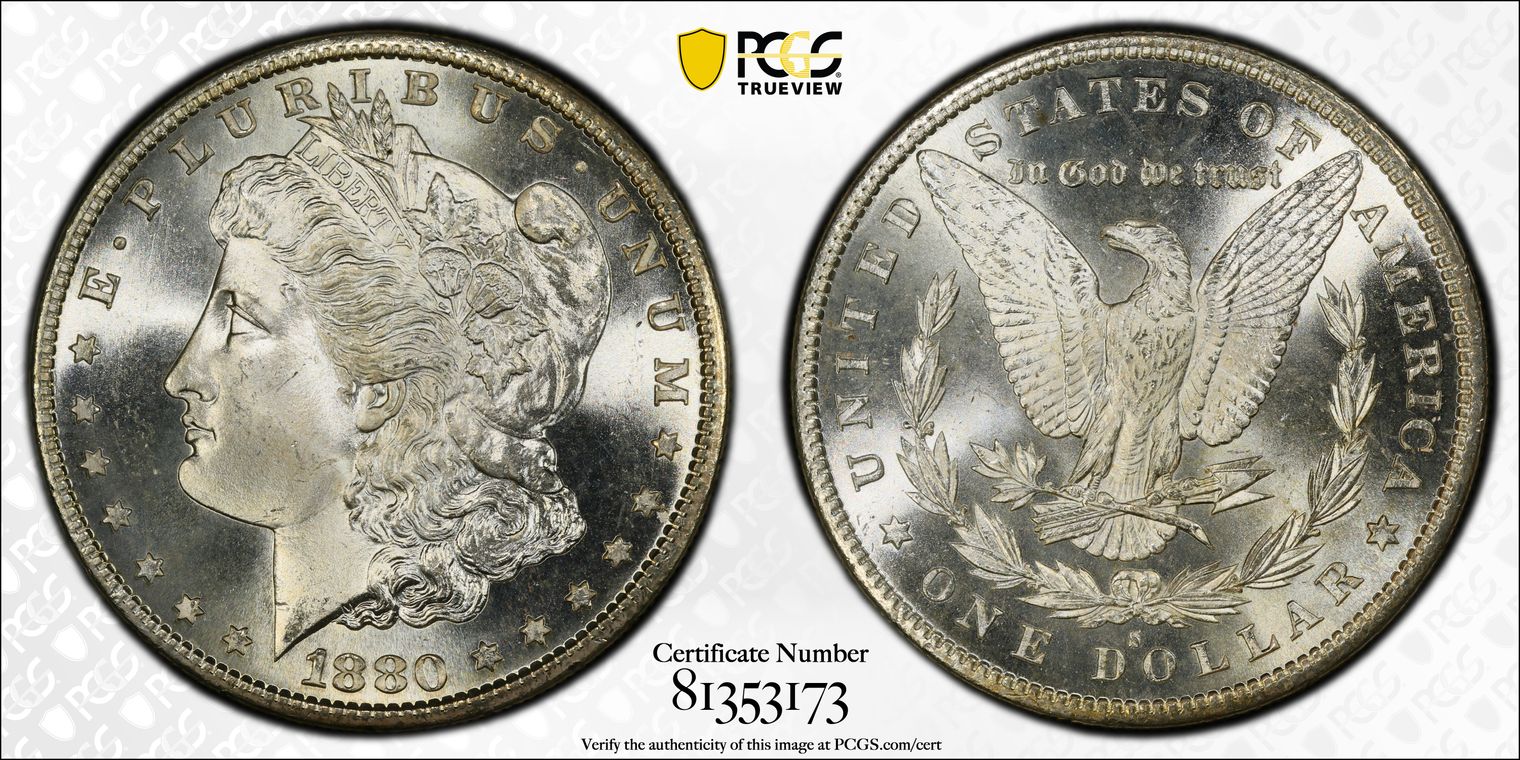
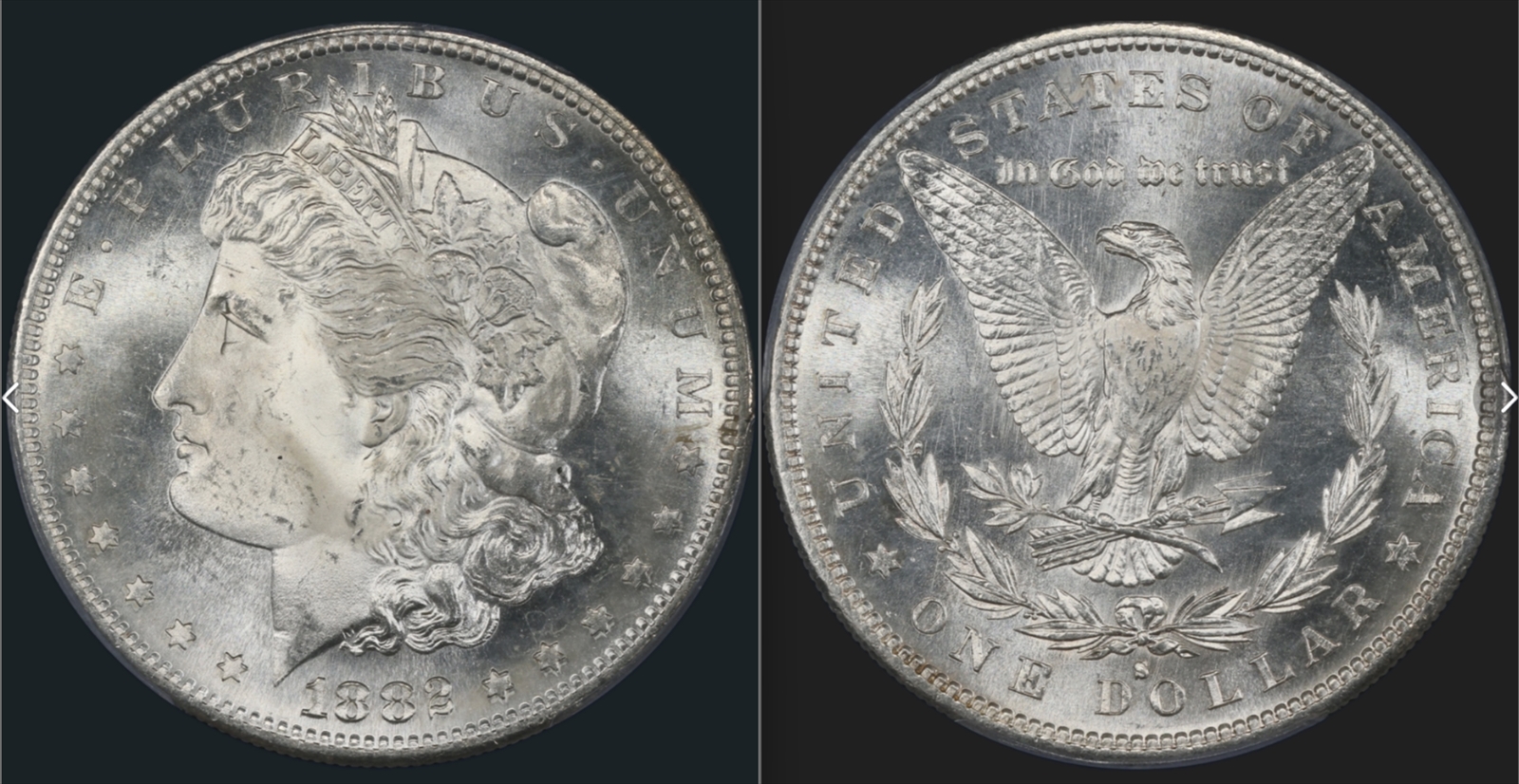
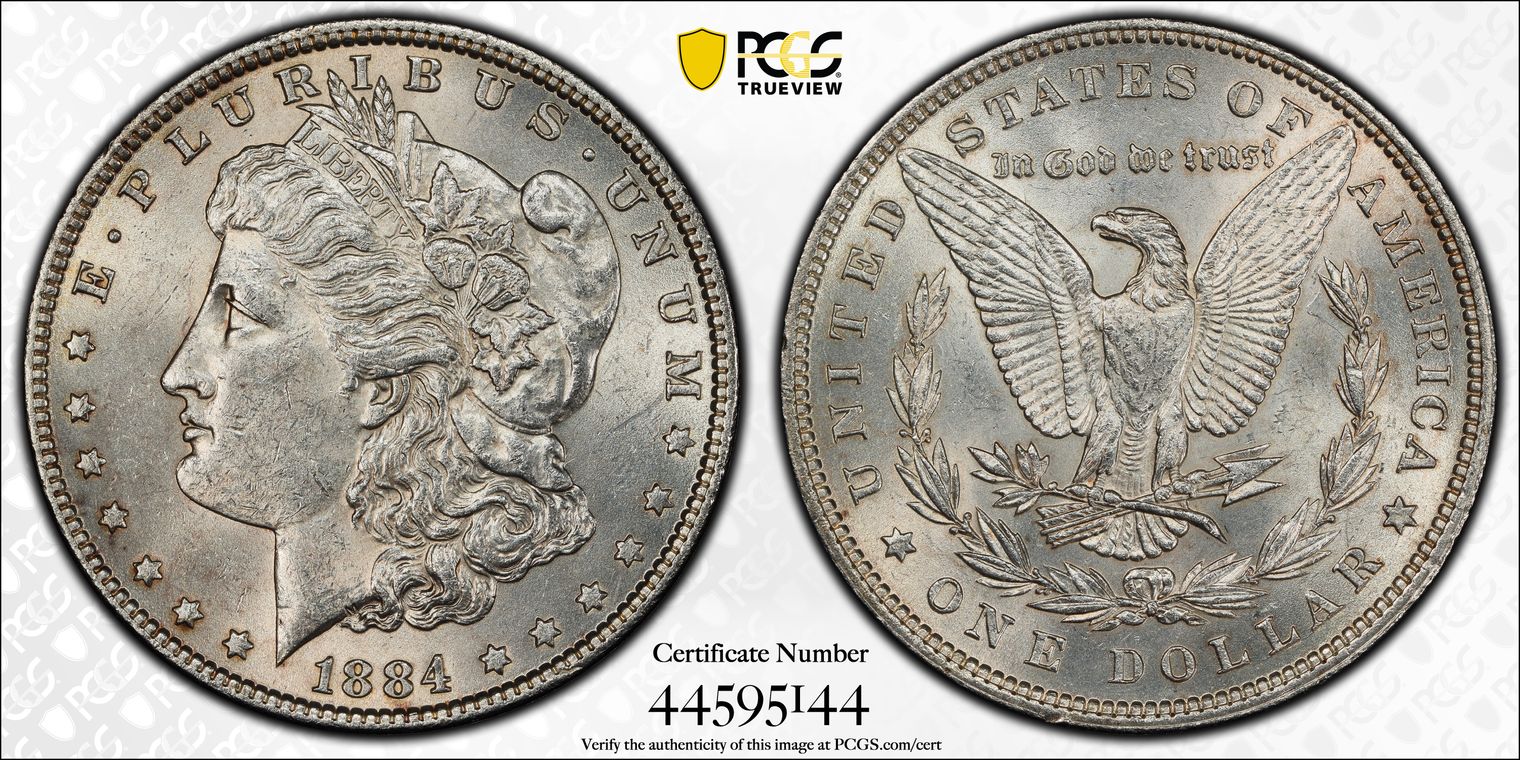








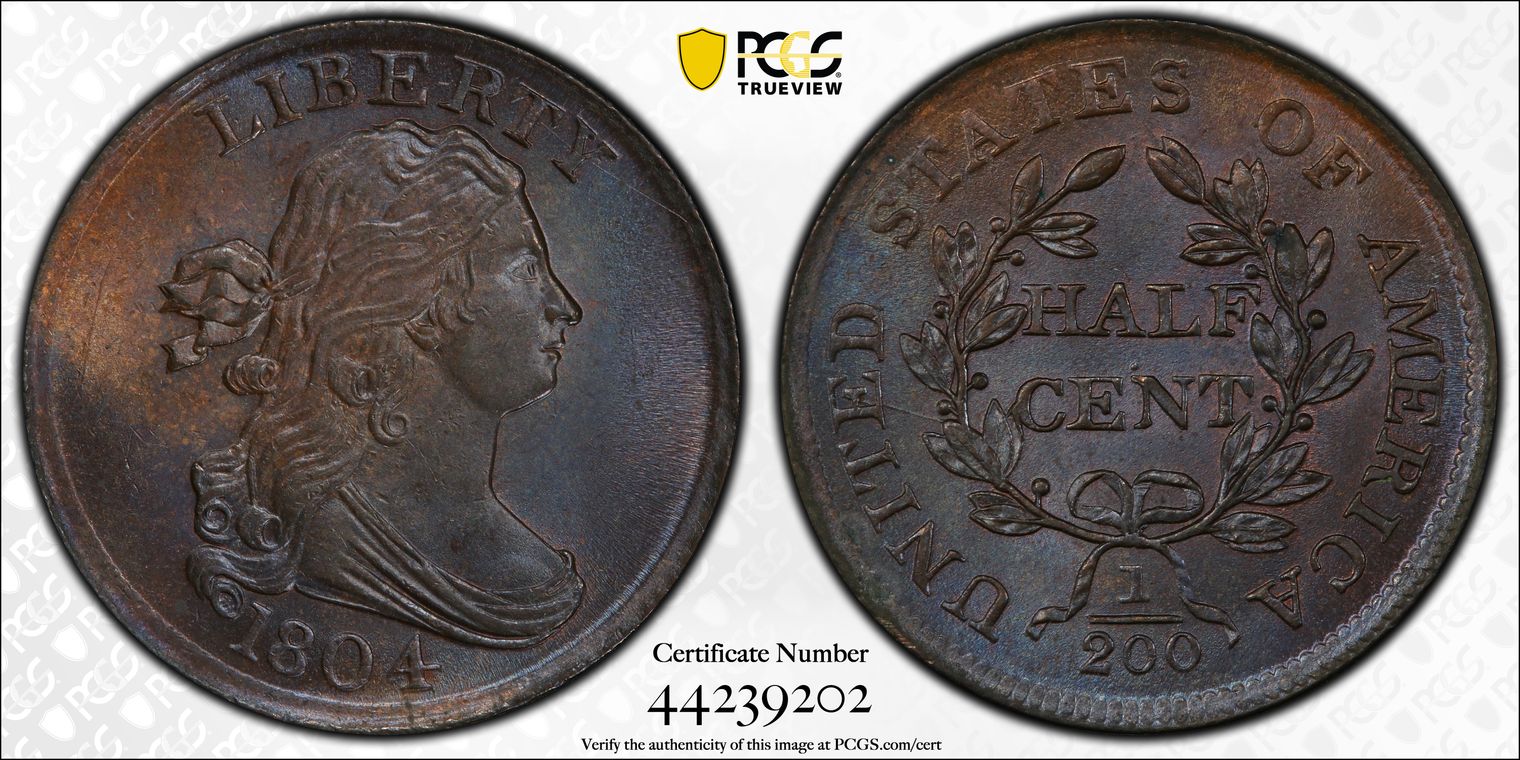
***CAC*** This is the PCGS Coin Facts Plate Coin. Previously sold at 3/21/23 Stack's Bowers Auction: "...Both sides are predominantly toned in beautiful glossy antique copper, although areas of lighter golden-brown at the left obverse and upper reverse borders represent faded mint luster. Lustrous and frosty with a hard, tight texture that is expectably smooth for the assigned grade. Boldly struck, as well, with many design elements sharp to full. This is an extremely popular, easily attributable variety of the 1804 Draped Bust half cent. The Plain 4 date logotype combined with the Stemless Wreath reverse immediately identifies the Cohen-13 die marriage, the only one of this Guide Book variety. This is also the most plentiful die marriage of the issue. Given the number of Mint State coins known Walter Breen (Walter Breen's Encyclopedia of United States Half Cents: 1793-1857, 1983) believed that a hoard of Uncirculated examples may have existed at one time. Manley Die State 2.0 for the variety, with the peripheral lettering on both sides well struck, bold denticulation around half of the reverse border, and a vertical die scratch in the left obverse field. This is the typically encountered die state among extant 1804 C-13 half cents. CAC Population: 2; 0." From PCGS Coin Facts: "The two most obvious differences on 1804 half Cents relate to the 4 of the date. On some coins the horizontal crossbar of the 4 ends with a vertical crosslet; on others the 4 has no crosslet. The Crosslet 4 is slightly less common than the Plain 4. The Plain 4 obverse is combined with two different reverse types: Stems at the base of the wreath and No Stems at the base of the wreath. Only one die variety (Cohen 13) qualifies as the Plain 4, no Stems variety."

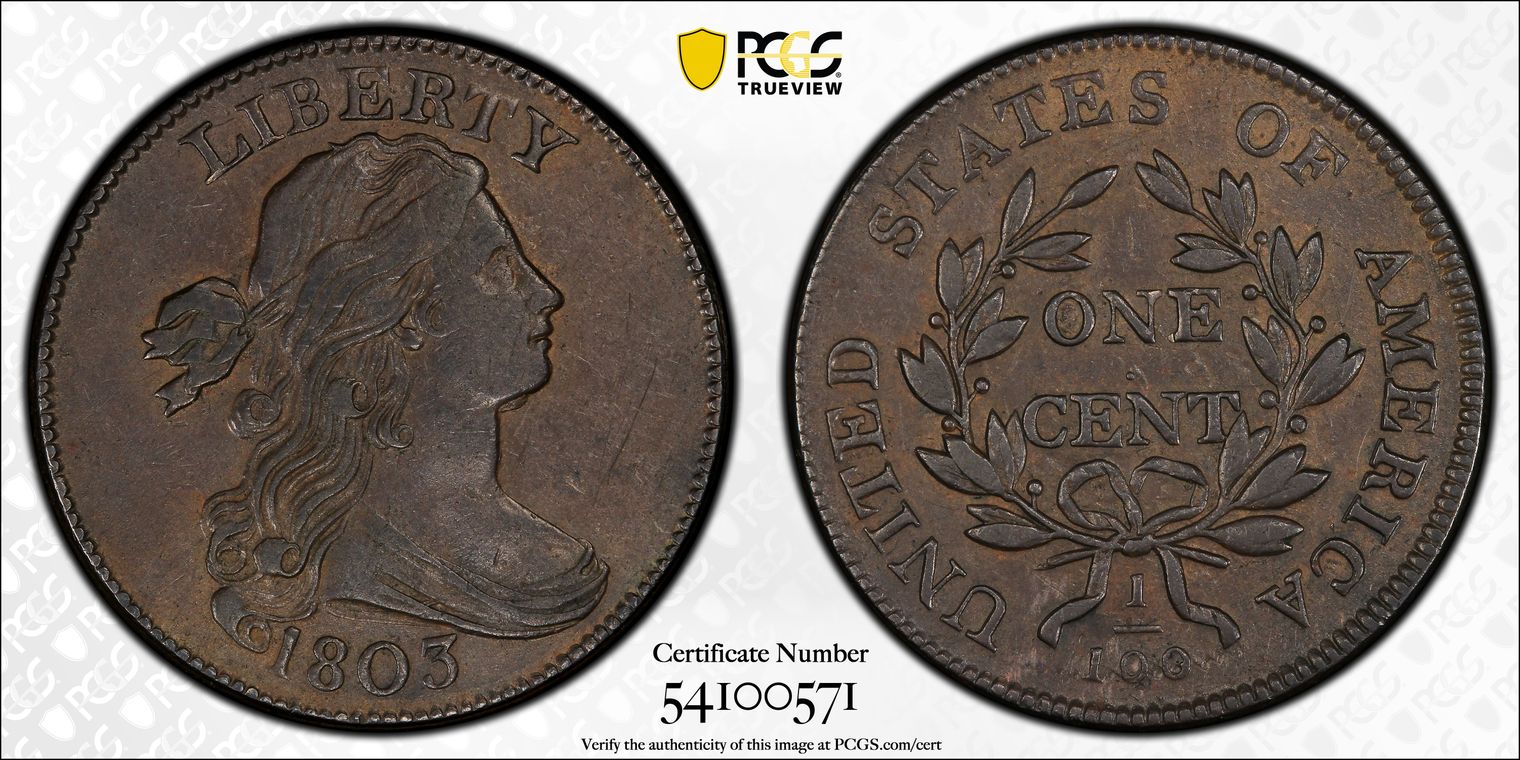
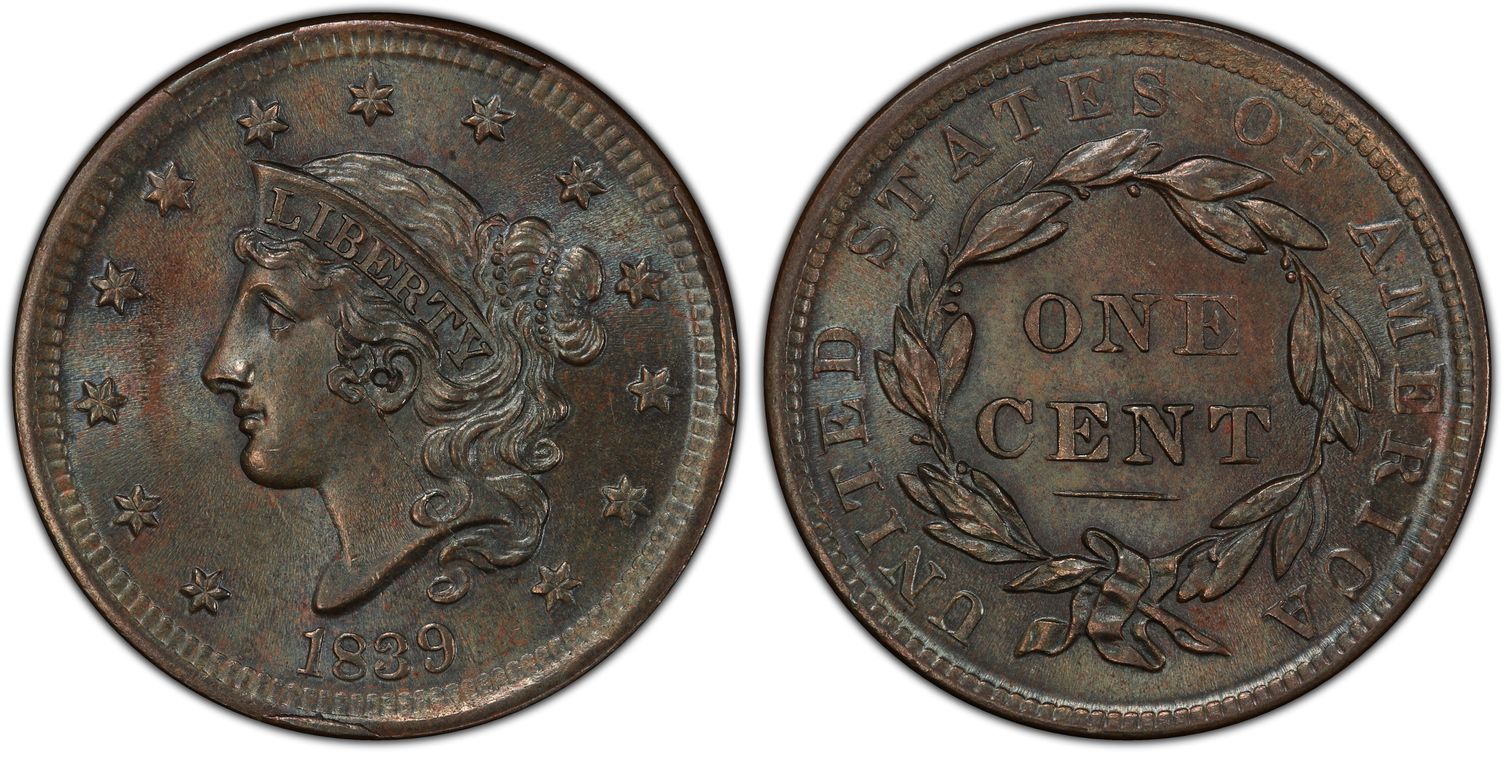

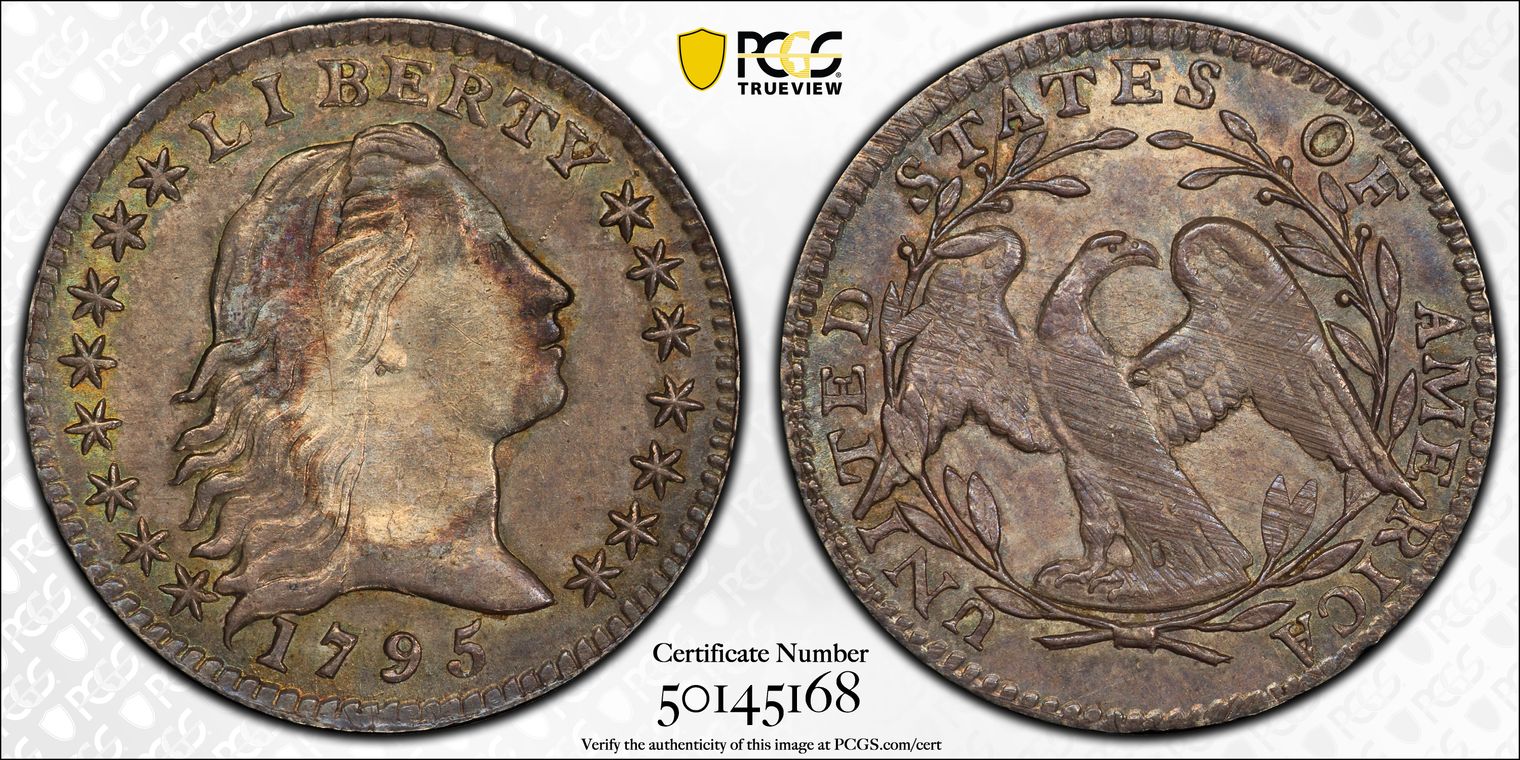
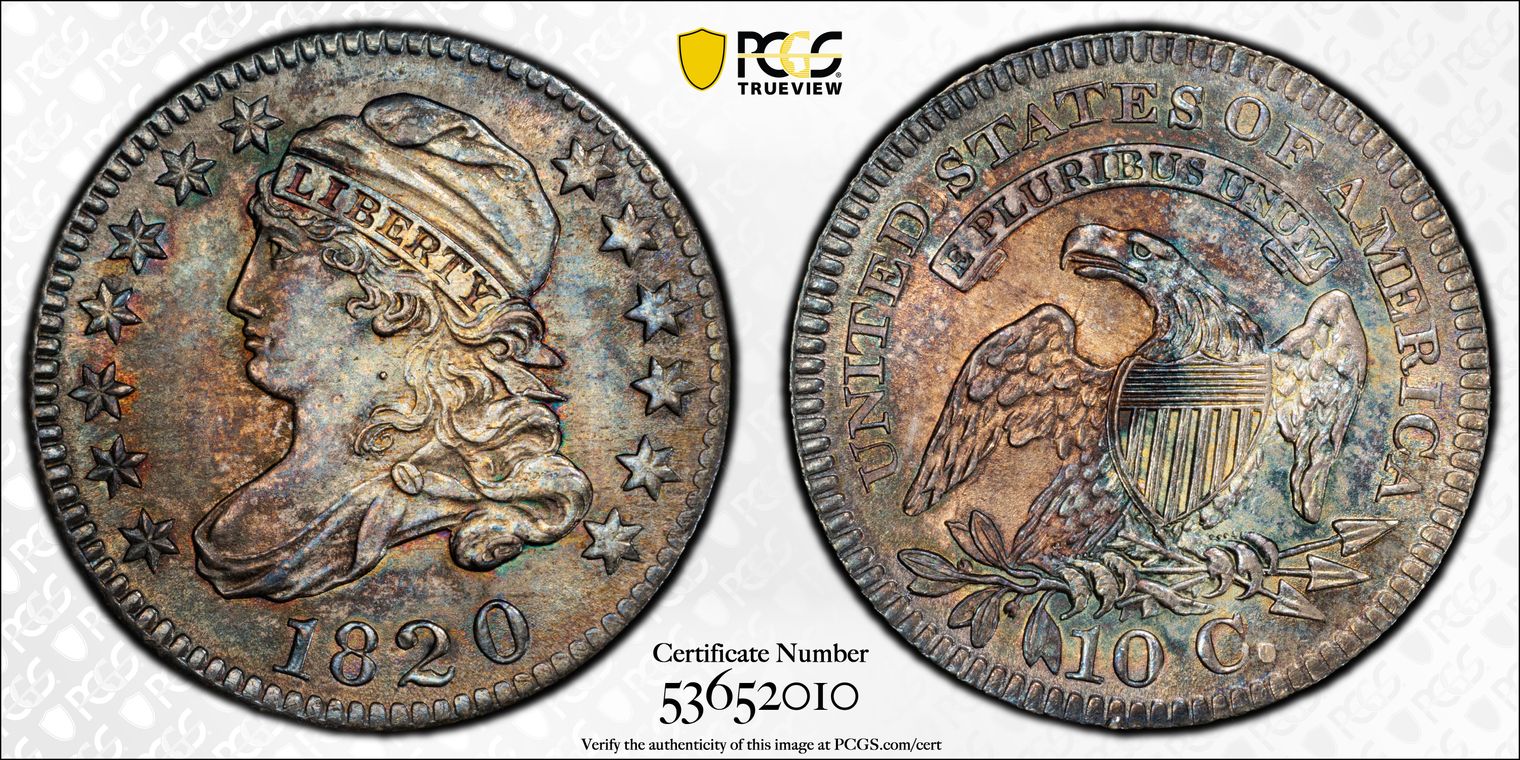
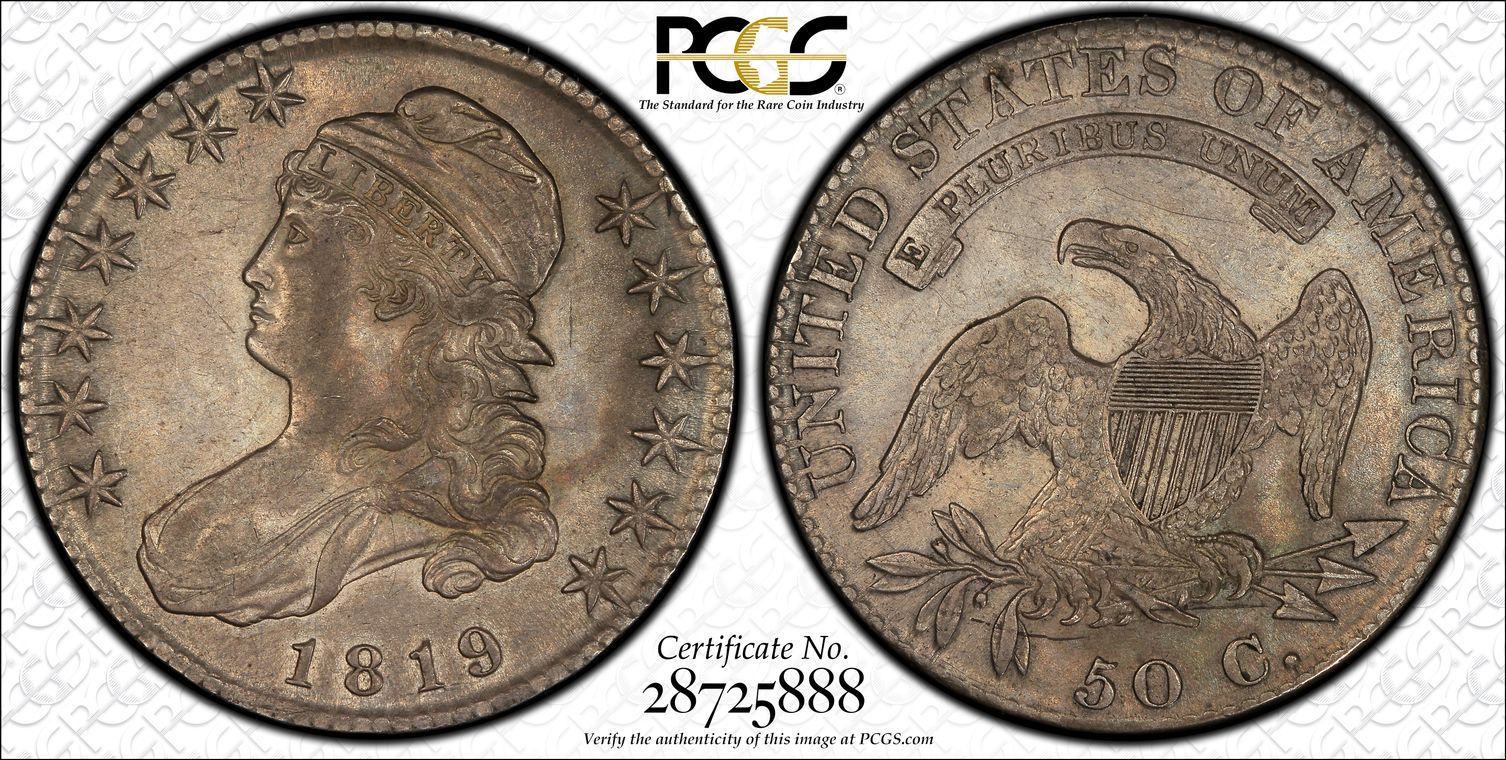
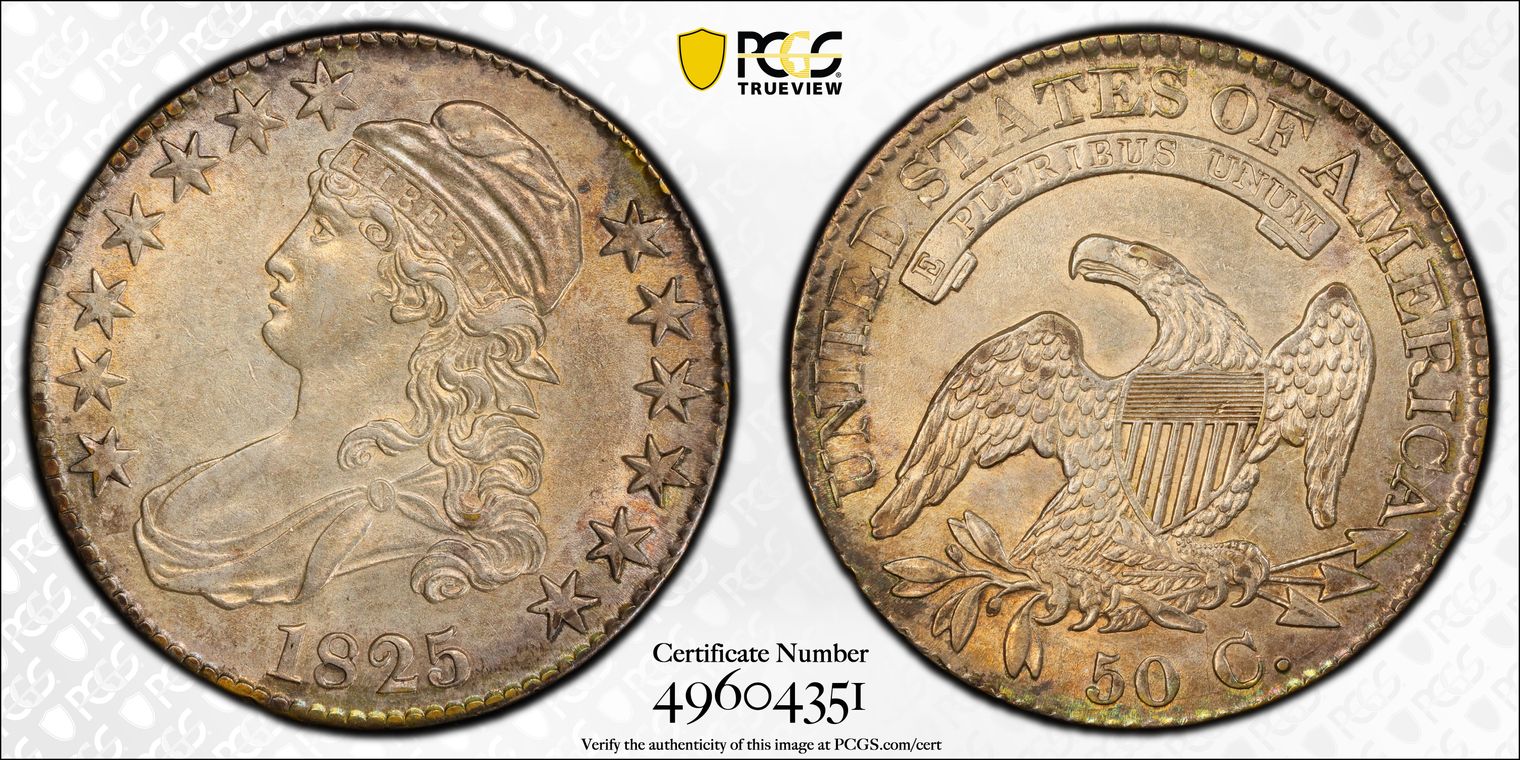
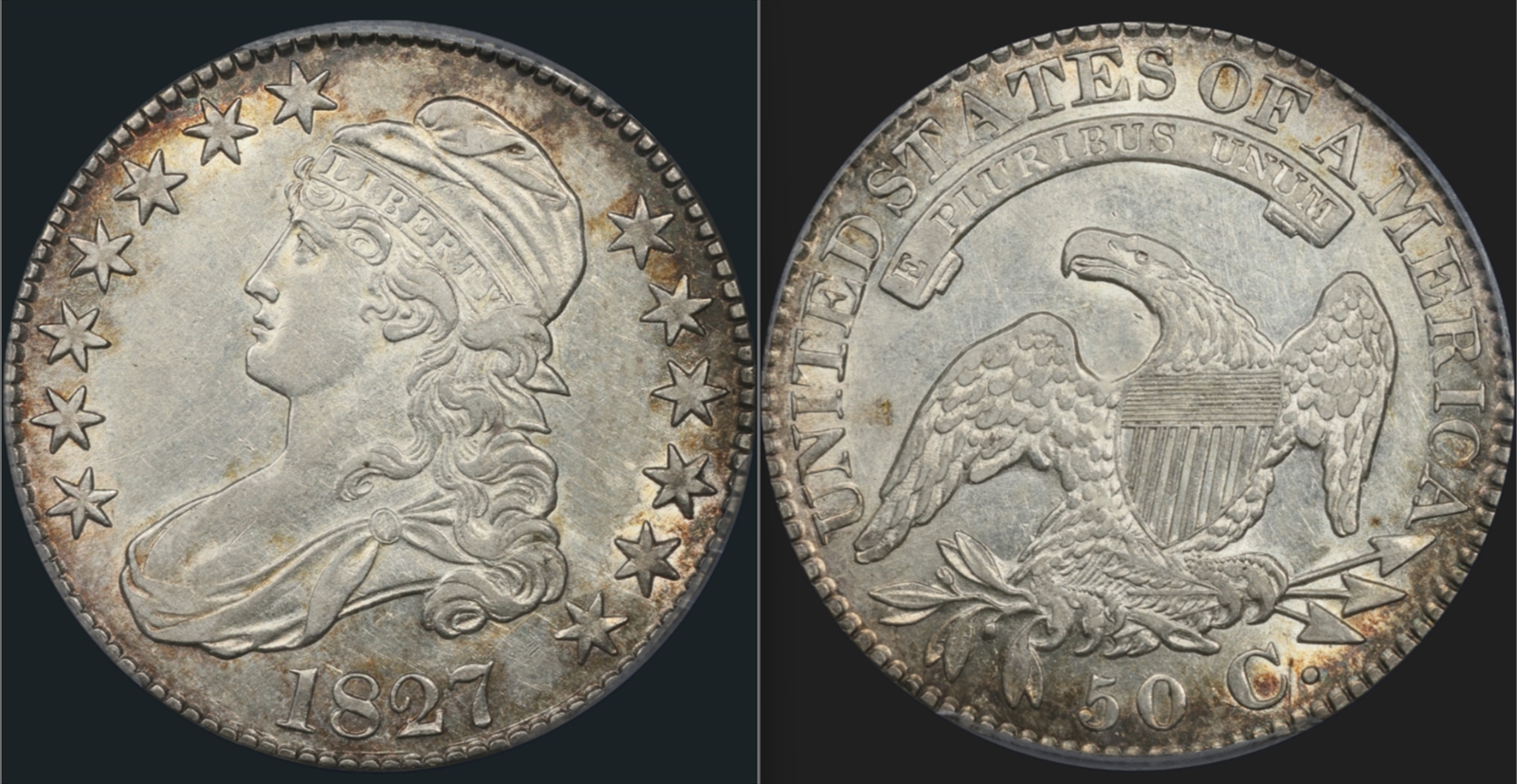
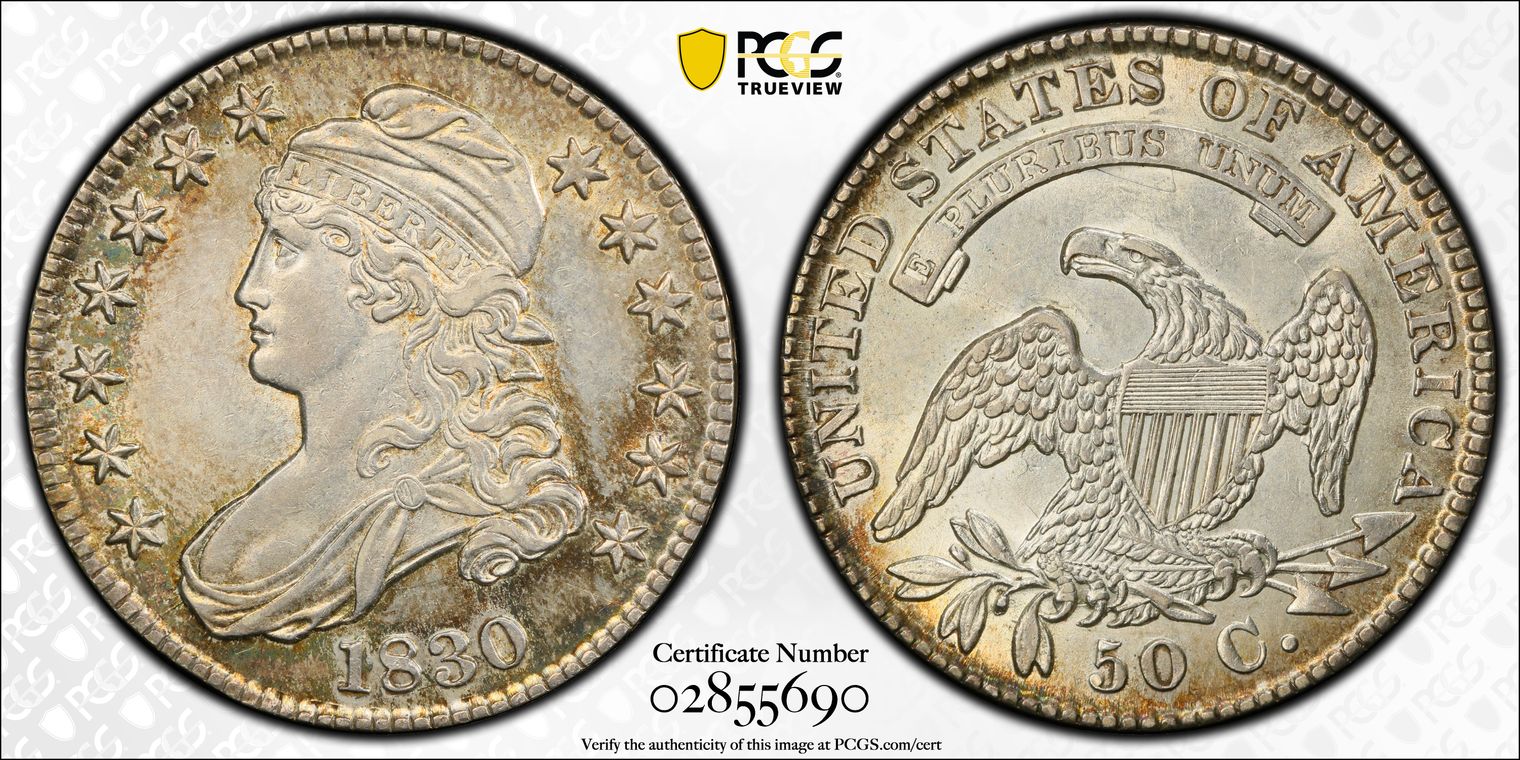

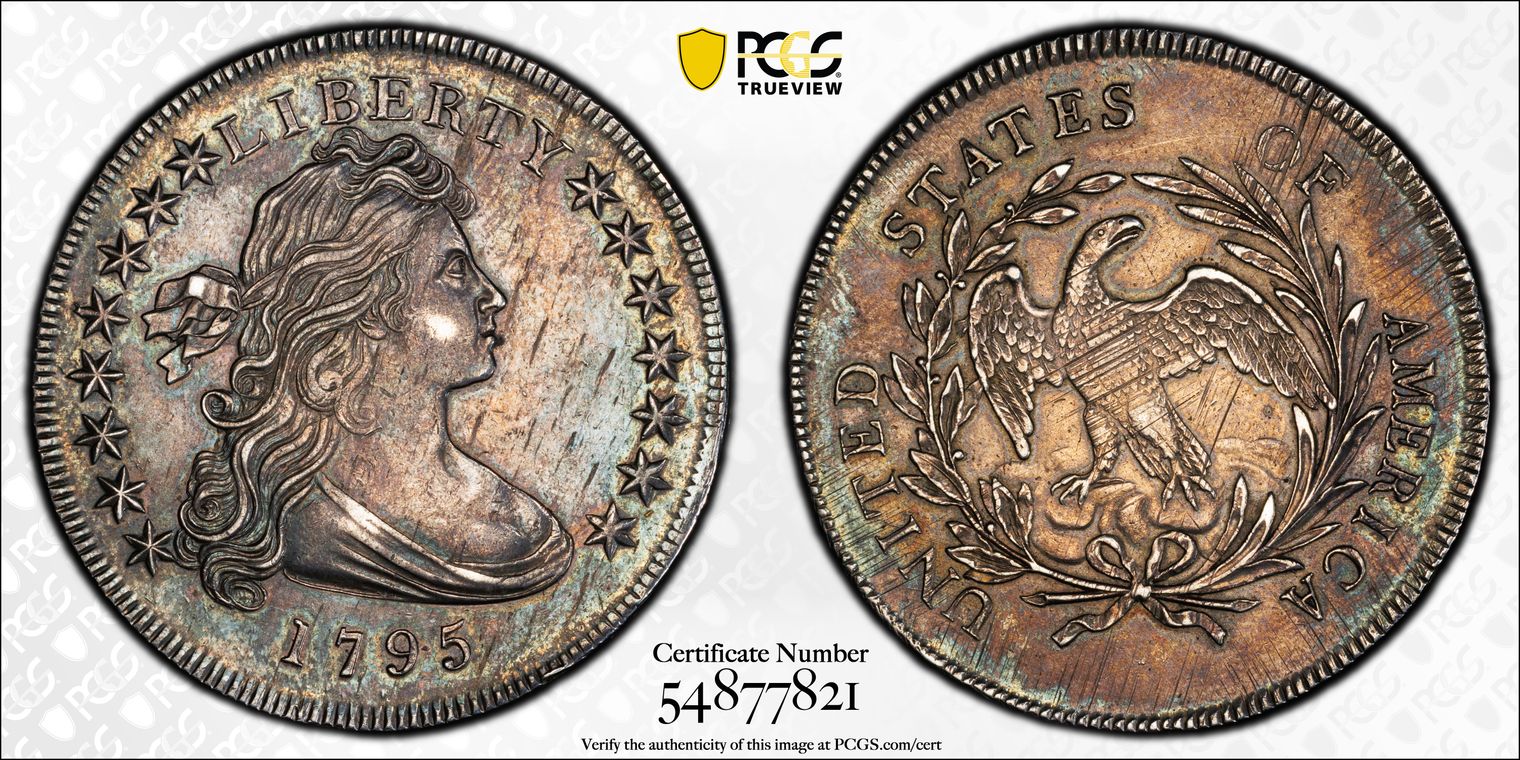
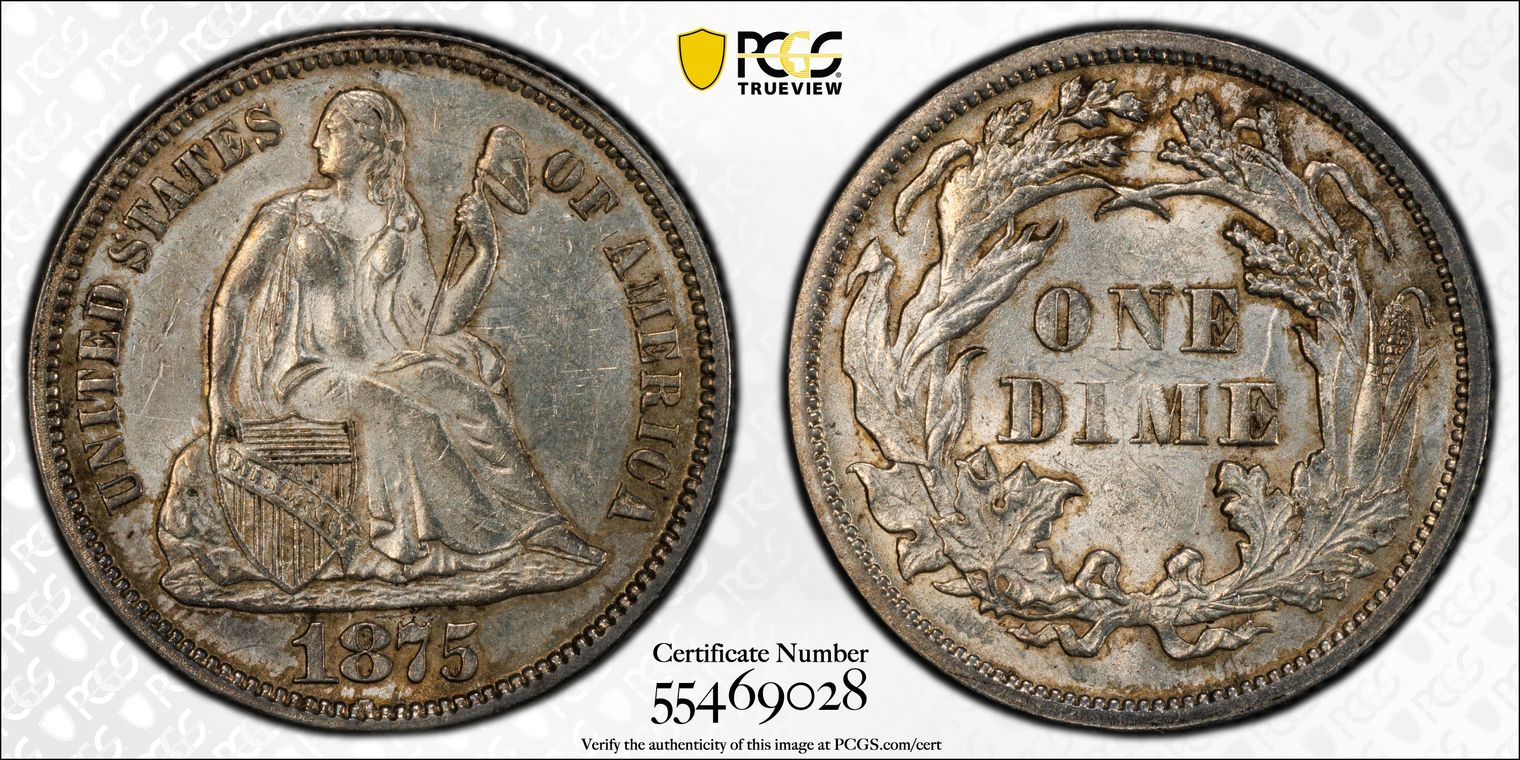
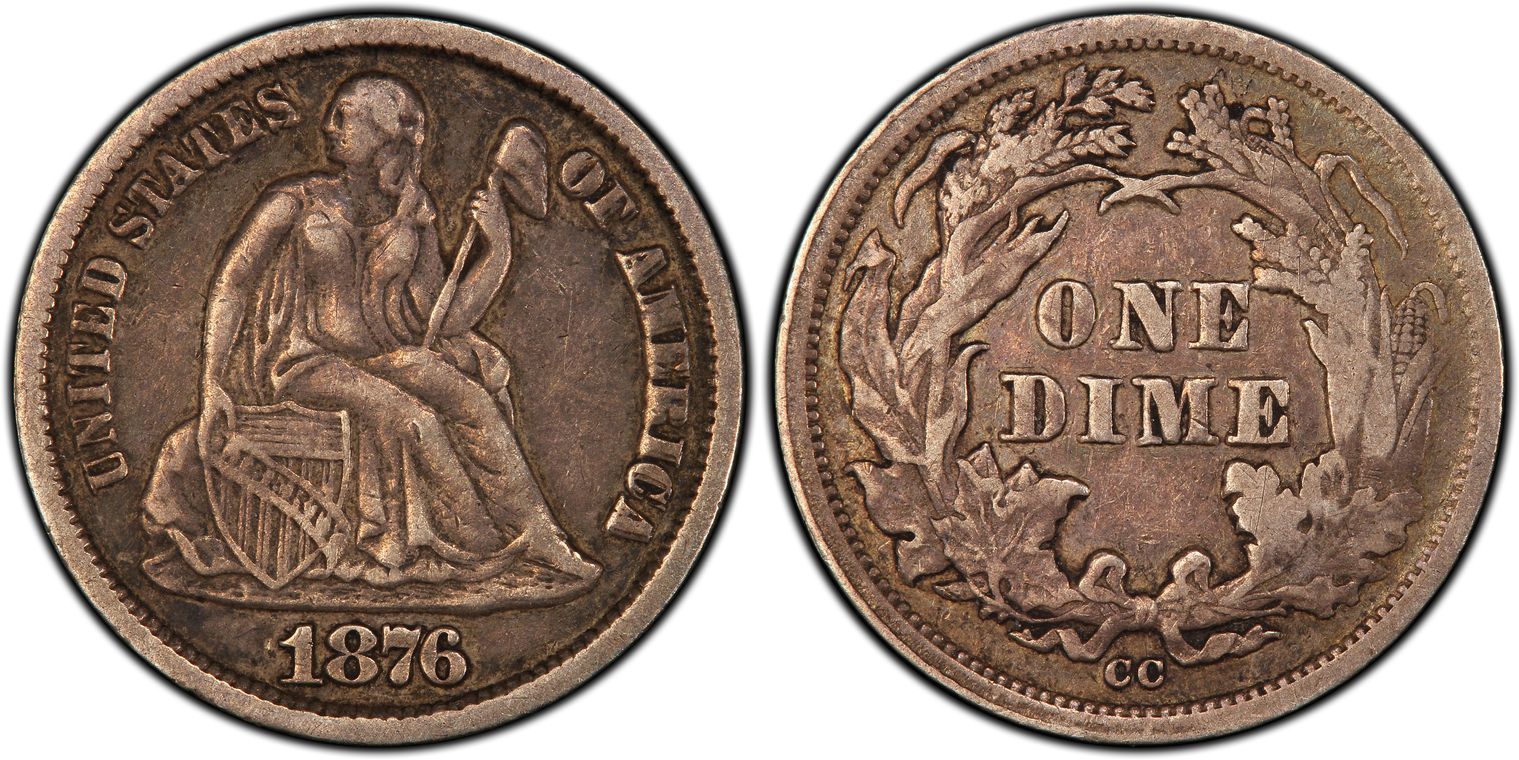

Purchased from 'Semper Fi Collection of 1796 Rarities'. Noted on holder as Ex. 'McGuigan Collection'. From the 8/22/22 Heritage Auctions sale of the same coin: "1796 Edwards Copy, Low R.7, MS67 Red and Brown PCGS. Our EAC Grade MS65. Rarity. Low R.7, or possibly High R.6. We believe that about a dozen examples of this 19th-century copy exist. PCGS reports the certification of nine examples. Contemporary accounts state that only 12 examples were preserved following Francis Edwards' death in 1865. Surfaces. An amazing Superb Gem, this Edwards copy has lustrous olive-brown surfaces with substantial original red color displayed on both sides. Wispy blue overtones enhance the eye appeal. PCGS Population. Only two of the nine 1796 Edwards copies that PCGS has certified are designated as Red and Brown coins, and both are certified as MS67. Jim McGuigan owned the other coin that he sold into the Missouri Cabinet indicating that he chose this coin as the one to keep for his collection. Commentary. Many collectors consider the 1796 Edwards copy an integral part of a half cent collection, much as the 1837 half cent-denominated Hard Times token is also included in many half cent collections.

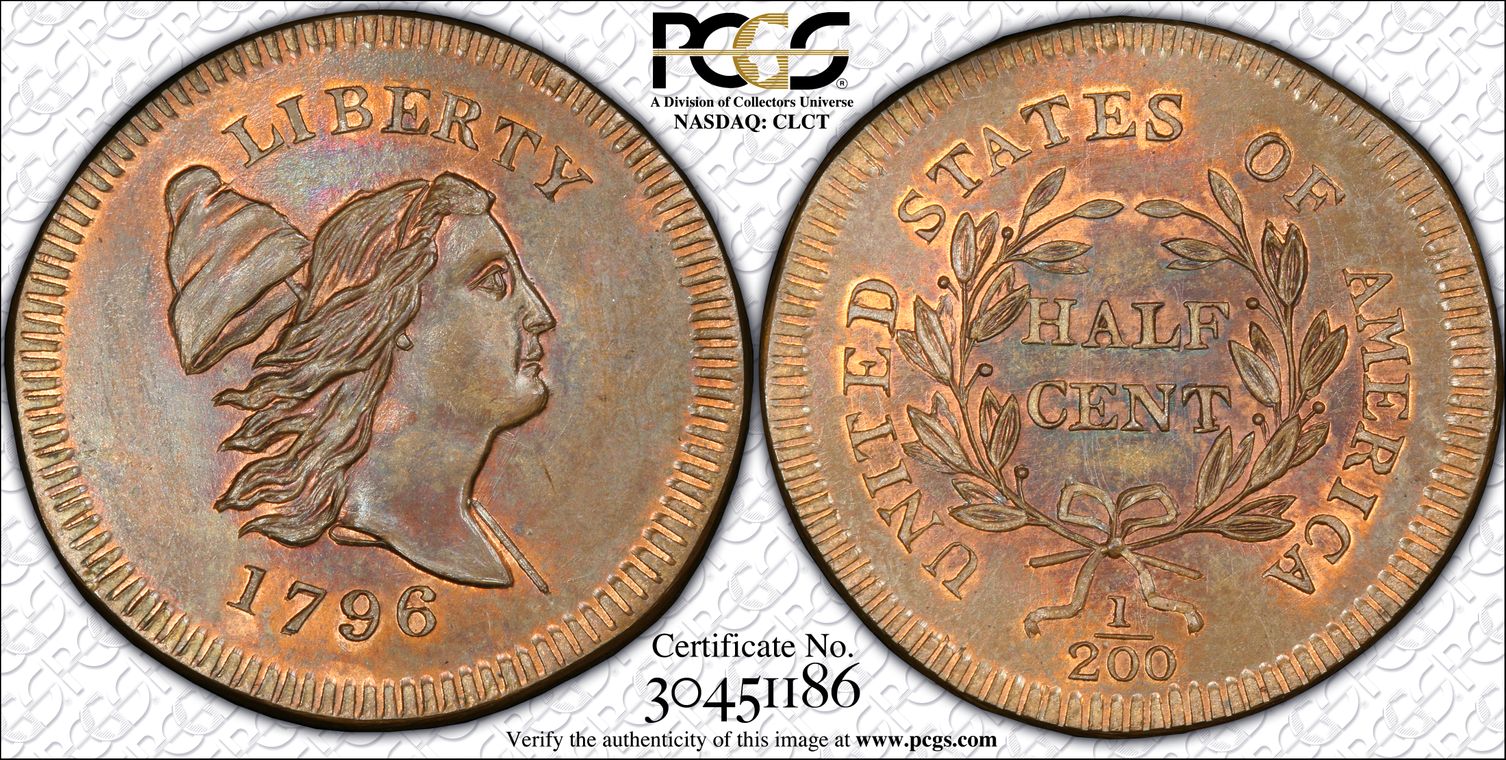
Purchased from 'Semper Fi Collection of 1796 Rarities'. Noted on holder as Ex. 'McGuigan Collection'. From the 8/22/22 Heritage Auctions sale of the same coin: "1796 Edwards Copy, Low R.7, MS67 Red and Brown PCGS. Our EAC Grade MS65. Rarity. Low R.7, or possibly High R.6. We believe that about a dozen examples of this 19th-century copy exist. PCGS reports the certification of nine examples. Contemporary accounts state that only 12 examples were preserved following Francis Edwards' death in 1865. Surfaces. An amazing Superb Gem, this Edwards copy has lustrous olive-brown surfaces with substantial original red color displayed on both sides. Wispy blue overtones enhance the eye appeal. PCGS Population. Only two of the nine 1796 Edwards copies that PCGS has certified are designated as Red and Brown coins, and both are certified as MS67. Jim McGuigan owned the other coin that he sold into the Missouri Cabinet indicating that he chose this coin as the one to keep for his collection. Commentary. Many collectors consider the 1796 Edwards copy an integral part of a half cent collection, much as the 1837 half cent-denominated Hard Times token is also included in many half cent collections.