



Eastlake's Coin Album
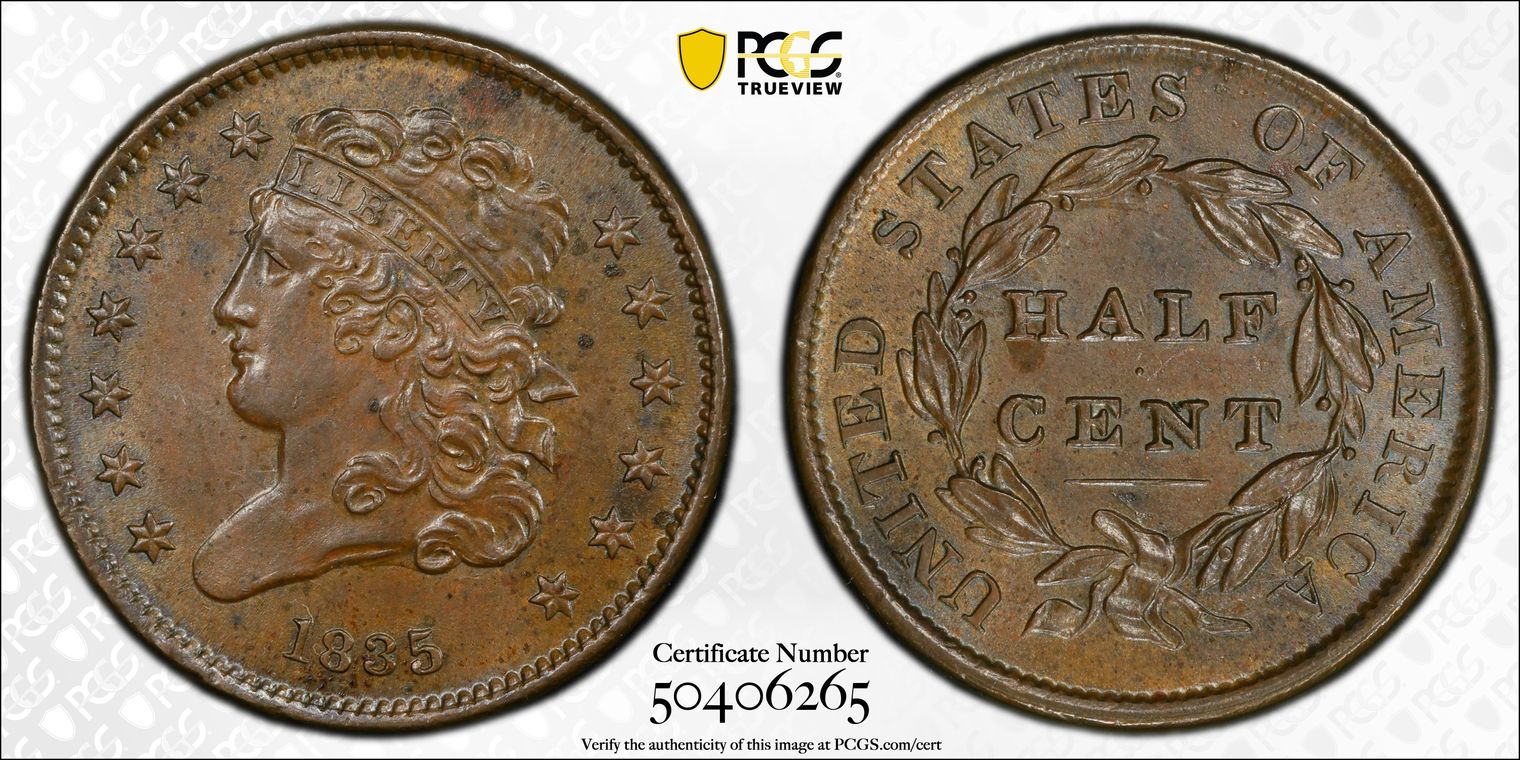
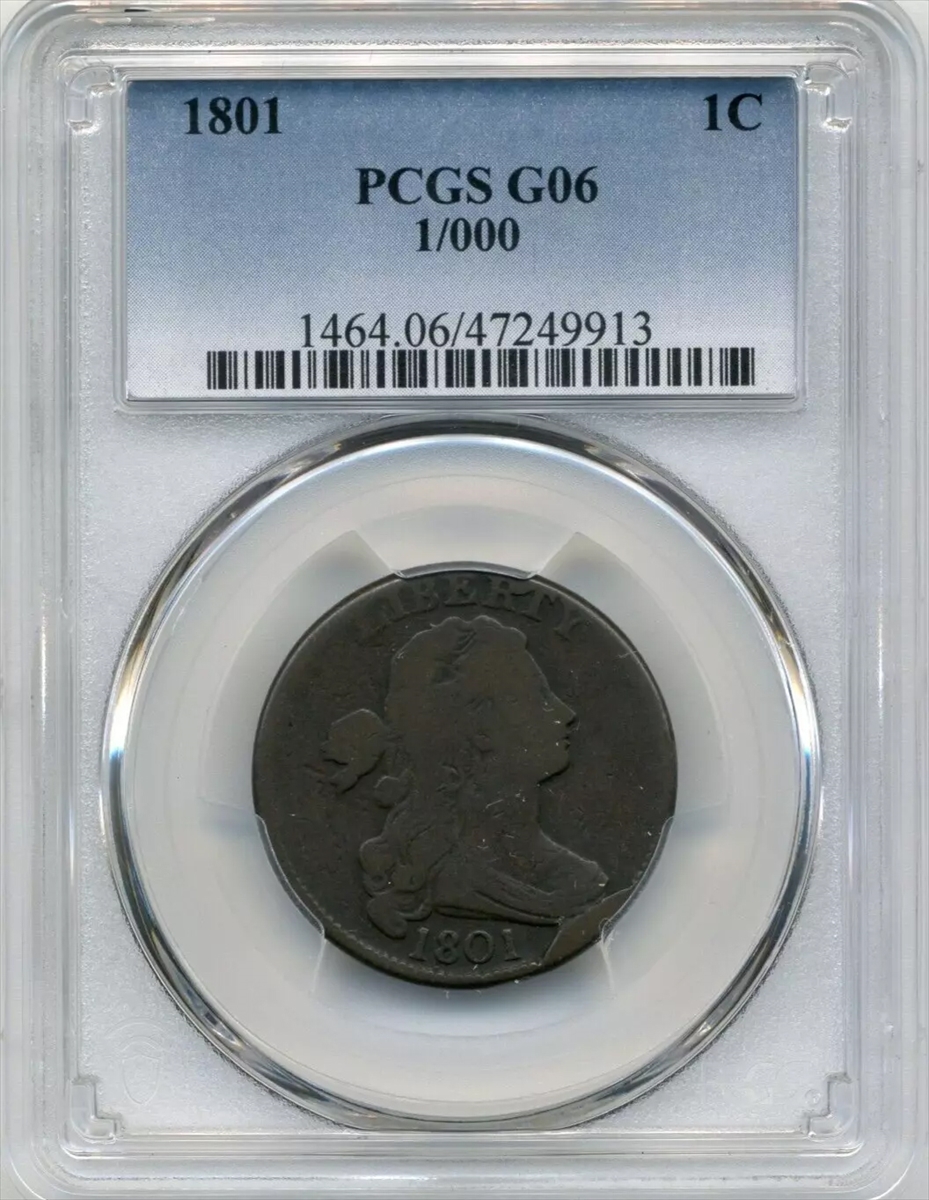
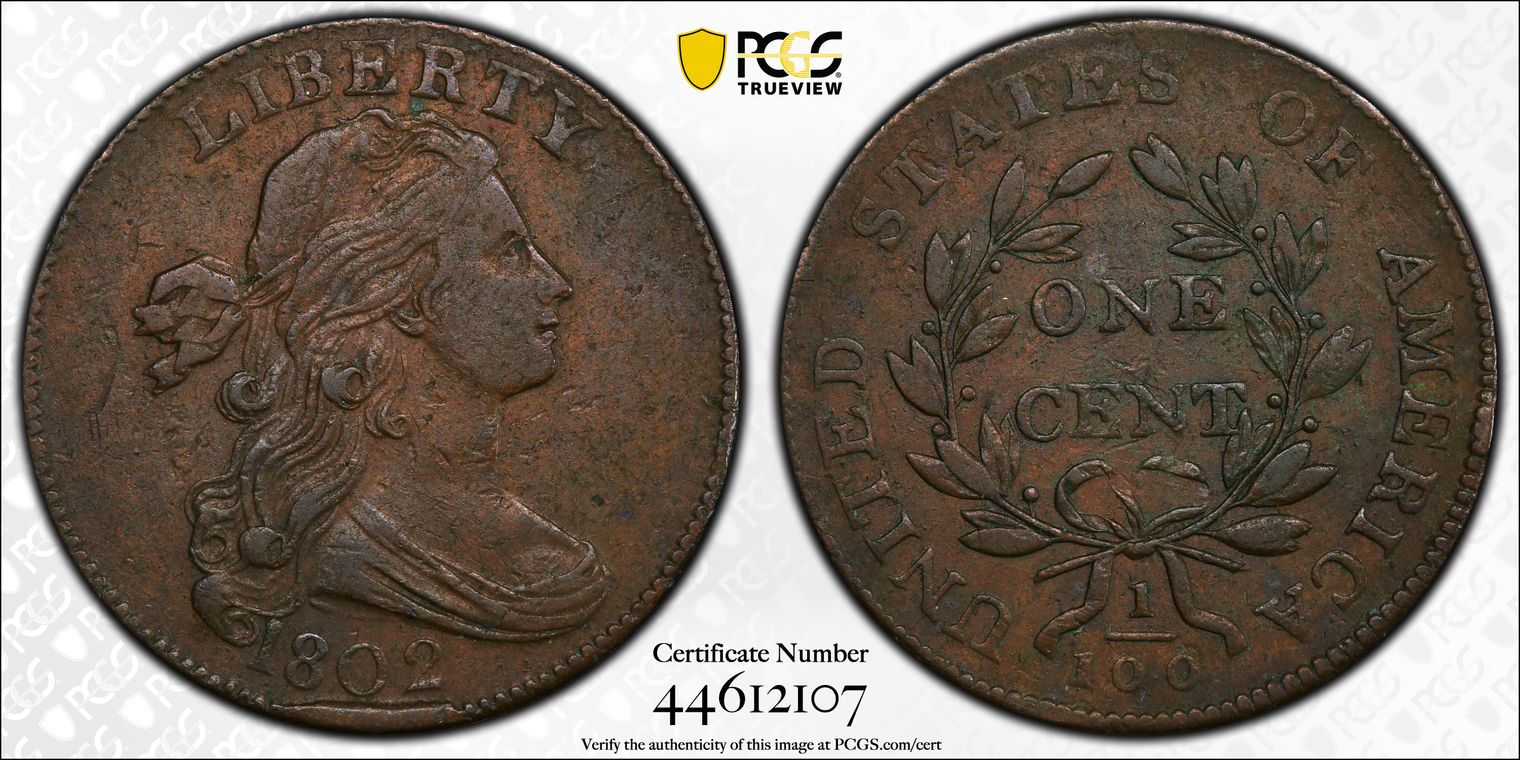
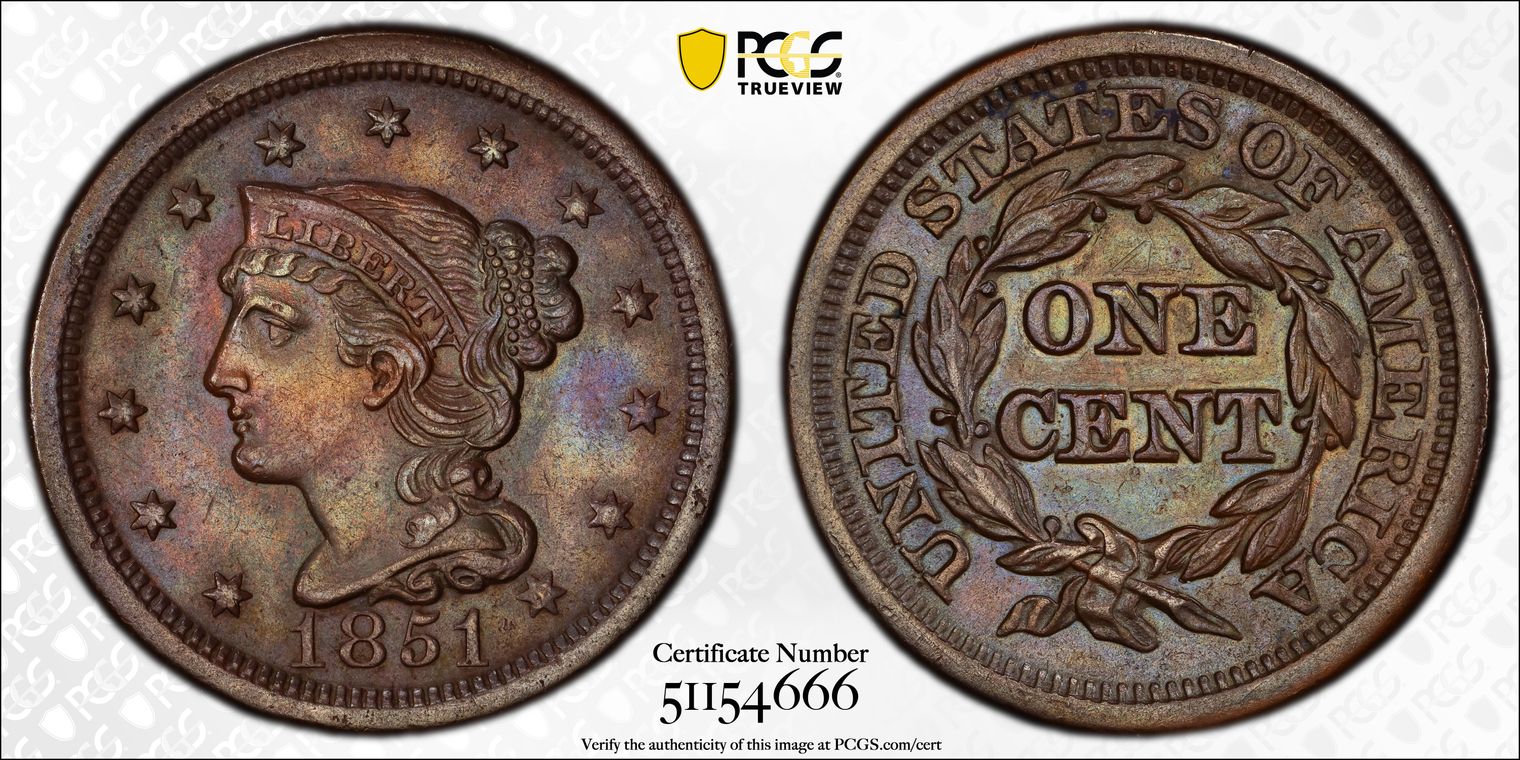
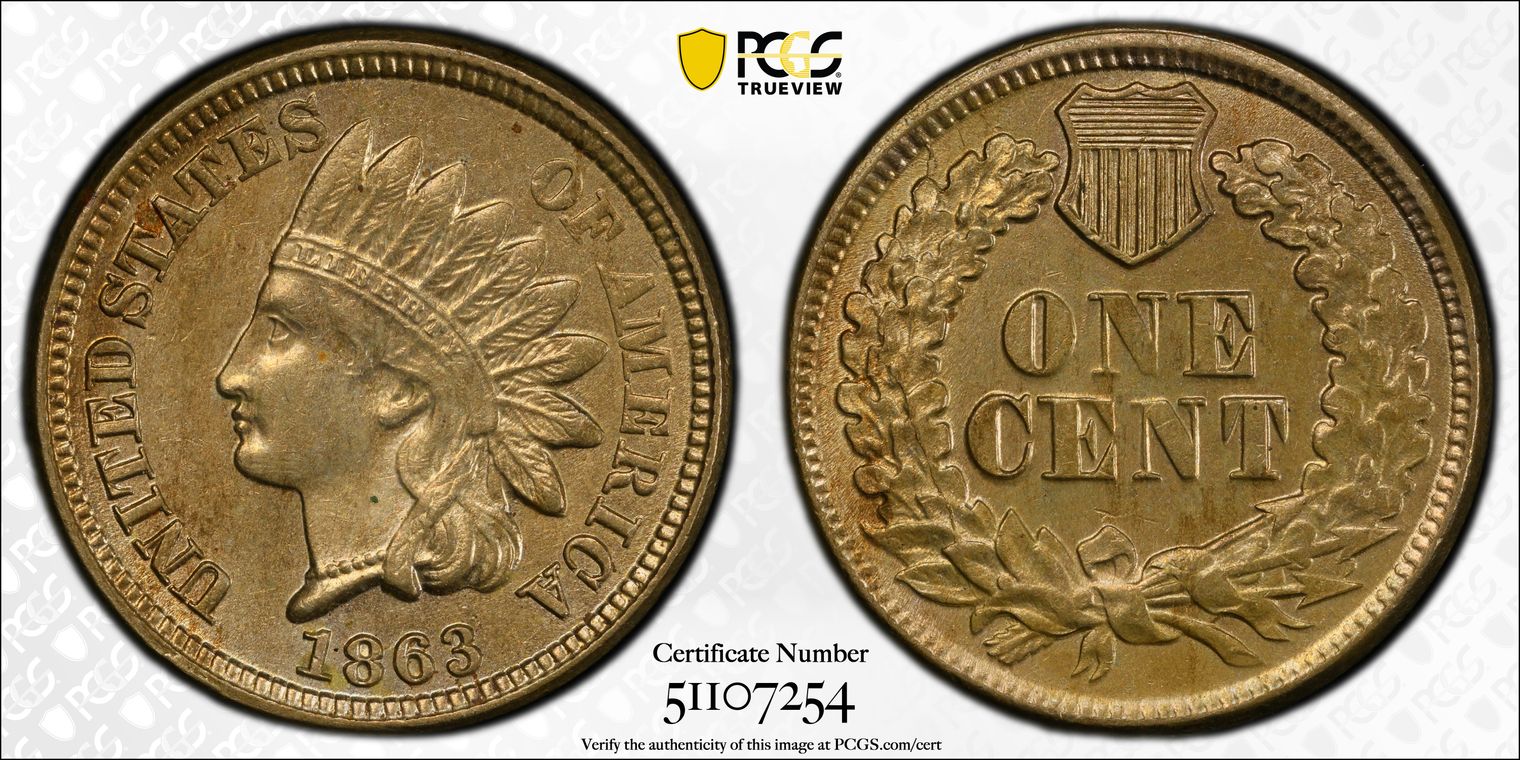
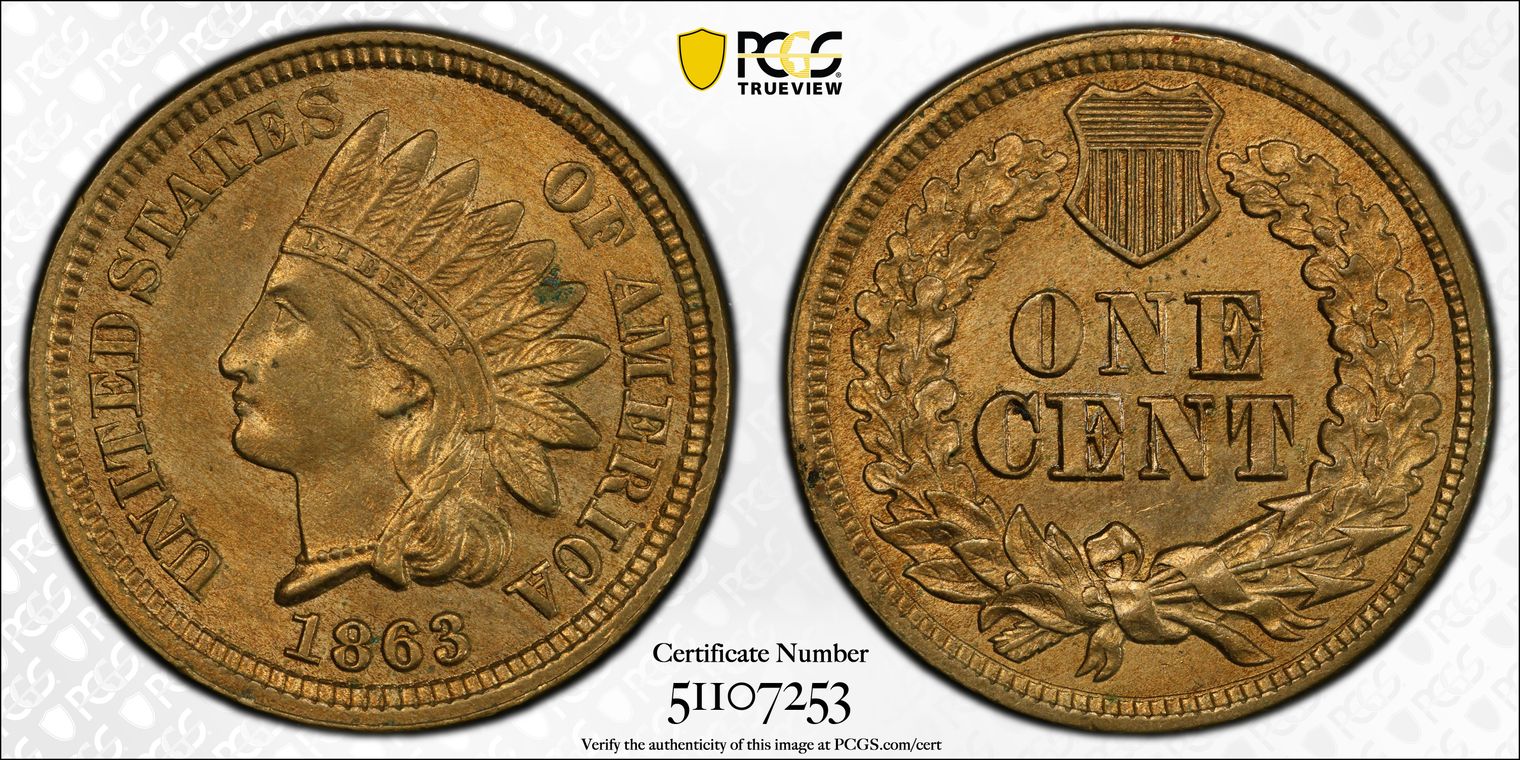
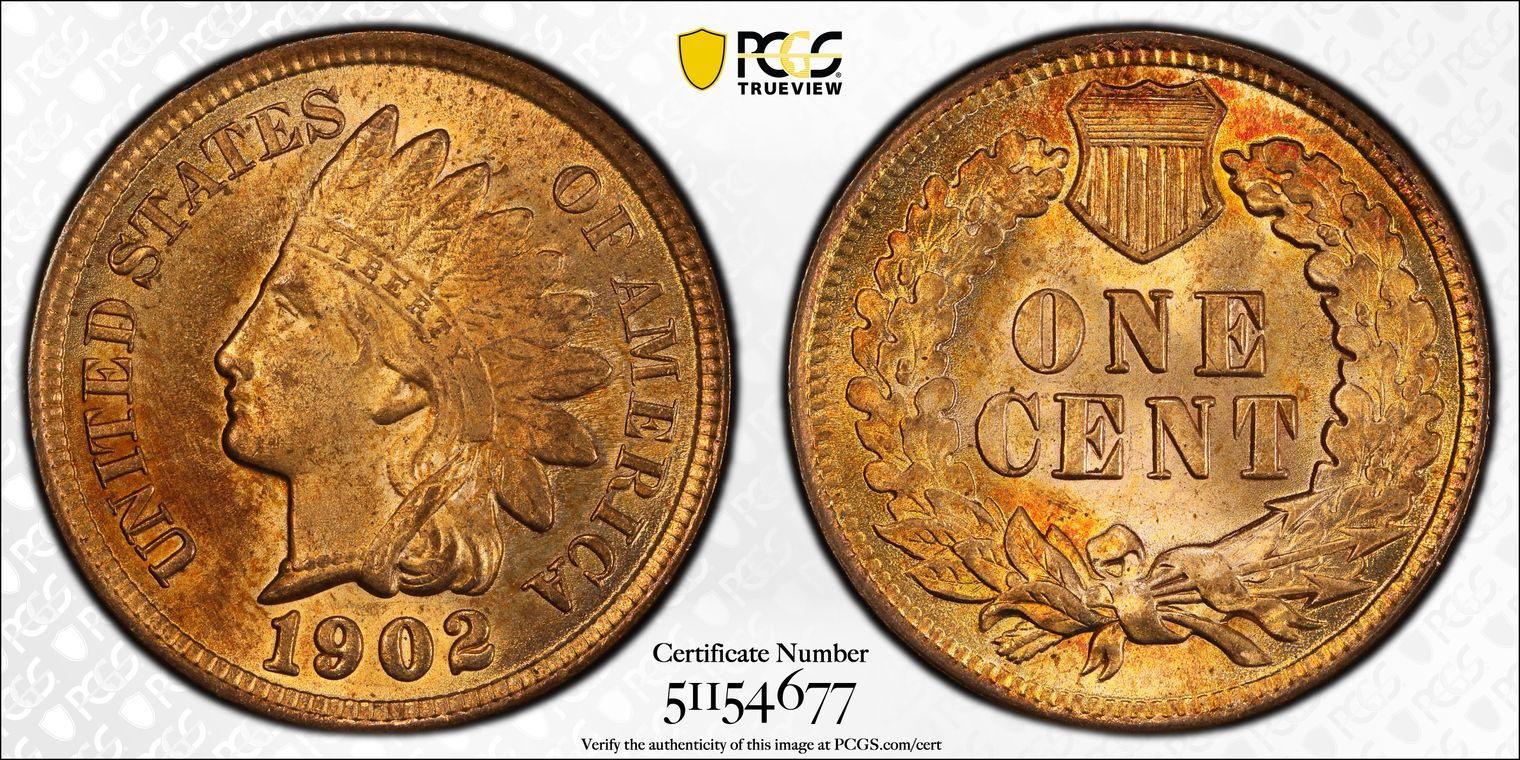
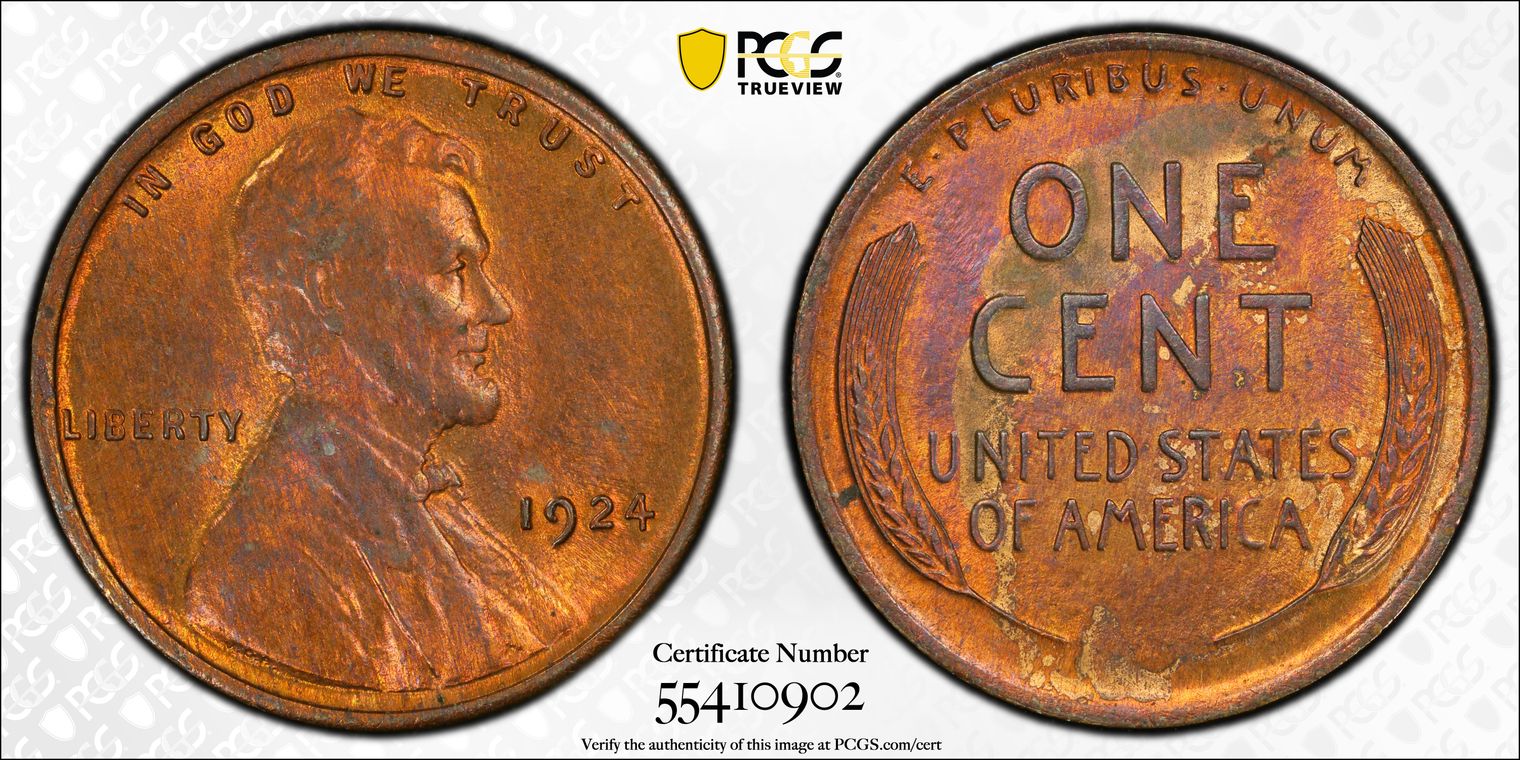

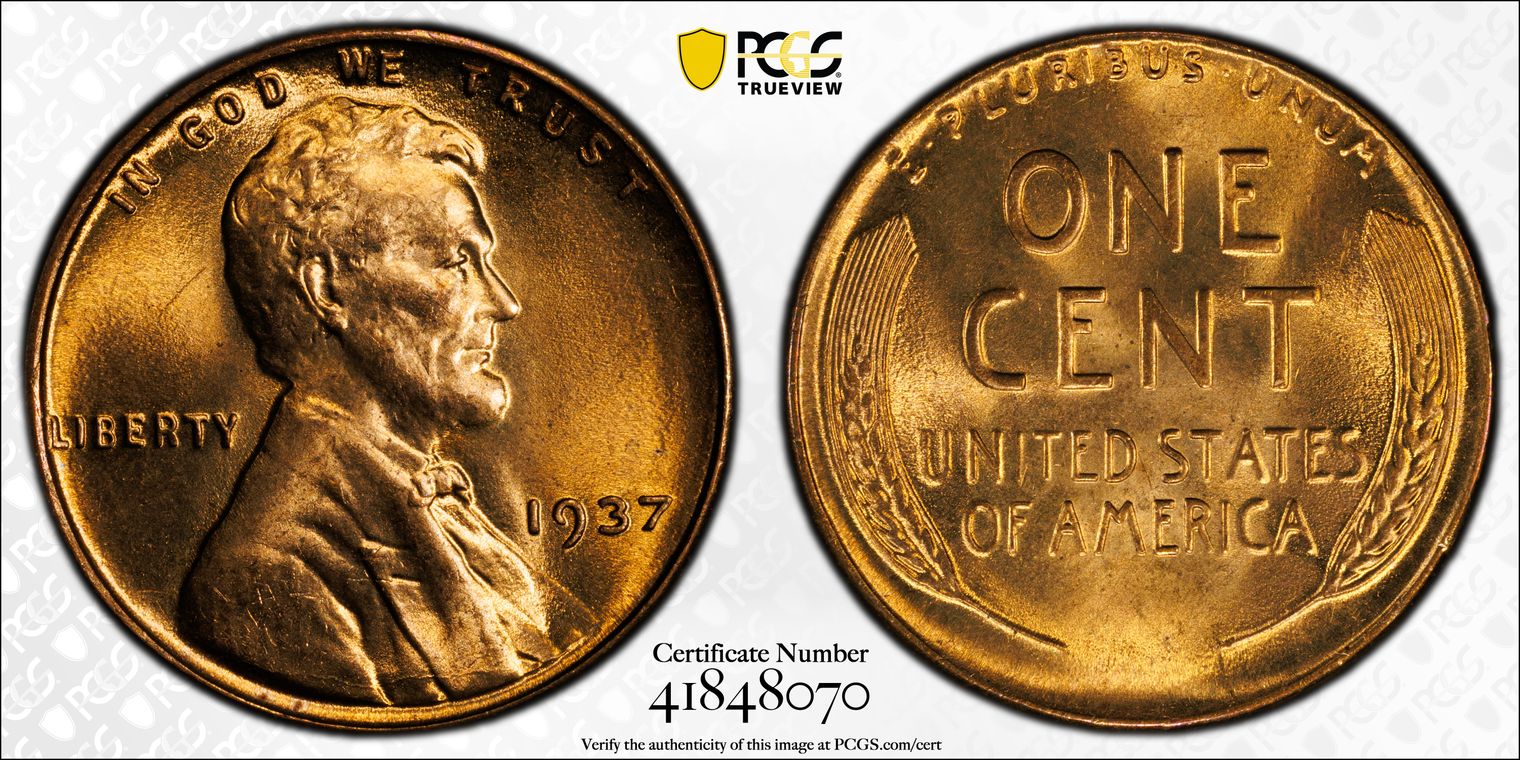
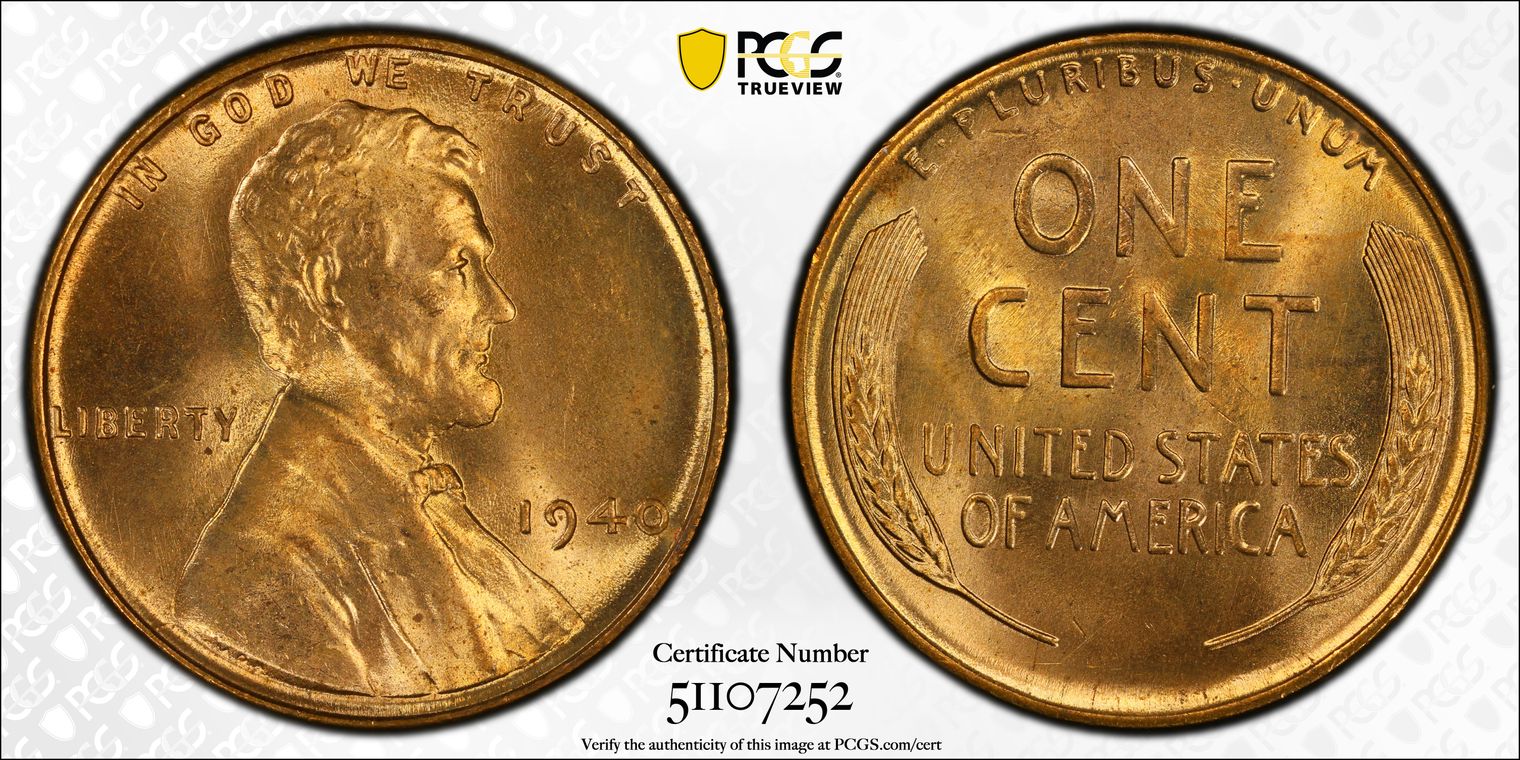
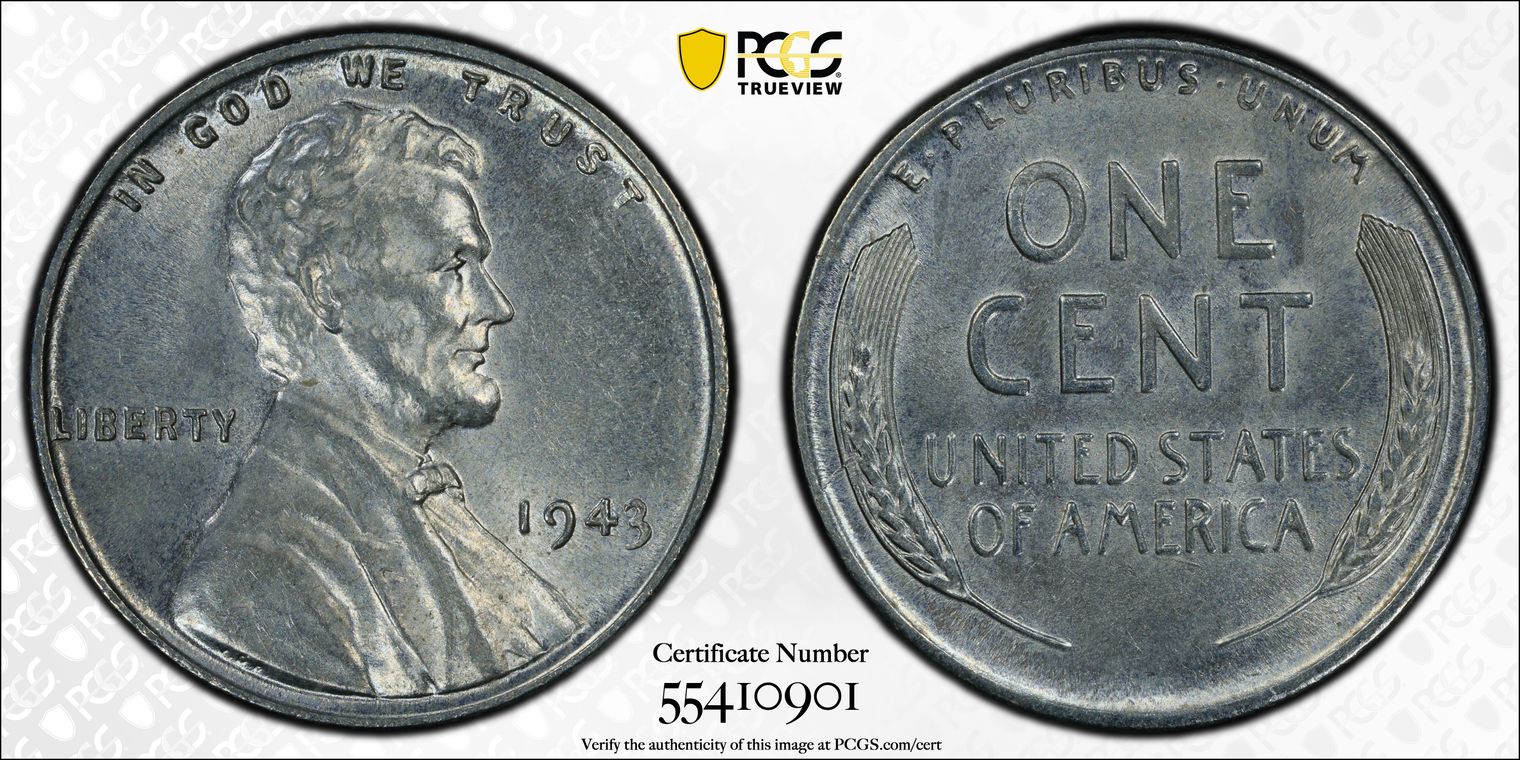
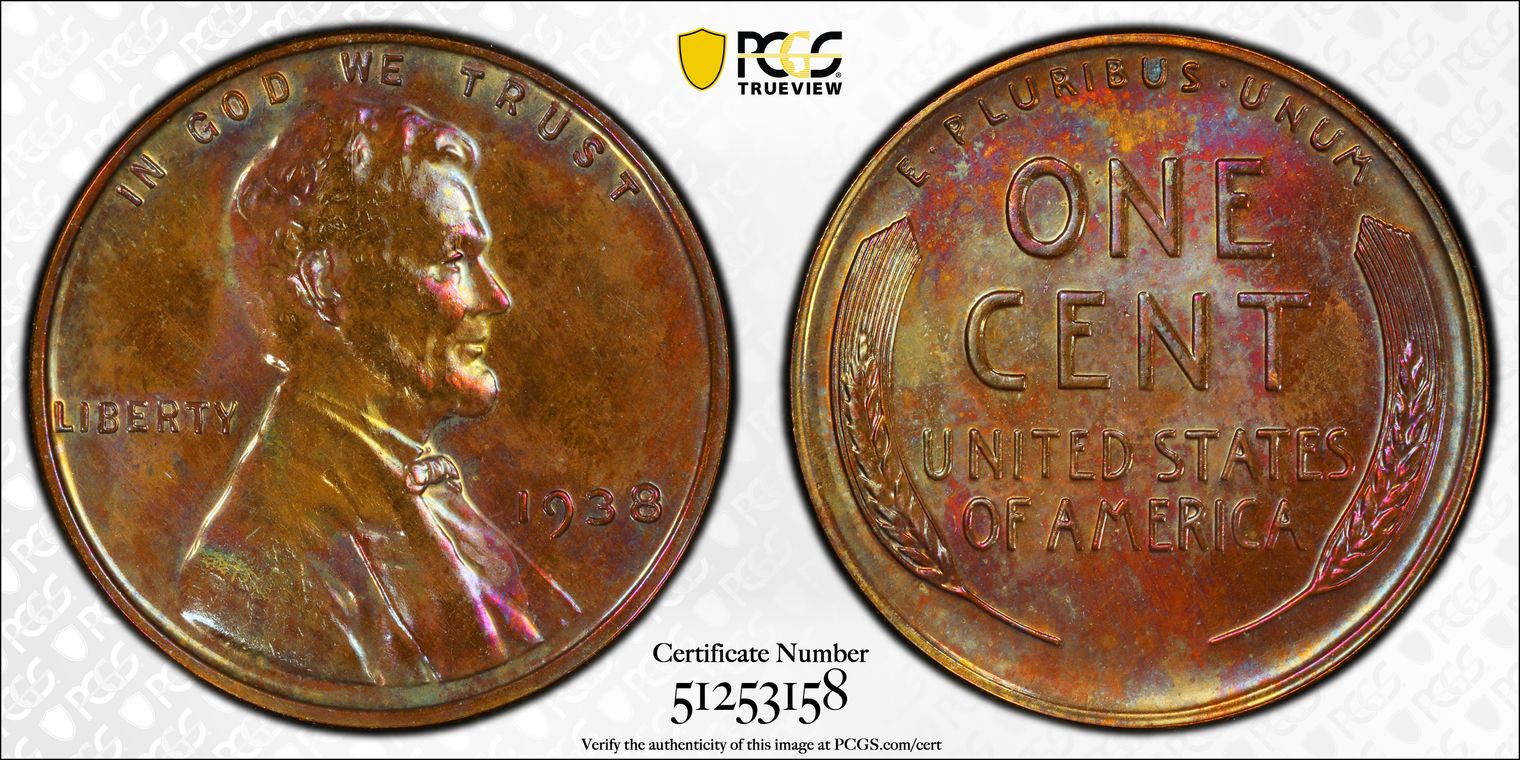
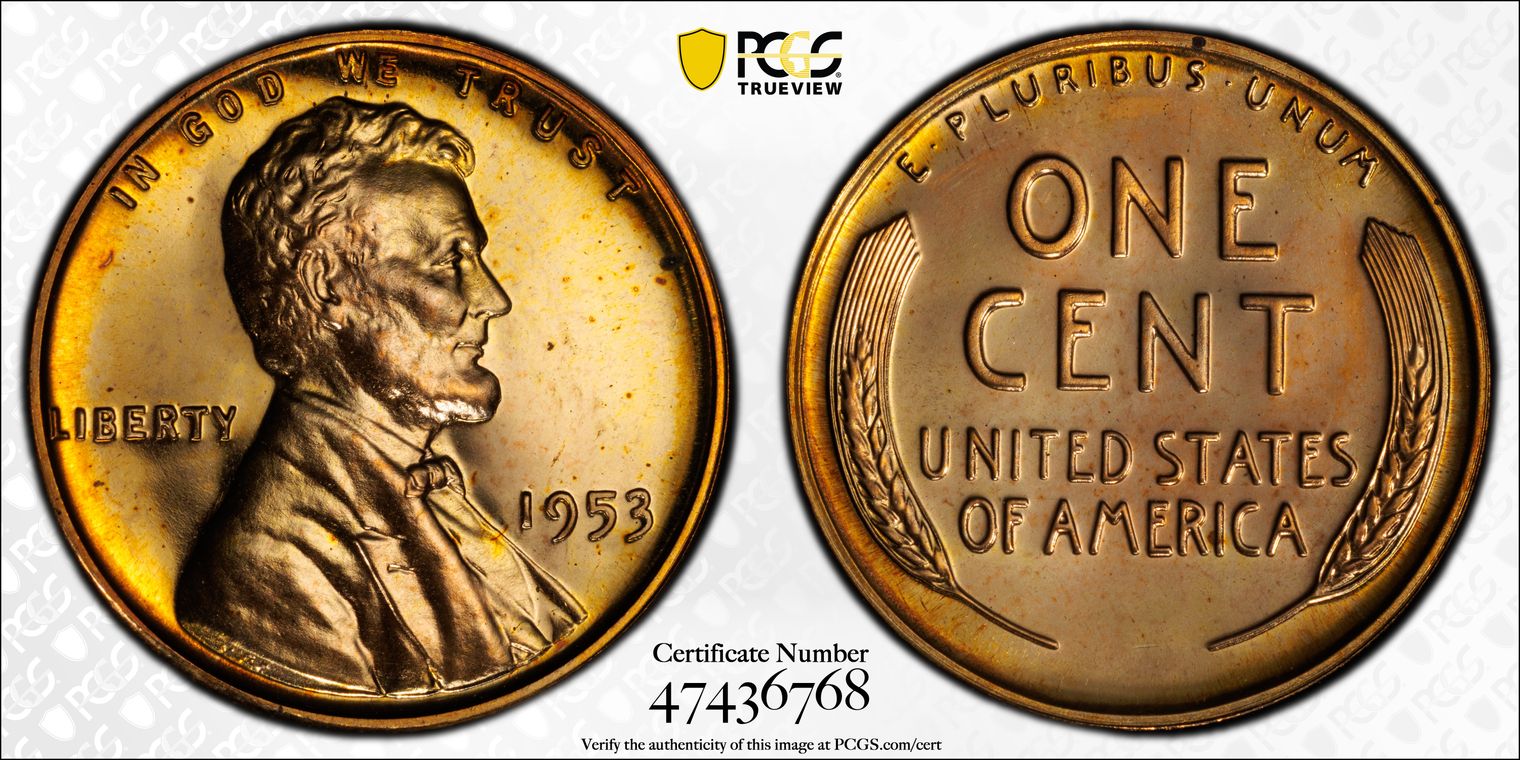
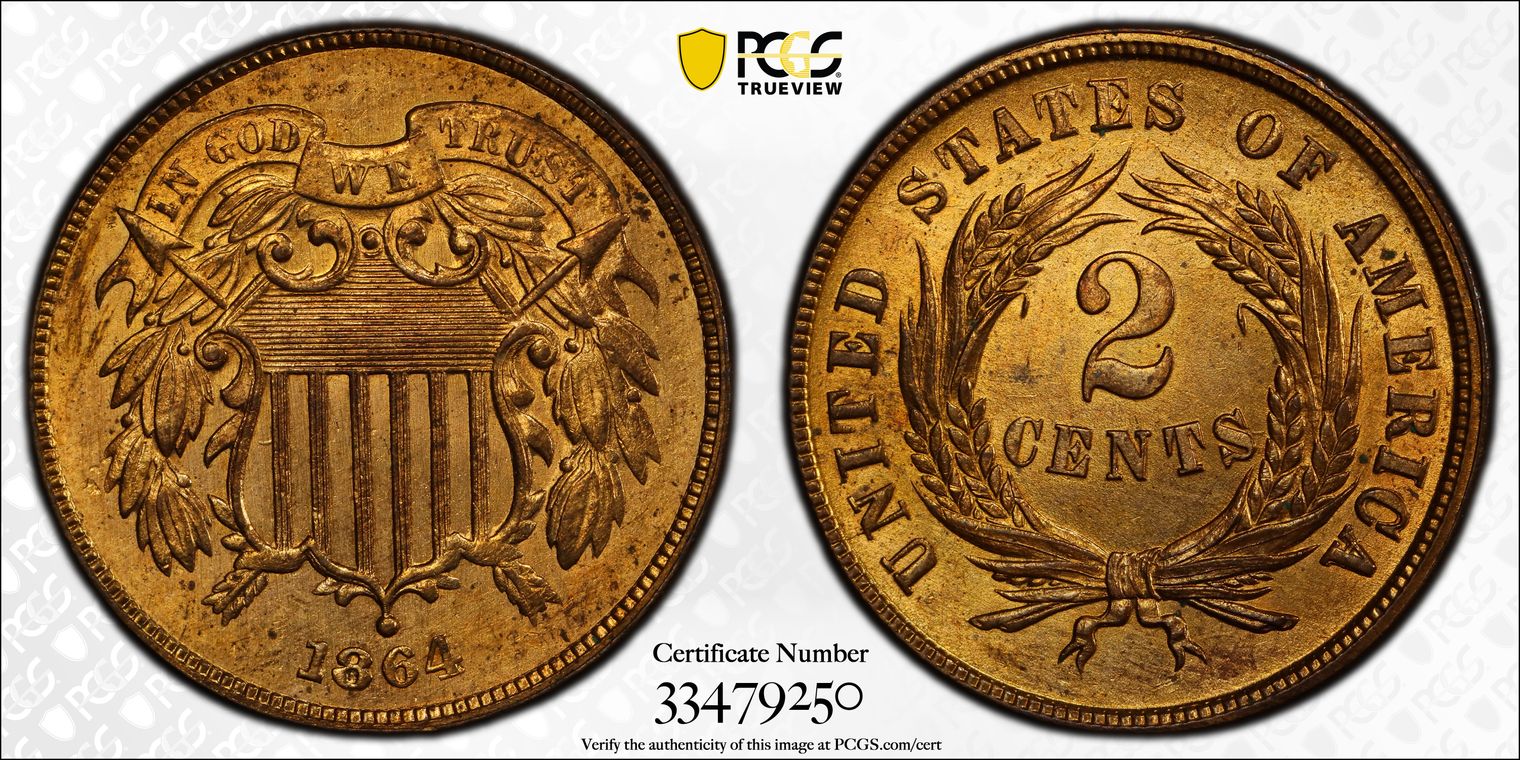
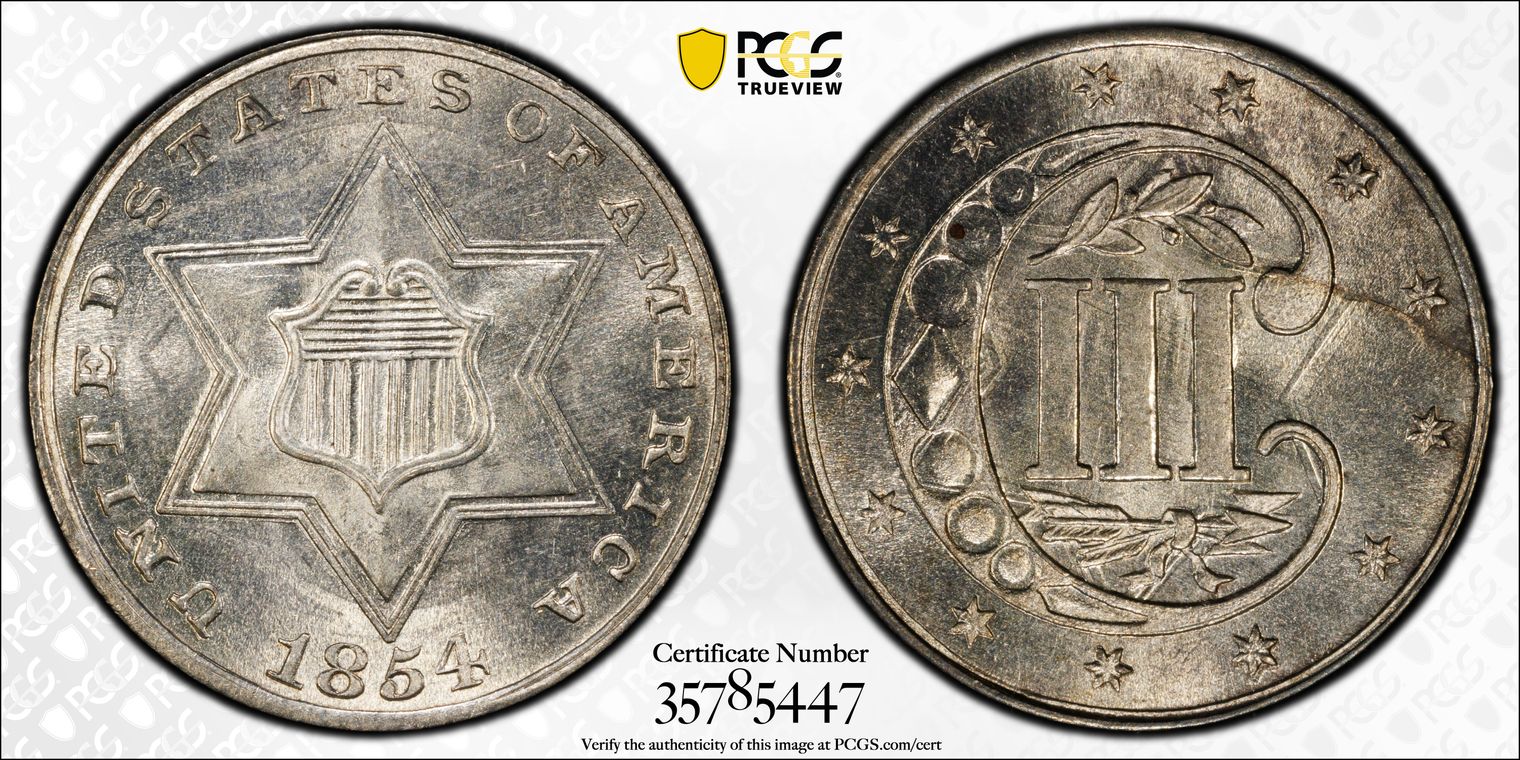
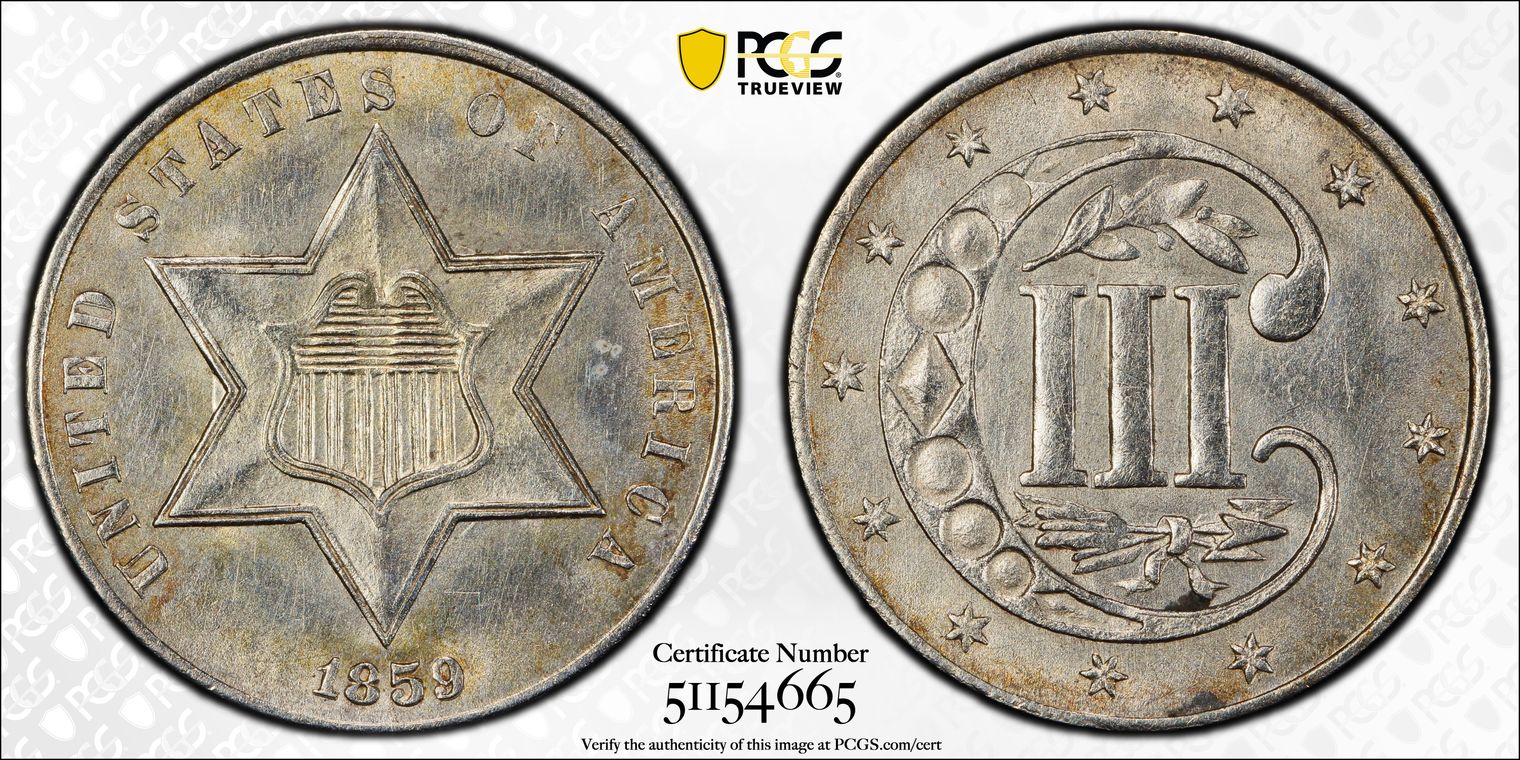

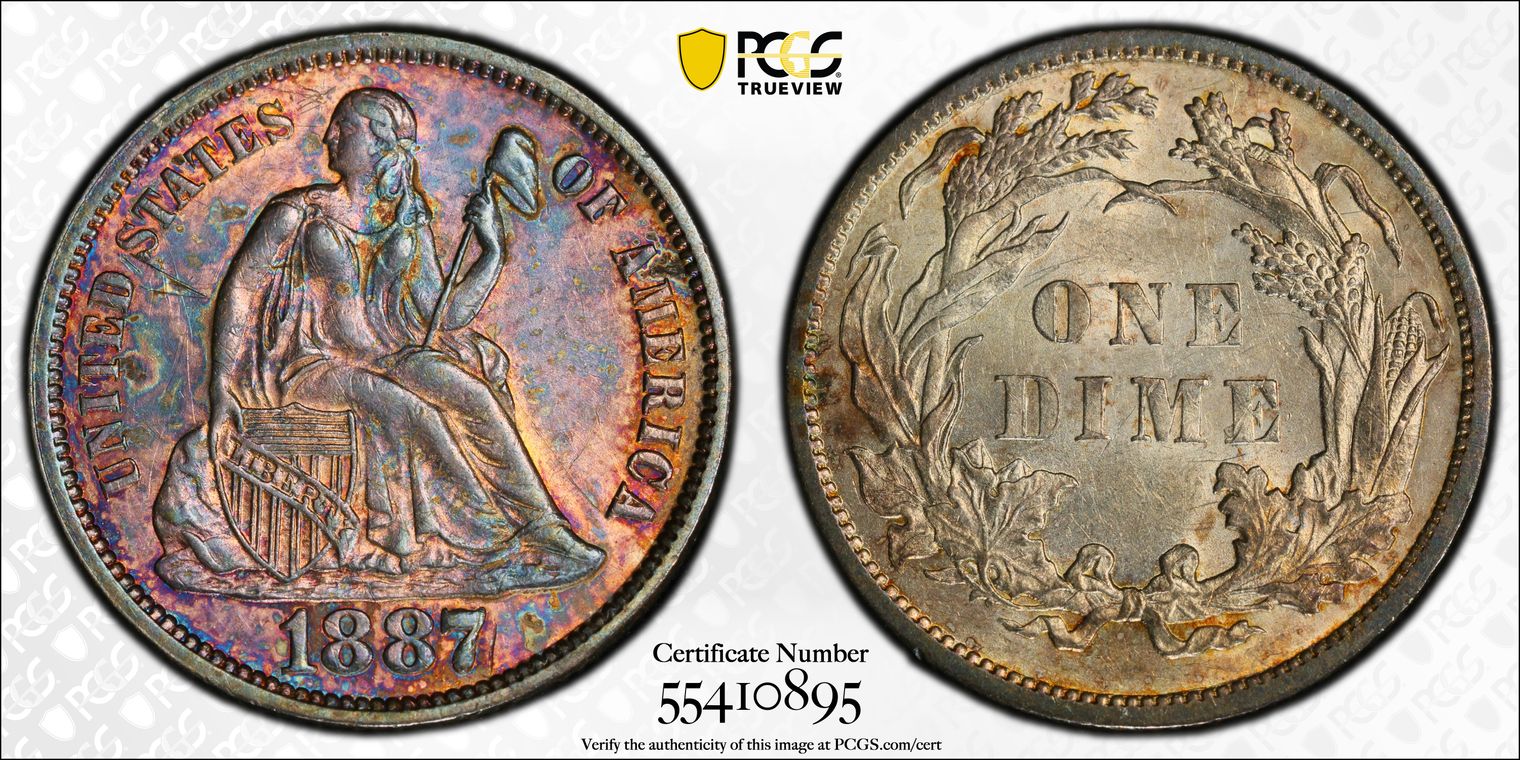
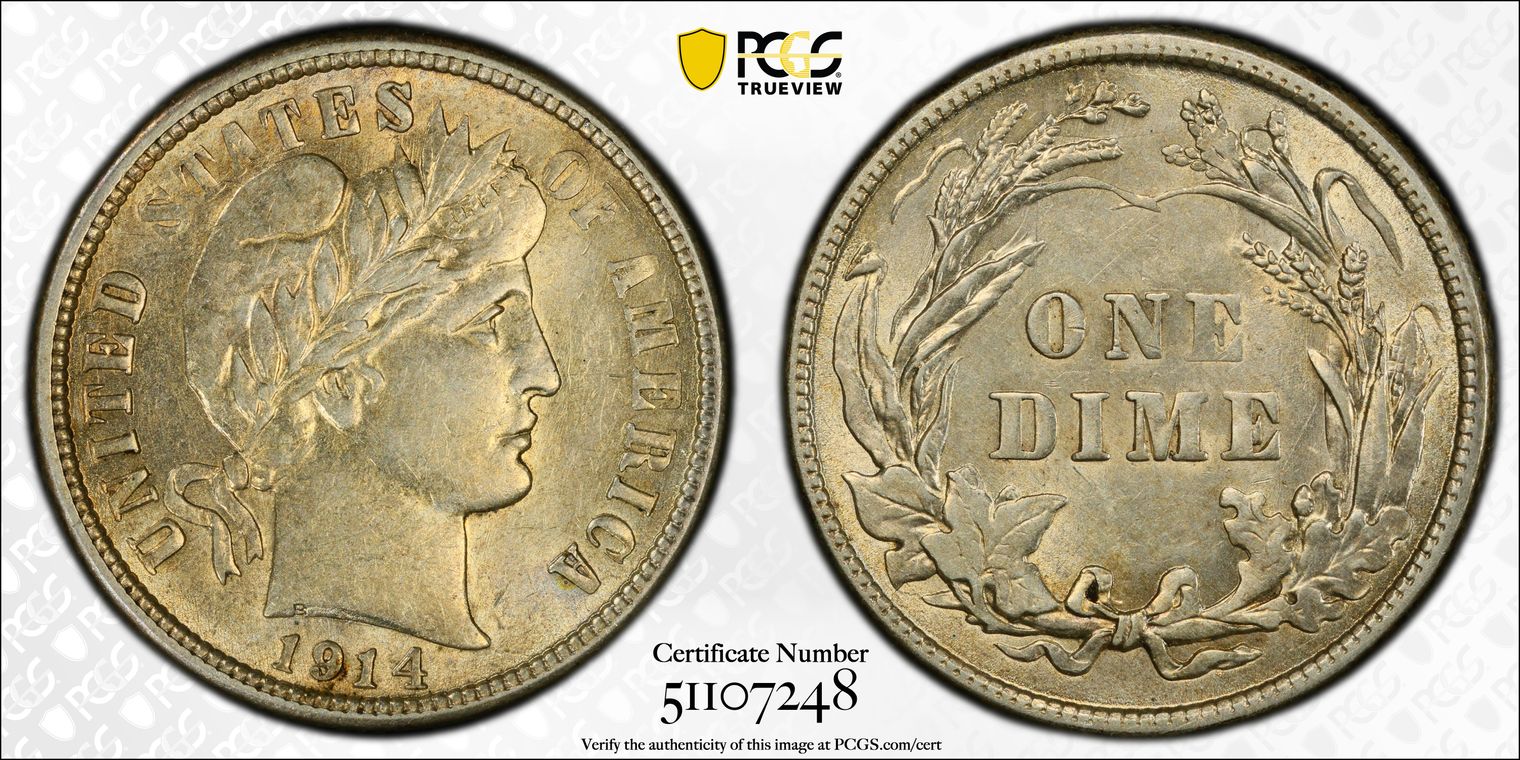
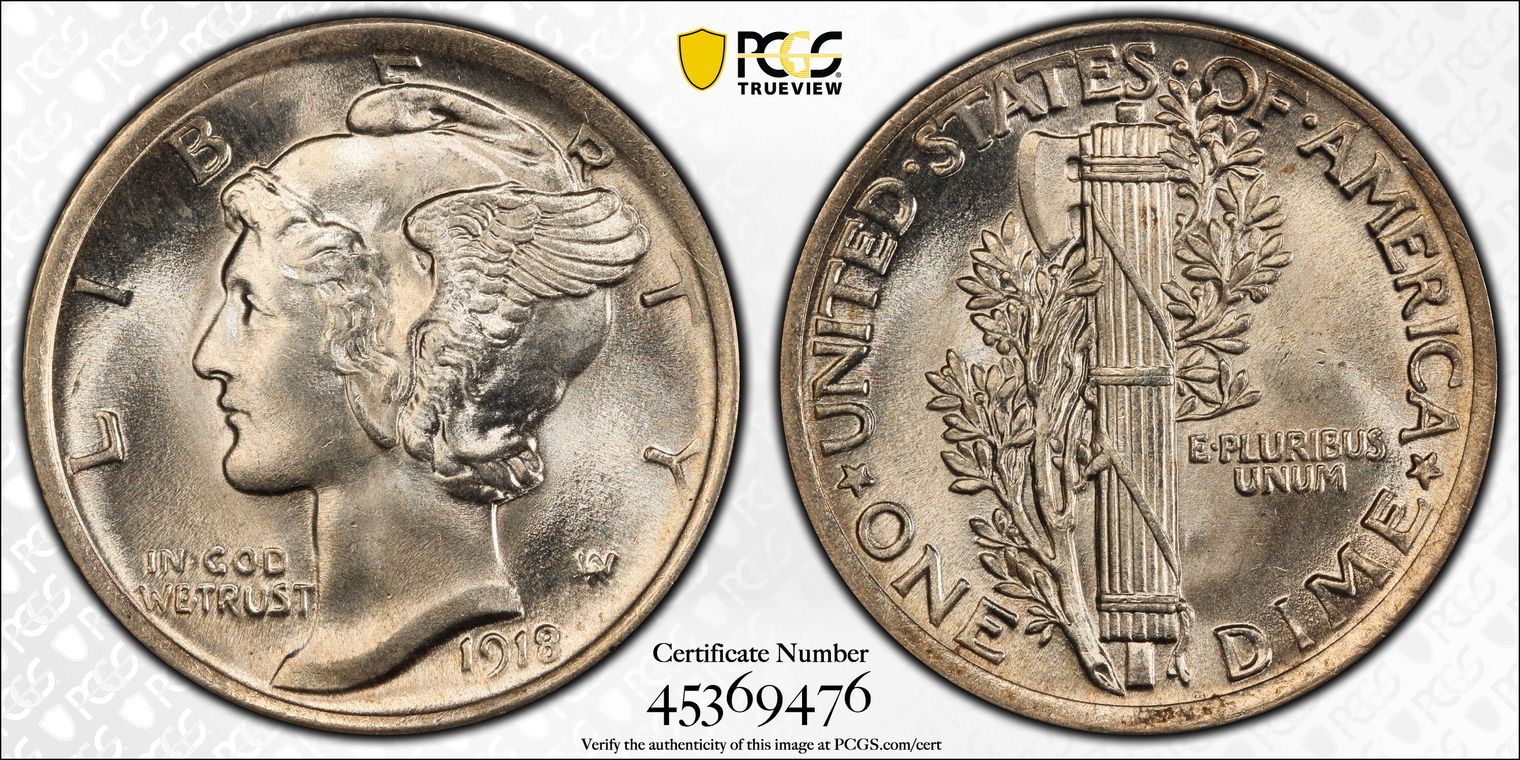
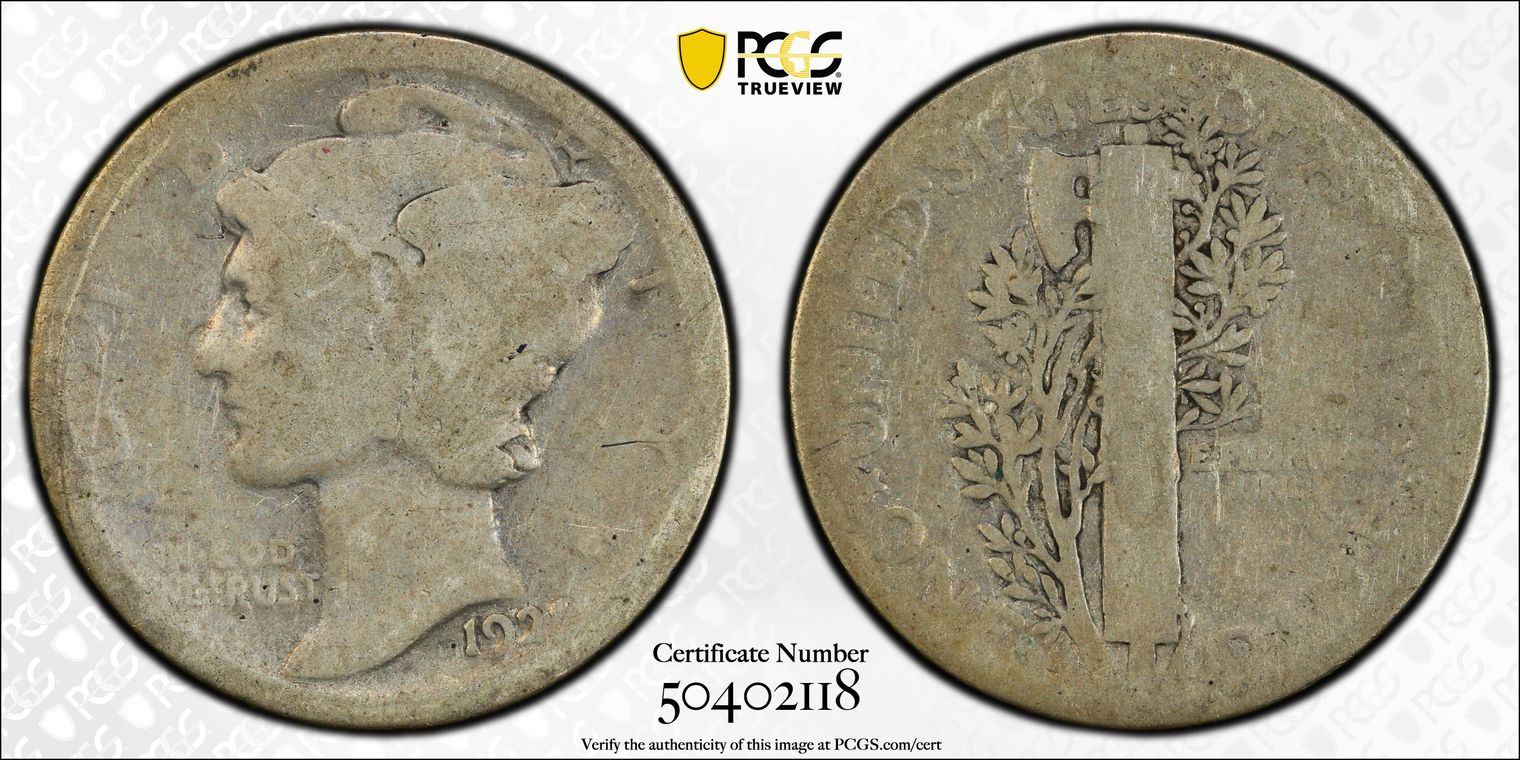
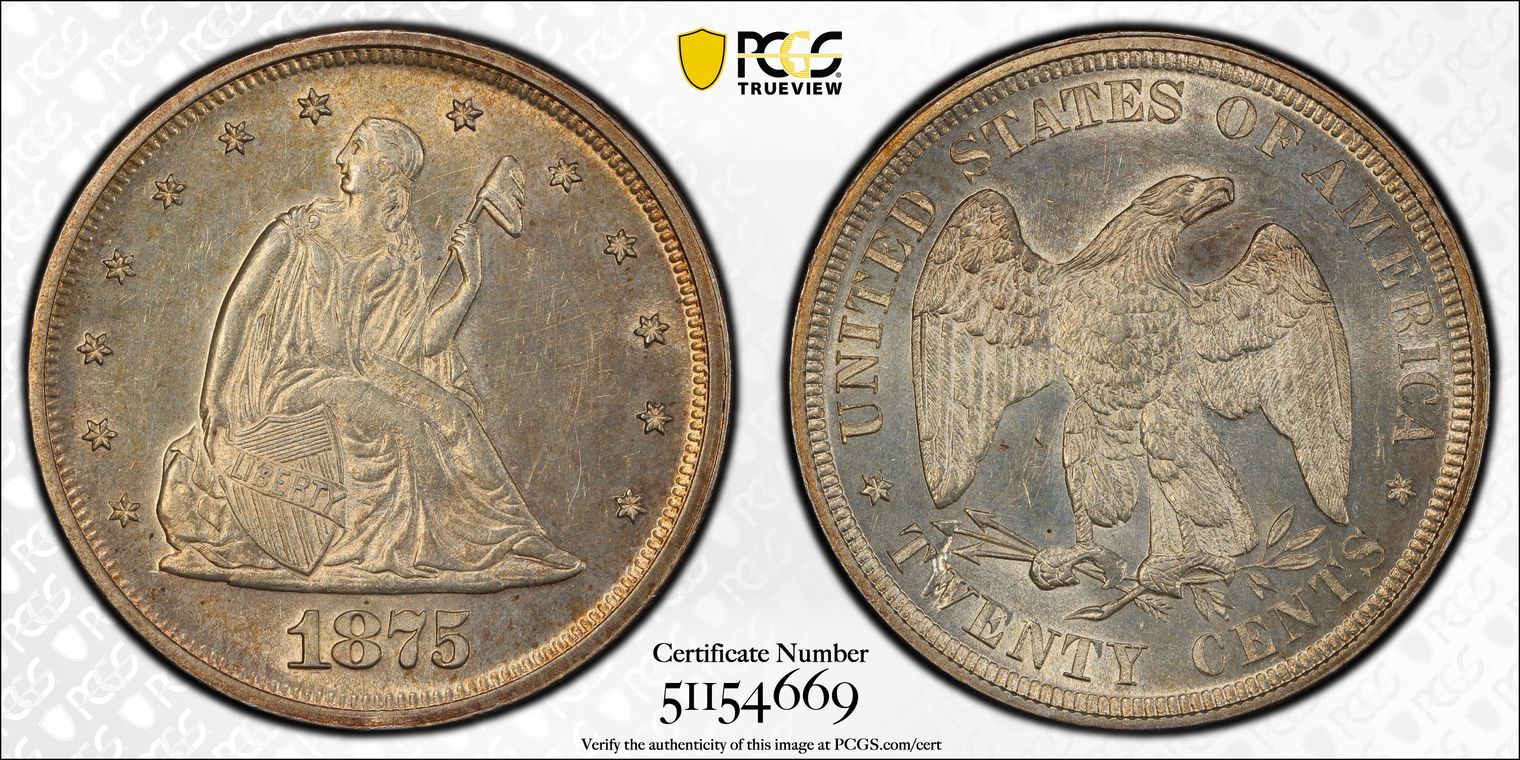
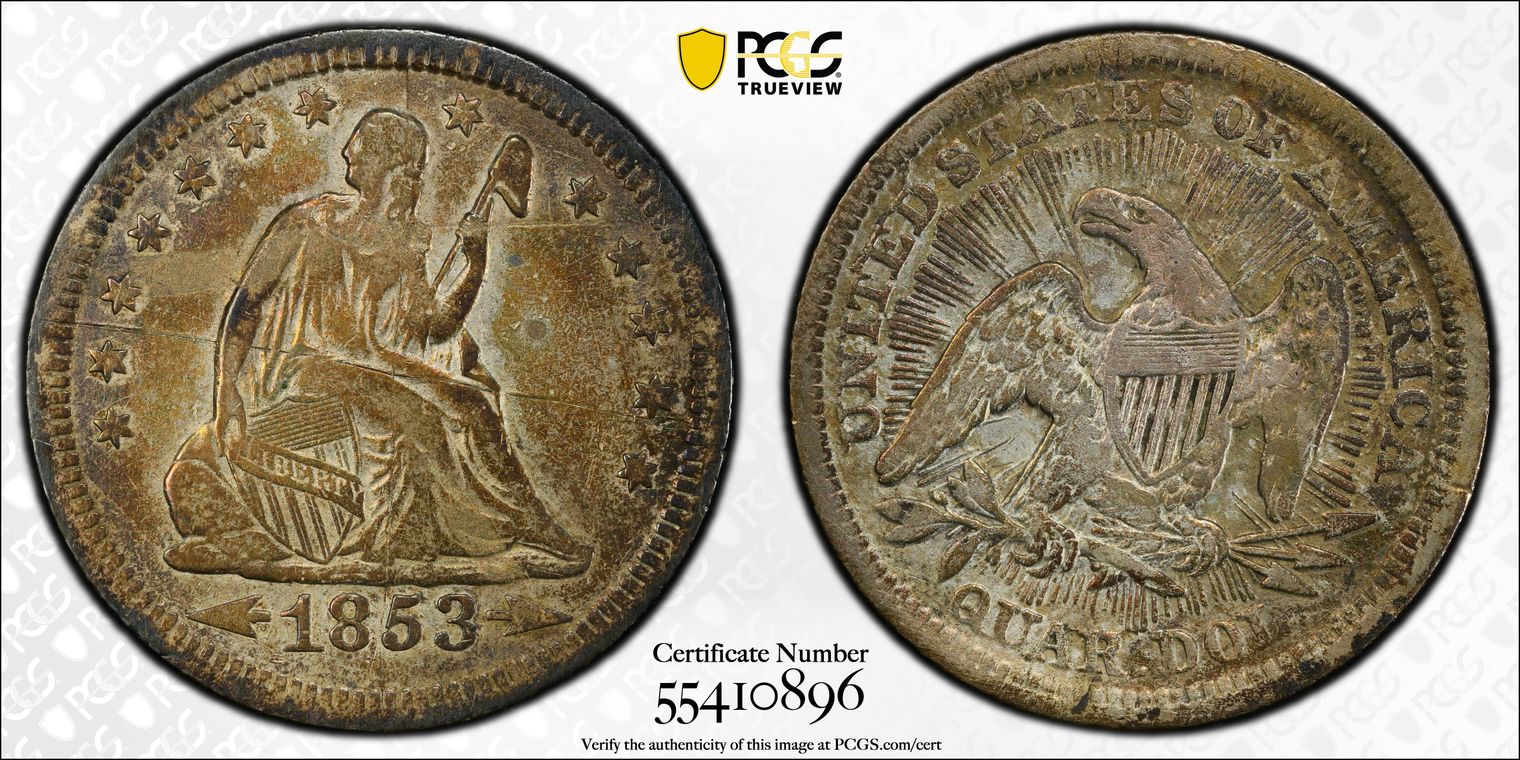
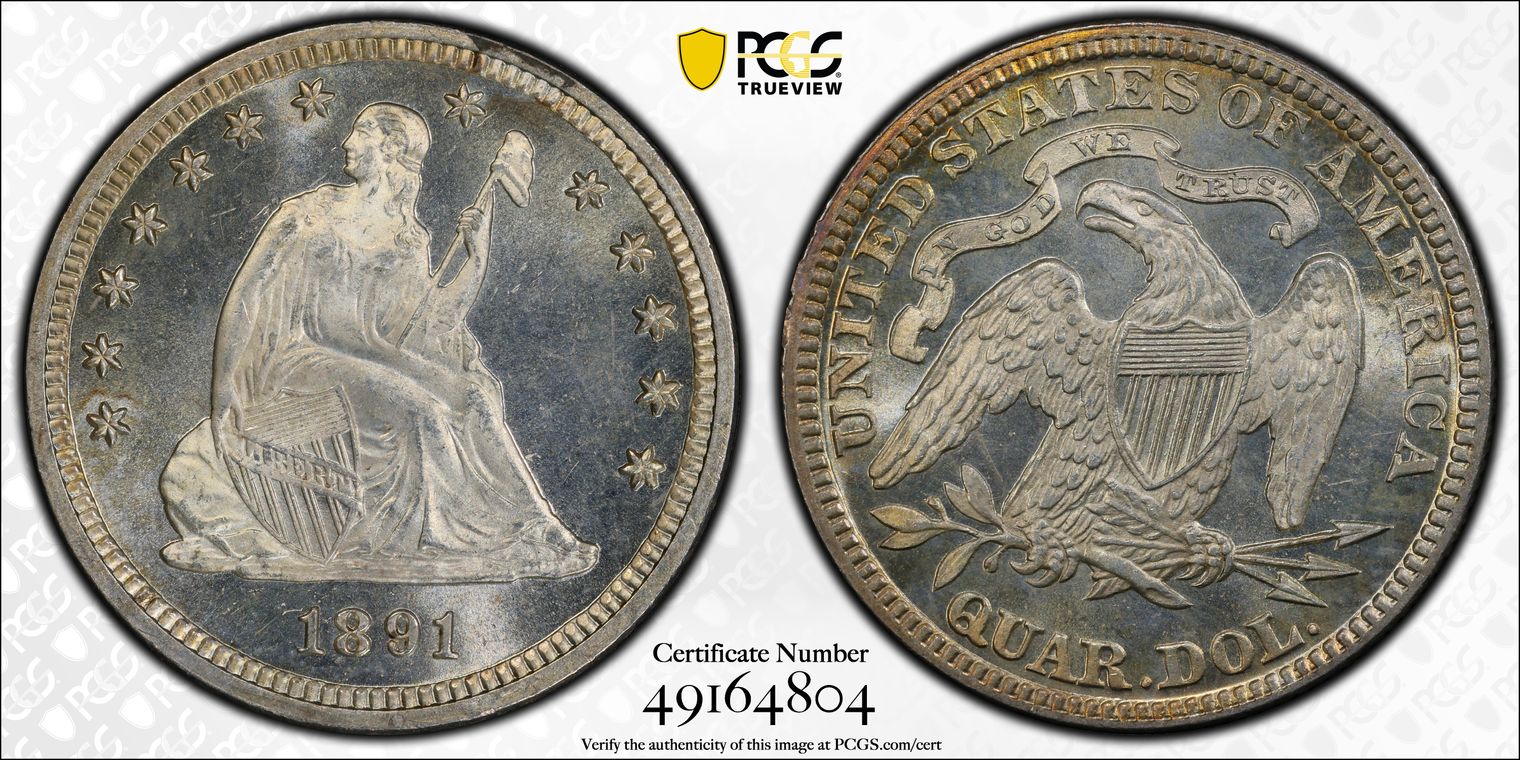
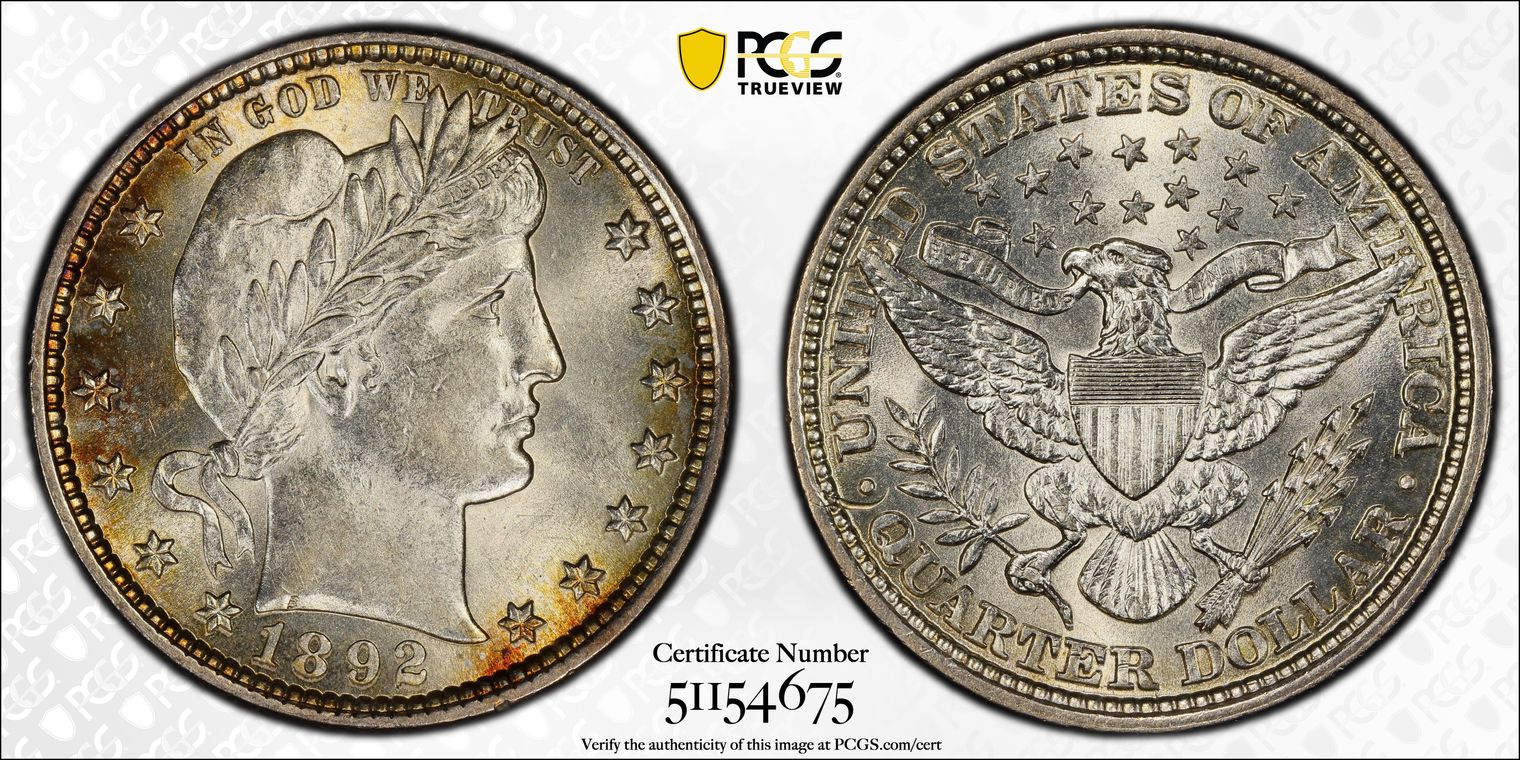
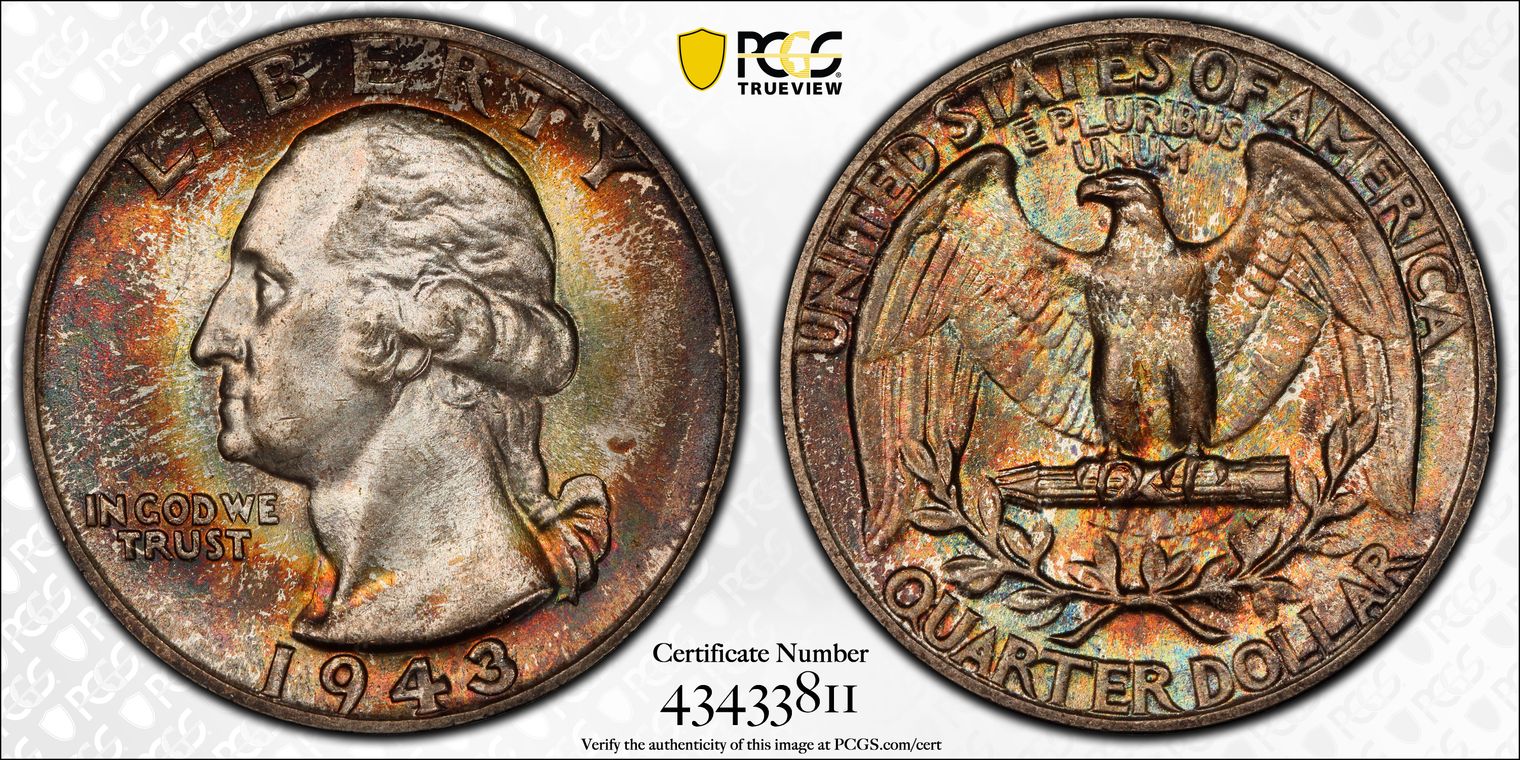
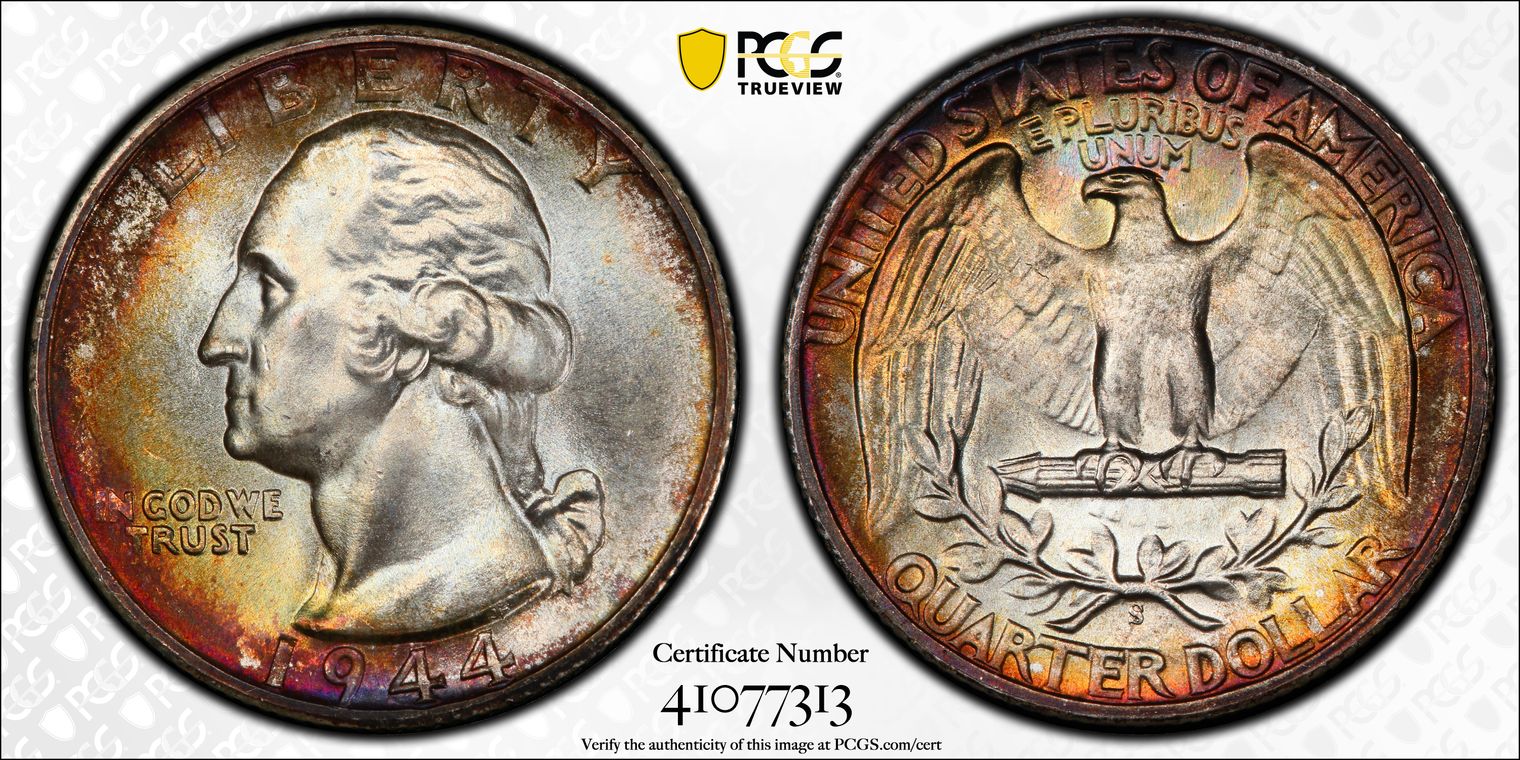
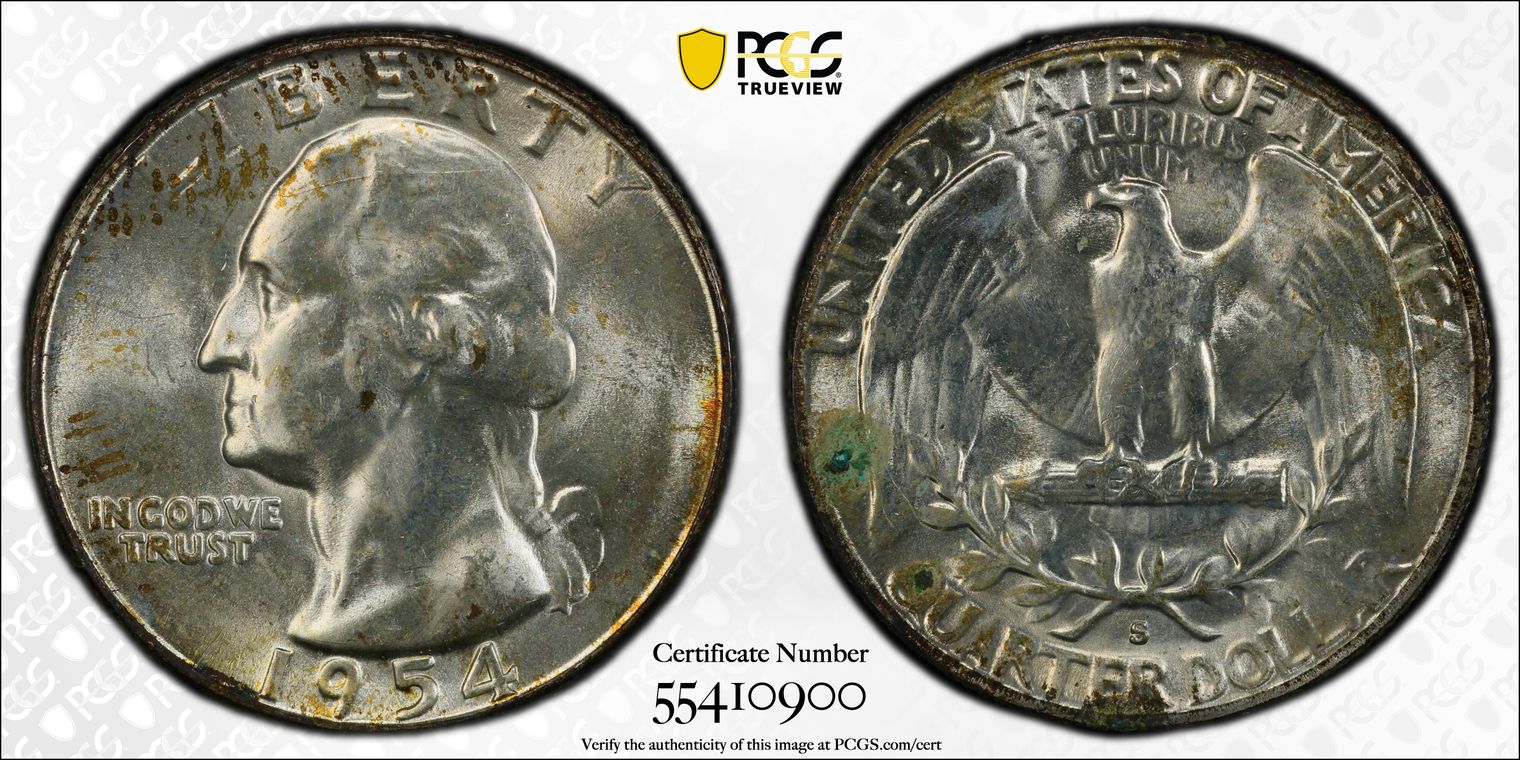
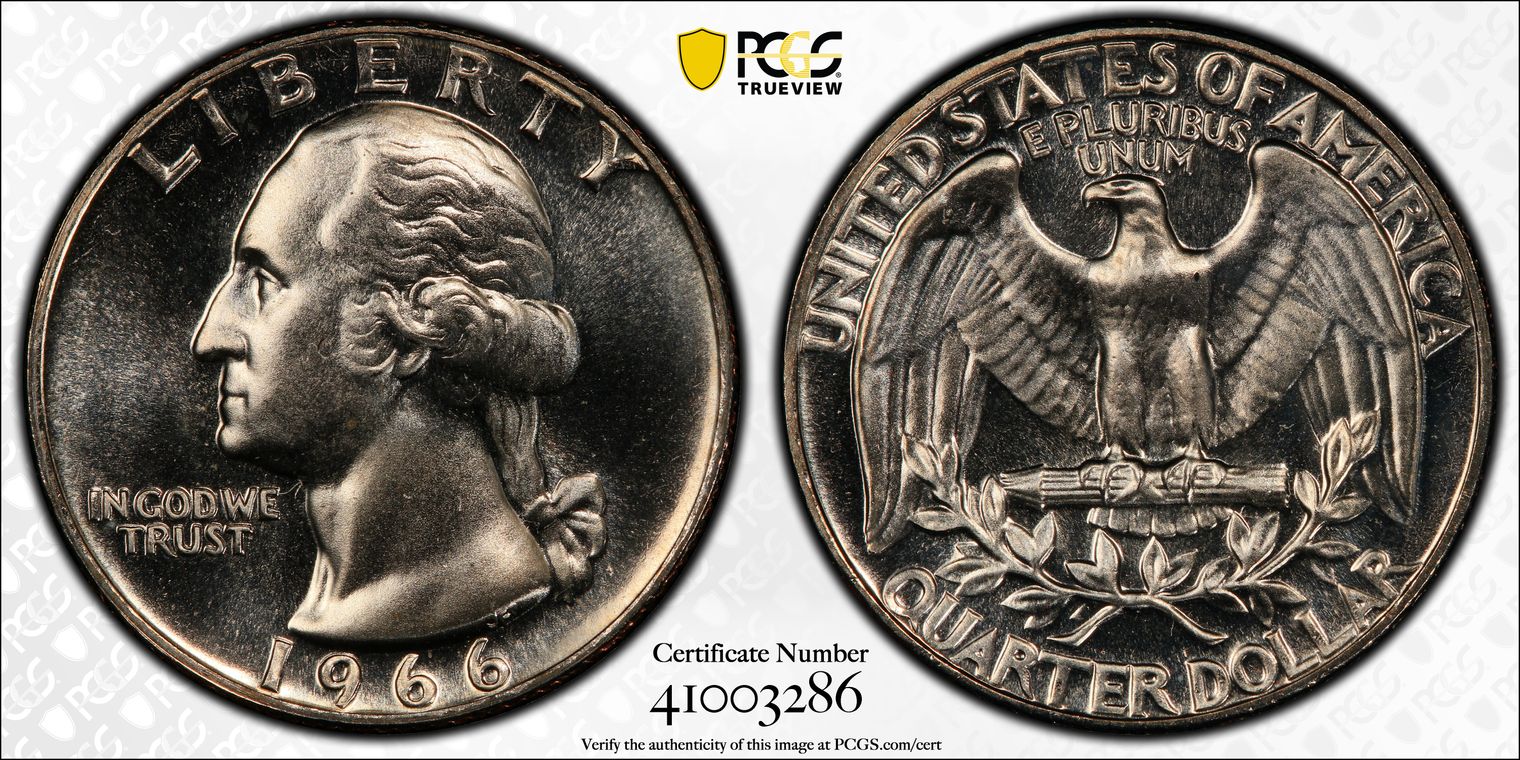
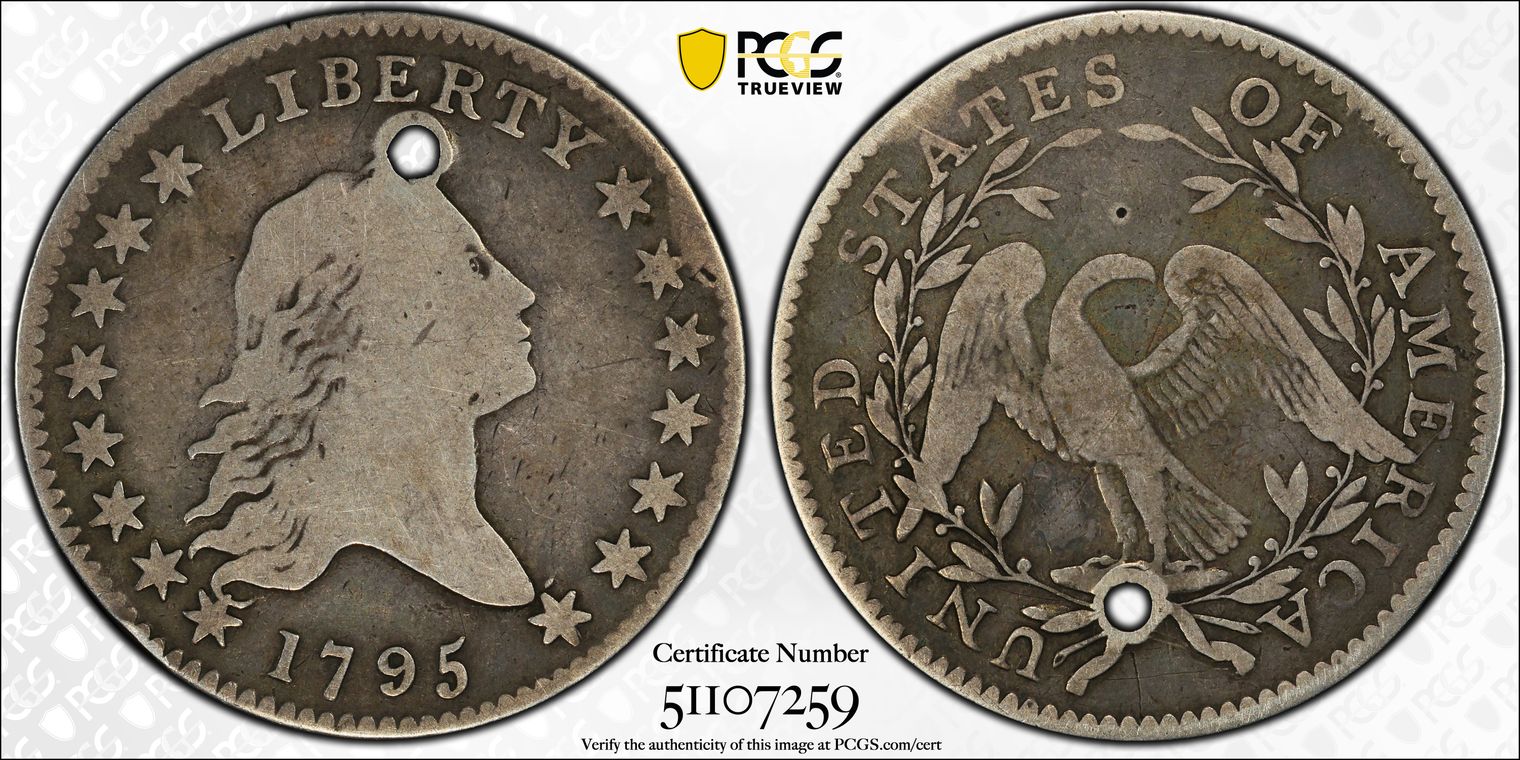
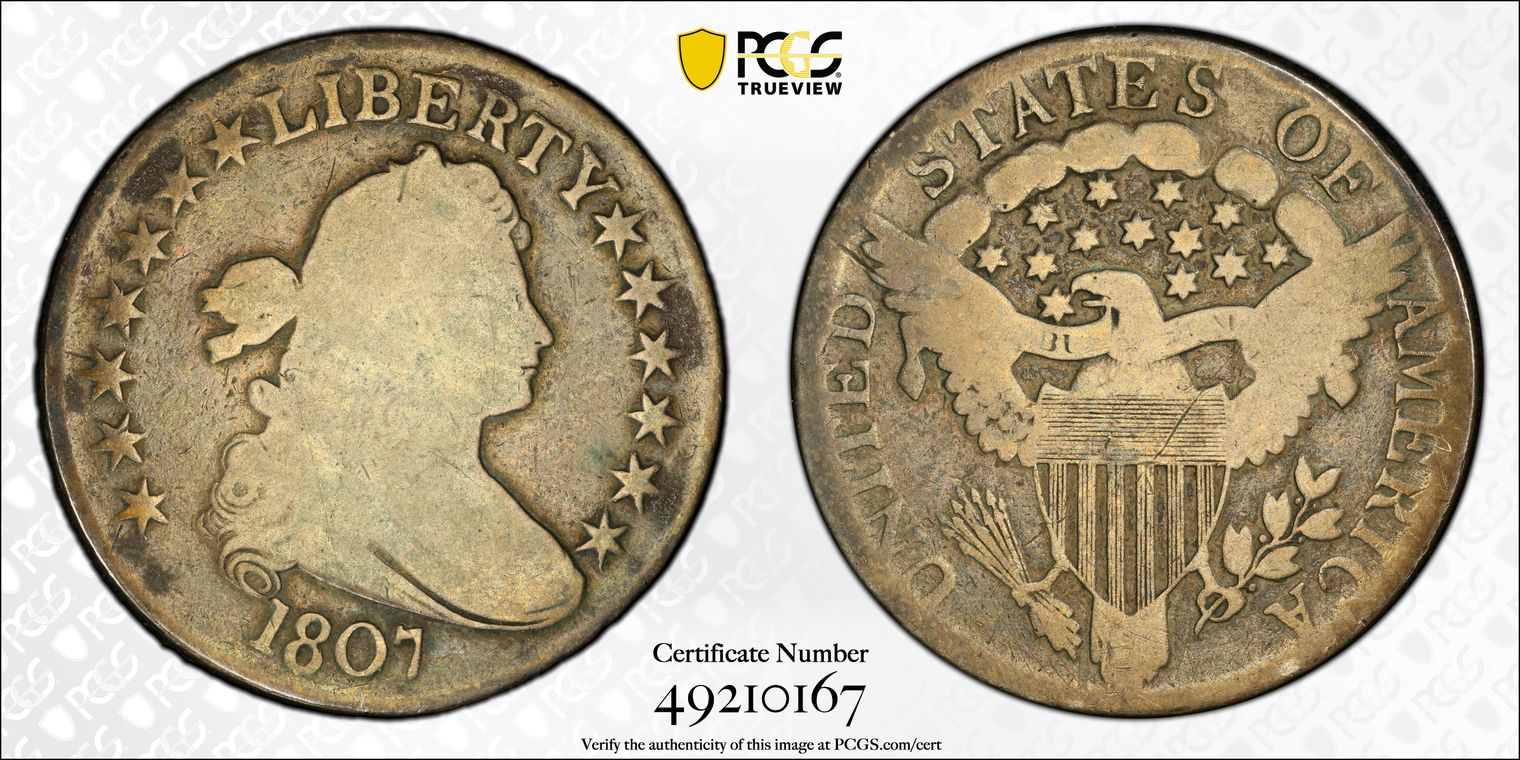
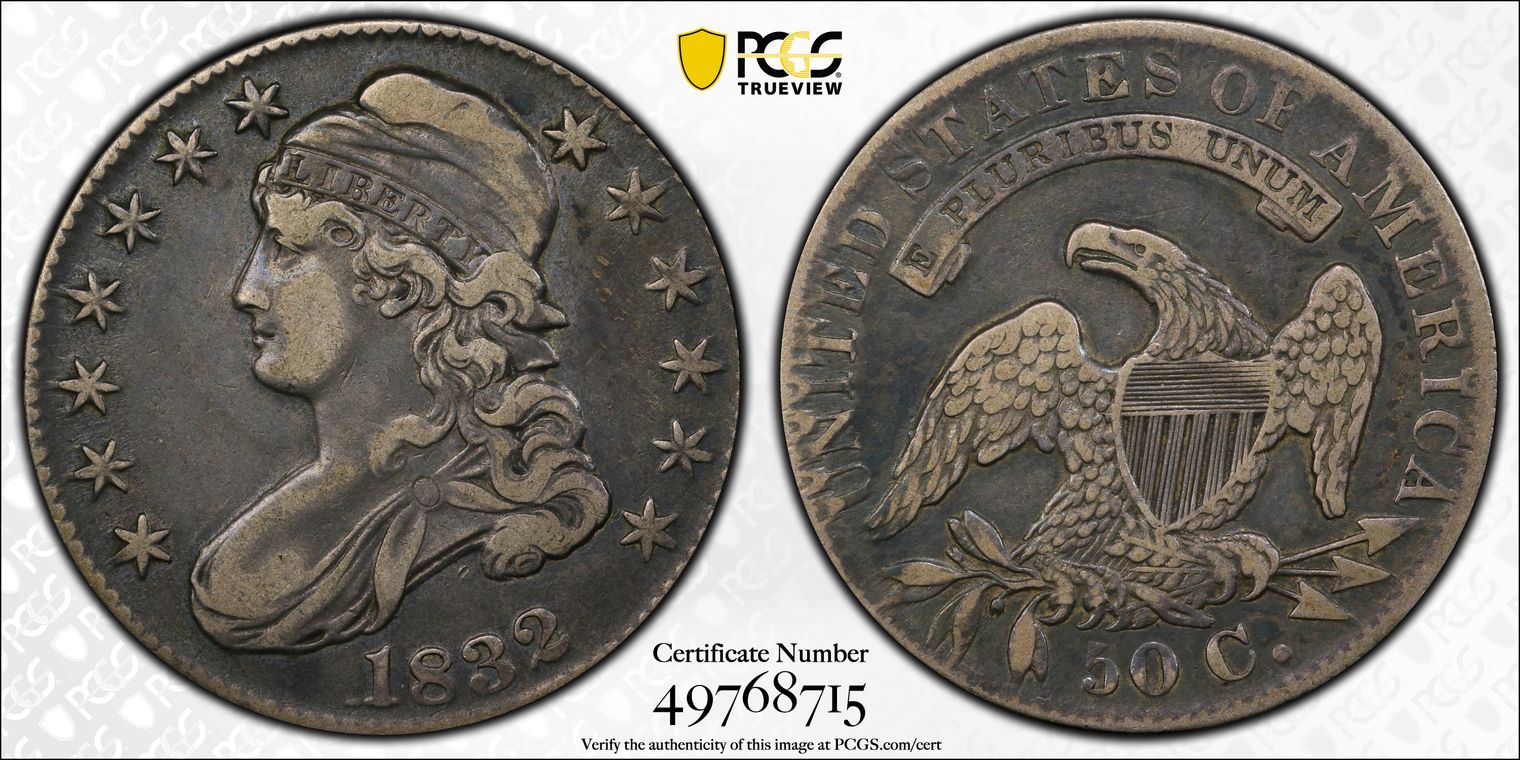
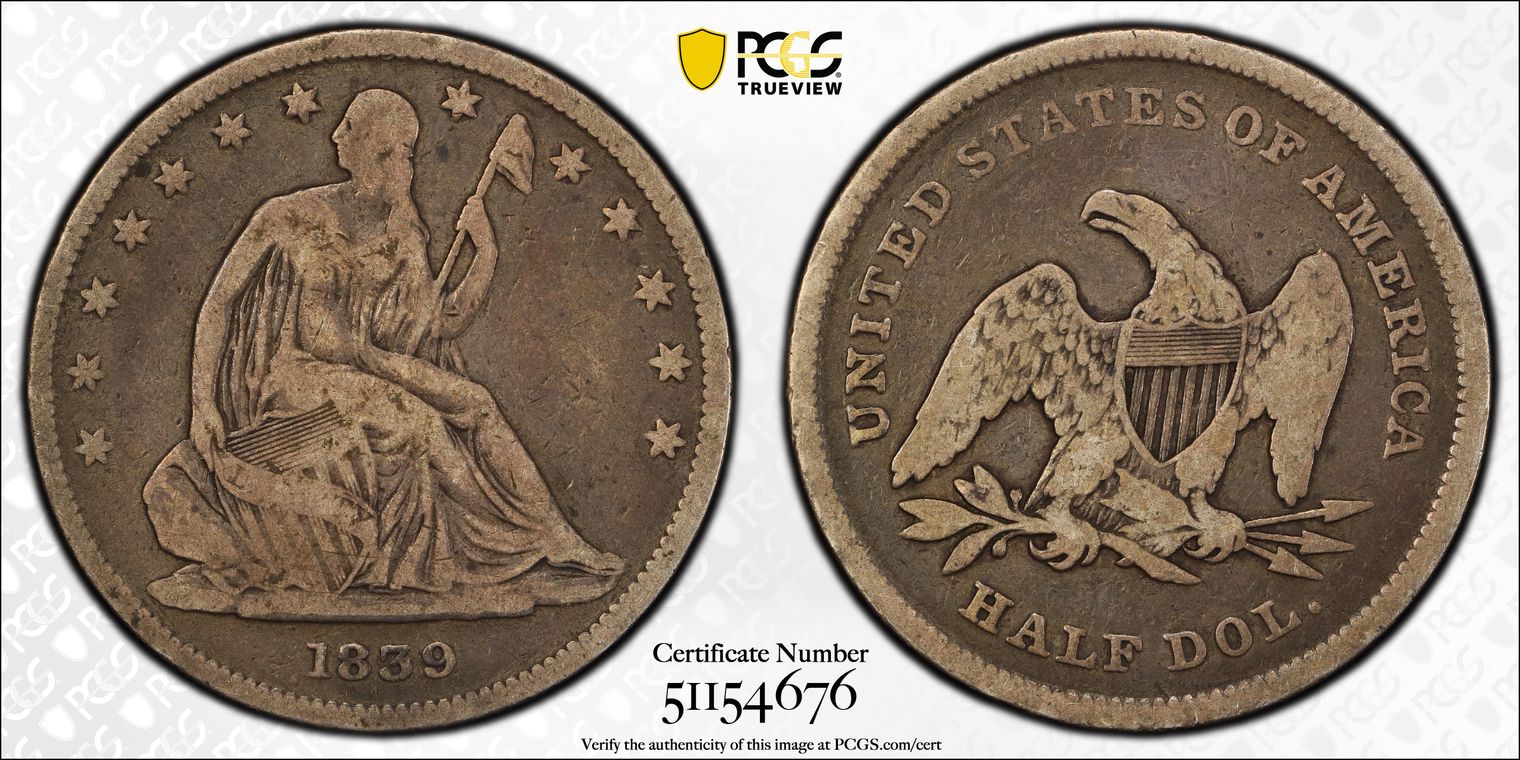
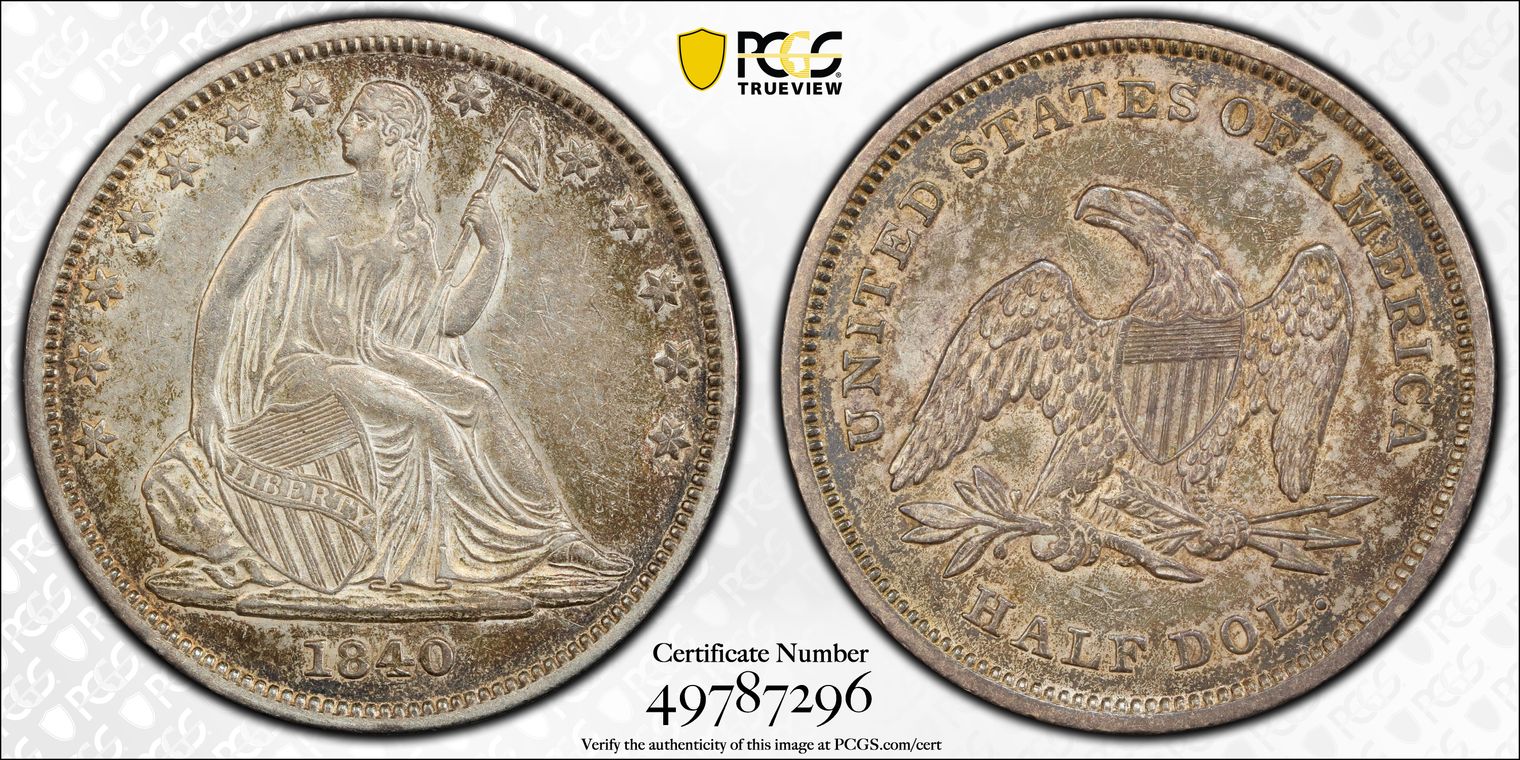
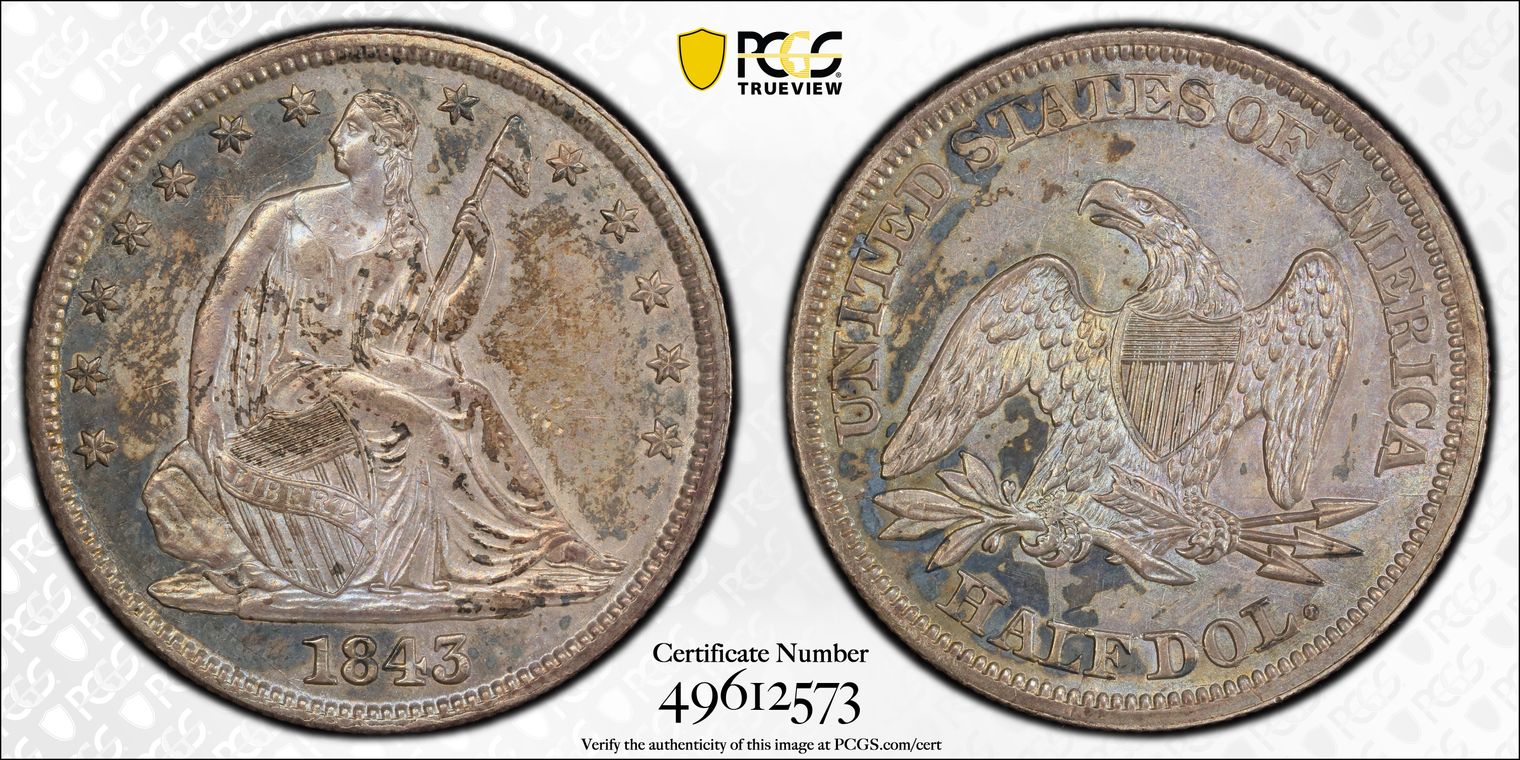
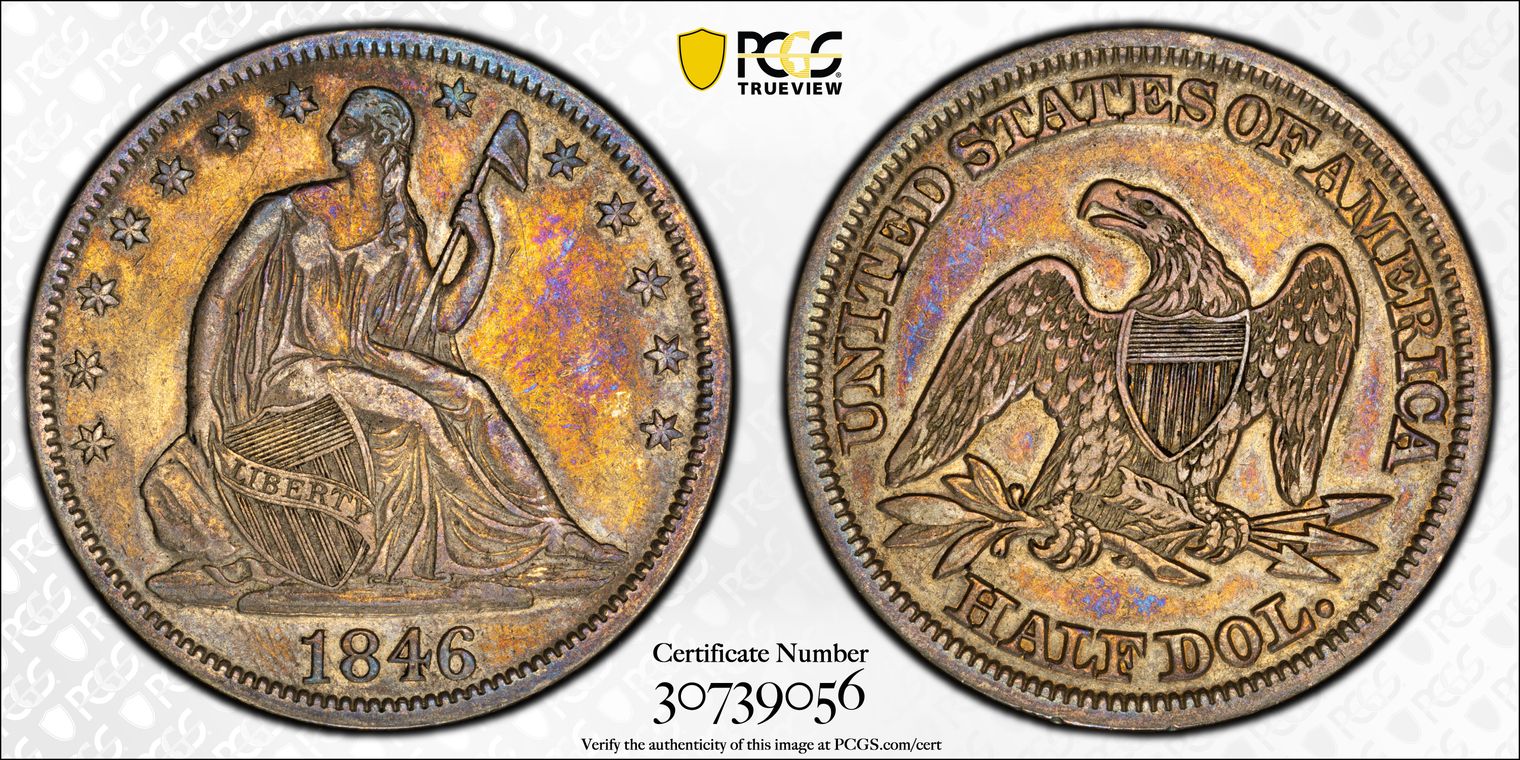
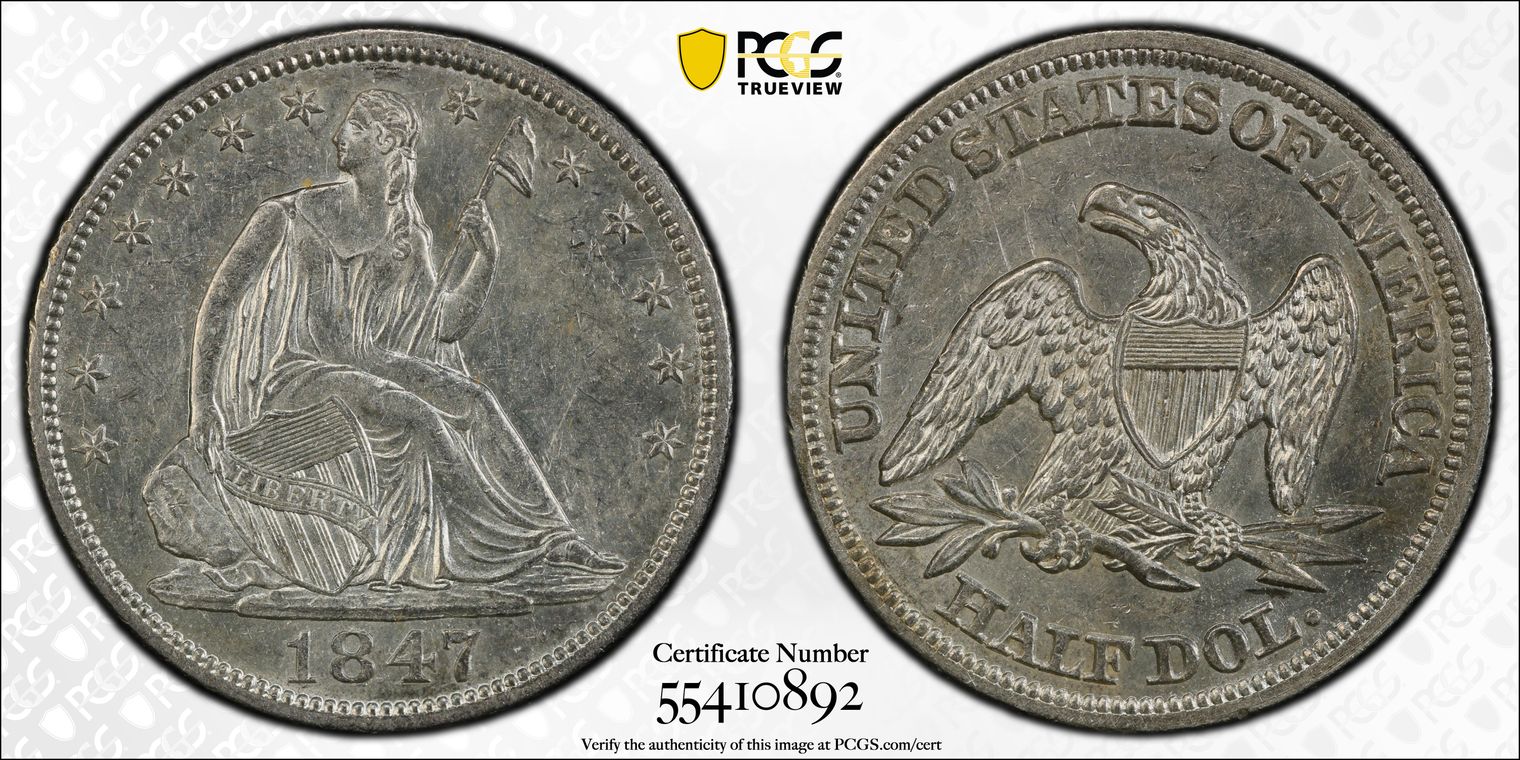
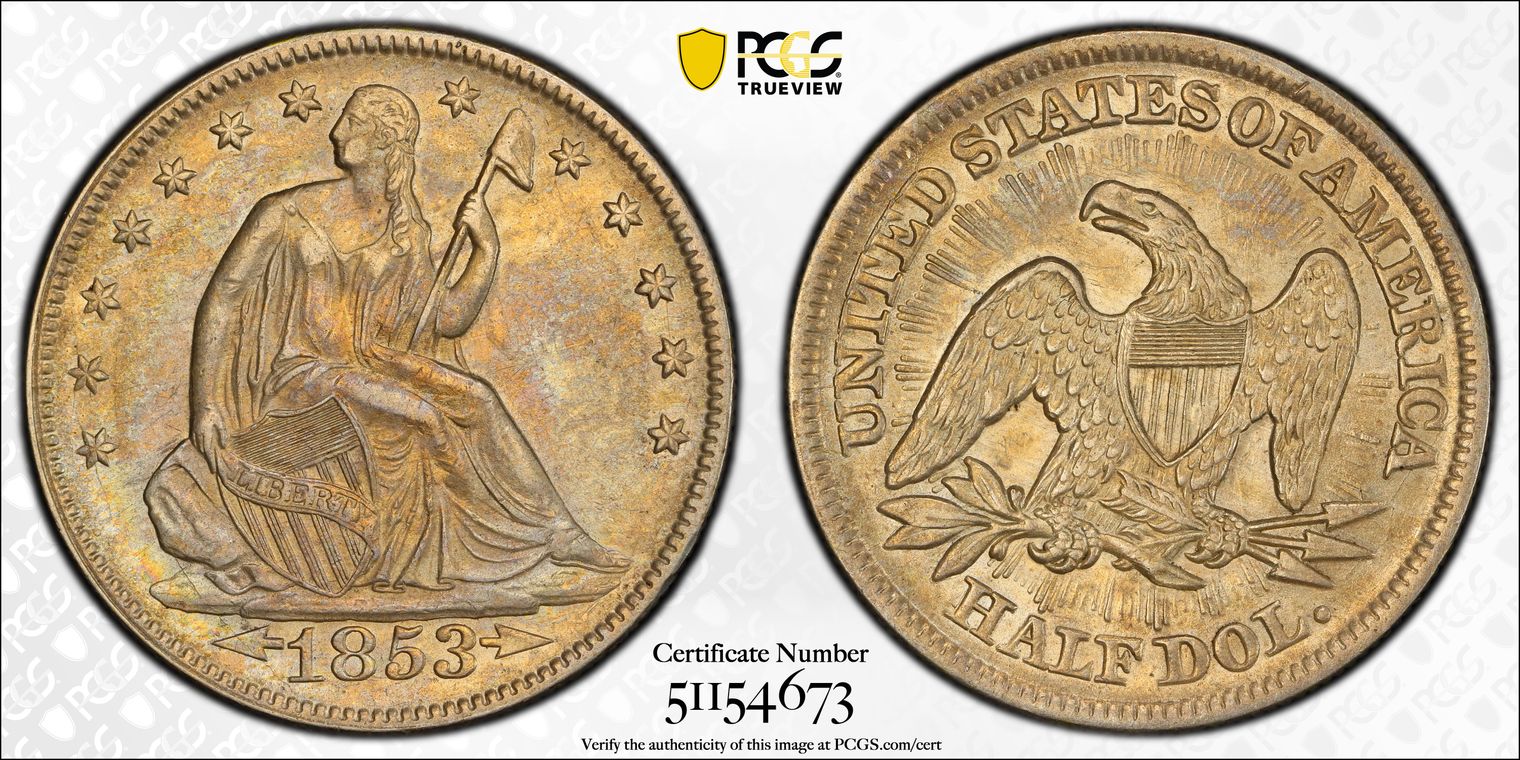
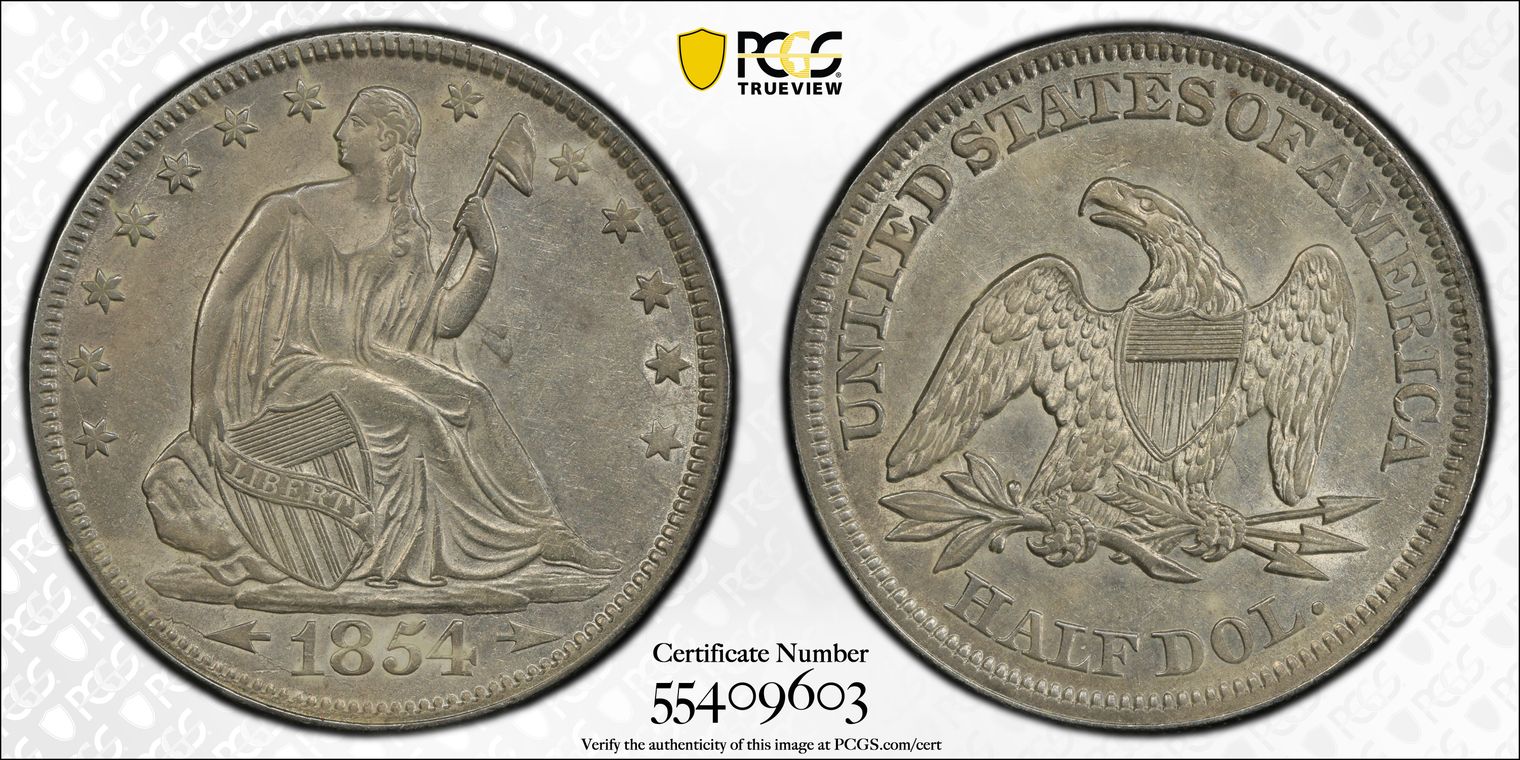
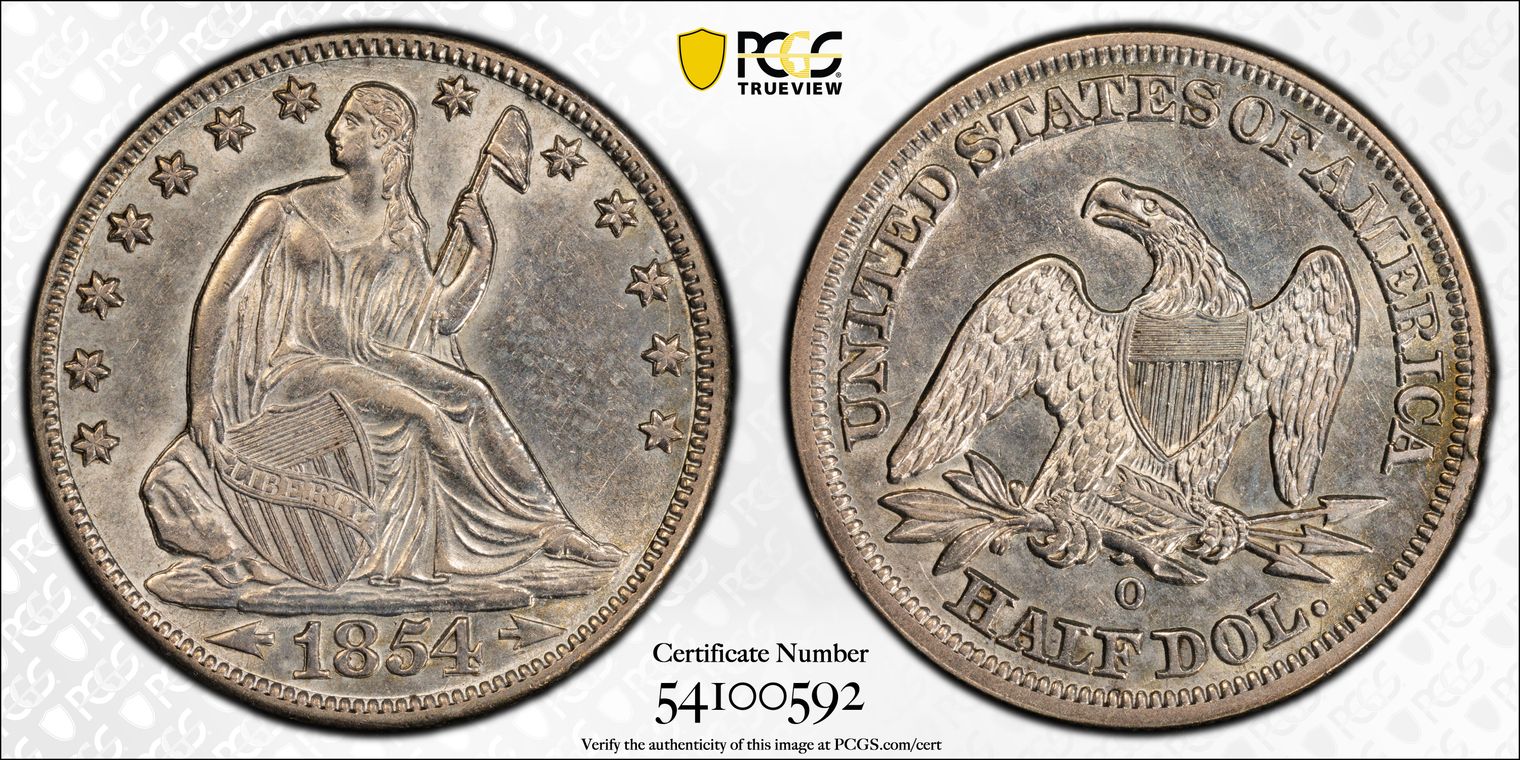
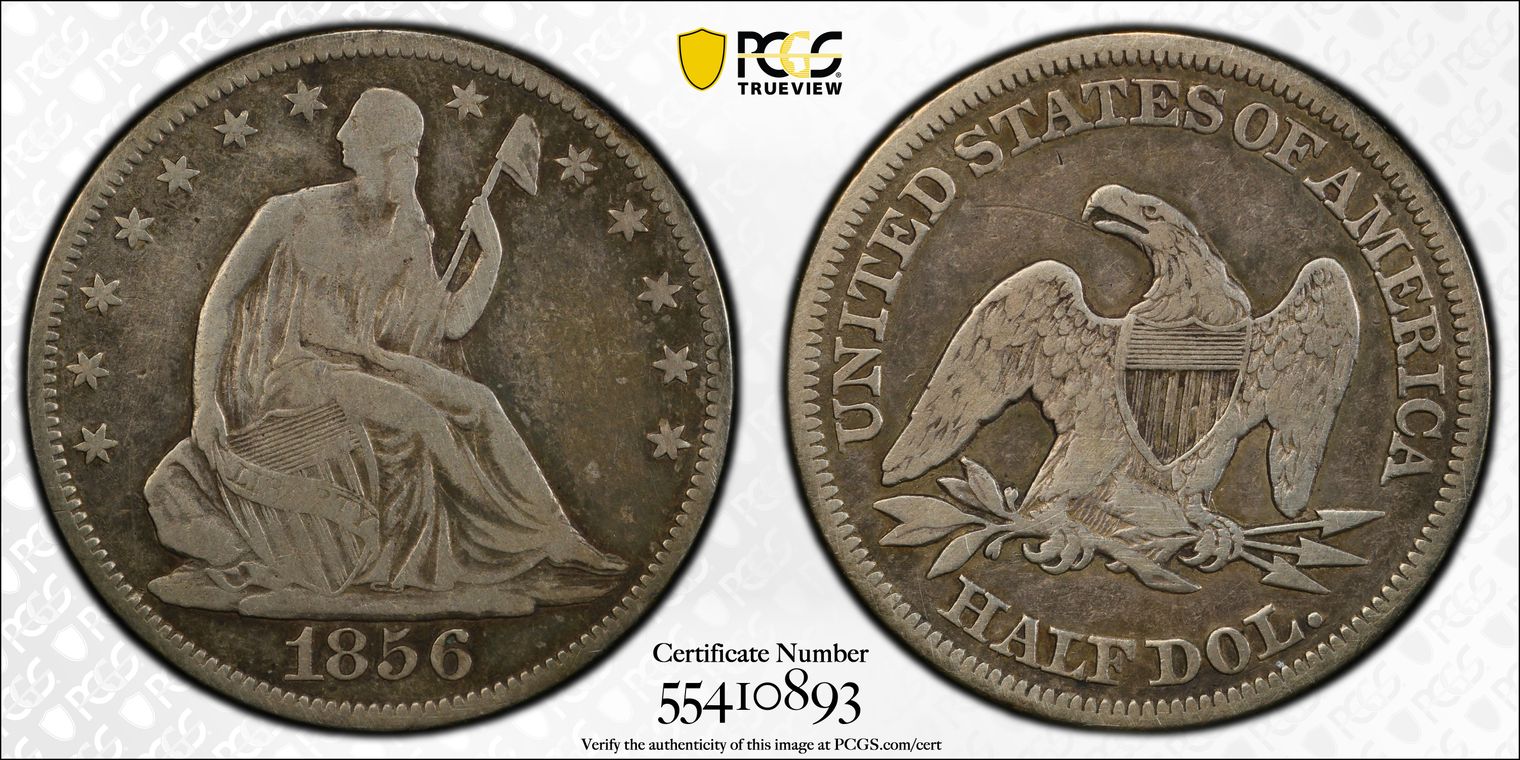
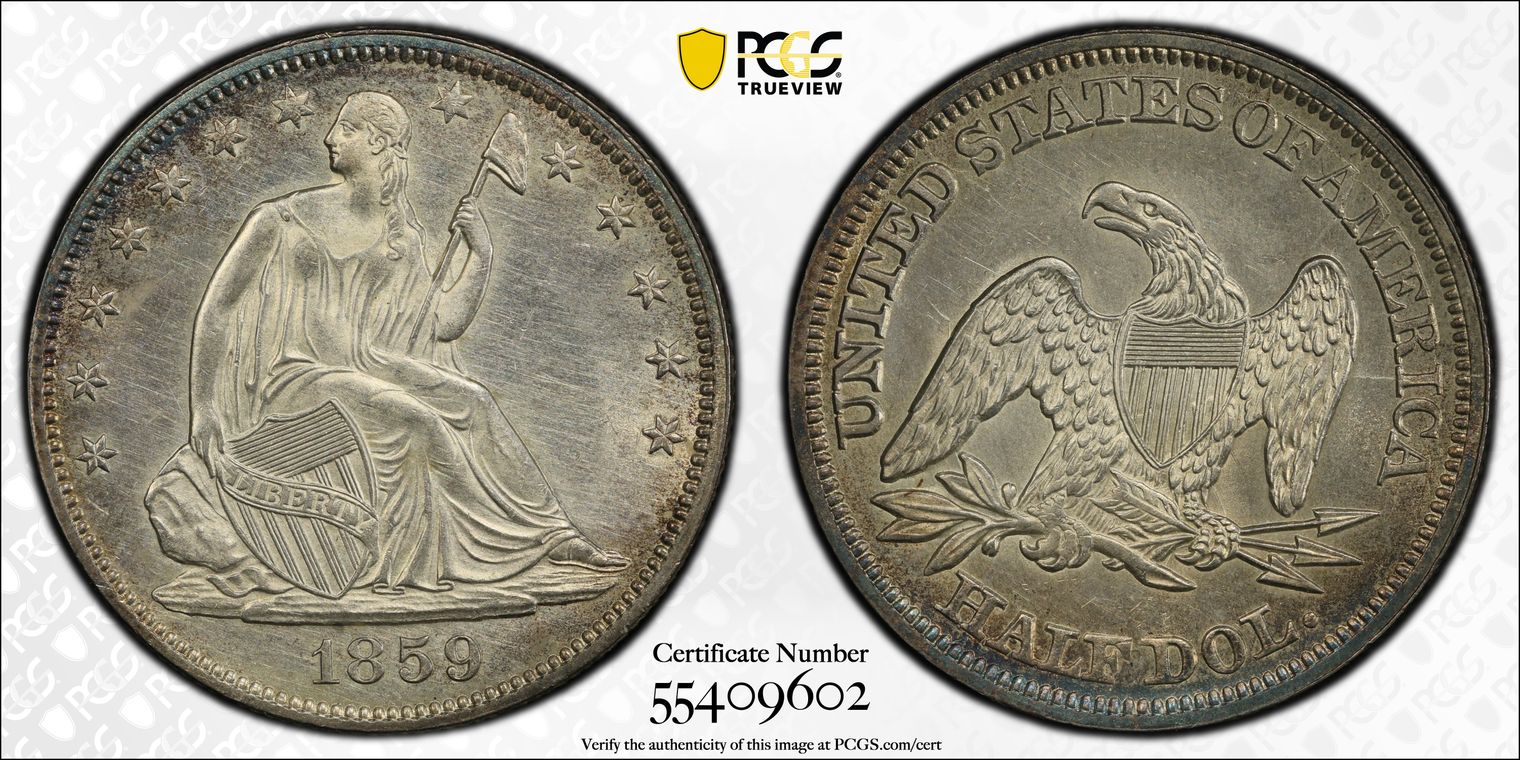
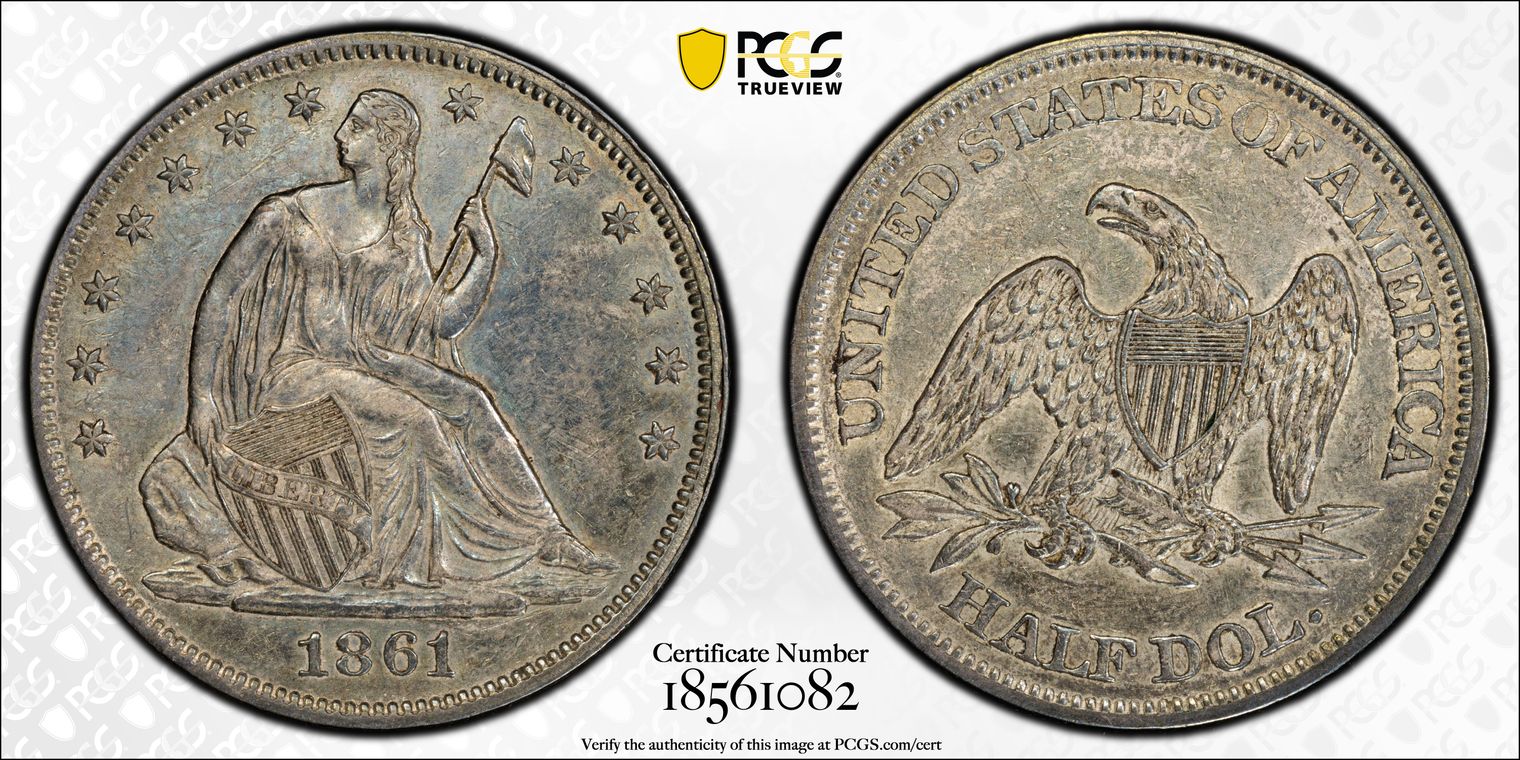
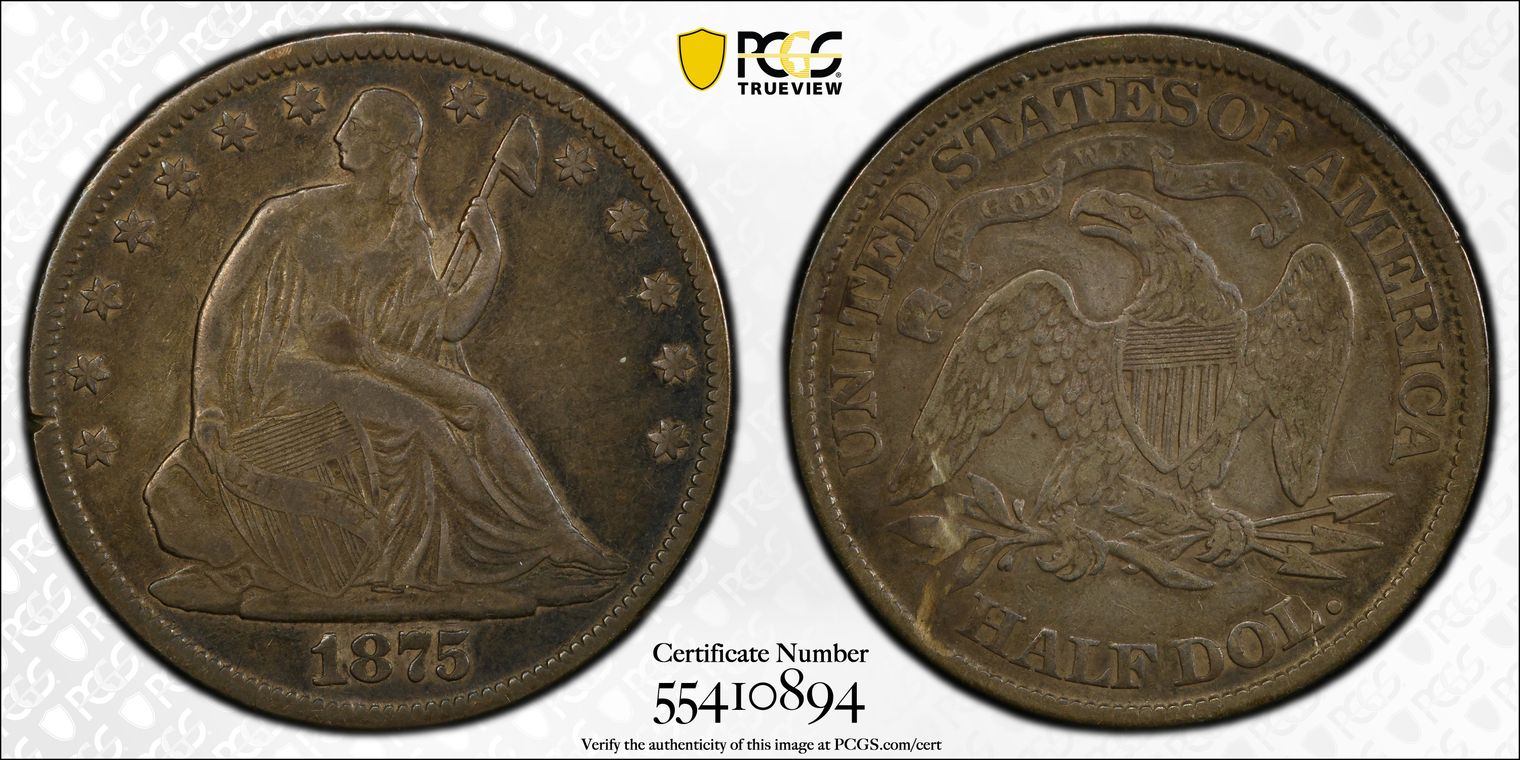
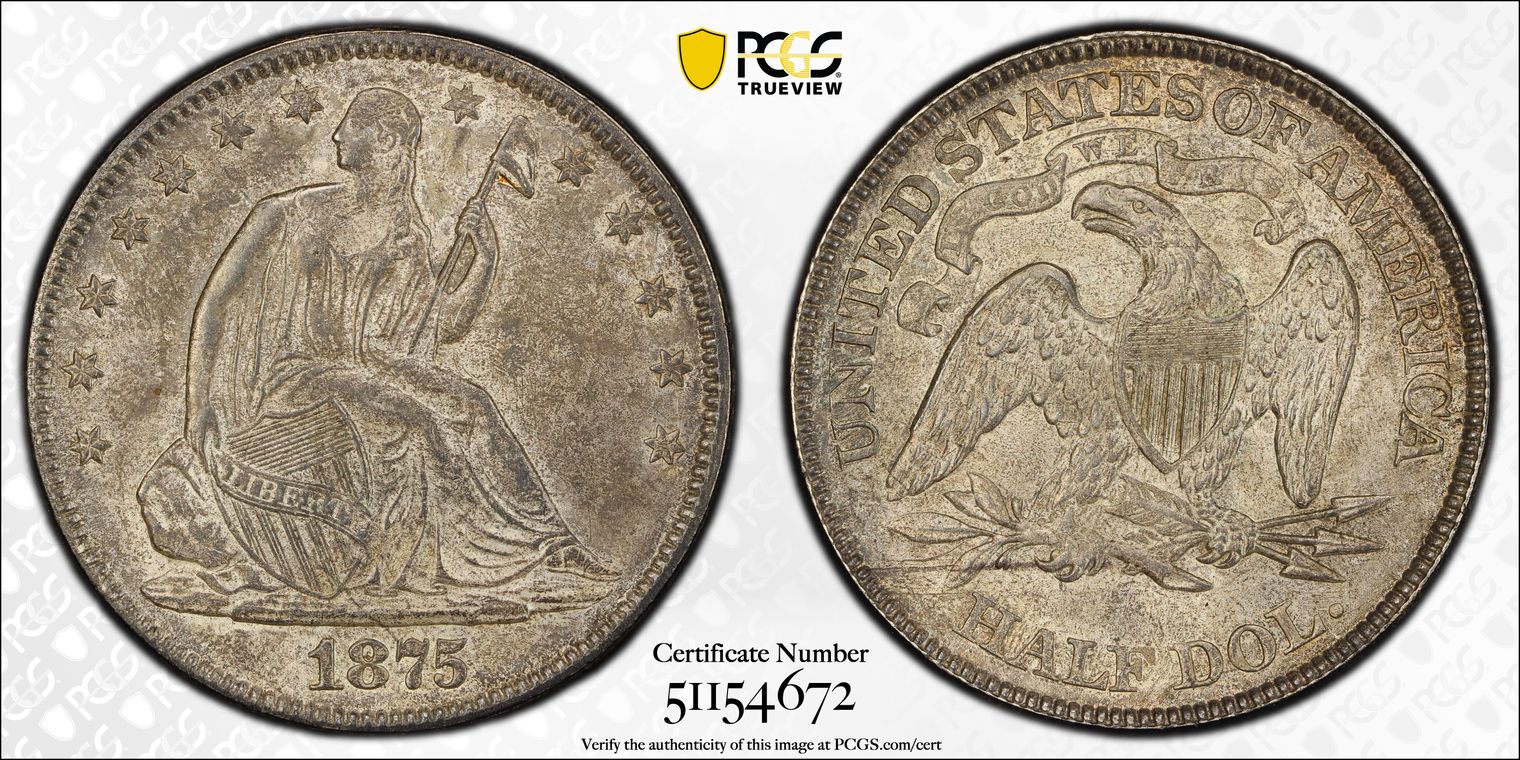
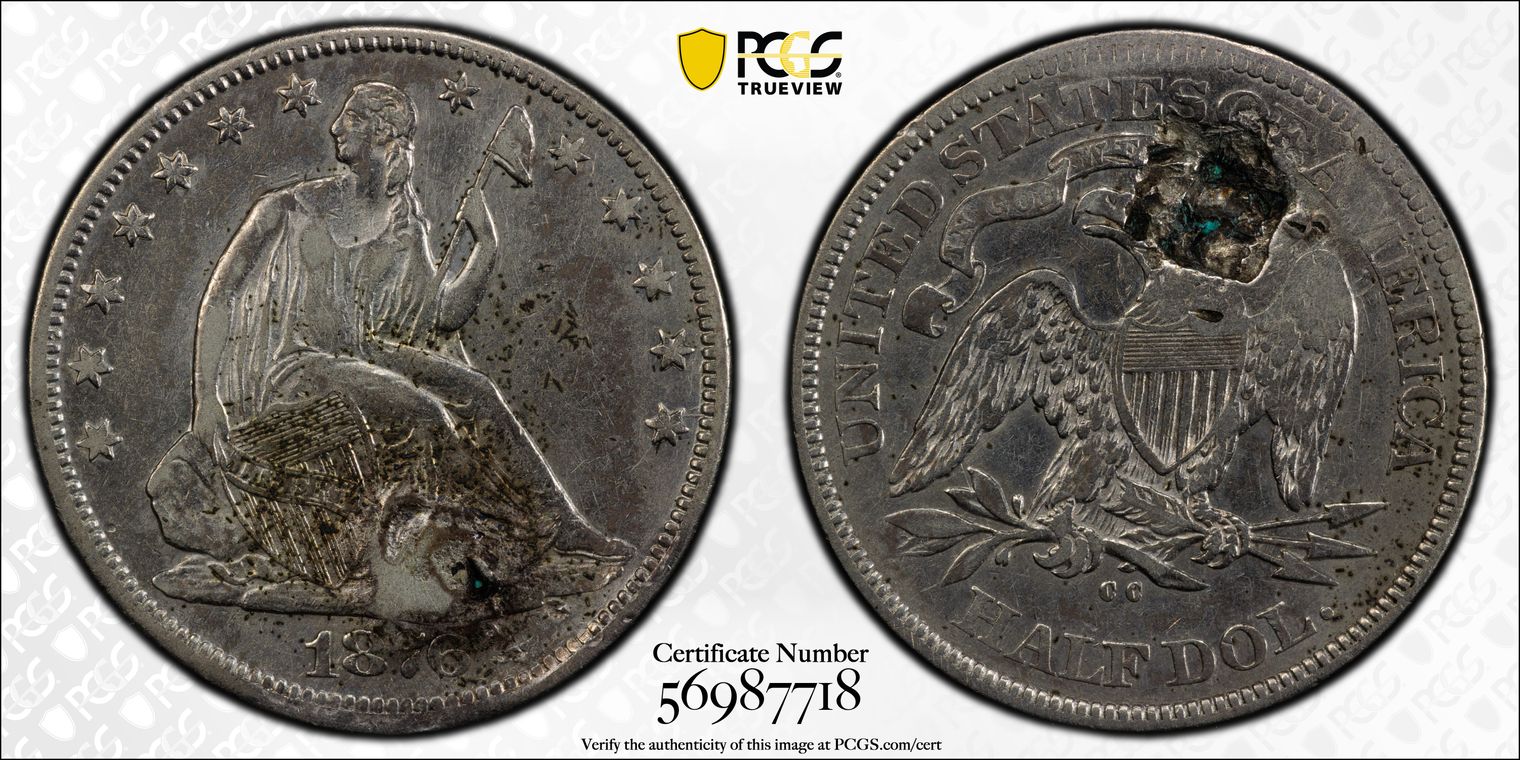
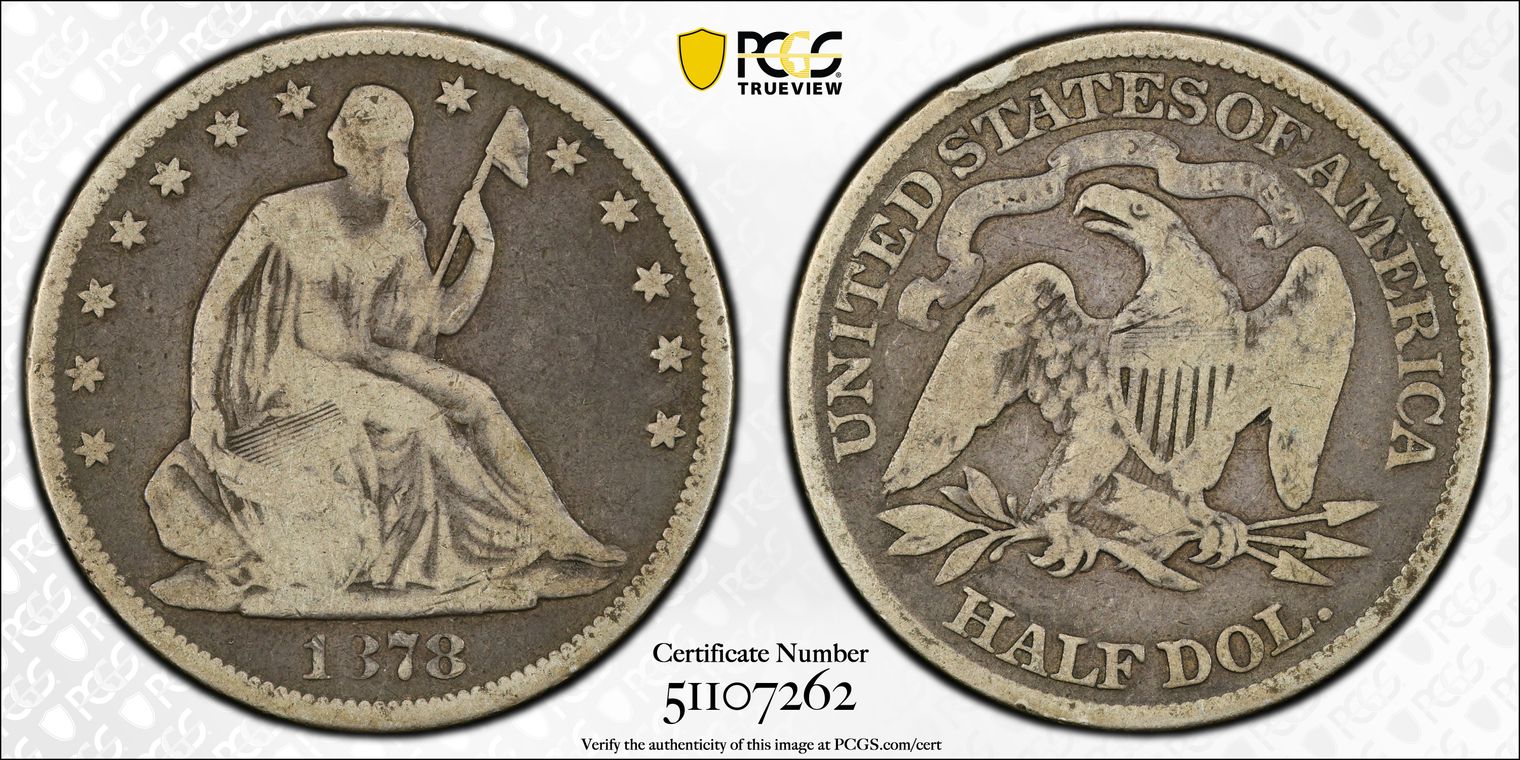
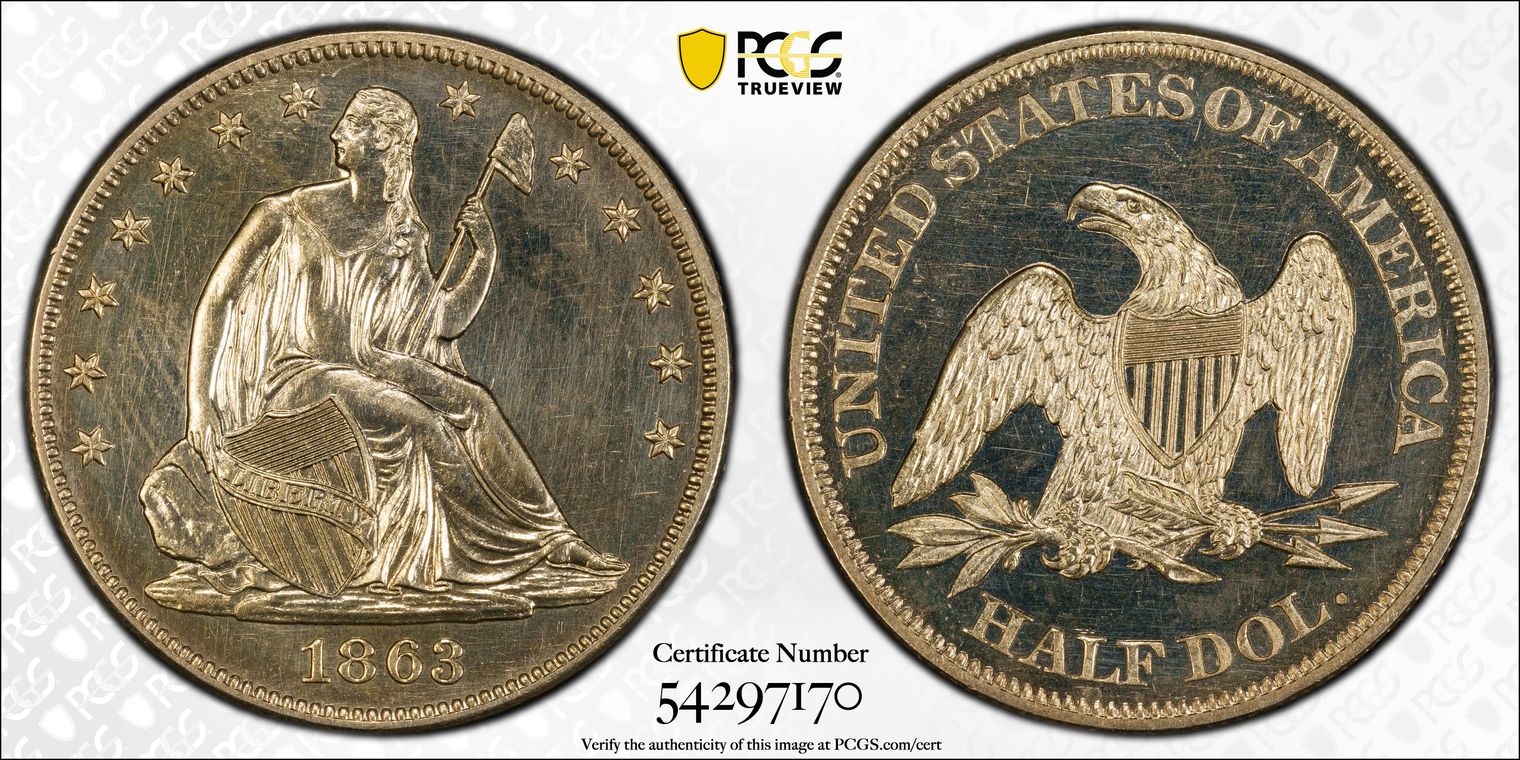
1863 was a pivotal year in the American Civil War, marked by the Emancipation Proclamation, which shifted the war's aim to ending slavery, and the major Union victories at the Battles of Gettysburg and Vicksburg, halting Confederate advances and splitting the South, significantly turning the tide of the war. Other key events included Lee's defeat at Gettysburg, the capture of Vicksburg, violent draft riots in New York City, and the first successful test of a Confederate submarine
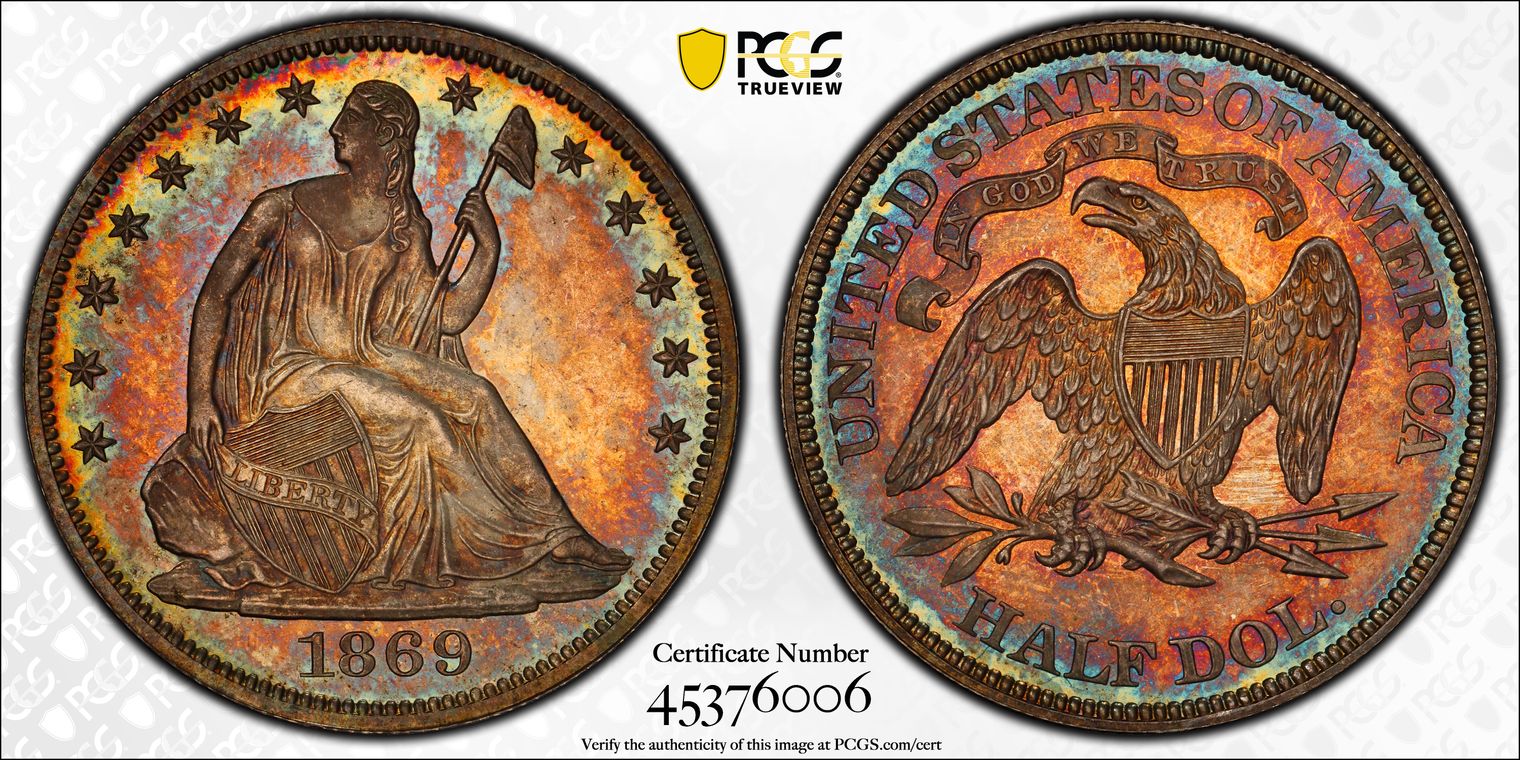
Only a 600 mere proofs were stuck in 1869. It was the year the transcontinental railroad was completed, binding the coasts of a fractured nation. Ulysses S. Grant had just taken office as President, carrying the hopes of a country still healing from war. In this climate of reconstruction and restless ambition, these coins were more than currency—they were delicate emissaries of elegance in an era defined by grit.
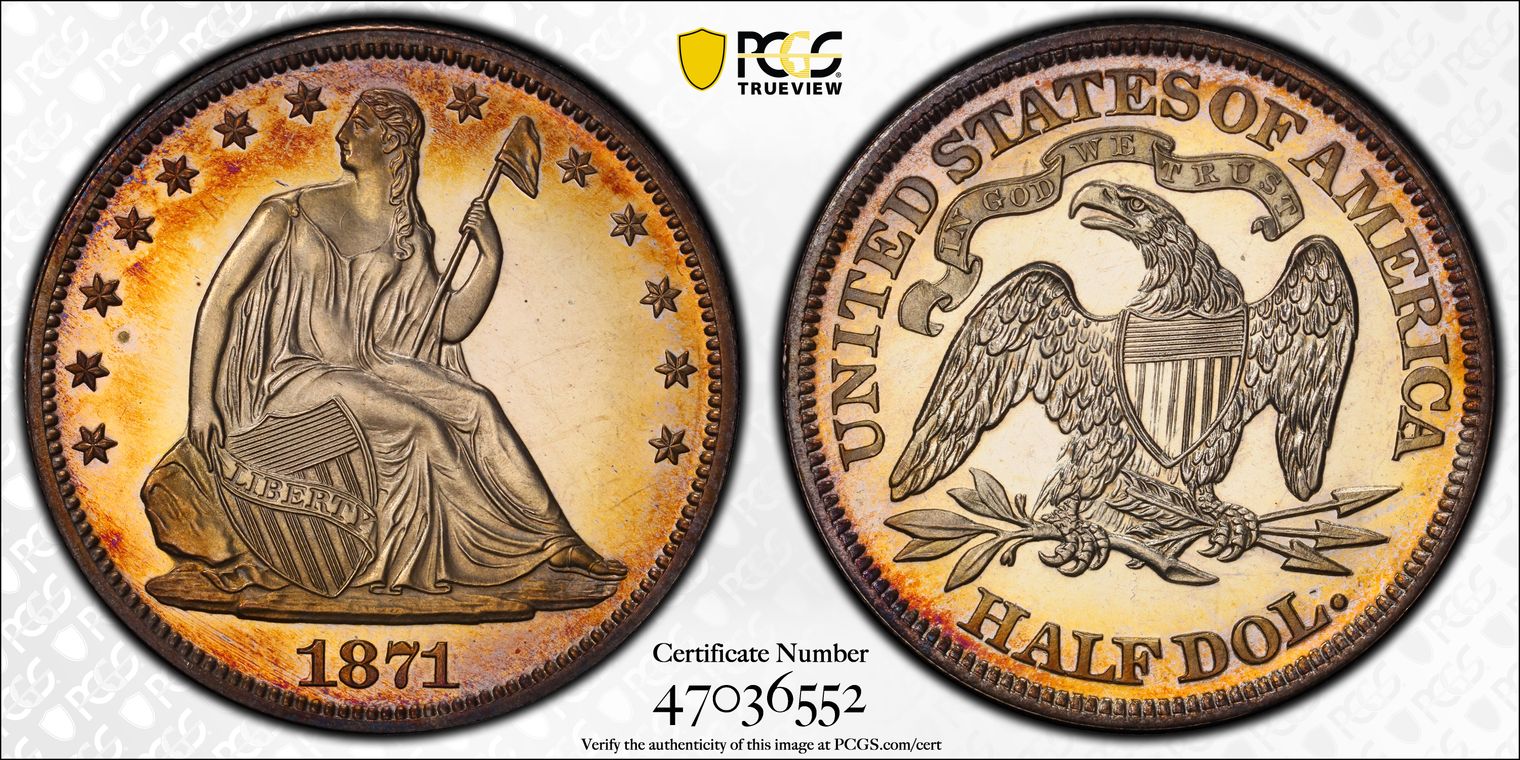
Struck in 1871, this proof Liberty Seated half dollar was born into a world teetering between reason and reinvention. That same year, Lewis Carroll led readers Through the Looking-Glass, Darwin challenged humanity’s origins, and the Great Chicago Fire consumed a city—only to spark its rebirth. 960 proof halves were struck that year—delicate artifacts from a time when the world questioned what was real and what could be imagined. This example glows with soft golden toning that pools at the edges like lantern light in a dream—fleeting, surreal, and quietly enchanting. Its mirrored fields remain calm and reflective, preserving a sense of dignity and grace in an age shaped by beauty, chaos, and discovery.
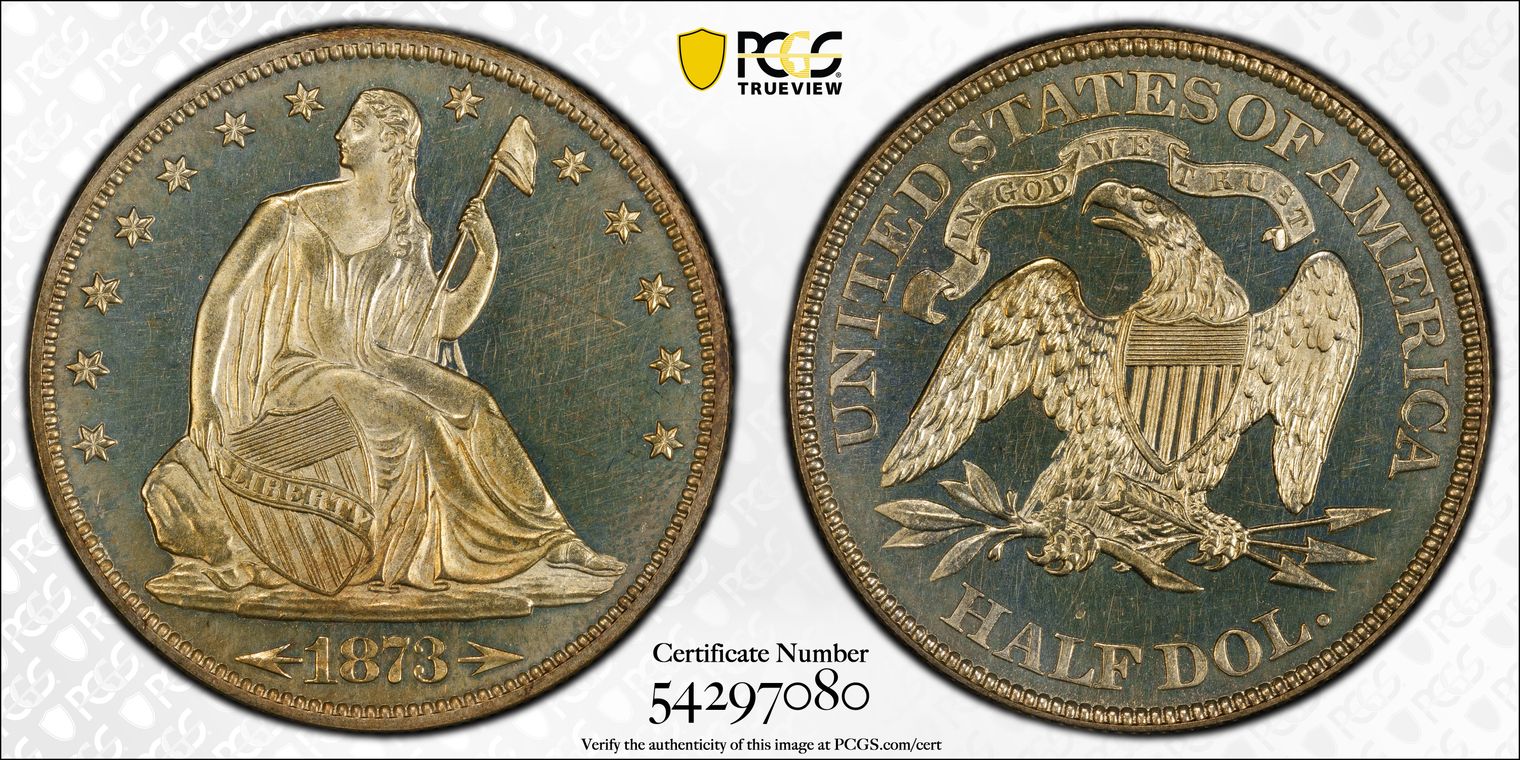
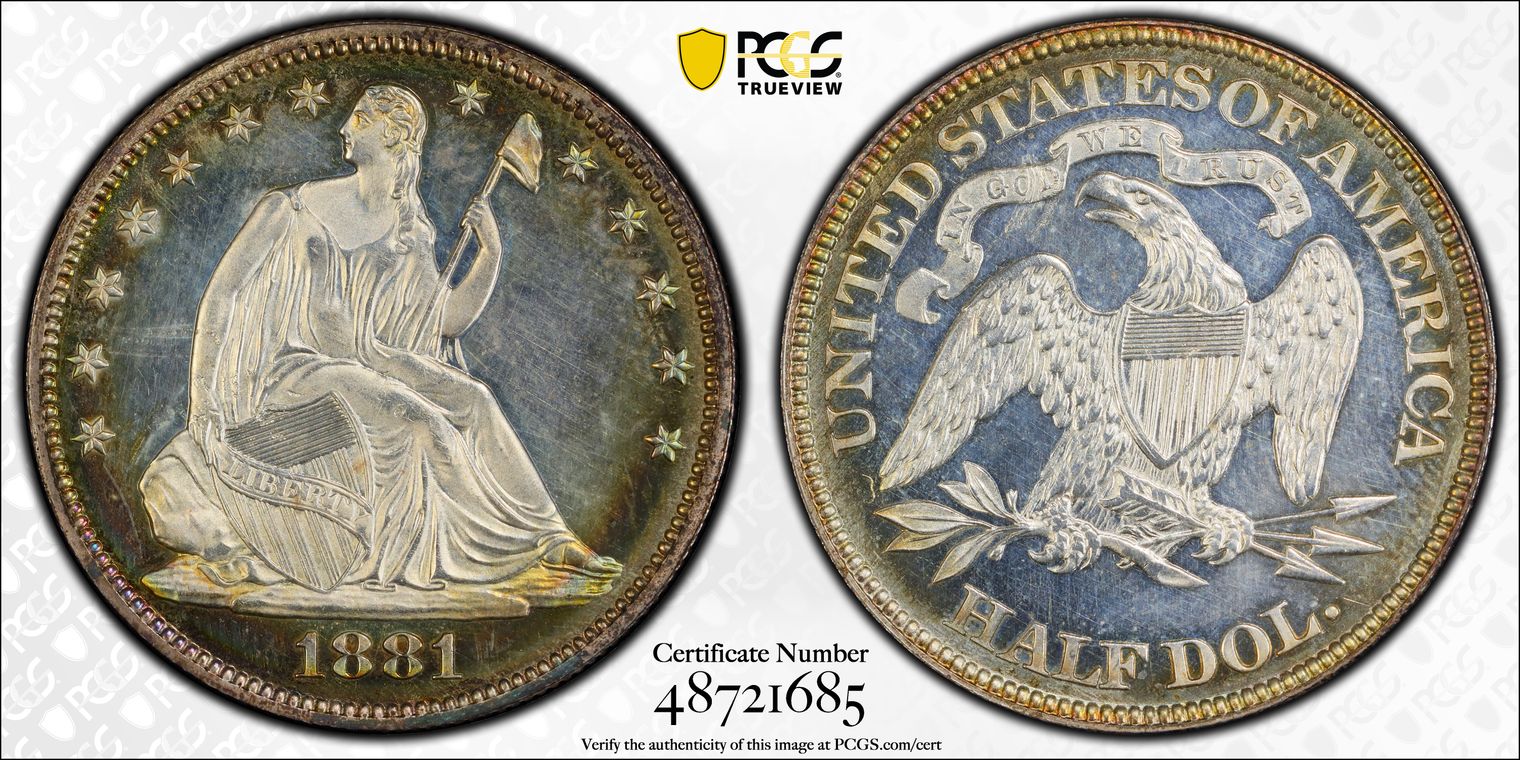
This 1881 proof half dollar is a bit of a paradox—flawed, yet quietly captivating. It once bore a distracting streak, professionally removed—something I’d usually avoid. But this piece won me over with its warm golden toning along the periphery and a subtle, dignified cameo that brings Liberty to life. The TrueView image captures its depth, grace, and atmosphere. Its imperfections whisper of the journey it’s taken to survive nearly a century and a half. There’s a quiet ‘wu’ to it—a presence that feels earned, not manufactured—making it all the more compelling.
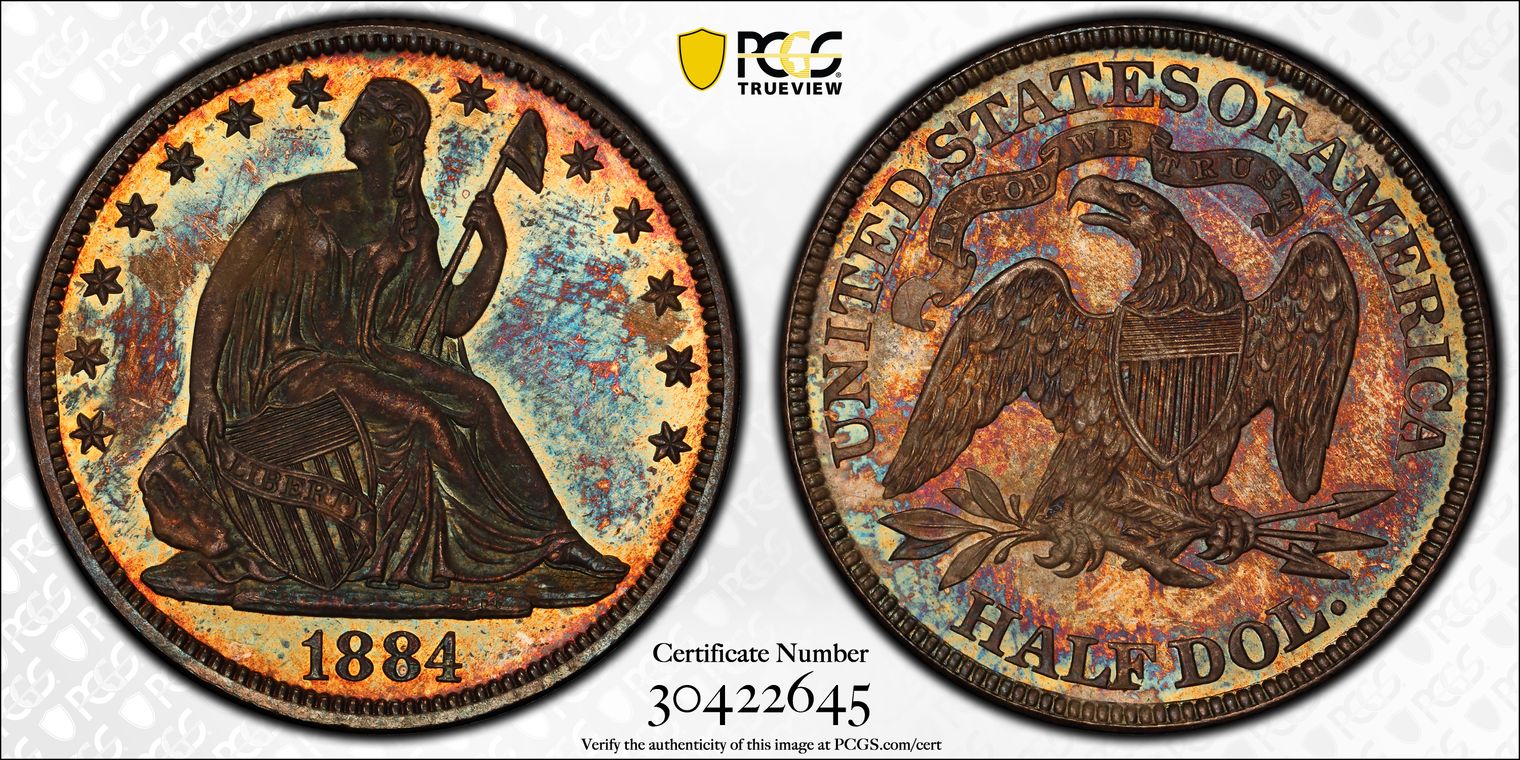
One of just 875 proofs issued in 1884—a rare remnant from the final years of the series, as America stepped boldly into the electric age. That same year, Mark Twain published The Adventures of Huckleberry Finn, and Thomas Edison’s incandescent lights began spreading through city streets, transforming night itself. It was a time of invention, energy, and a new kind of wonder. This PR65 example embodies that spirit with striking visual drama. Liberty appears in deep silhouette, toned by time into near shadow, while the fields blaze in vibrant contrast—flashes of yellow, gold, and cobalt, evoking both fire and ice. The result is atmospheric and unforgettable, like a stage lit in contrast and tension.
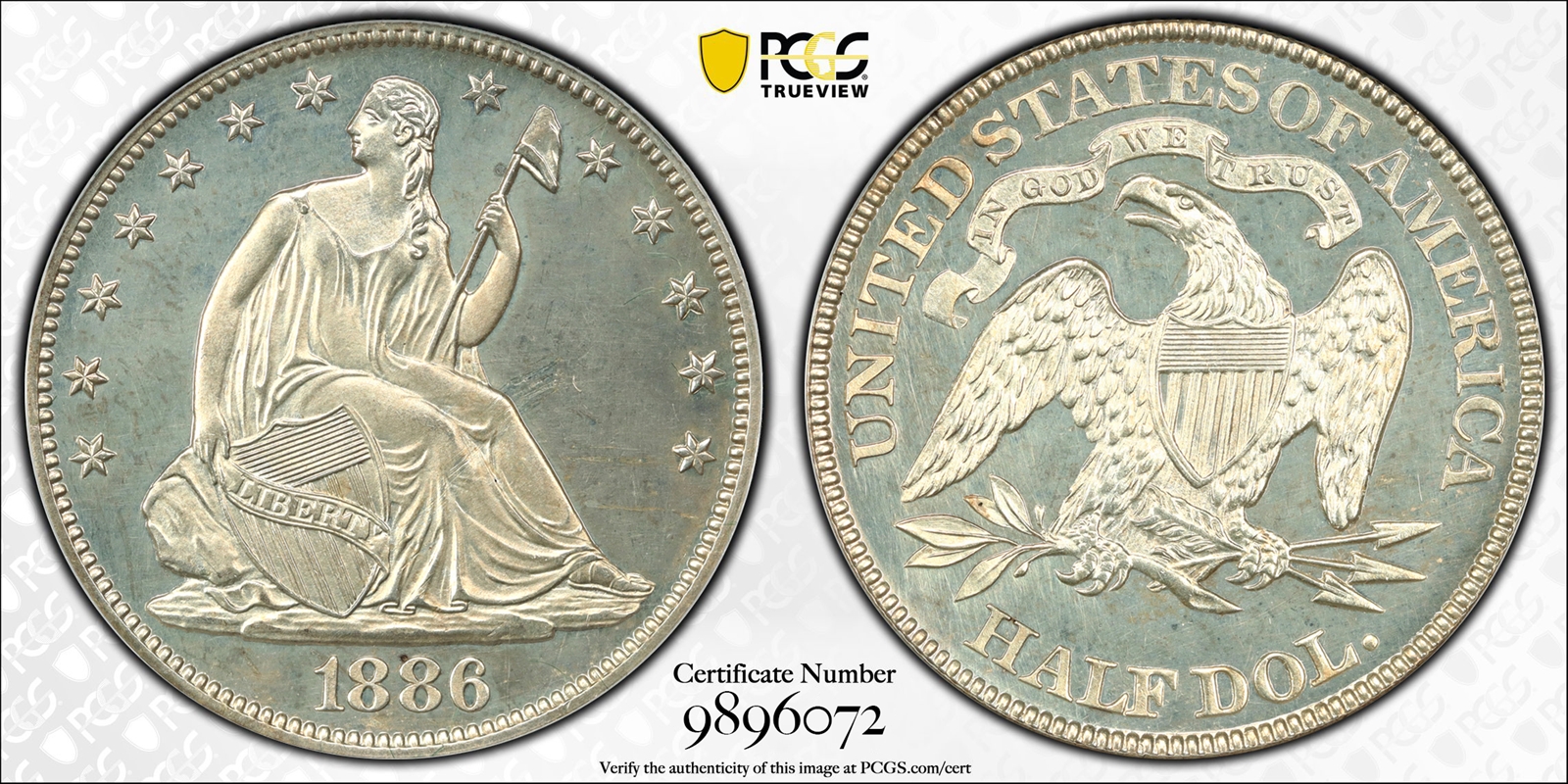
1886 PCGS PR63 housed in a Gen 3.1 holder, featuring a custom TrueView image captured by me. This proof displays an attractive greenish hue and a subtle cameo effect. Exceptionally clean for the grade, with only a light rub across Liberty’s knees, it carries the visual presence of a coin graded far higher. There’s a mysterious, almost Jules Verne quality to it—something quietly otherworldly that’s hard to define, but impossible to ignore.
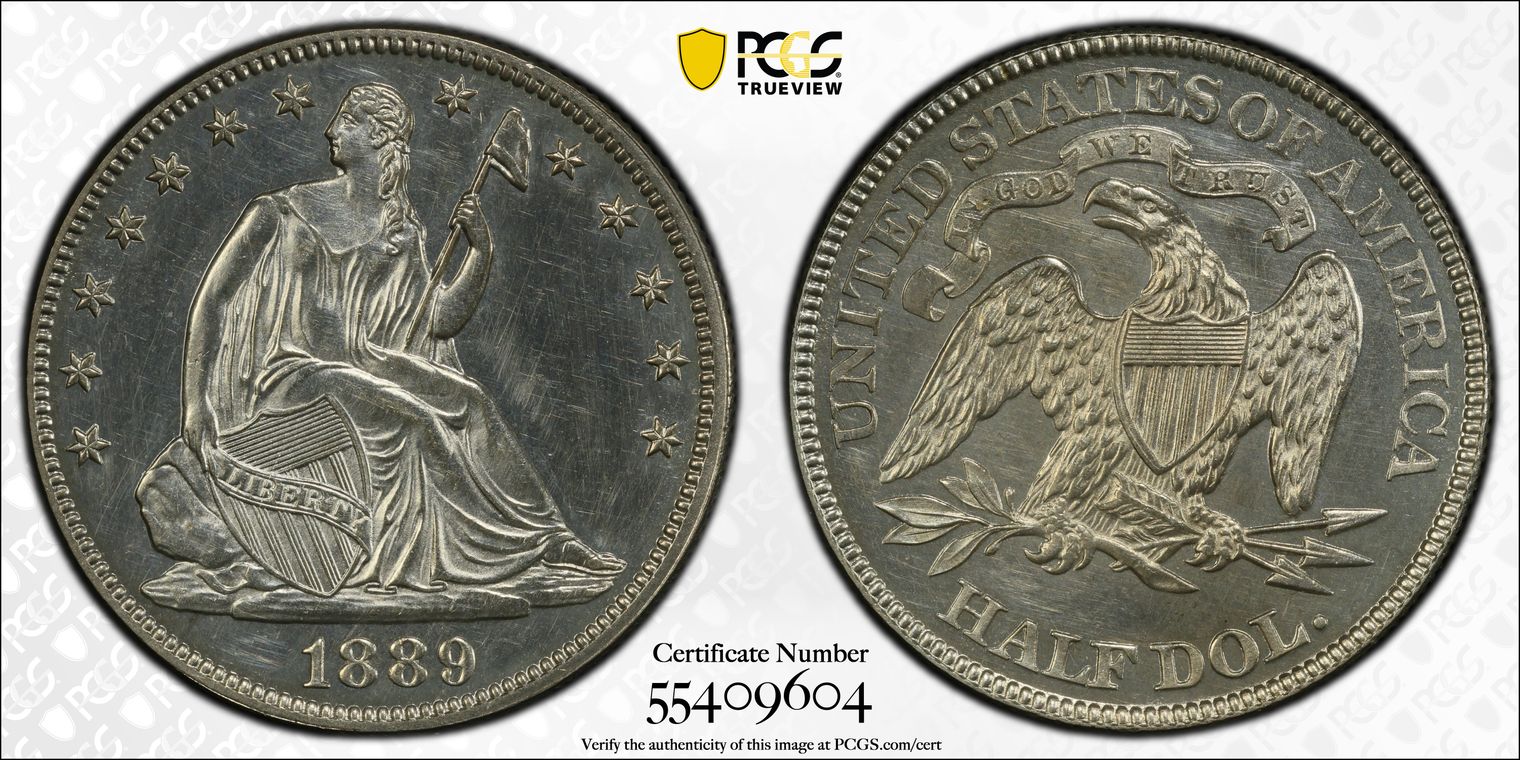
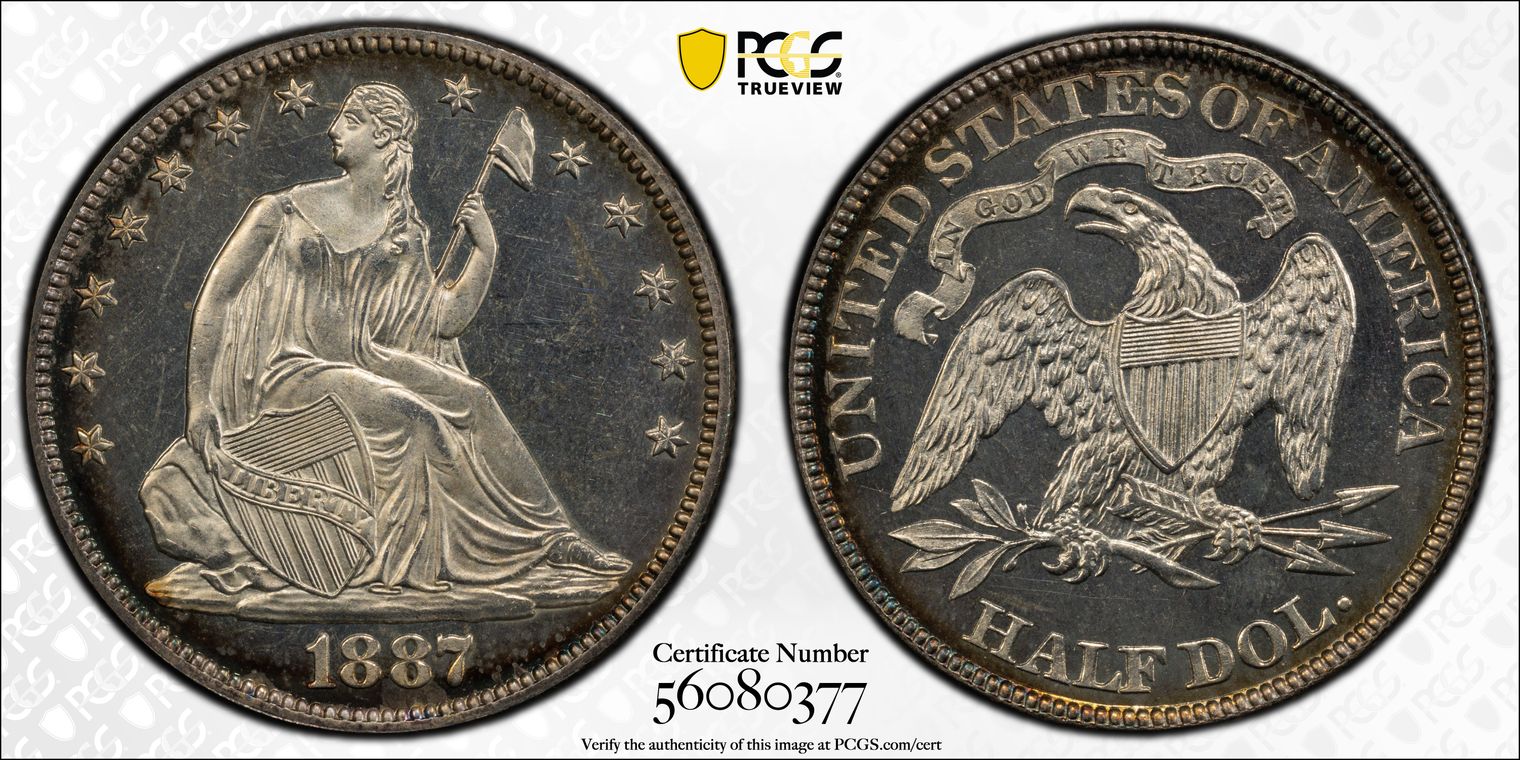
Only 711 proofs were struck in 1889. This Liberty Seated half dollar stands as a quiet witness to a world on the edge of transformation. That same year, Paris unveiled the Eiffel Tower, Tesla lit lamps without wires, and Van Gogh painted The Starry Night—a vision from isolation that would echo through time. A young Frank Lloyd Wright was just beginning to imagine the forms that would redefine American design. Though modest in grade at PR61, this coin belongs to a year when reality bent toward the fantastic. Science strained toward the future. Art chased madness and light. A time when even the ordinary shimmered with the beginnings of something extraordinary.
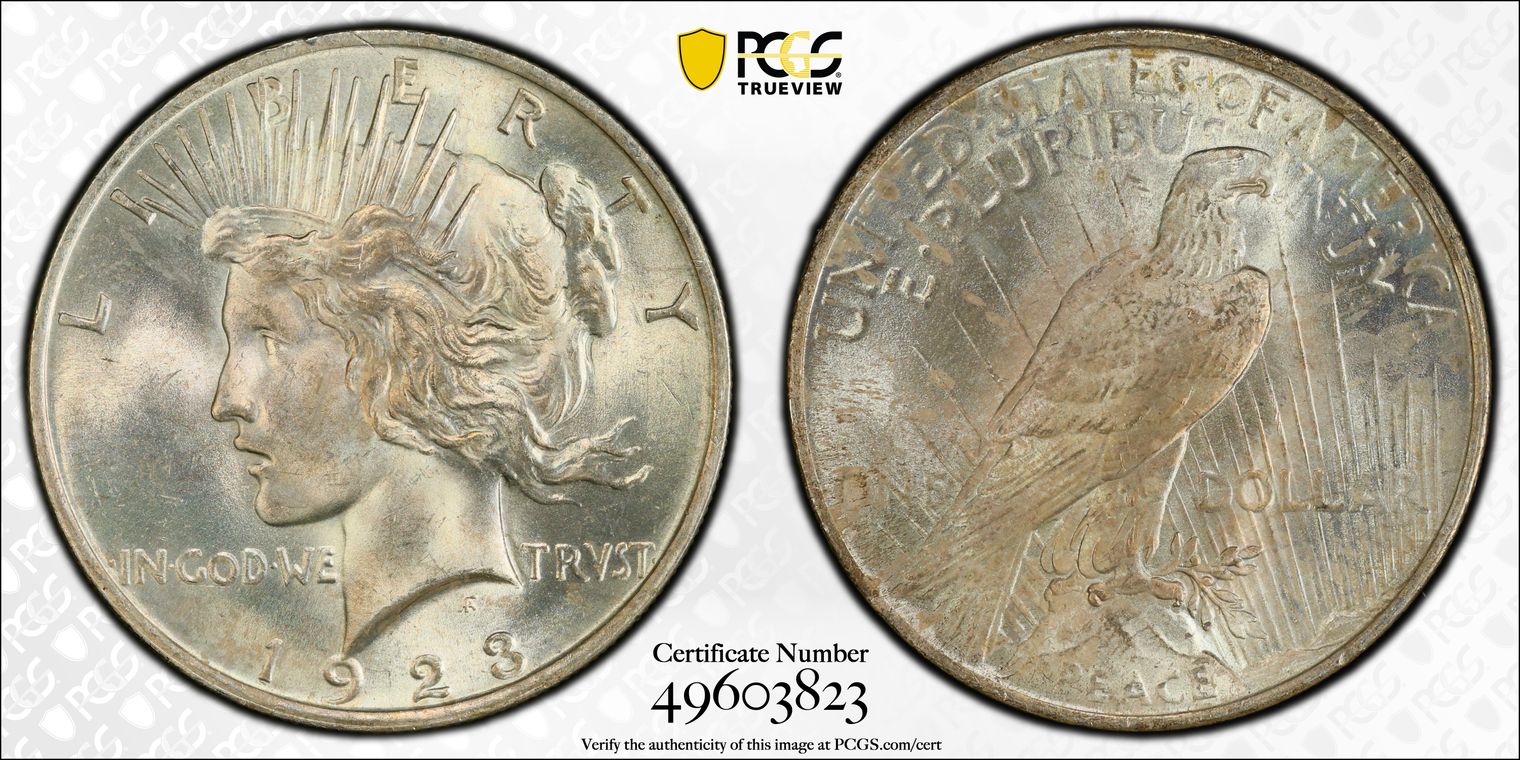
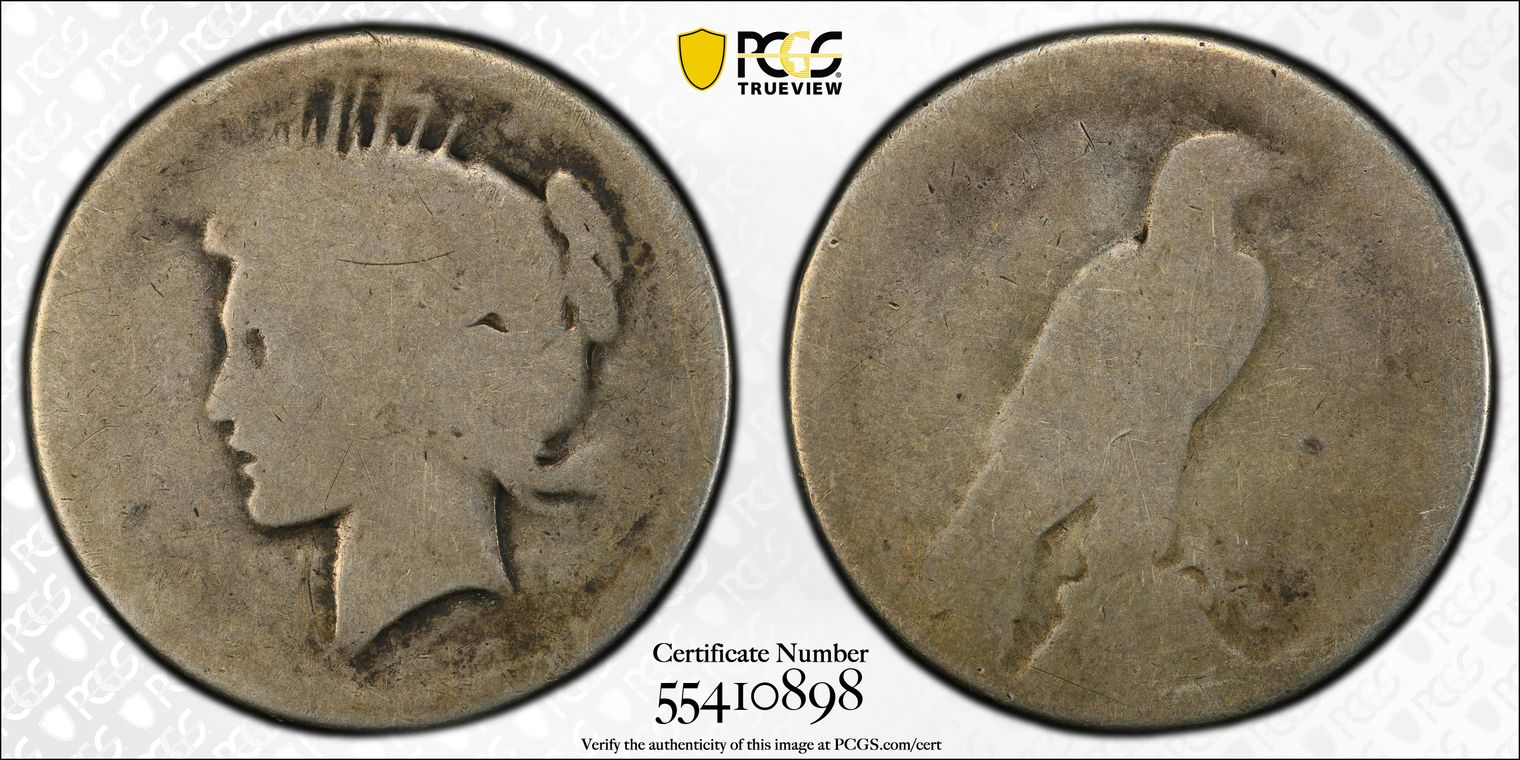
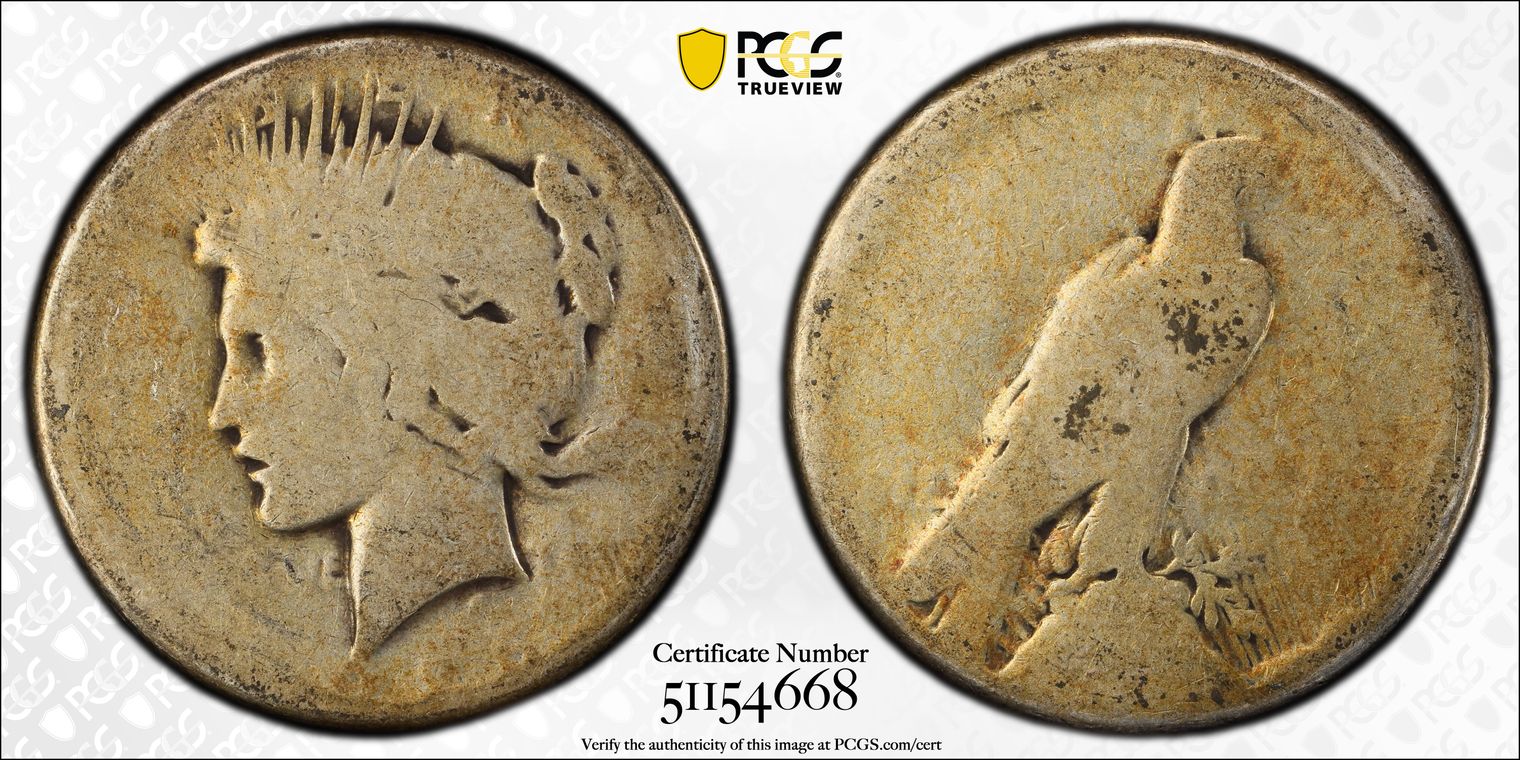
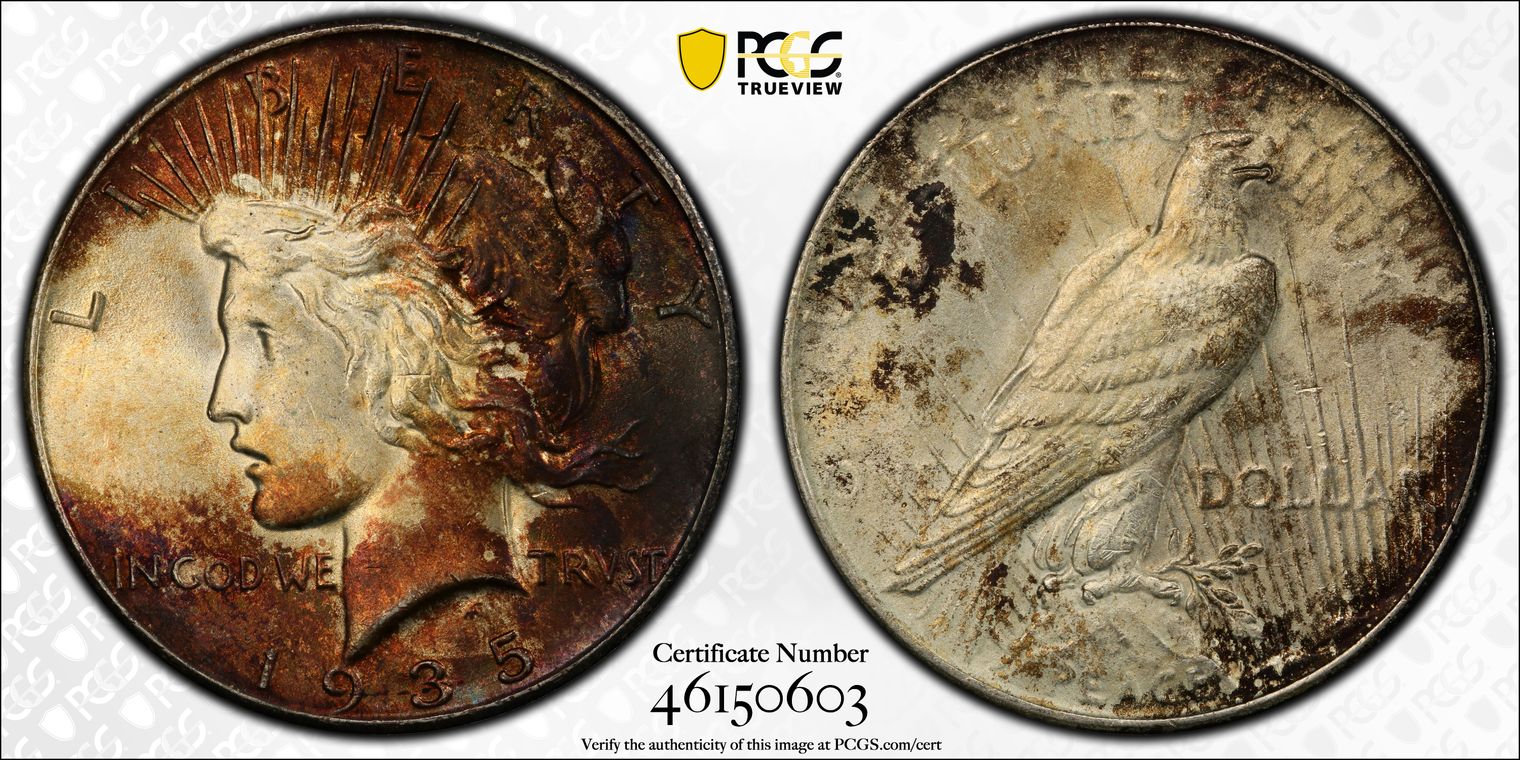
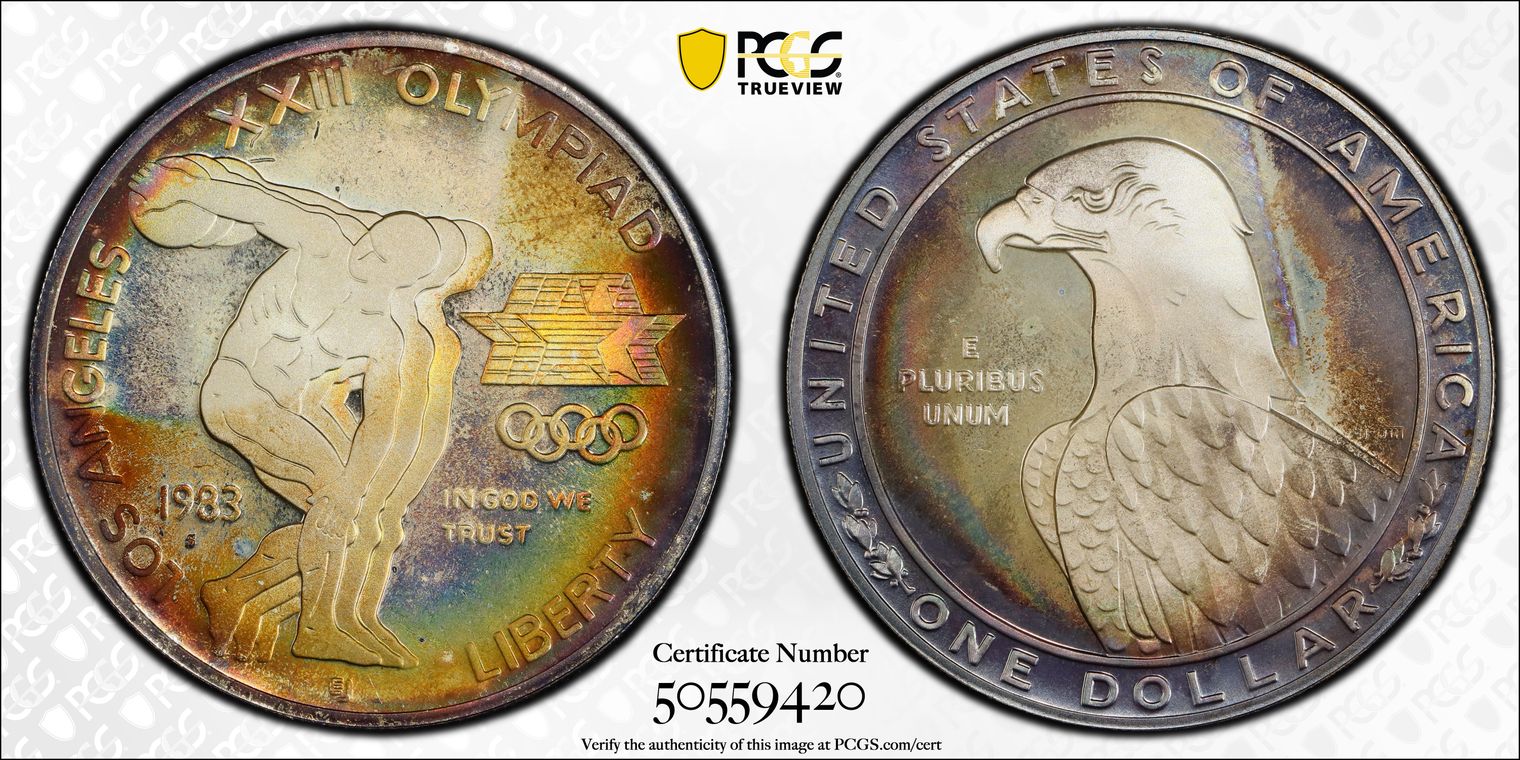
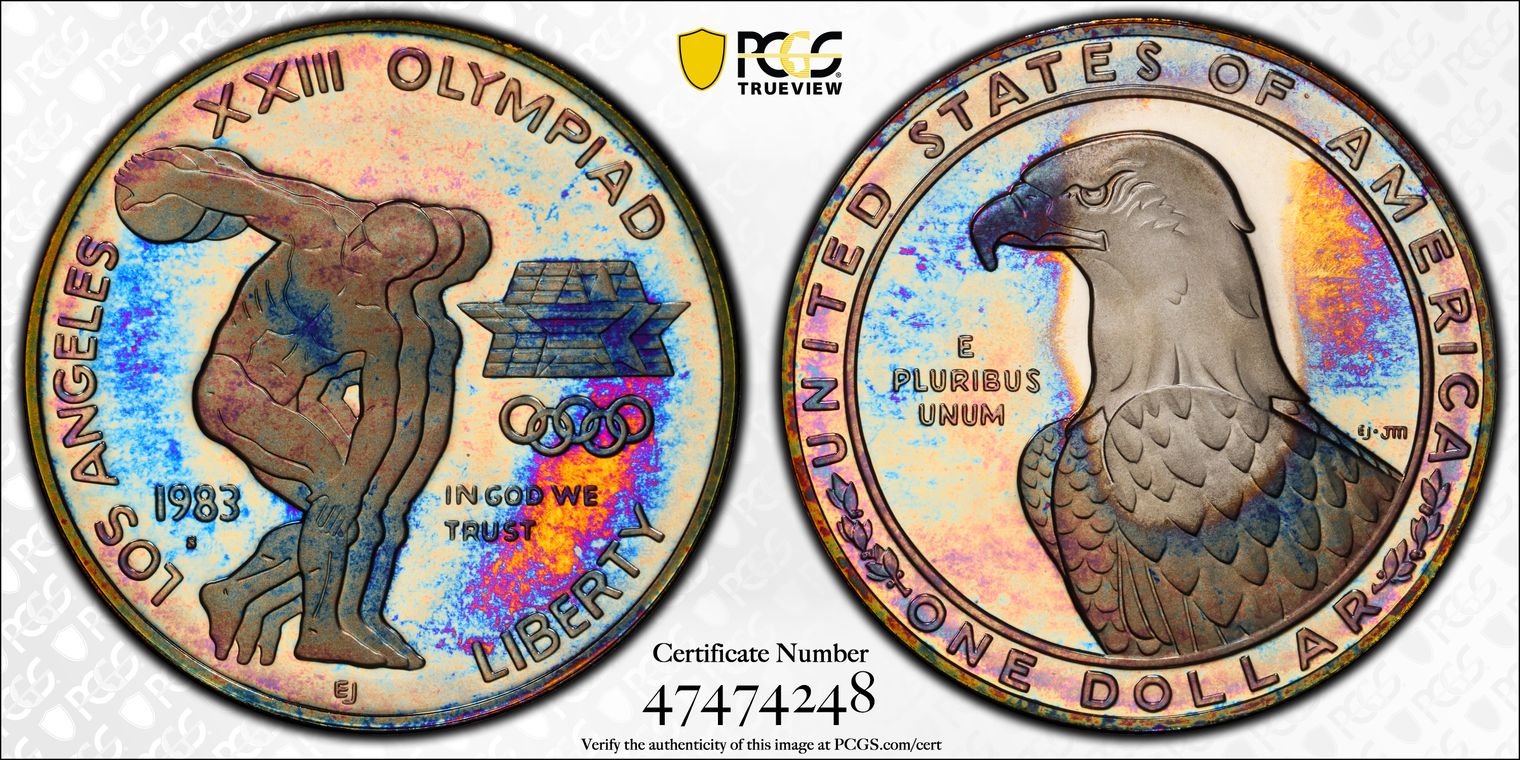
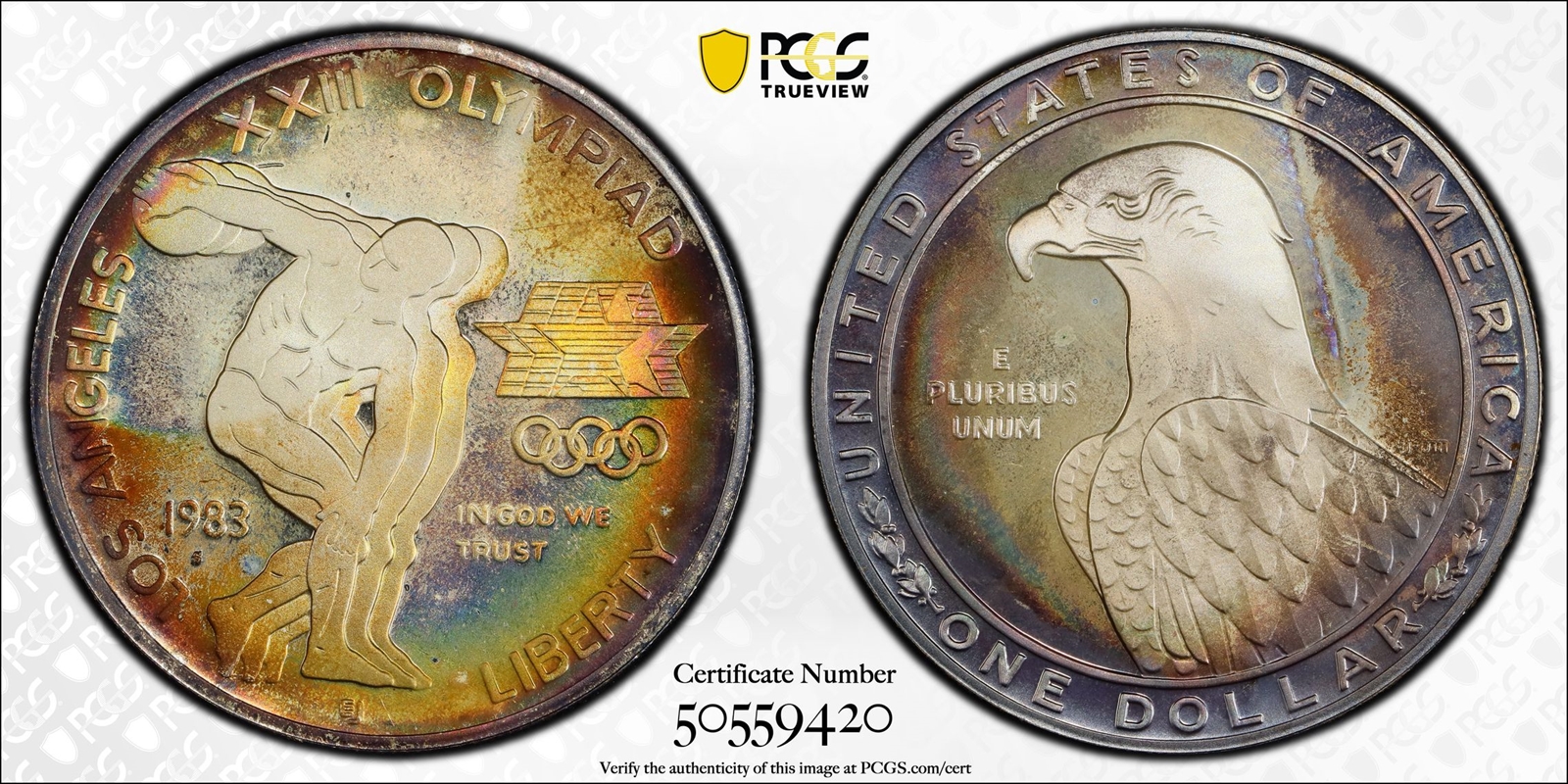
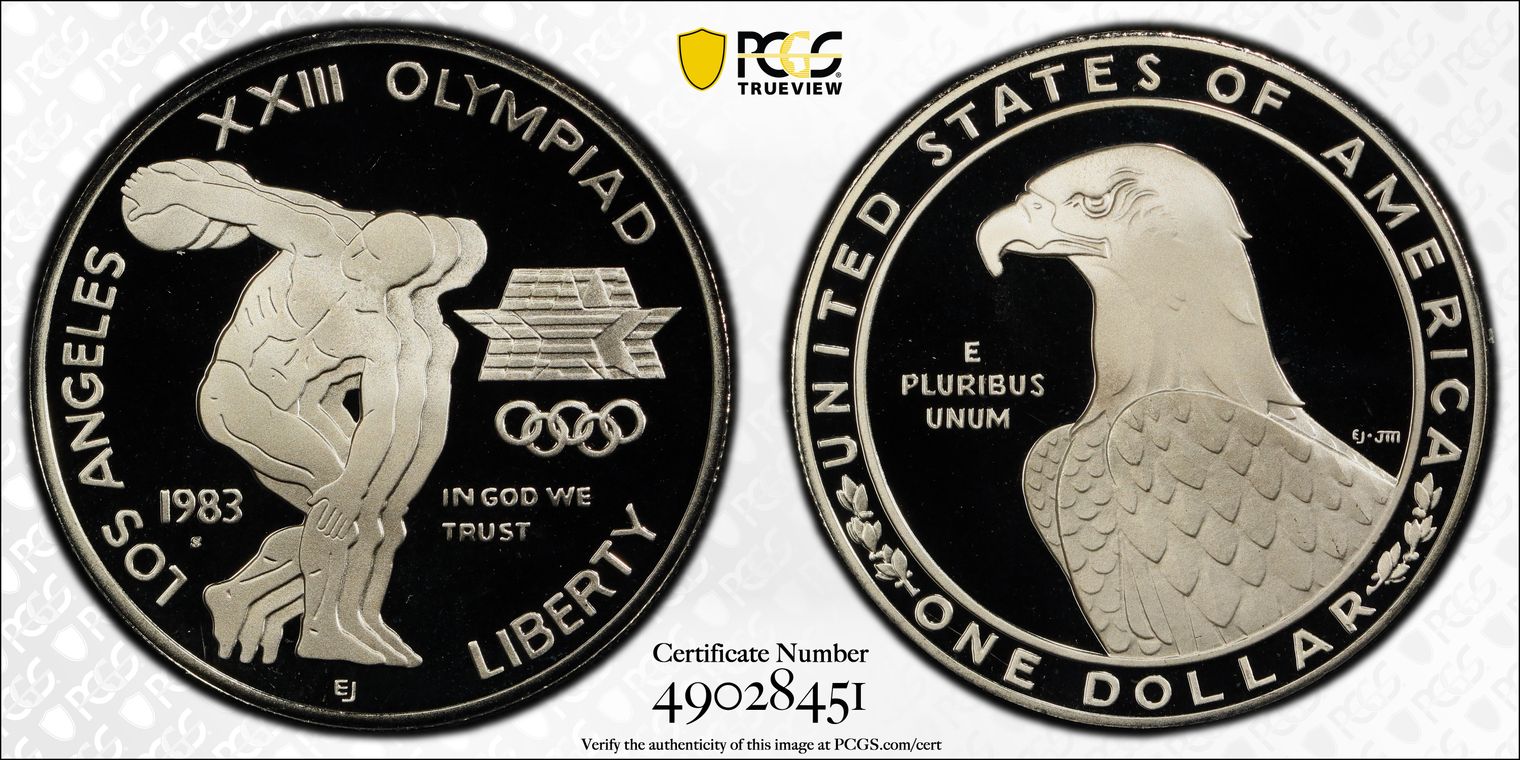

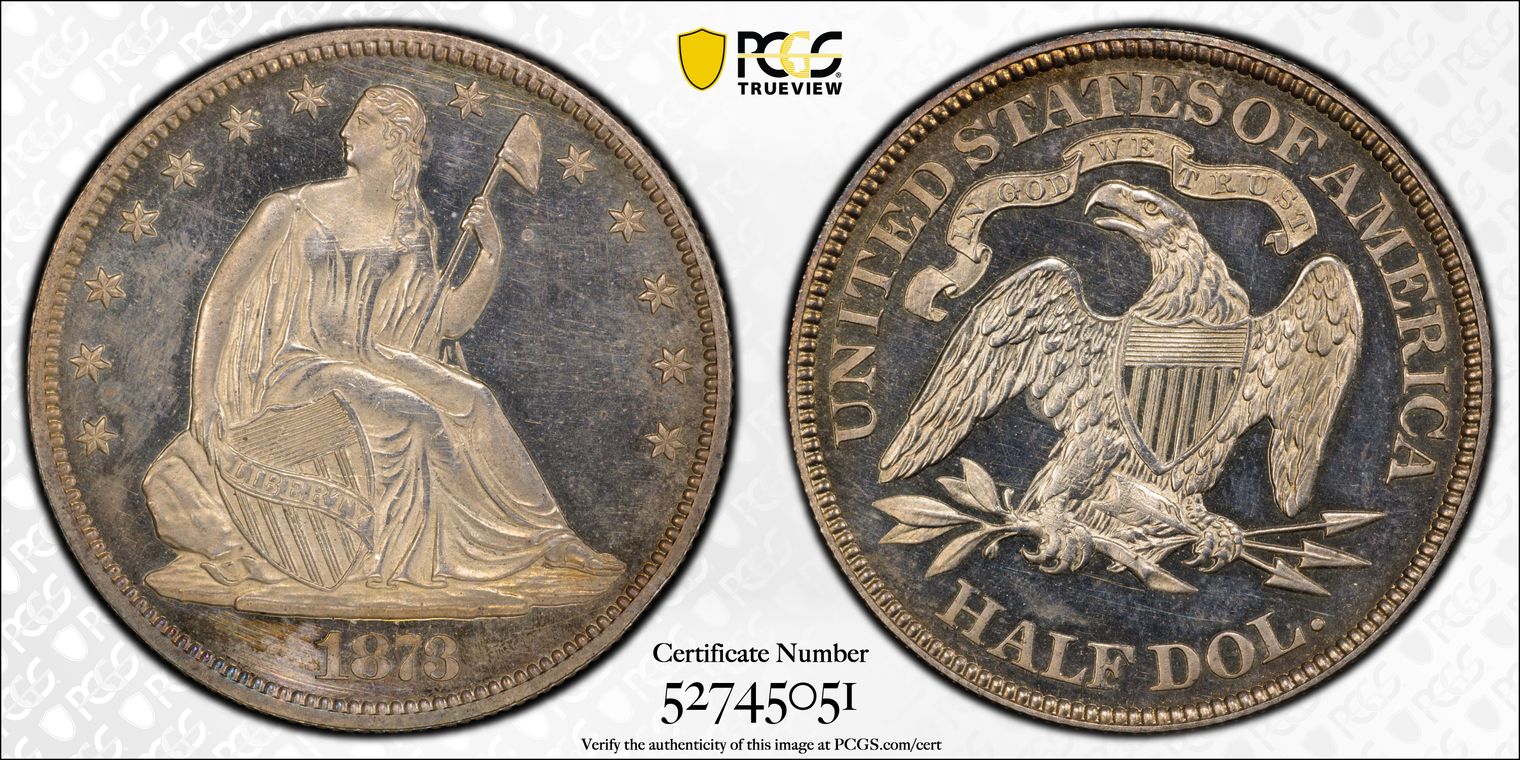
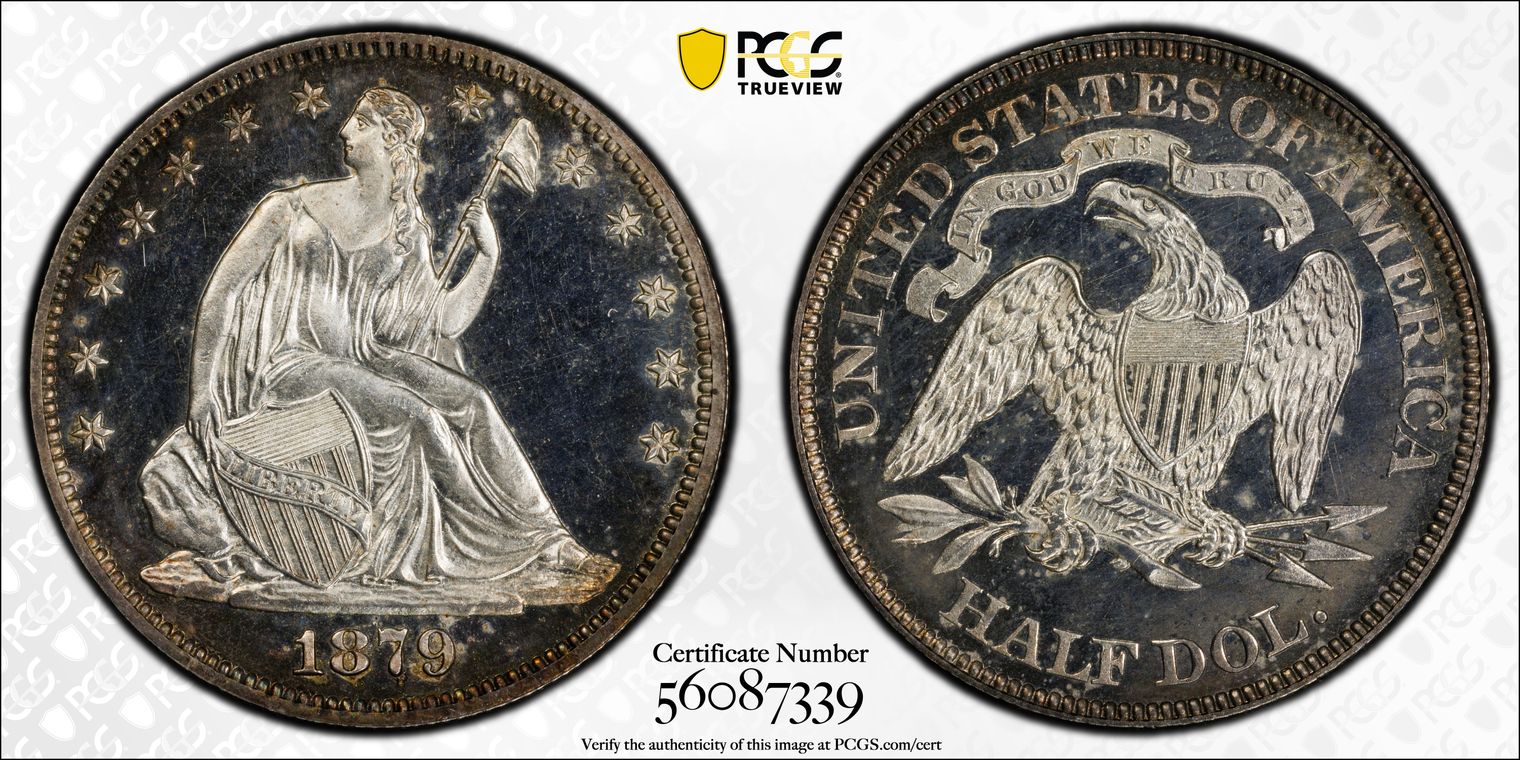
In 1879, 1,100 proof Liberty Seated half dollars issued, this coin was born at the edge of transformation. That same year, Thomas Edison illuminated his first successful electric light bulb, changing the course of human experience. And in a quiet corner of Germany, Albert Einstein was born—his future mind poised to redefine time, space, and reality itself. Originally housed in an old PCGS ‘rattler’ slab and graded PR63 with a CAC sticker, this stunning 1879 proof was reholdered due to extensive scuffing on the case, which obscured the coin too much for proper viewing. While classic slabs carry intrinsic value, the absence of a cameo designation on the original label didn’t do this piece justice. The coin clearly displays strong cameo contrast and deserved proper recognition.