



IKE Dollar from 1971 to 1978 Showcase Image Gallery
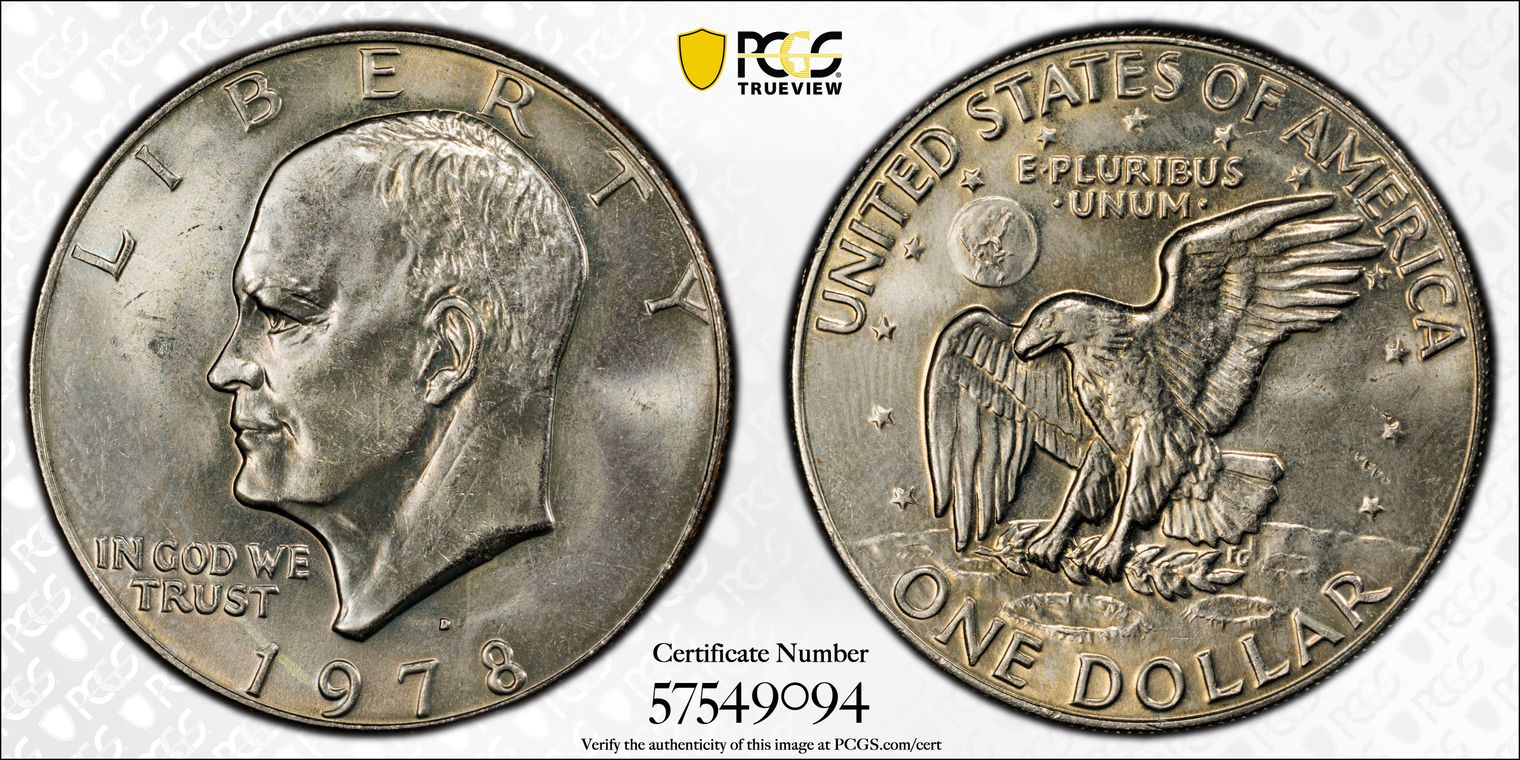
This particular specimen, originating from the Denver Mint as indicated by its 'D' mint mark, has been professionally graded as Mint State 64 (MS64). This classification denotes a circulated coin that retains excellent original luster, exhibiting minimal contact marks or imperfections that are only discernible upon close inspection. The strike is generally sharp, and the fields are well-preserved, making it a commendable example for its grade and series. A truly striking characteristic of this coin is its distinct and rather captivating toning. The surface proudly displays a natural patina that has developed over time, creating a unique and aesthetically pleasing coloration. This toning is quite pronounced, adding significant visual interest and character to the coin, a feature often highly appreciated by numismatists as evidence of undisturbed preservation and unique appeal. It would be prudent to ensure this coin is accurately photographed under varied lighting to fully capture the nuances of its toning. Furthermore, securing it in an archival-quality, inert holder is essential to maintain its current state and protect it from further environmental influence.
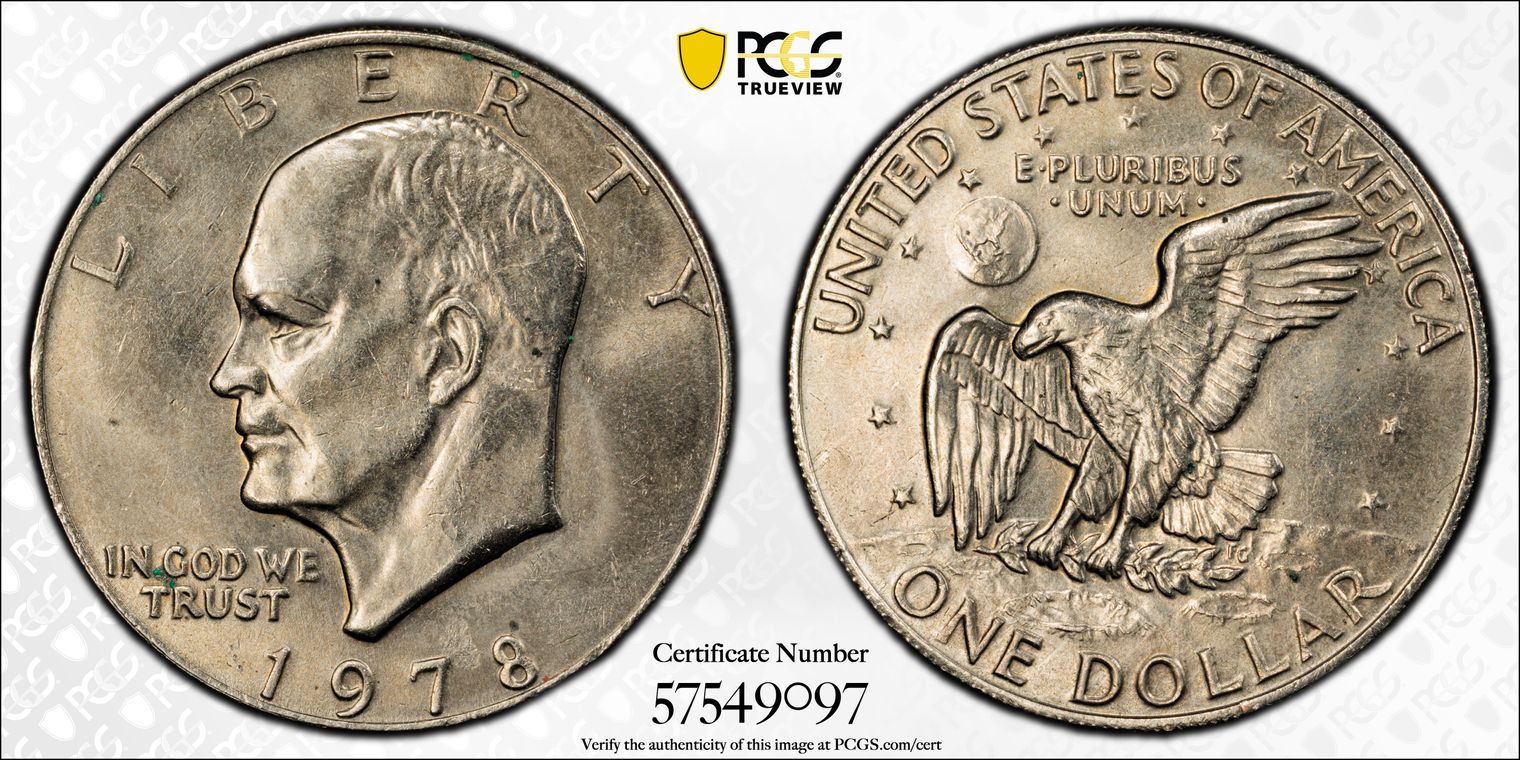
We are pleased to provide a detailed update concerning a notable numismatic item: the 1978 Eisenhower dollar. This specific specimen has recently undergone a comprehensive evaluation by professional grading services, resulting in a classification of Mint State 64 (MS64). It is important to clarify that a Mint State (MS) designation indicates a coin that has never entered general circulation. An MS64 grade signifies an uncirculated coin that retains nearly all of its original mint luster, showcasing excellent overall eye appeal. While not flawless, specimens at this grade level may exhibit a few minor to moderate contact marks, slight abrasions, or a somewhat imperfect strike that prevented it from achieving a higher grade. These imperfections are typically subtle and require careful examination to discern, but they do not detract significantly from the coin's inherent beauty and uncirculated status. This particular Eisenhower dollar represents a fine example within its grade, making it a valuable piece for detailed inventory records and appreciation.
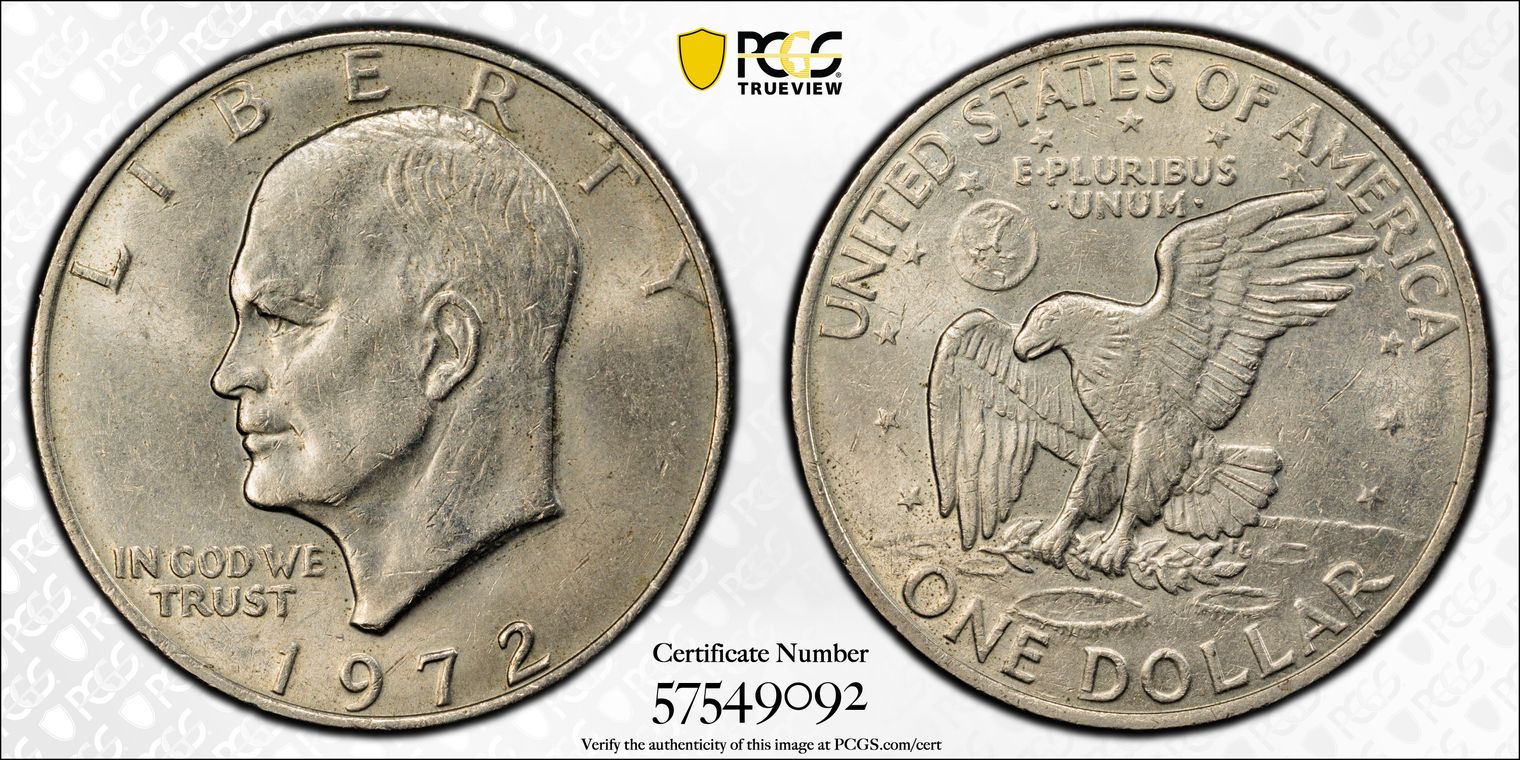
As noted by esteemed numismatic expert Jaime Hernandez, the production of the 1972 Eisenhower dollar at the Philadelphia Mint involved the use of three distinct reverse dies for circulation strikes, resulting in what are known as Type 1, Type 2, and Type 3 varieties. While all three types prominently feature a stylized, circular outline of the United States alongside several surrounding Caribbean nations—such as Cuba, Jamaica, Haiti, and the Dominican Republic, depicted just south of Florida—the Type 1 reverse stands out due to a notable geographical inaccuracy and a design characteristic that ultimately led to its modification. Specifically, the Type 1 Eisenhower Dollar's reverse presents an incomplete or geographically imprecise depiction of the island of Jamaica. It is illustrated solely towards the southeast in relation to the continental U.S. outline, lacking the more comprehensive representation that would accurately reflect its true position relative to Florida's southeast coast. This geographical oversight, coupled with the Type 1's notably low-relief design—which perhaps diminished the coin's visual impact and overall detail—were key factors prompting the Mint to swiftly revise and update the reverse dies for subsequent production runs. These subsequent versions, Type 2 and Type 3, aimed to rectify these initial design choices, making the Type 1 a distinctive and historically significant piece for collectors. Best regards,
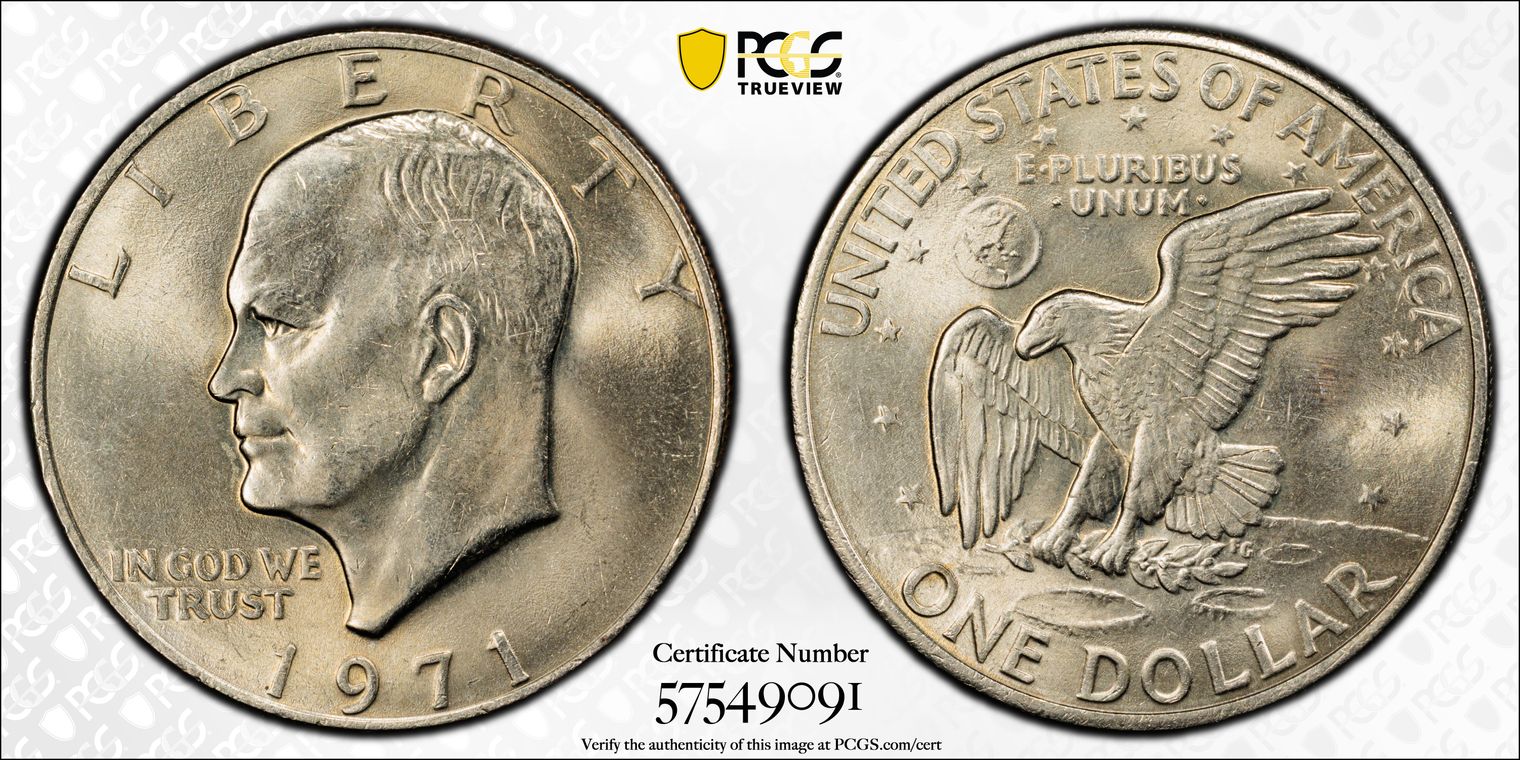
The coin proudly features the iconic 'Wounded Eagle Reverse' design, a powerful homage to the Apollo 11 lunar landing, beautifully rendered with sharp details that are preserved with remarkable clarity. Its reflective surface and doubling on the one dollar strike are testaments to its meticulous preservation over the decades since its minting. Such high-quality examples from the inaugural year of the Eisenhower Dollar series are increasingly coveted by discerning collectors. The exquisite condition of this coin offers a vivid "reflection" of its original luster and intricate artistry, qualities that numismatists highly value when evaluating both aesthetic appeal and long-term investment potential. It represents an opportunity to acquire a piece of modern American history.
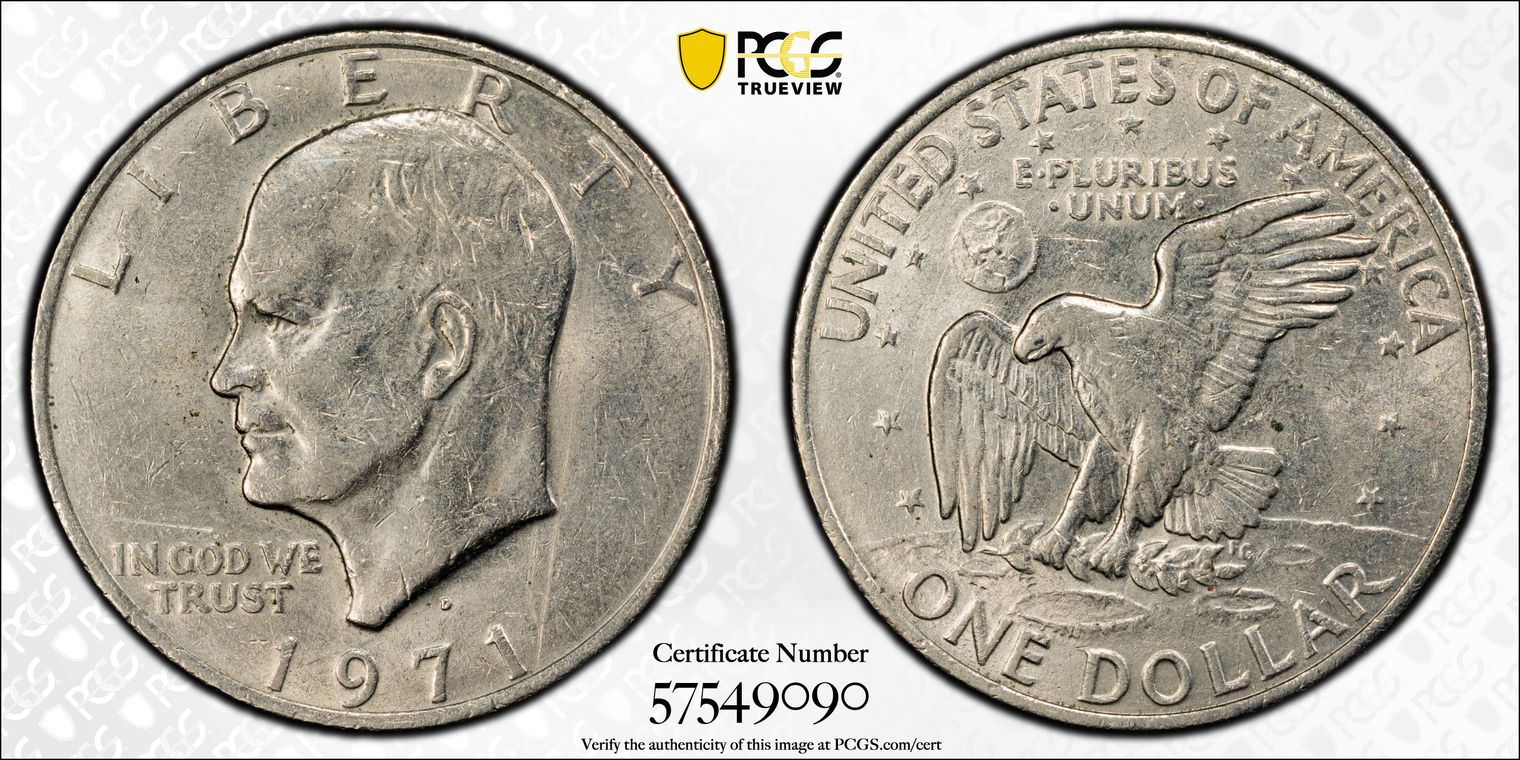
This specific coin features what is commonly known among collectors as the "Friendly Eagle" reverse. This endearing nickname refers to the Type 1 reverse design, which is characterized by its unique appearance compared to other reverse types struck during the early years of the Eisenhower Dollar production. Collectors often seek out this variety, and it's further identified in specialized catalogs, such as the Cherrypickers' Guide, with the FS-901 designation, underscoring its recognized importance and distinct characteristics. Adding an additional layer of detail for the dedicated numismatist, this particular coin also presents the RDV-006 (Reverse Die Variety 006). These subtle yet crucial die varieties are the result of specific die states or modifications during the minting process and are highly prized by collectors who specialize in these intricate distinctions. The combination of the Denver mint mark from 1971, the charming "Friendly Eagle" Type 1 reverse, and the specific FS-901 and RDV-006 designations makes this a highly sought-after and collectible piece for anyone serious about acquiring significant varieties of U.S. dollars. It represents a fascinating intersection of minting history and numismatic scholarship. Please feel free to reach out if you have any questions or would like to delve deeper into the nuances of this remarkable coin. Best regard's.